SAEDNEWS: The city of Tabriz, with more than 800 historic houses, has transformed into a living exhibition of traditional homes. The most beautiful architectural styles from various historical periods used in the construction of these houses have turned Tabriz into a recognized tourism city in the Islamic world.
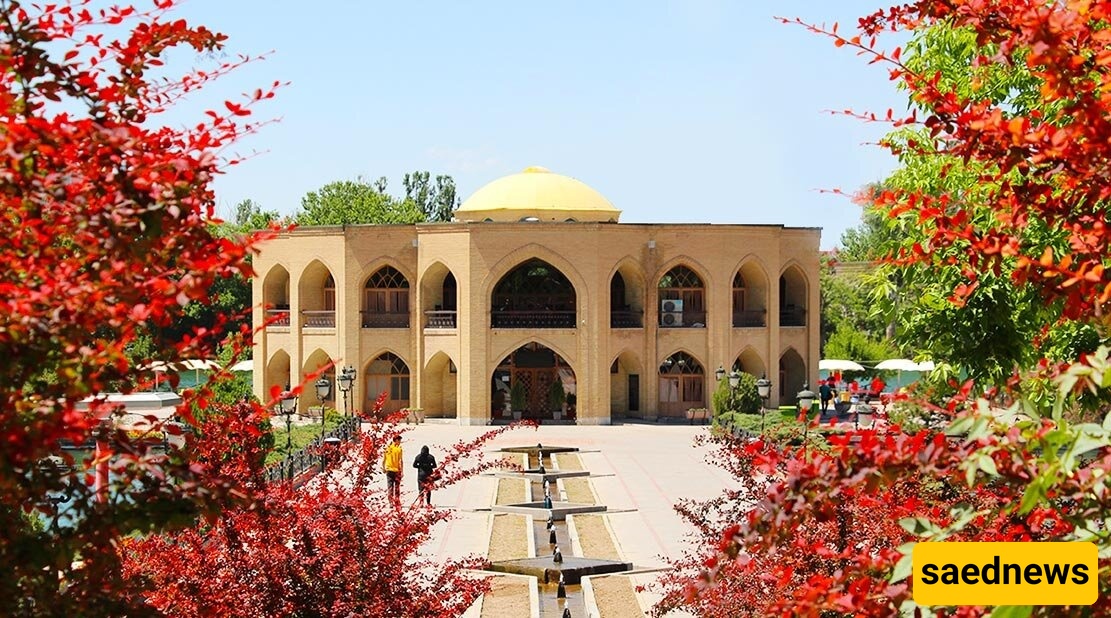
According to the Saed News Agency, citing Namnak, the existence of around 800 historic and old houses in the city of Tabriz has effectively turned this city into a capital and showcase of historical houses in Iran. Despite this vast architectural heritage in one of Iran’s “first cities,” the introduction and promotion of these sites for both domestic and international tourism remains largely neglected, leaving a significant gap in the development of the country’s tourism industry, especially in this region.
In other words, although many domestic and foreign tourists prefer staying in historic houses to better understand local lifestyles and culture, there is still no systematic program in Iran—and particularly in Tabriz—for accommodating tourists in such properties. Many visitors to Iran, especially those traveling to Azerbaijan and Tabriz, consider this absence a missing link in the country’s tourism infrastructure.
In this context, Tabriz—known as the city of historic and beautiful old houses—serves as a living museum of Iran’s residential architectural heritage. From a distance, these houses attract every observer, inviting them to explore their inner and outer courtyards, stained glass windows, stucco ceilings, traditional courtyards, and basements, making them ideal for memorable photography.
Moreover, Tabriz being selected as the Islamic Tourism Capital in 2018 provided a valuable opportunity to introduce these cultural assets and utilize the city’s full potential to attract both domestic and international tourists.
Below is an overview of some of the most important historic houses in Tabriz and nearby cities in East Azerbaijan Province.
Shahriar House, dating back to the Pahlavi II era (1347 SH / 1968–69), is located in central Tabriz. It was later acquired by the municipality and converted into the Shahriar Literary Museum. In 2007, it was registered as a national heritage site under number 22729.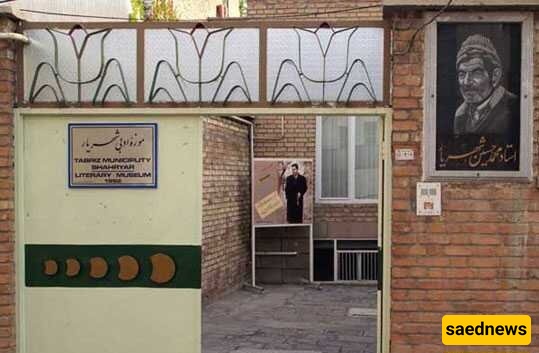
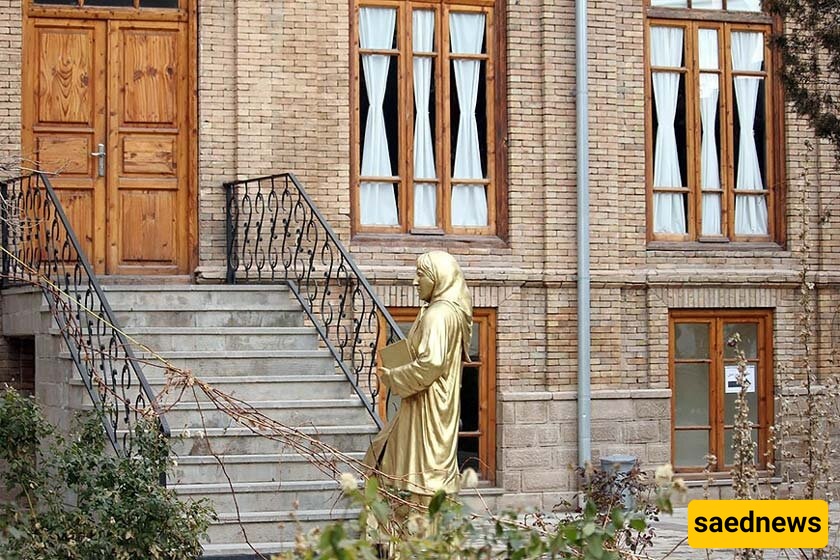
Parvin Etesami, the famous Iranian poet, was born on March 16, 1907, in a house located in the Sheshghelan district of Tabriz. She lived there until the age of six before moving to Tehran with her family.
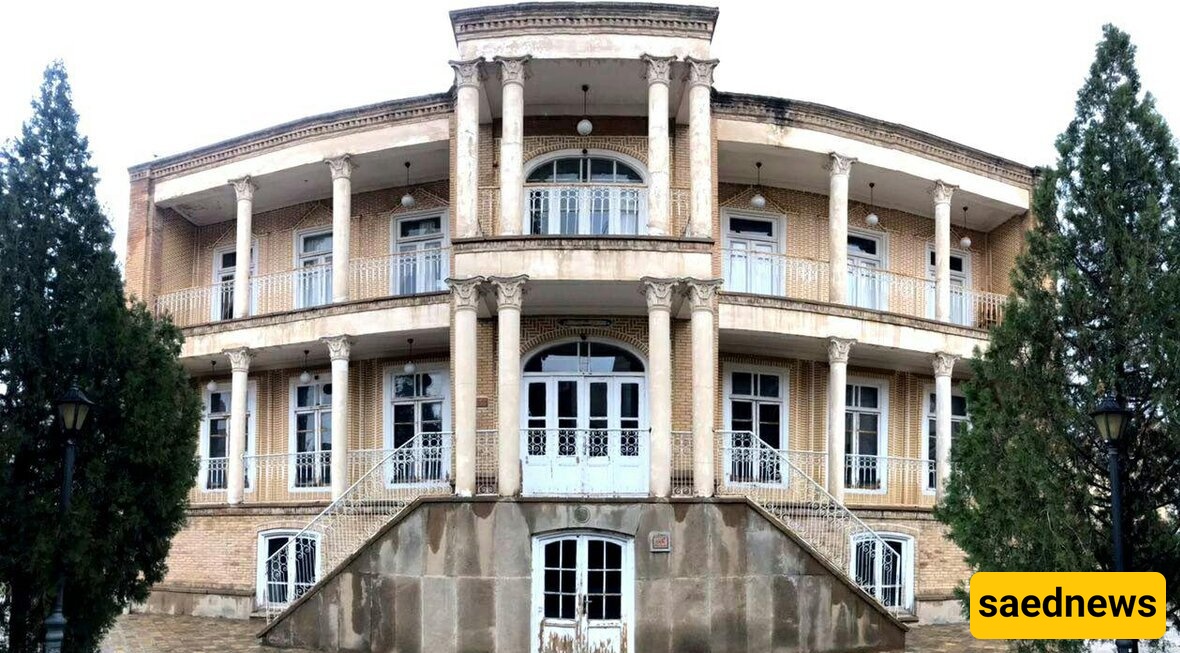
Ganjei-Zadeh House is a historic building combining Qajar and early Pahlavi architectural styles. It covers an area of 3,000 square meters and includes three floors with rooms arranged in a linear structure. The eastern section belongs to the Qajar era, while the western section was added during the early Pahlavi period. It was registered as a national heritage site in 2002 under number 6021.
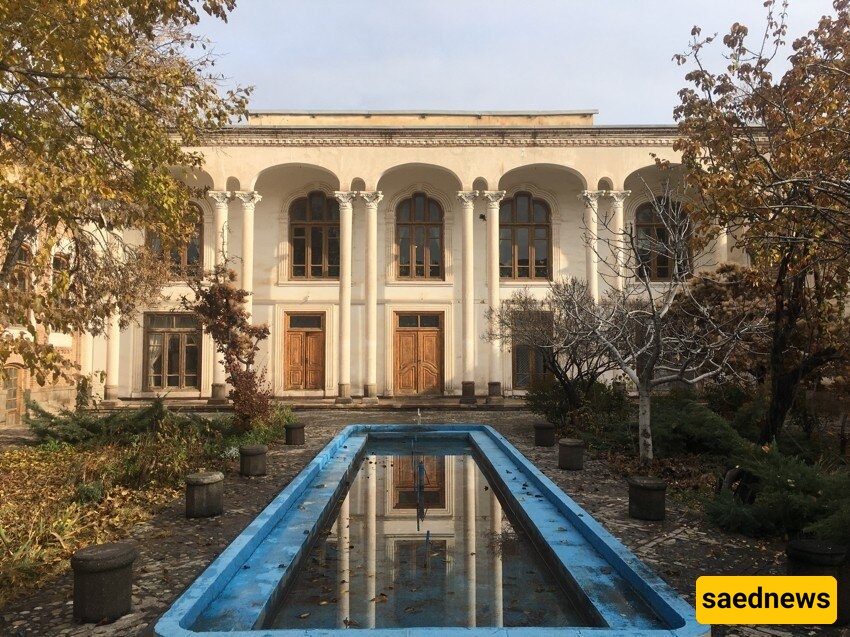
This Qajar-era house was expanded during the early Pahlavi period with additional rooms added to its northern wing. Originally a residential building, it was purchased by the municipality in 1990 and later restored by the Cultural Heritage Organization, becoming the Tabriz Cultural Center. It was registered in 2000 under number 3222.
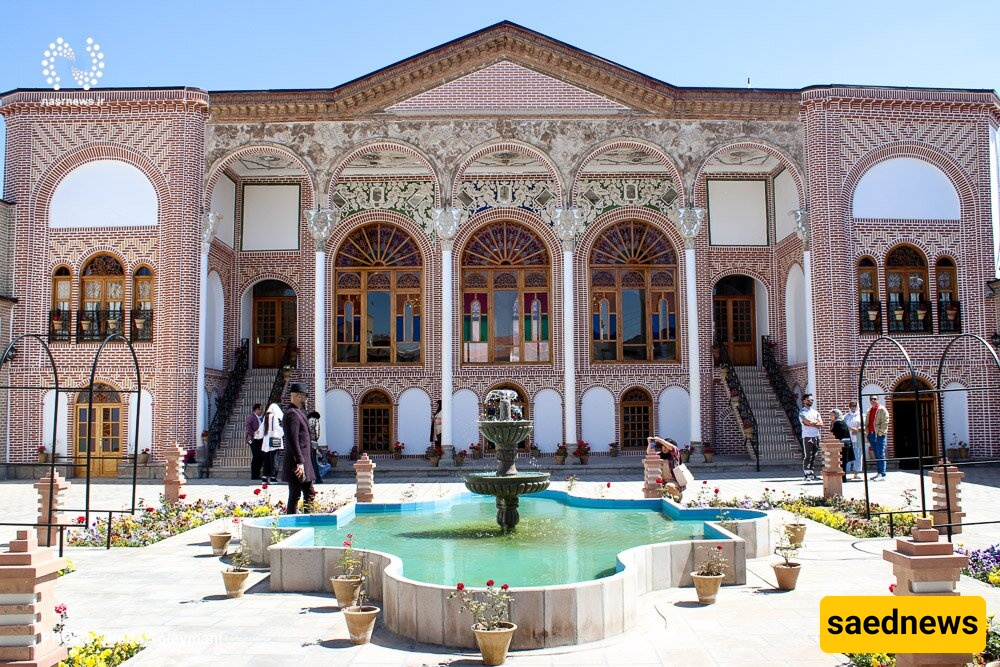
Built in the late Qajar period, Sorkheh House belonged to Mirza Mehdi Farashbashi, son-in-law of Mozzafar al-Din Shah. It is known for its stucco decorations, wooden ornaments, and mirror work. It was registered as a national heritage site in 2000 under number 2779.
Located in the historic Raastakuchah neighborhood (now Shahid Motahari Street), this Qajar-era building dates back to 1866. It belonged to Hajj Mirza Mehdi Kuzekanani, a prominent merchant and supporter of the constitutional movement. It later served as a gathering place for political leaders during the Azerbaijan autonomy period (1945–1946).
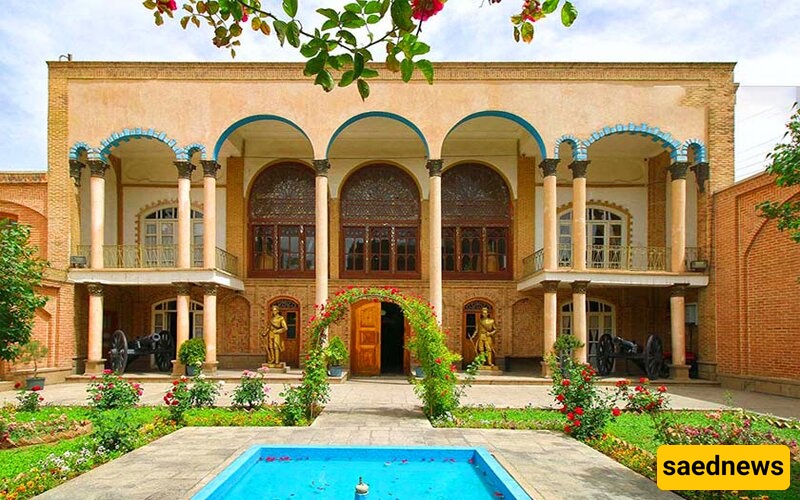
Kadkhoda House, along with Behnam and Ganjei-Zadeh houses, is now part of the Islamic Art University of Tabriz. It dates back to the mid-Qajar period and includes both inner and outer courtyards.
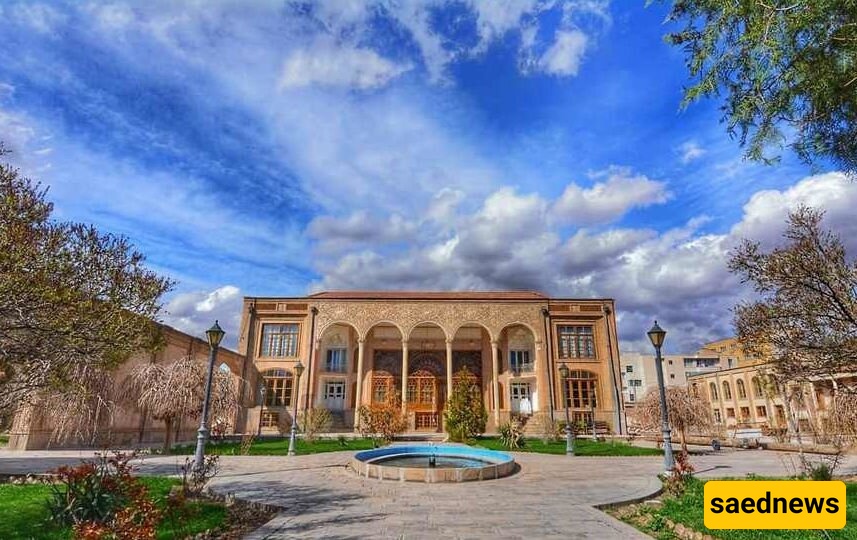
Dating back to the late Qajar era, Bolurchian House is located in the Sarraab district of Tabriz. It was restored and converted into a ceramics exhibition and cultural center in 1995.
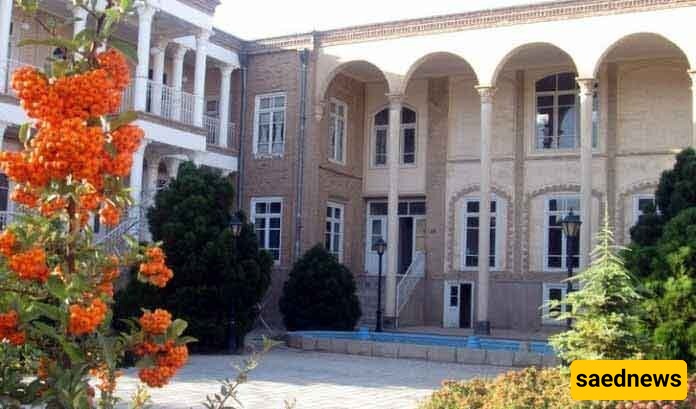
This house is associated with Ali Monsieur, a key figure in the Constitutional Revolution in Azerbaijan and one of the founders of the Tabriz Mujahideen group. It is located in the southern Arasht Street area.
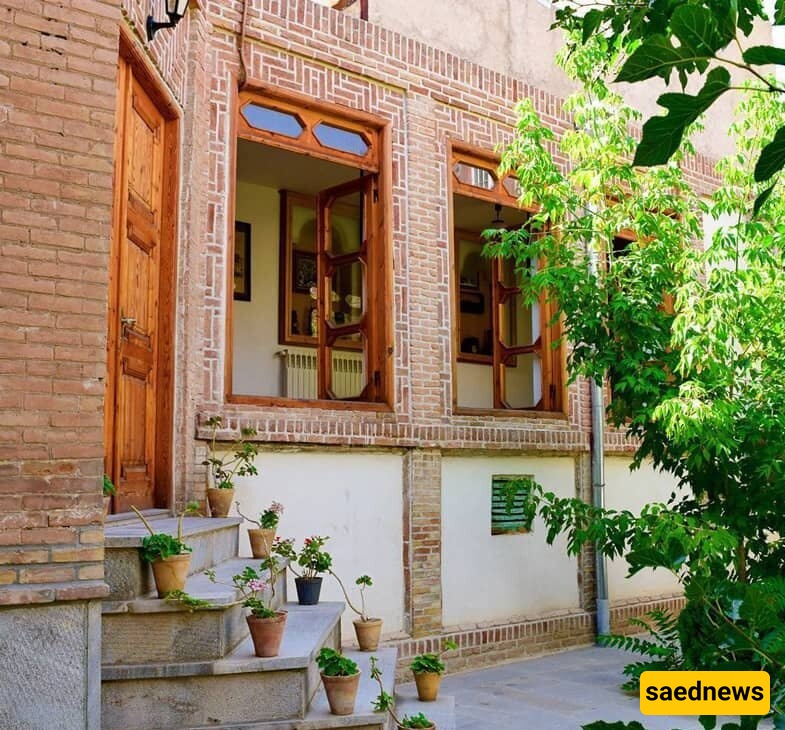
Belonging to a wealthy merchant family, this house was later purchased by the municipality and opened in 2010 as the Tabriz House of Artists, under the Cultural Organization of the municipality.
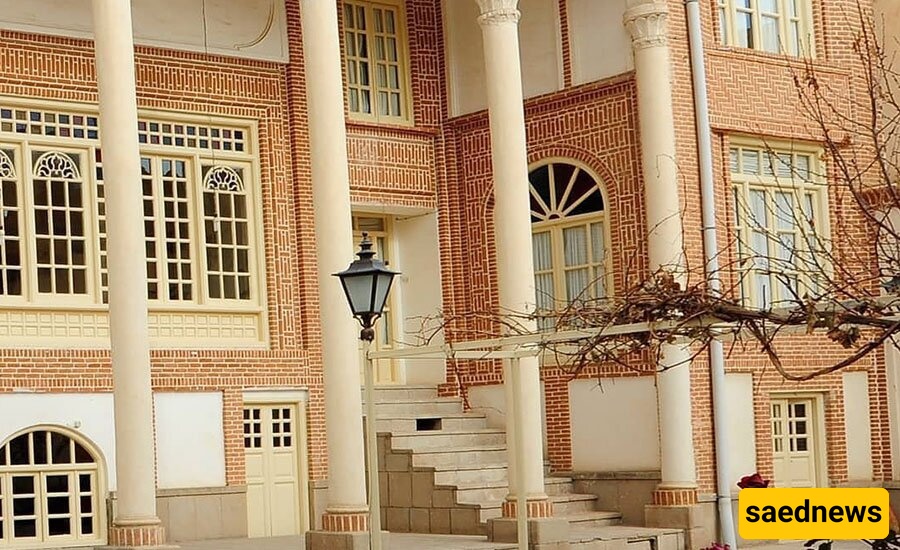
This Pahlavi-era house once hosted the historical research office of the late Yahya Zoka. It is located in southern Artesh Street.
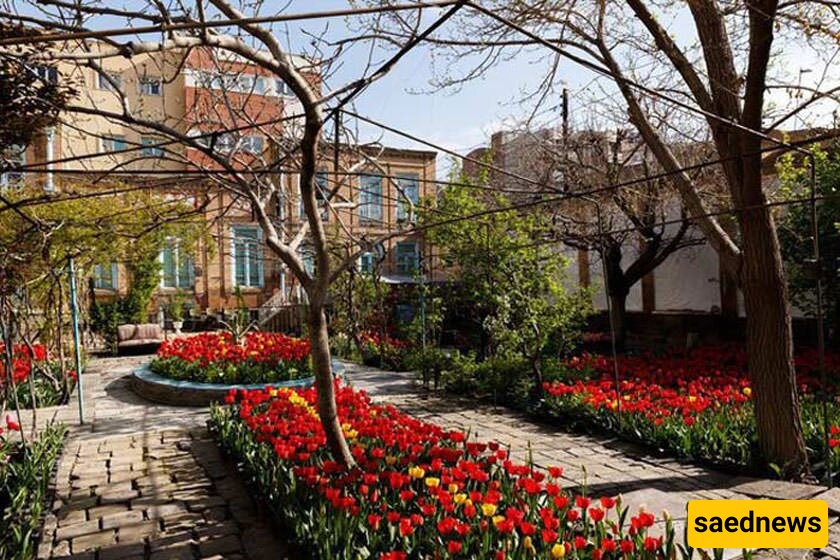
One of the oldest Qajar-era houses in Tabriz, Behnam House was renovated during the reign of Naser al-Din Shah and is now part of Sahand University of Technology’s Faculty of Architecture.
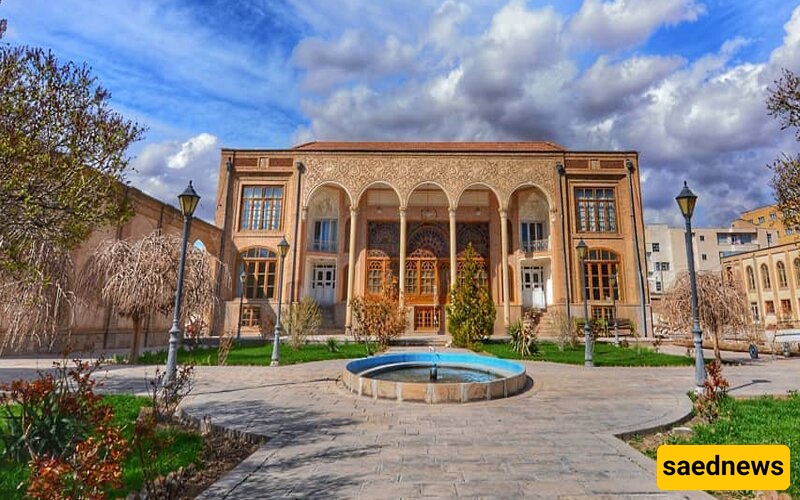
Located between Qari Bridge and Sahib al-Amr Mosque, this house belonged to Toqhi al-Islam Tabrizi, a constitutional movement activist who was executed by Russian forces during Ashura in 1912.
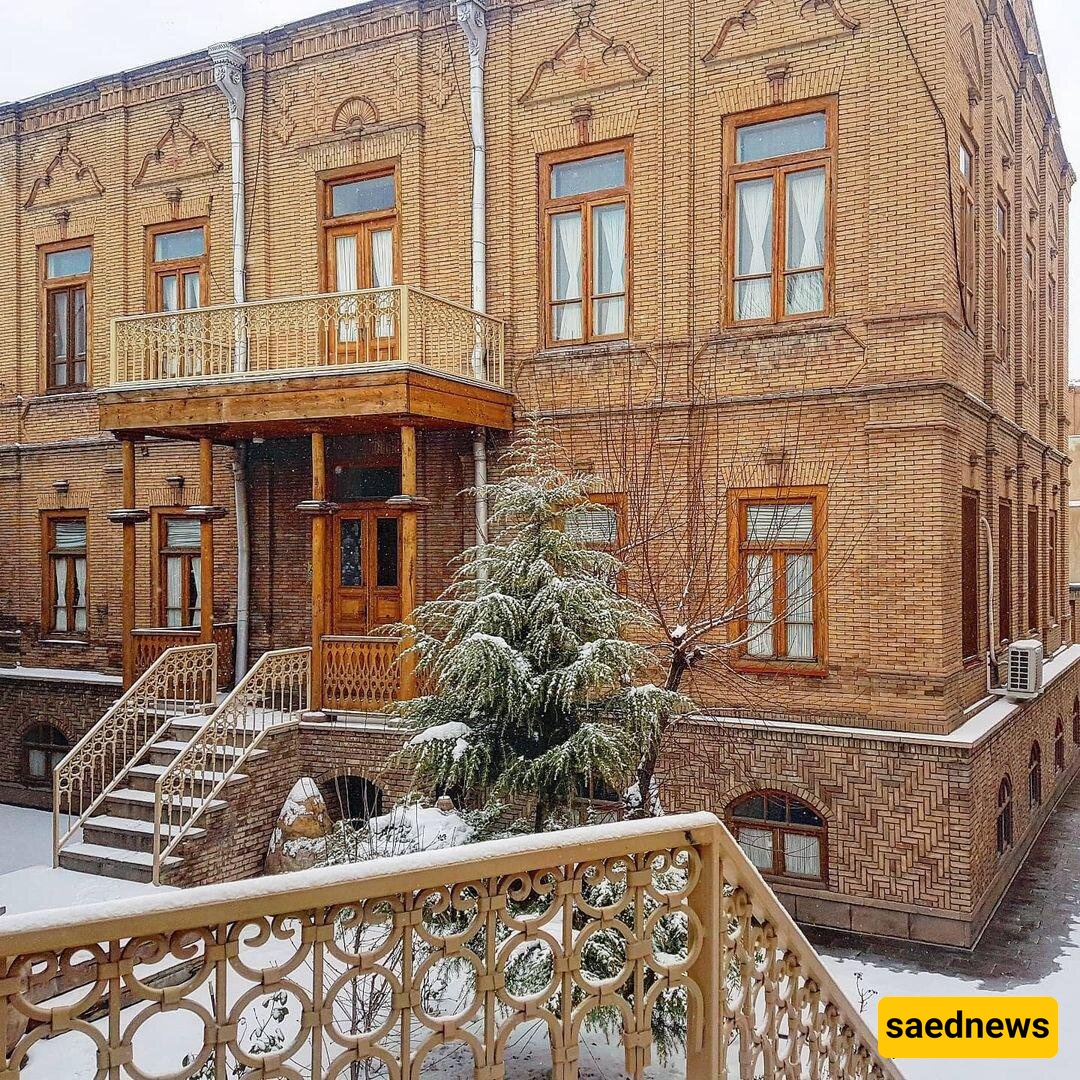
Built in the Qajar and early Pahlavi periods, Saraflar House has been restored and used as a ceramics house and exhibition space since 1995.
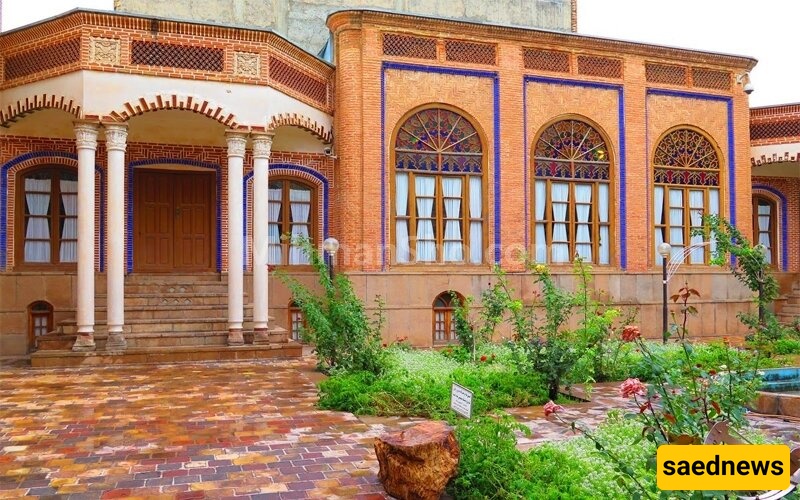
Built during the reign of Naser al-Din Shah in an area of 3,000 square meters, this house has been converted into the Qajar Museum after restoration by the Cultural Heritage Organization.
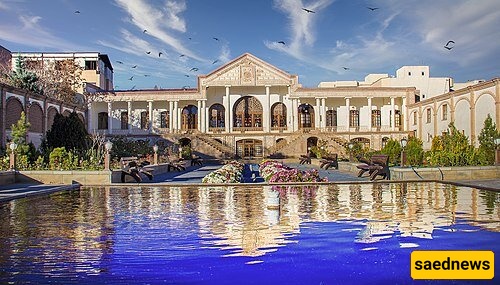
Located in the historic Maghsoudieh district, this house dates back to around 1870. It now serves as the Tourism Information Center of East Azerbaijan Province.
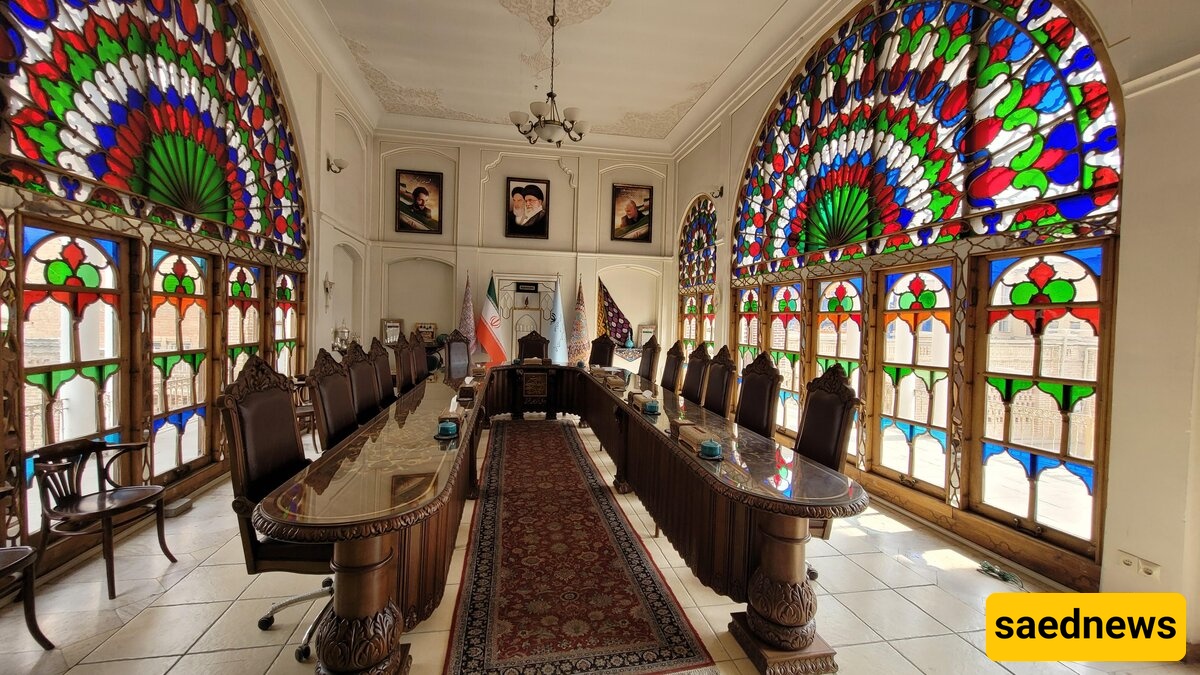
A Qajar-era building registered as a national heritage site in 1999, Hariri House is known for its beautiful inner courtyard and wall paintings inspired by Persian mythology and religious stories.
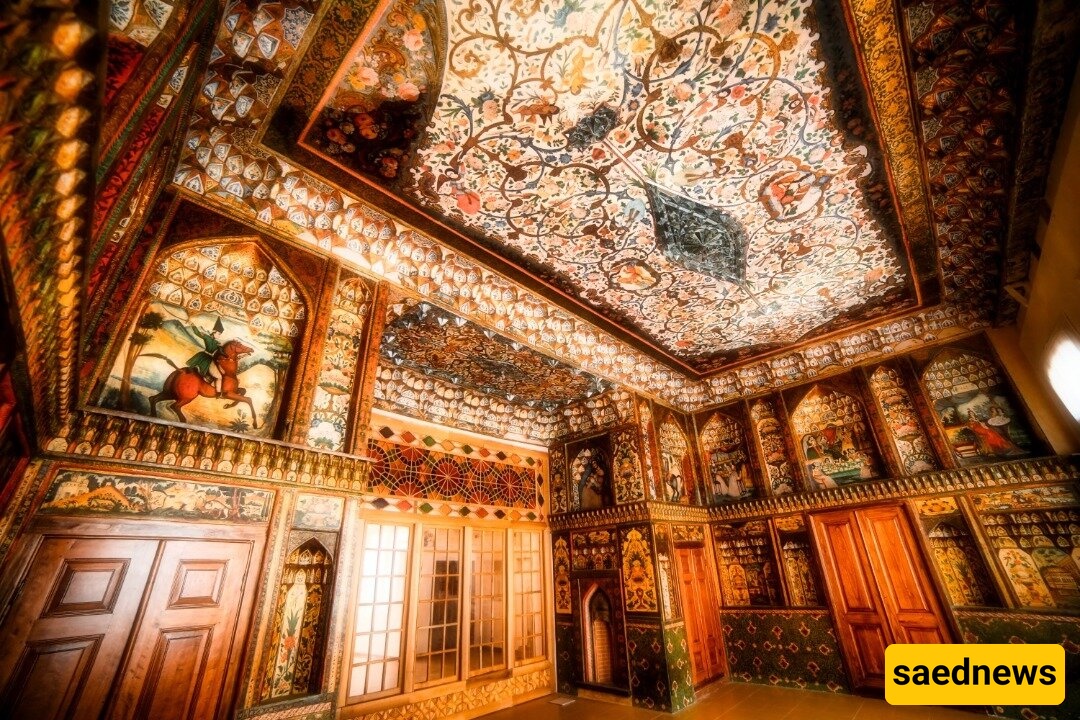
This house is located in the Gazavosh neighborhood, one of the old districts of the city of Bonab, on Shahid Beheshti Street (also known as Darya Street). The building dates back to the early Qajar period and is known as the Seyf al-Ulama House. It belonged to Sheikh Ali Qazi.
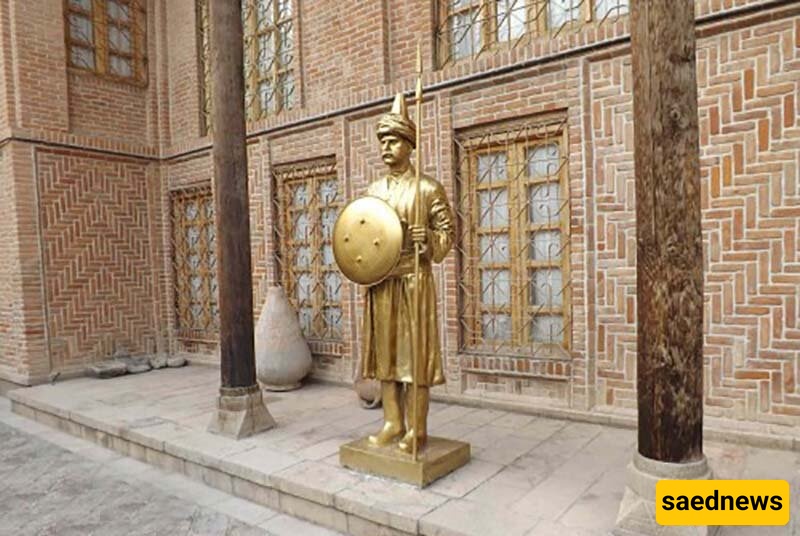
Known as “Dash Amarat,” this stone-built Qajar-era mansion is located in Varzeghan County. It was registered as a national heritage site in 2000.
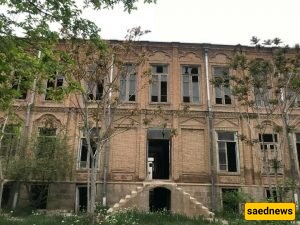
Despite the presence of around 800 historic houses in the old fabric of Tabriz, many are currently at risk of destruction. Experts and media outlets have repeatedly warned about the deterioration of these valuable cultural assets. Unfortunately, responsible institutions have not taken sufficient action, and these historic structures continue to disappear from collective memory.
Traditional Iranian historic houses typically include inner and outer courtyards, entrances, corridors, verandas, basements, kitchens, and seasonal living spaces designed according to local climate and cultural needs. Their architecture reflects efficient use of energy, local materials, and environmental adaptation.
According to cultural heritage and architectural experts, Iranian historic houses represent an essential part of national identity. Destroying or transferring them to unqualified owners could lead to the irreversible loss of cultural and historical identity.
Ultimately, the key question remains: Does Tabriz truly deserve its status as an exemplary Islamic tourism city and one of the most beautiful and developed cities in Iran?
With proper coordination between authorities and citizens, Tabriz has the potential to achieve its vision of becoming a global city and one of the most advanced cultural and historical destinations in the Islamic world. Its people have historically been pioneers in social, cultural, political, and economic fields, and Tabriz has long been known as the “City of Firsts.”