SAEDNEWS: Iran offers many great hiking routes, from mountain peaks to highland villages and waterfalls. But few places combine so many attractions in one destination like Laton Waterfall in Gilan. It offers hikers a journey through forests, highlands, and a stunning waterfall all in one trail.
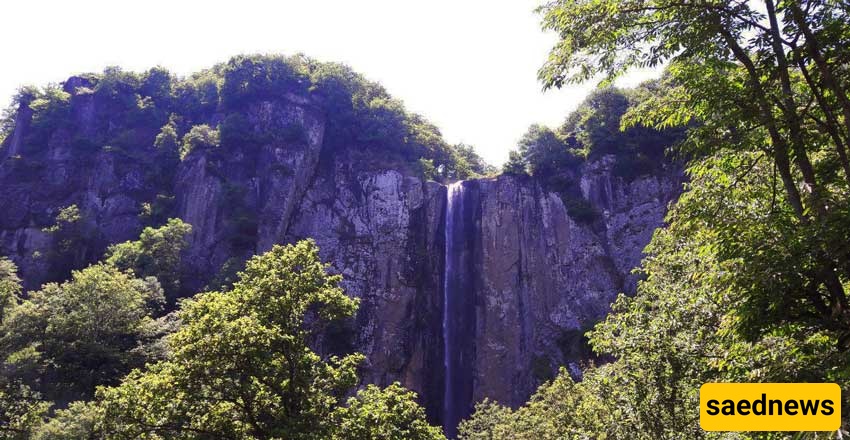
According to SaedNews Tourism Service, this article introduces Laton Waterfall as more than just a waterfall—it is a gateway to a beautiful forest, mountain lakes, pristine highland pastures, rivers, and opportunities for rock climbing. Before going into details, it is worth noting that Laton Waterfall in Gilan is the tallest waterfall in Iran, making it well worth a one-day trip.
Laton Waterfall is located about 15 kilometers south of Astara, and reaching it requires roughly a 6-kilometer hike. The appeal of this waterfall is not limited to its lush surroundings; its beauty changes dramatically in every season. Although the water flow may decrease slightly in some seasons, it never completely dries up and remains flowing year-round.
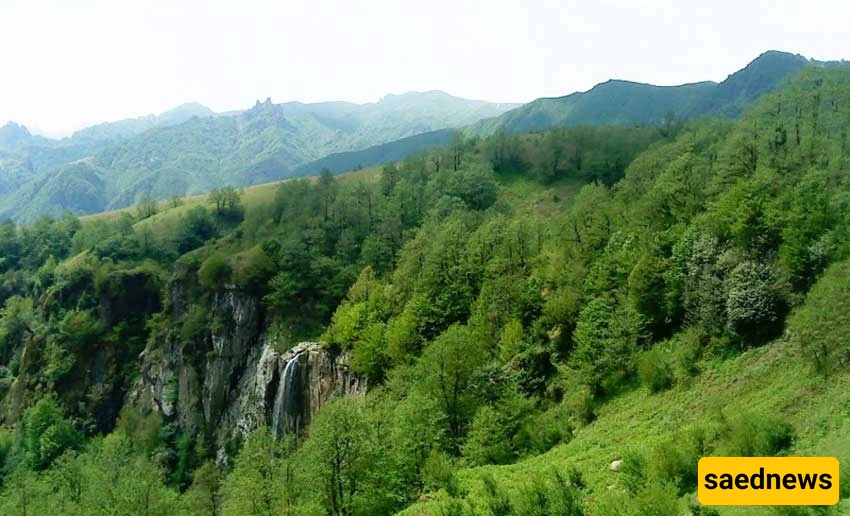
Laton Waterfall is situated west of the town of Lavandevil (a district of Astara), in a mountainous and pasture-rich region.
Although it is located in a remote area away from the city, access is relatively easy thanks to roads and villages along the route.
There are two main access routes:
Lavandevil route (from Gilan Province)
Soha route (from Ardabil Province)
Soha is both a village and a lake area, used as a starting point by travelers coming from Ardabil.
These two routes are quite different in nature.
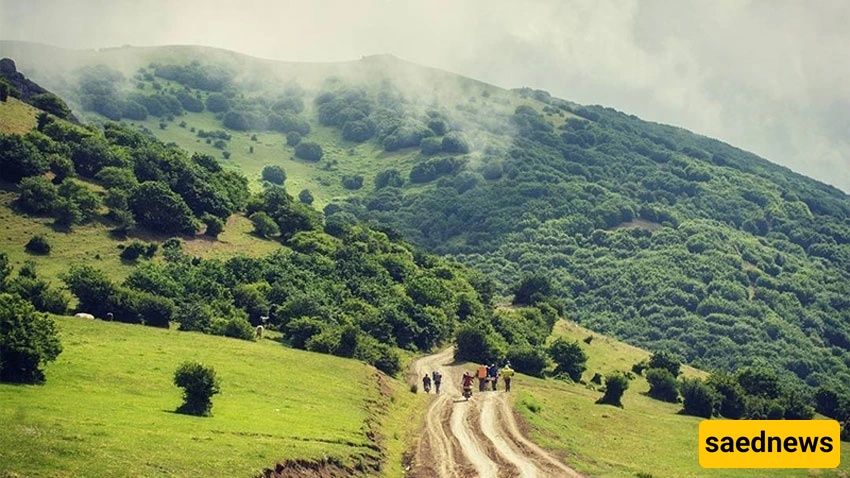
The distance from Lavandevil to Laton Waterfall is about 14 kilometers. Roughly half of this route up to the village of Kooteh Komeh is paved, while the remaining section is a dirt road up to about 1 kilometer from the waterfall. From there, a short forest hike leads to the base of the waterfall.
If you are traveling by regular car, this route is generally accessible up to Kooteh Komeh in most seasons when there is no snow. Beyond that, the dirt road may be passable only in dry conditions. During rainy weather, mud and slippery terrain make driving difficult, especially since the road is mountainous, steep, and lacks guardrails.
For those without a car or unwilling to drive on dirt roads, local villagers offer transportation using pickup trucks (commonly Nissan vehicles) for a fee to the end of the road. Off-road vehicles can usually handle the route without difficulty.
The final hiking section is clearly marked due to frequent visitors, with no confusing junctions.
This route is more challenging and mostly requires hiking, as there is no clearly defined road for much of the way.
The journey starts from Soha village. From Ardabil or Namin, travelers pass through Agh Baghloo and several rural villages before reaching Soha.
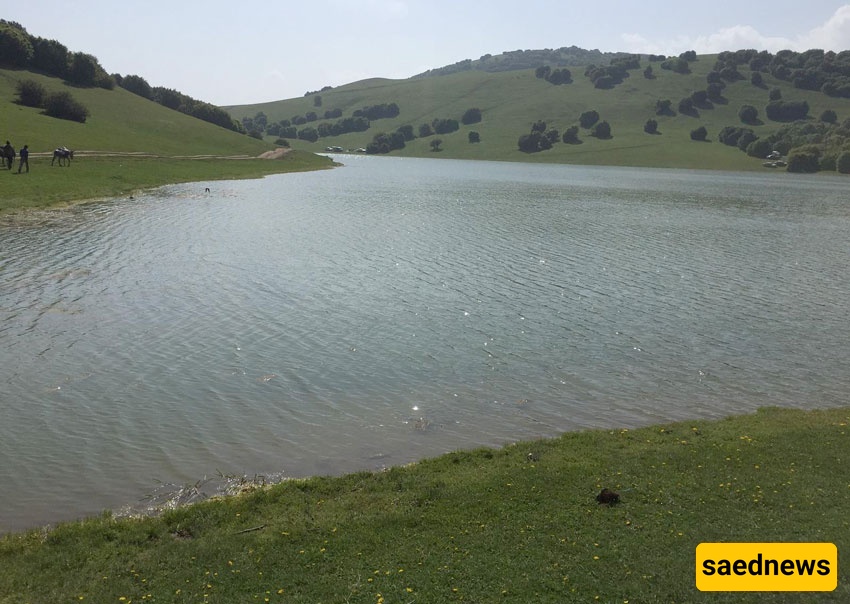
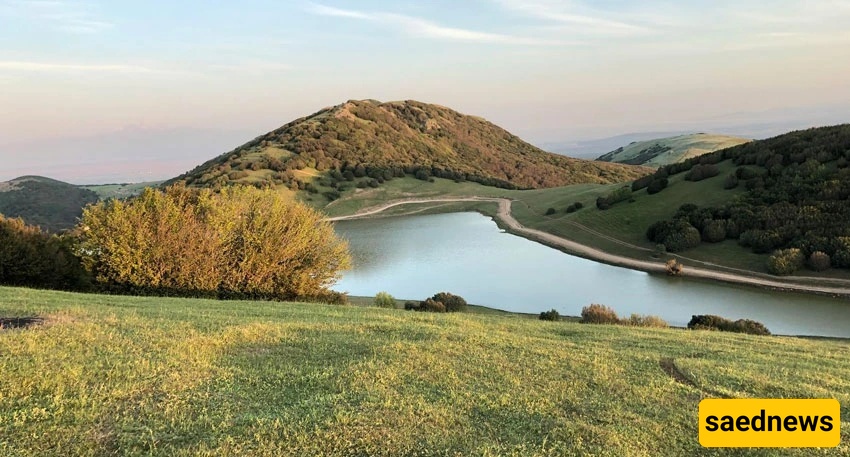
From Soha to Soha Lake, there is a 3-kilometer dirt road that can be accessed with local transport.
Beyond Soha Lake, there are no villages or settlements—only a simple rest shelter.
The Soha route is unmarked and requires navigation tools or local guides. GPS and hiking platforms like Wikiloc are strongly recommended. Although more scenic and adventurous, this route is not suitable for inexperienced hikers.
Many tour groups combine this route with a return through Kooteh Komeh and Lavandevil.
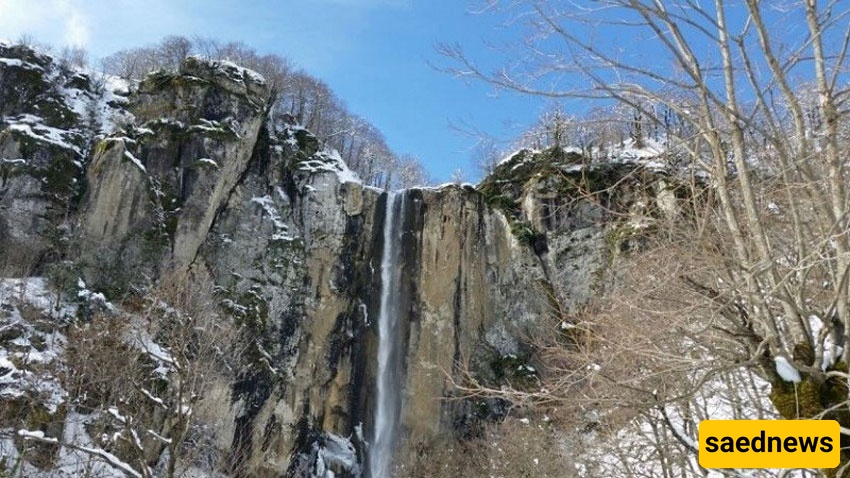
The main attraction is the waterfall itself: 105 meters high, with a constant flow of water. Even though its volume may decrease in certain months, it never stops completely. It is considered the tallest waterfall in Iran.
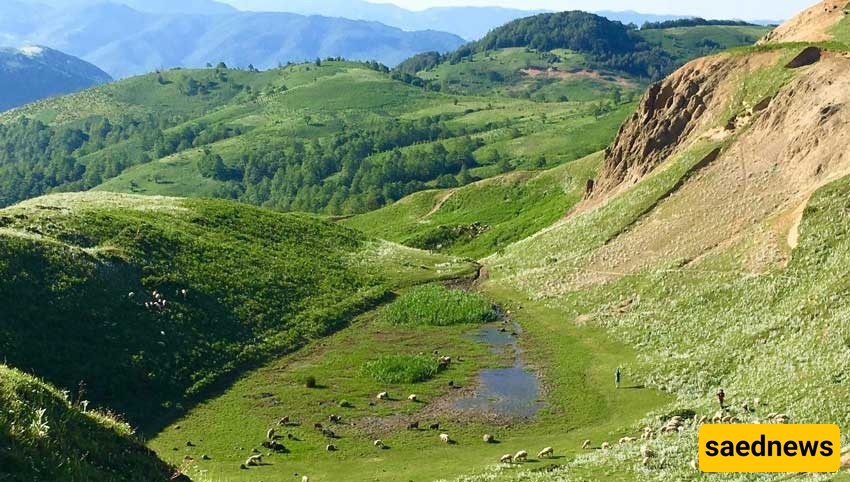
Another reason is the spectacular journey. Both access routes offer breathtaking landscapes. On clear days, the waterfall can even be seen from about one kilometer away—ideal for photography.
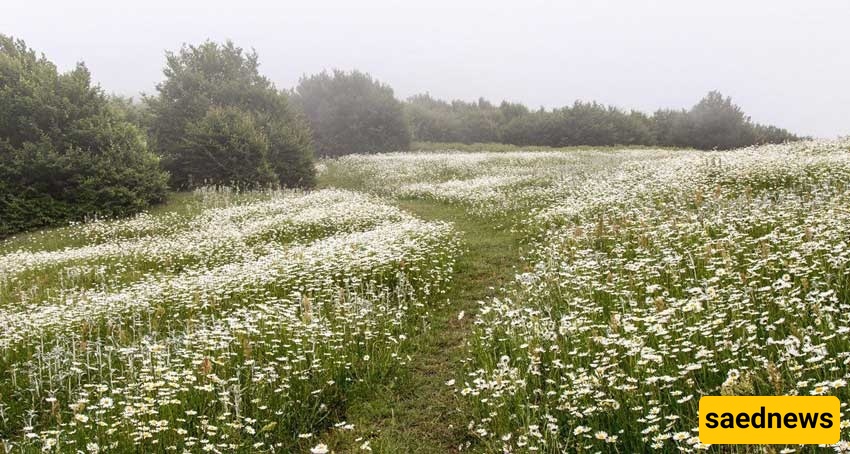
The Soha route in particular includes:
A lake and open landscapes
Fields of wild chamomile and poppies
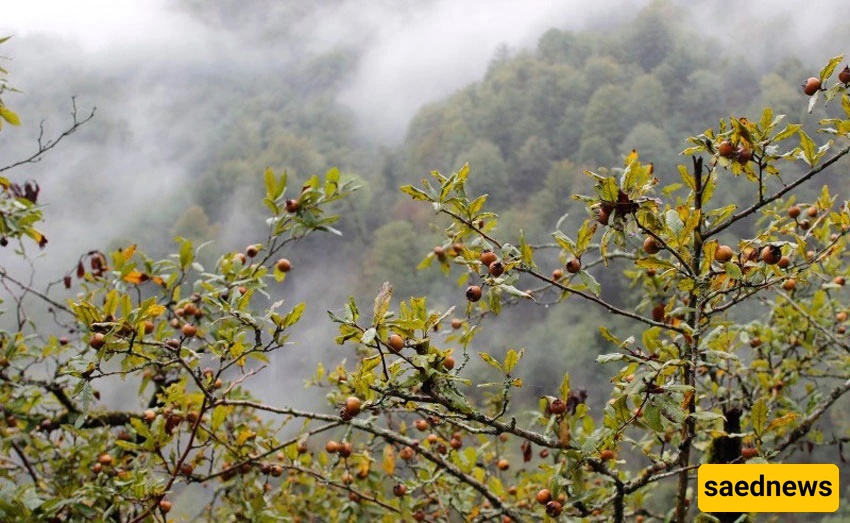
Dense Hyrcanian forests with wild fruit trees such as medlar, sour pomegranate, and wild strawberry
Highland pastures used by local herders
Views of Mount Spinans and the river feeding the waterfall
The local people are mostly Talysh, engaged in animal husbandry. Visiting the area offers a close look at traditional rural life far from urban environments.
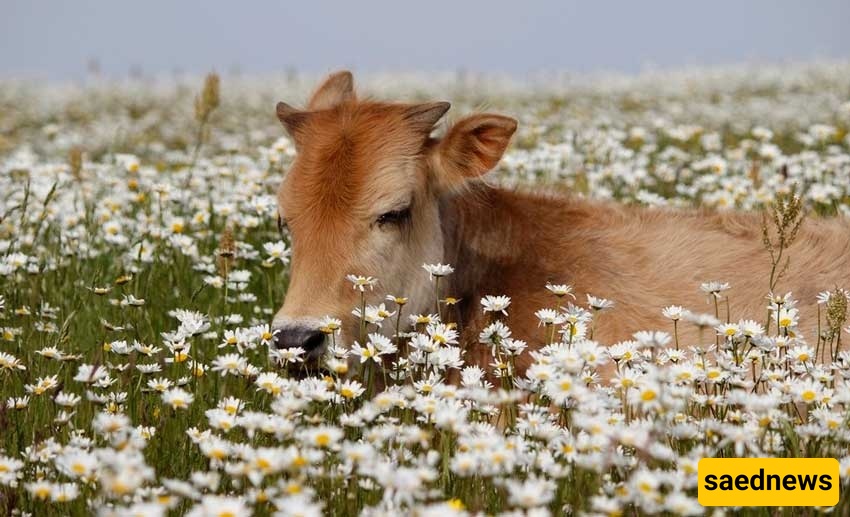
The climate is generally mild and four-season, but mountainous areas are colder and forests are often misty for most of the year.
Summer temperatures may reach around 35°C
Winter temperatures can drop to around 0°C
The best time to visit is from early spring (March–April) to early autumn (September–October). Summer is lush and green but can be humid.
Laton Waterfall is surrounded by dense forests and rich biodiversity. Tree species include oak, wild plum, hawthorn, apple, medlar, maple, walnut, and hazelnut.
Wildlife in the region may include porcupines, horses, wolves, wild boars, bears, and sheep.
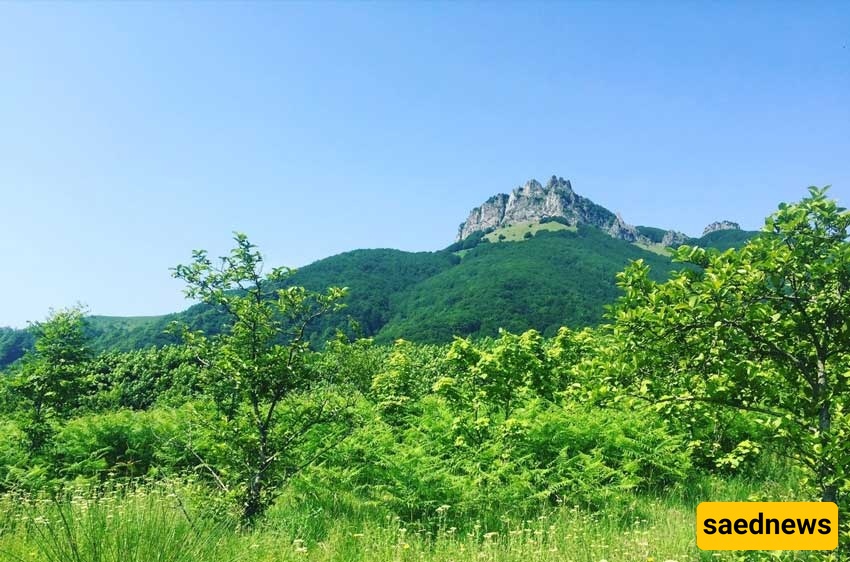
The waterfall originates from Mount Spinas, which is 2,105 meters high. Water flows through natural pools and smaller waterfalls before reaching Laton. After passing the waterfall, the river continues toward the Caspian Sea via the Lavandevil River.
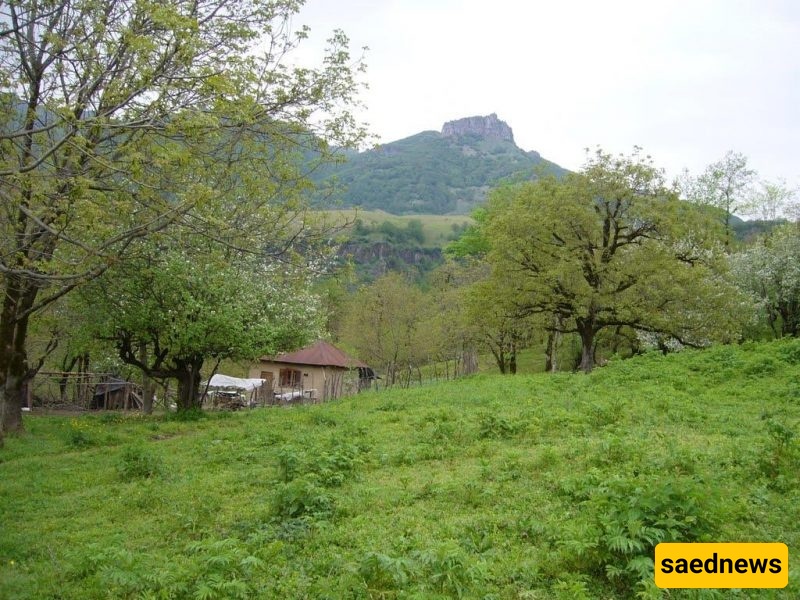
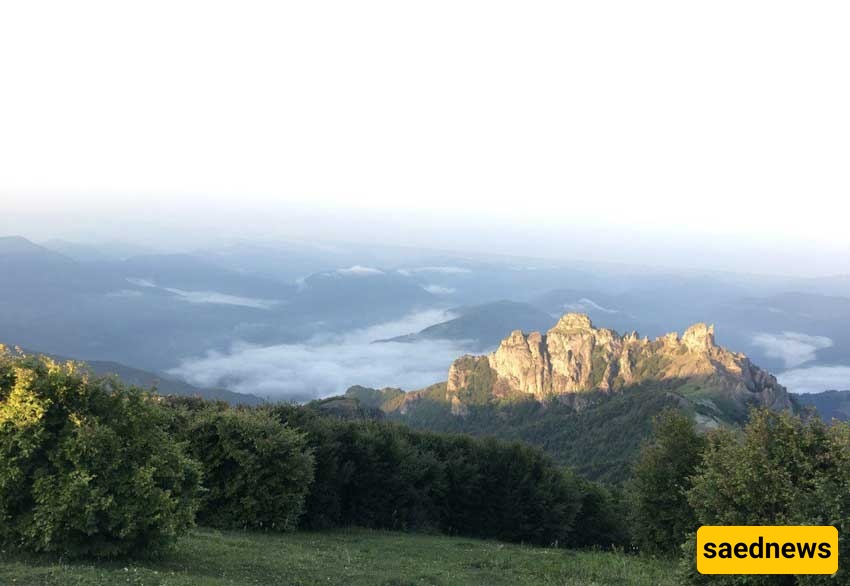
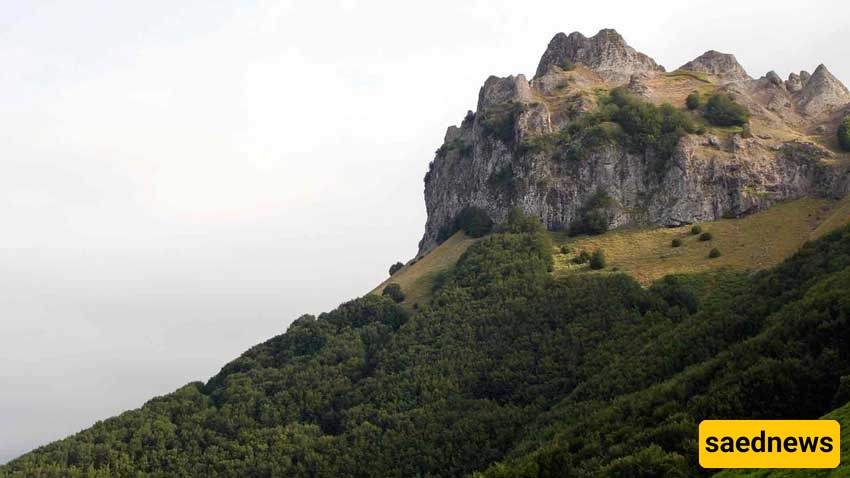
A prominent peak visible in many photos of Laton Waterfall, with a cliff-like appearance resembling a fortress. It is the highest peak in the Lavandevil and Astara region.
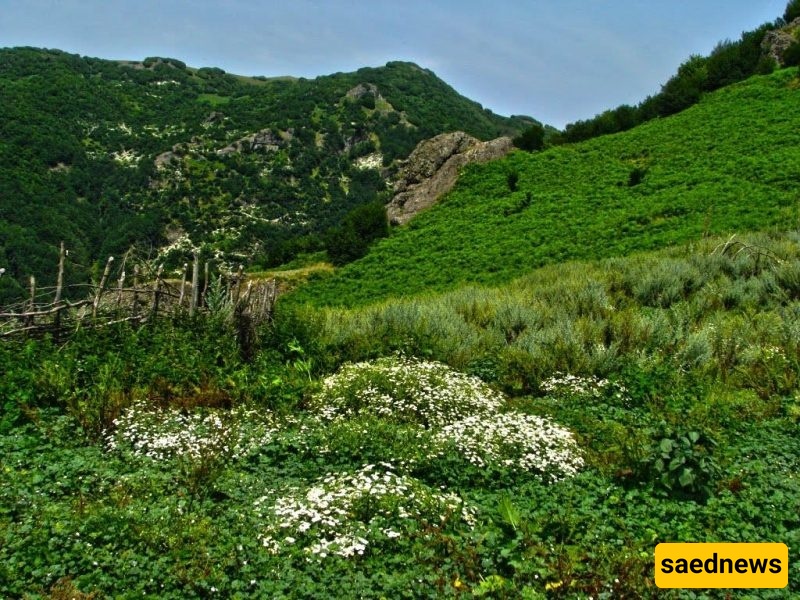
A scenic pasture area with seasonal grazing livestock, located toward the Ardabil side.
The closest village to the waterfall, offering natural hot springs, old mills, and historical sites.
A unique forest hot spring with basic amenities such as showers, pools, parking, and food stalls. It is considered the only forest hot spring of its kind in Iran.
Near Laton, there are several natural pools and smaller 10-meter waterfalls. The area between the main cascades includes steep and dangerous cliffs, requiring caution.
A castle-like formation on Mount Spinas, sometimes attributed in local belief to Babak Khorramdin, although historical evidence is not confirmed.
A one-day round trip is possible, but overnight stays can be arranged in Kooteh Komeh, where simple guesthouses are available.
Camping in the forest is not recommended due to rapid weather changes and the presence of wildlife such as wolves and wild boars.
Facilities along the routes are basic, including small shelters for rest, food, and water refills.
Most visitors stay in nearby cities such as Astara or Ardabil, both of which have many attractions.
The Fandoqlu Forest, located between Gilan and Ardabil provinces, is another nearby natural destination known for its unique landscapes and cable car facilities.