SAEDNEWS: Iran is home to a wide range of cultural and historical attractions, including streets that are not only well-known among Iranians but also recognized and admired around the world. In the following, join Saad News as we take a closer look at some of the most famous streets in Iran.
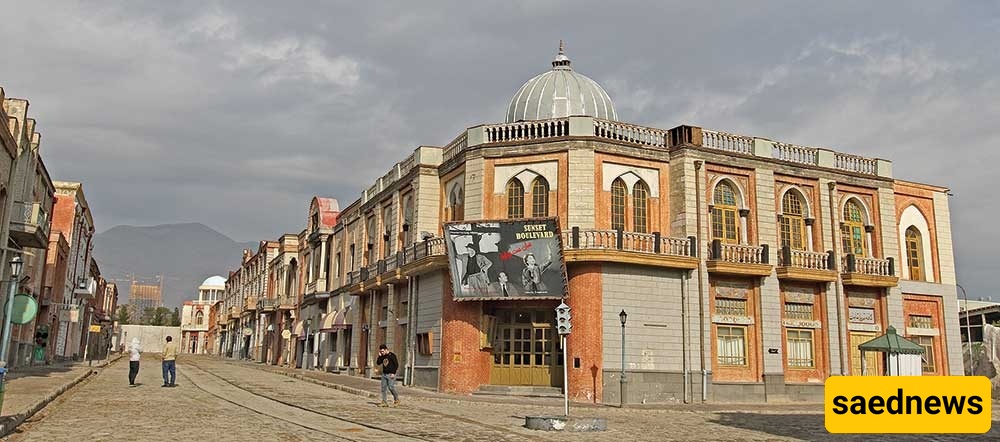
Streets in the past were natural roads and waterways that enabled movement and transportation. With the rise of urbanization and the formation of cities, streets gradually became the main routes for traffic within urban areas. Today, streets are an inseparable part of cities, serving as pathways for vehicles and people alike.
However, streets are not just simple transit routes; they are also places for walking and creating lasting memories. These memories have turned some streets in Iran into the most beloved and famous ones. Many people have at least one memorable experience in these streets. Having witnessed many historical events, these streets are living parts of urban history. Today, they are not only popular among locals but have also become tourist destinations for both domestic and international visitors.
Lalehzar Street, once a symbol of modernization and art during the Qajar era, has long been known as the “Champs-Élysées of Tehran.” It is one of the oldest streets in Tehran, stretching from Imam Khomeini Square in the south to Enghelab Street in the north.
It was ordered by Naser al-Din Shah after his return from Europe, with the aim of creating an Iranian version of the Champs-Élysées. The street once hosted grand hotels, cafés, theaters, cinemas, and historic houses, all representing the art and culture of old Tehran. Today, it remains a historical attraction for tourists interested in Tehran’s cultural heritage.
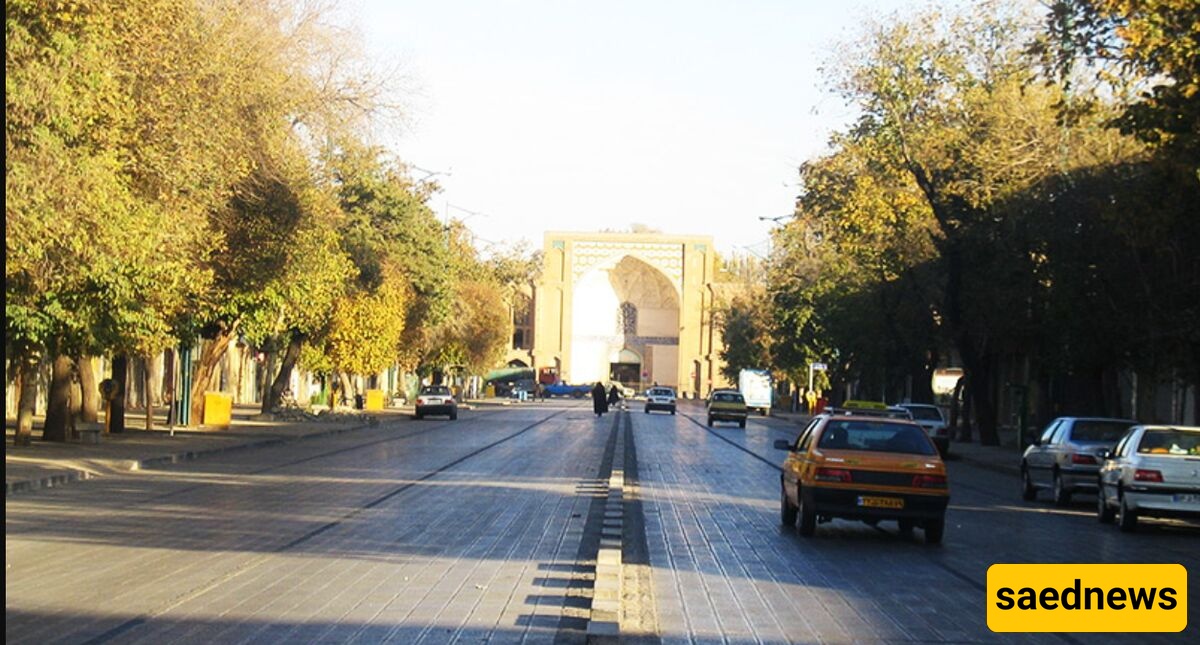
Sepah Street in Qazvin is recognized as the first modern street in Iran and was registered as a national heritage site in 2008. It was designed during the Safavid era when Qazvin was the capital of Iran.
This street is one of the most important urban developments of the Safavid period and represents the first organized urban space for movement. It connects Jameh Mosque of Atiq in the south to Ali Qapu Mansion in the north. Today, it lies in the historic heart of Qazvin and is paved with stone, attracting many tourists who come to experience the city’s history and culture.
Taq Bostan Boulevard is one of the oldest and most beautiful streets in Iran. Its green space is so attractive that it draws not only tourists but also local residents who use it for walking and exercise.
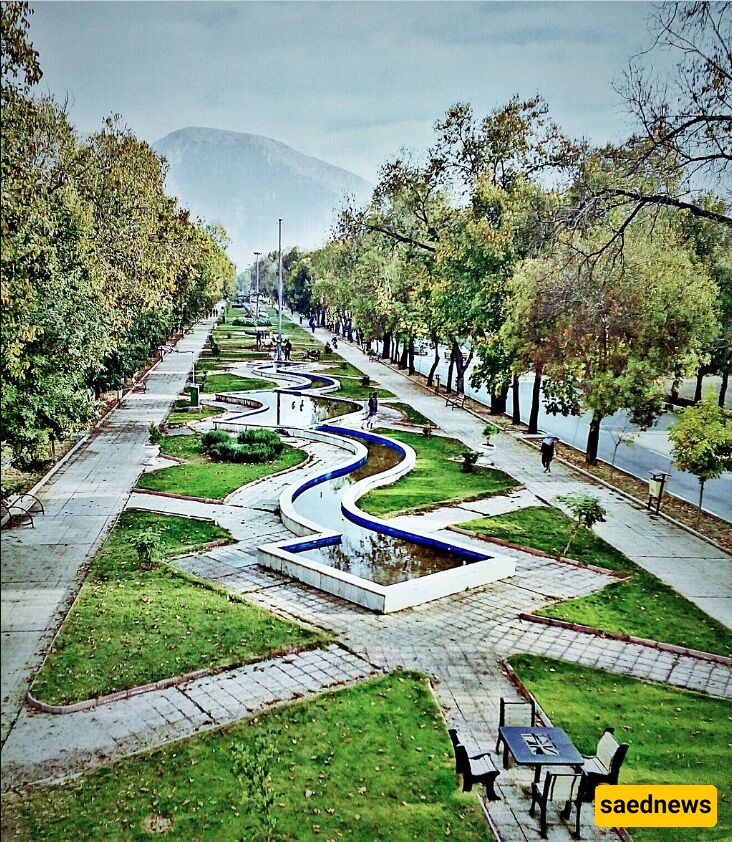
Built between 1969 and 1972, it is 3,600 meters long and is considered one of the longest forest boulevards in Iran. It begins at Taq Bostan Square in the north of Kermanshah and extends to Lab-e Ab Bridge.
The boulevard serves as a major route connecting residential areas and passes several important intersections and squares. During the Iran-Iraq War, its name was changed to Martyr Shiroodi Boulevard, but it is still commonly known as Taq Bostan Boulevard.
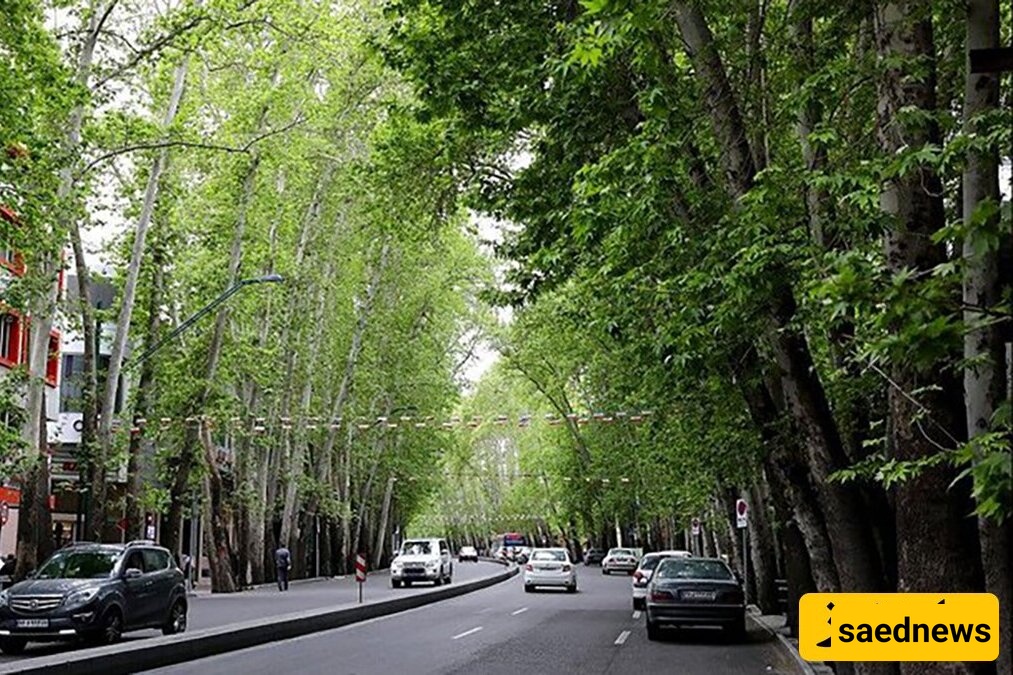
Valiasr Street is the longest street in the Middle East and the longest tree-lined street in Tehran. It stretches about 11.9 kilometers from Rah Ahan Square in the south to Tajrish Square in the north.
Originally designed under Reza Shah Pahlavi, it was formerly called Pahlavi Street before the 1979 revolution. It contains more than 8,000 plane trees, making it a green landmark of the city.
Important landmarks such as the City Theater, IRIB headquarters, Mellat Park, Saei Park, Marble Palace, universities, hospitals, museums, and cultural centers are located along or near this street. A walk along Valiasr reveals the full atmosphere of Tehran.
It is one of the most memorable streets of the capital, full of personal and collective memories. One of its modern attractions is its colorful staircases, which have become a popular spot for photographers and tourists.
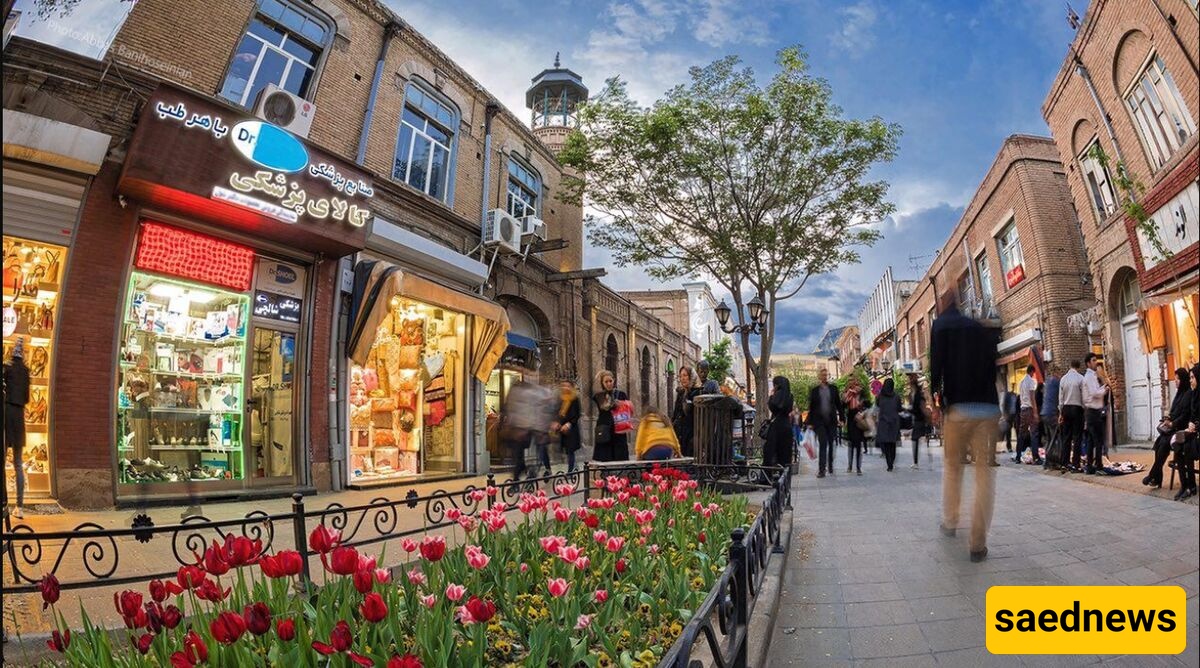
Tarbiyat Street is one of the oldest and most famous streets in Tabriz, established in 1929. It was named after Mohammad Ali Khan Tarbiyat, the mayor of Tabriz at that time.
Before its modern design, this street was part of the Silk Road, which contributed to its historical importance. It connects key administrative buildings and is surrounded by historic attractions such as Shishehgar Khaneh Bazaar, Shaban Mosque, and Prince Zia-od-Dowleh Mansion.
Today, vehicle traffic is prohibited, and visitors can explore the historic fabric of Tabriz on foot, experiencing its traditional culture and lifestyle.
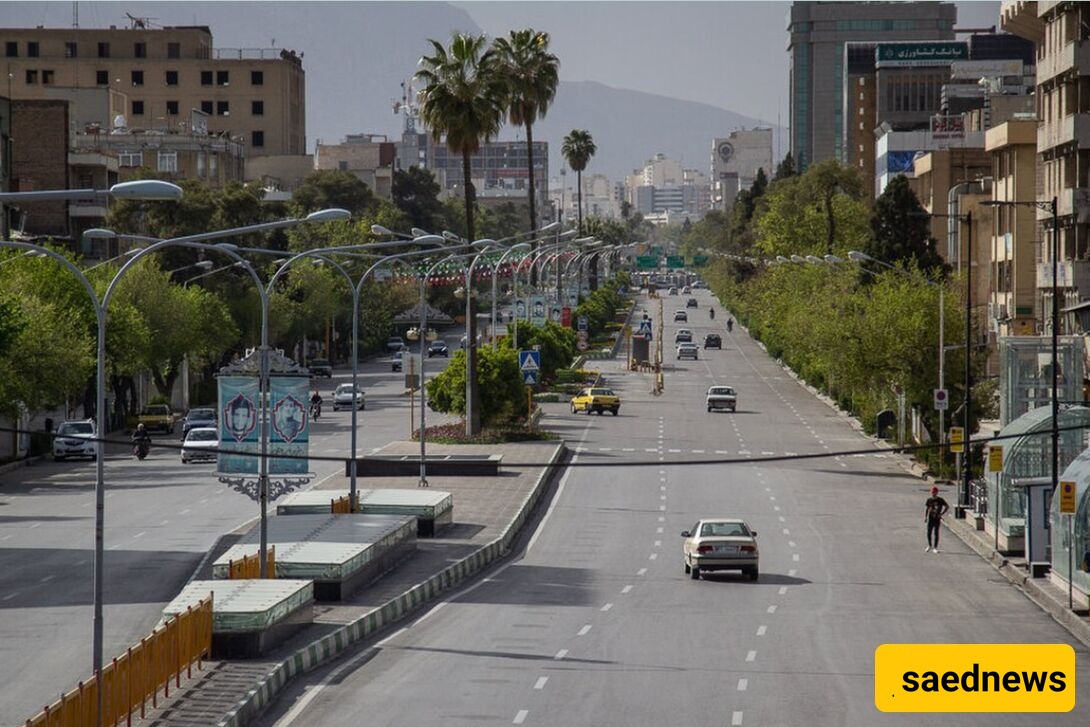
Karim Khan Zand Street is one of the most famous streets in Iran and the main commercial artery of Shiraz. With a length of four kilometers, it is one of the oldest and most important streets in the city.
It was inspired by the Chahar Bagh design of Isfahan during the Safavid era. Around this street are major cultural, historical, political, and economic landmarks such as Karim Khan Citadel, Vakil Bazaar, Narenjestan Garden, Zinat al-Molk House, Eram Hotel, and Shiraz Municipality.
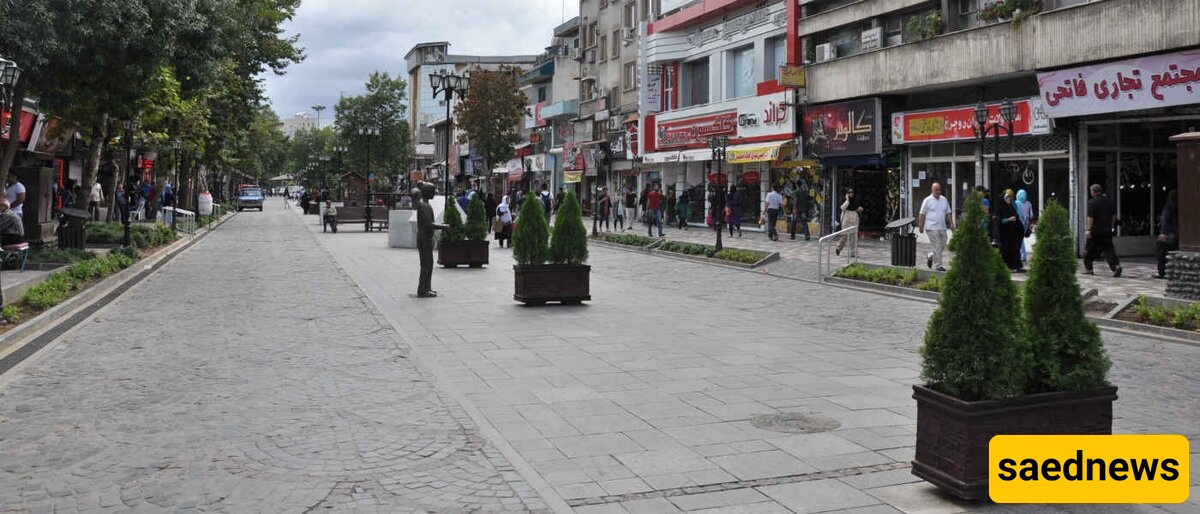
Alef al-Hoda Street is one of the oldest and most beautiful streets in Rasht. It connects Municipality Square to Sabzeh Meydan. This 275-meter-long pedestrian street is paved with stone and welcomes many local and international tourists.
Vehicle traffic is prohibited, making it a cultural and artistic walking path in the heart of Rasht. It is named after Ayatollah Alef al-Hoda, a revolutionary cleric and judge associated with Mirza Kuchak Khan Jangali.
Walking here in any season offers a memorable experience of the city’s culture and atmosphere.
Iran, as one of the most beautiful countries in the Middle East with a rich cultural and historical heritage, is also home to many charming and historic streets within its cities. Famous streets can be found in Tehran, Qazvin, Rasht, Shiraz, and Tabriz. These streets, shaped by centuries of history, have become unique tourist destinations, reflecting the living memory of Iranian urban life.