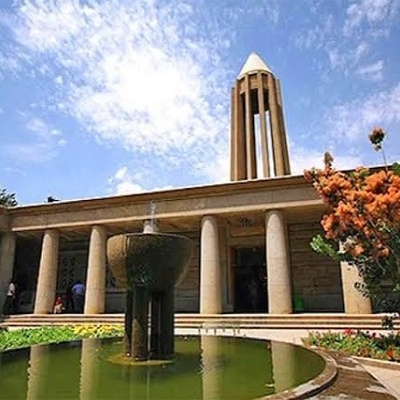
SAEDNEWS: Near Yazd, the Karakal Desert offers golden sand dunes, quiet landscapes, and clear star-filled skies. It combines natural beauty and calm, creating a memorable desert experience.
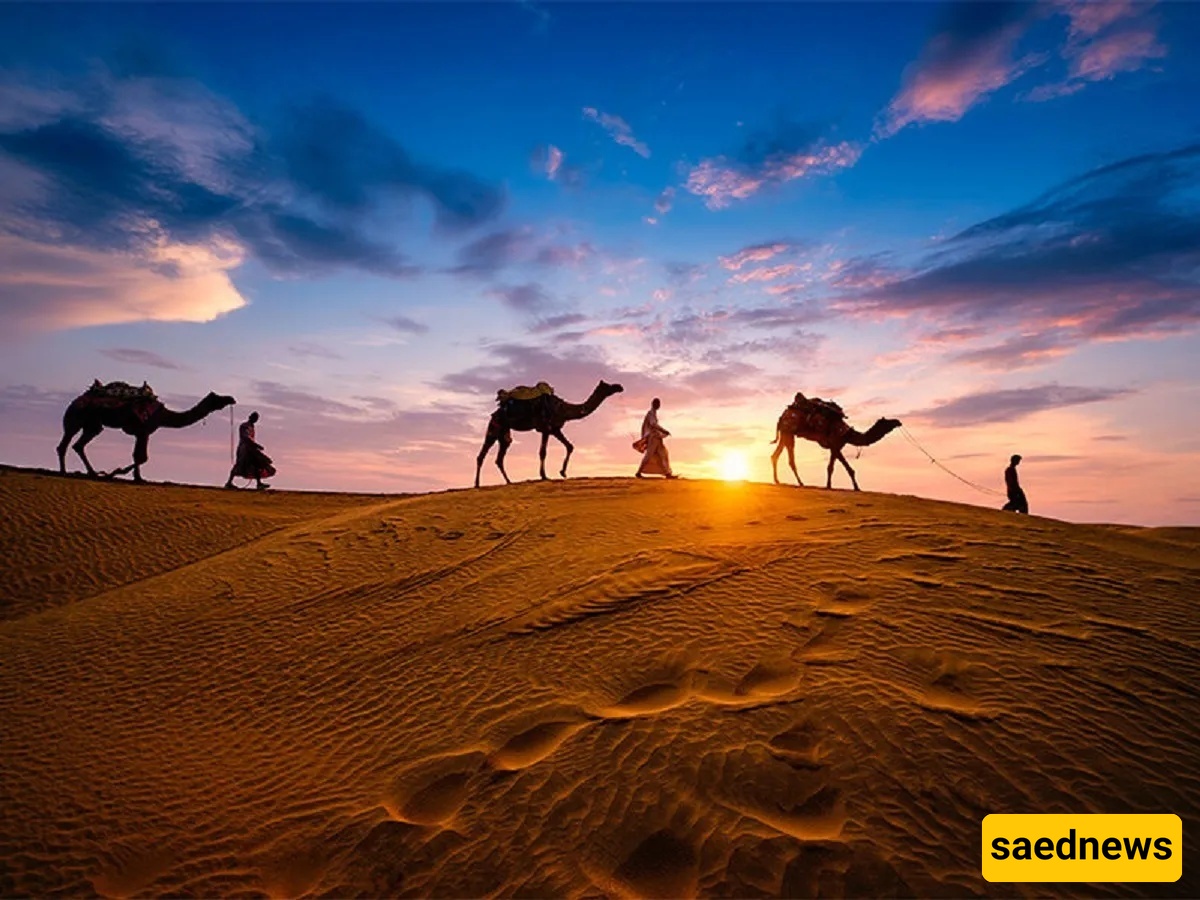
According to Saednews, Karakal Desert is one of Iran’s most beautiful and least-known desert regions. With its golden sand dunes, deep silence, and star-filled skies, it offers travelers a completely different experience. It is a place to escape the noise of cities, find true calm, and reconnect with nature.
Walking on warm sands, watching sunrise and sunset, and spending the night under an endless sky of stars create unforgettable memories that stay with every visitor for a lifetime. This article introduces the natural beauty, activities, and local culture of the Karakal Desert in a vivid and accessible way.
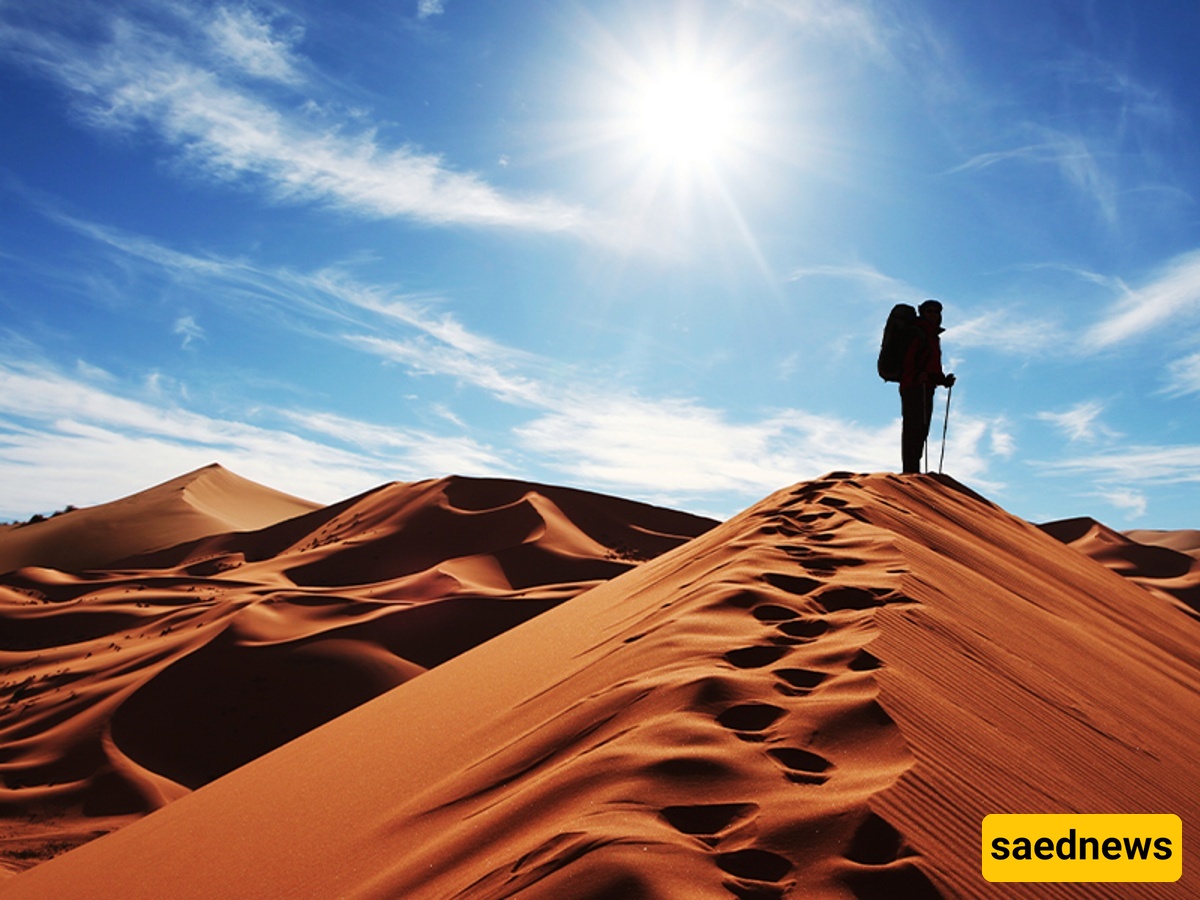
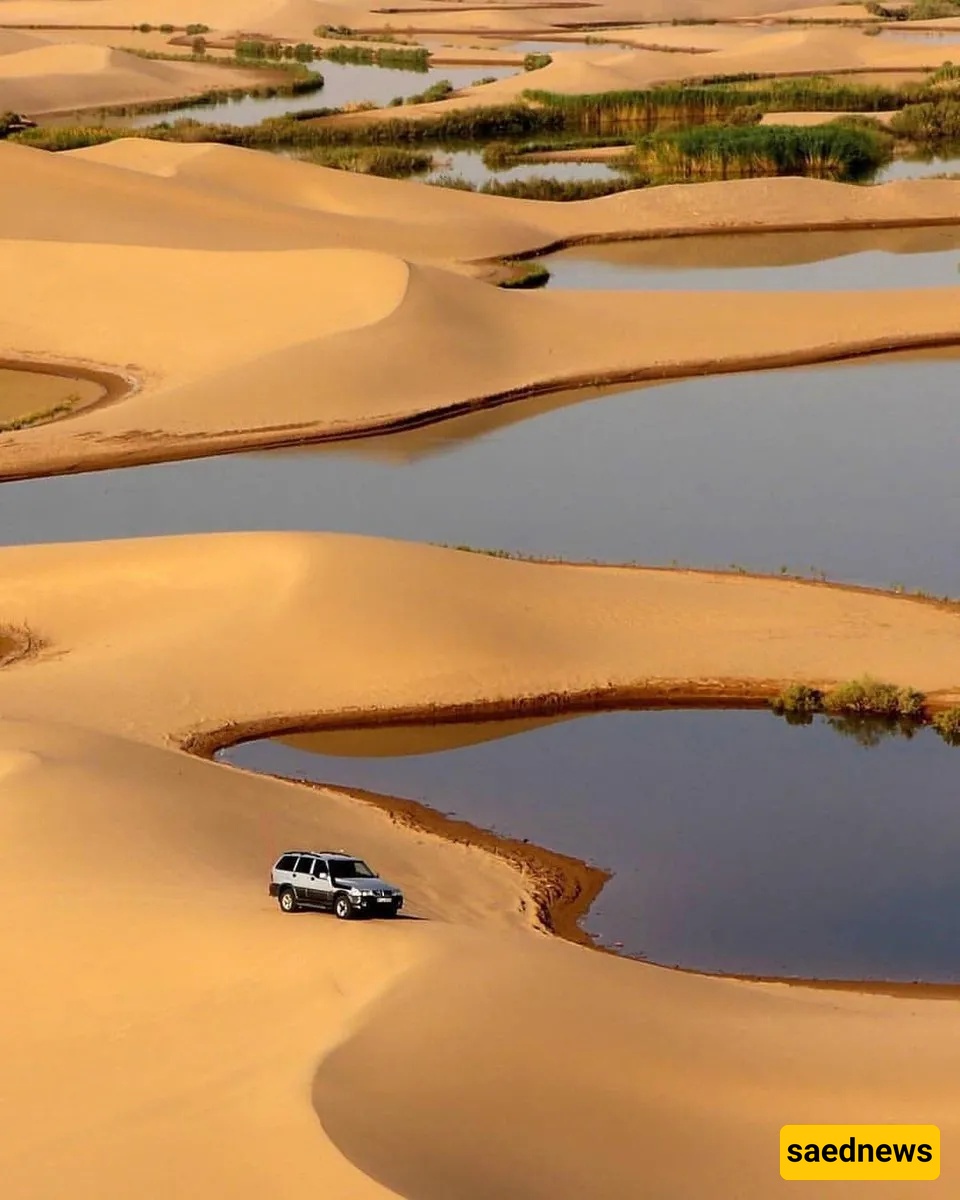
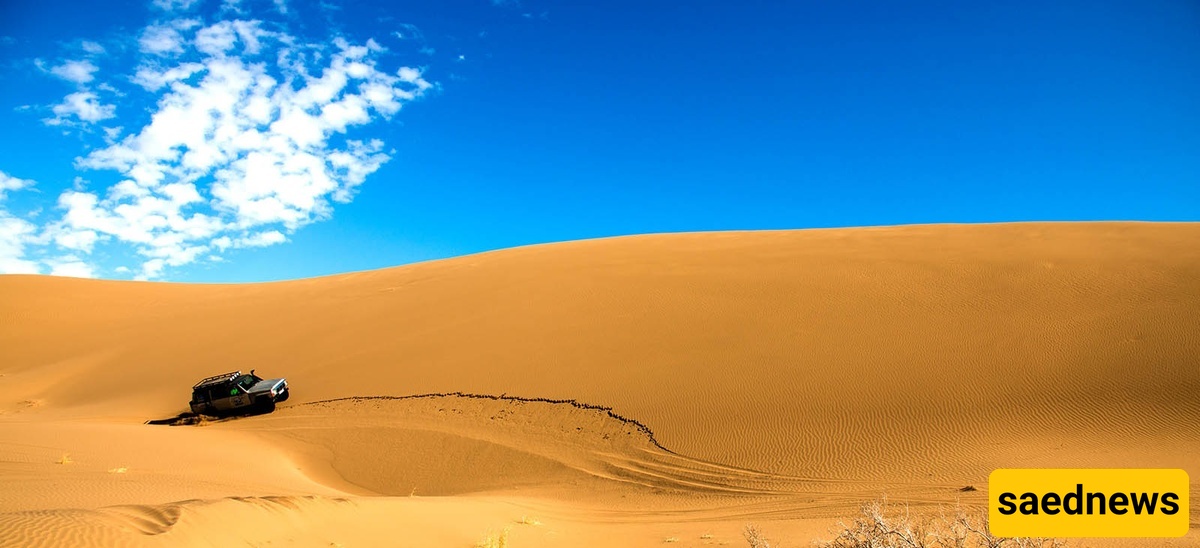
The soft, wave-like sand dunes are among the main attractions of Karakal Desert. At sunrise, gentle morning light spreads across the dunes, creating delicate shadows and stunning patterns that captivate every viewer. At sunset, the desert transforms into a dreamlike scene, with sands glowing in shades of gold, orange, and red along the horizon.
At night, the desert becomes a place of deep silence and breathtaking clarity. The sky, free from light pollution, reveals countless stars and creates a peaceful, almost otherworldly atmosphere.
Visitors can hear the wind moving across the sand, experiencing a sense of timelessness and absolute silence—something impossible to find in busy cities. The sparse vegetation and small desert animals such as lizards and local birds add to the region’s untouched beauty, while animal tracks in the sand offer glimpses of hidden desert life.
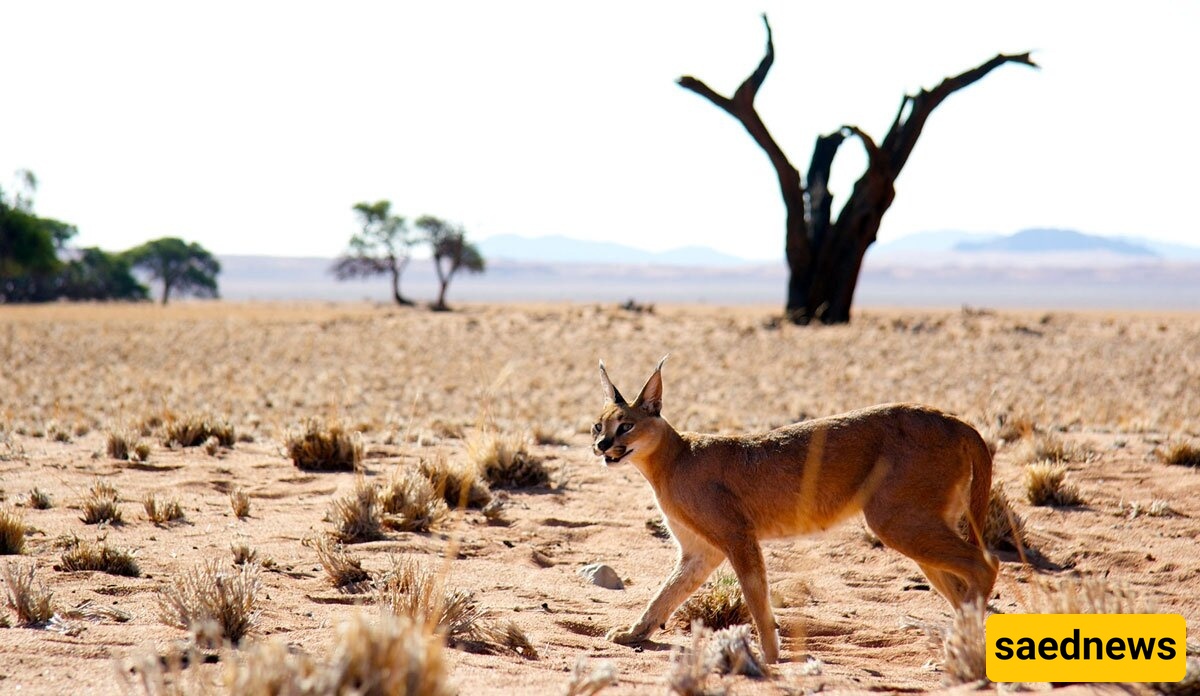
The name “Karakal Desert” comes from the caracal, a rare wild cat that once lived in this region. The caracal, known for its speed and agility, is a small wild feline species. Although it is rarely seen today, its presence gave the desert its distinctive name and identity, attracting the curiosity of travelers and nature lovers.
Karakal Desert hosts a unique ecosystem adapted to arid conditions. Mammals include caracals, desert foxes, small wolves, desert squirrels, and desert mice. Birds also play an important role, with falcons, local eagles, and other species adapted to dry and semi-dry environments commonly seen in the area.
Despite harsh conditions, plant life is surprisingly diverse. Hardy shrubs such as salt-tolerant plants and desert-adapted species grow here, along with flowering and succulent plants. These plants not only enhance the beauty of the landscape but also provide essential habitats for wildlife.
A journey to Karakal Desert also offers the opportunity to experience local culture and traditions. The hospitality of local people, traditional foods, and handmade crafts make the trip more meaningful and memorable.
Visitors can observe carpet weaving, traditional bread baking, and the preparation of local products such as dates and natural honey. In some cases, travelers may even participate in these activities. Such experiences enrich the journey while supporting the local economy and preserving cultural heritage.
Karakal Desert offers a wide range of activities for visitors:
Camel riding, a peaceful and traditional way to explore the desert
Safari and off-road driving, for adventure seekers
Sandboarding, combining sport and fun on the dunes
Camping and overnight stays, offering a chance to enjoy the star-filled sky and complete silence
Photography enthusiasts can capture breathtaking moments of sunrise, sunset, and night skies. Some local tours also include stargazing programs and educational experiences about desert wildlife and plants.
Several attractions near the desert enrich the travel experience. The city of Bafq is the closest urban center, offering accommodation and local markets. The historic city of Yazd, about 110 kilometers away, provides rich cultural and architectural heritage.
Nearby villages allow visitors to experience traditional lifestyles, while historical wells, mines, and Bagherabad Castle add historical depth to the region. Palm groves and gardens along the route also offer a refreshing contrast to the desert landscape.
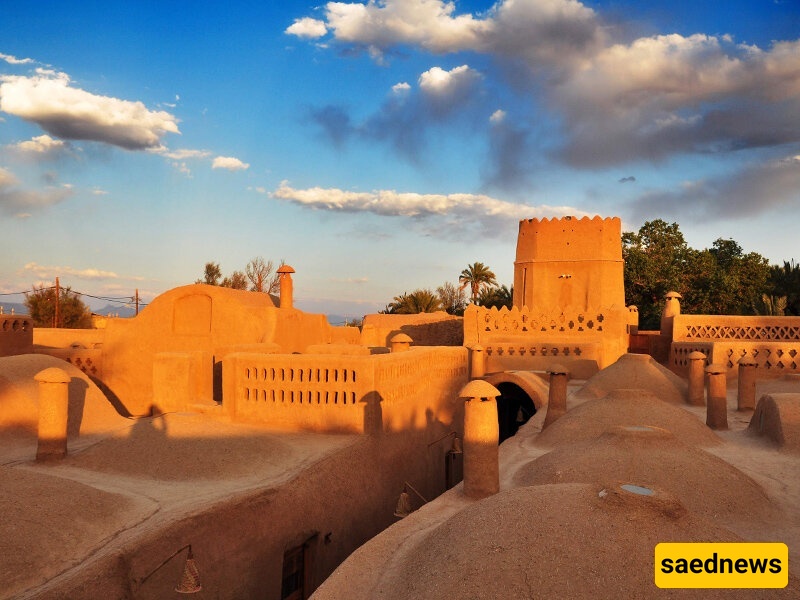
To reach Karakal Desert, travelers typically first arrive in Yazd and then travel about 110 kilometers toward Bafq. From Bafq, a further 15-kilometer drive along a secondary and dirt road leads to the desert area.
Using suitable vehicles or joining local tours is recommended for safety and comfort. Essentials such as water, proper footwear, sunscreen, sunglasses, and appropriate clothing are strongly advised.
To preserve the desert’s natural beauty, visitors should follow responsible travel practices:
Carry out all waste
Stay on designated paths
Avoid loud activities
Use certified local guides
Respect wildlife and vegetation
Control campfires and minimize night lighting
These practices ensure a safe, enjoyable, and sustainable experience for everyone.
Buying handicrafts, hiring local guides, and staying in eco-lodges directly support the livelihoods of local residents. Participating in cultural activities such as cooking traditional meals or learning local music also creates a more authentic and memorable travel experience.
With its stunning landscapes, unique wildlife, starry skies, diverse activities, and rich local culture, Karakal Desert is a remarkable destination for travelers. Respecting the environment ensures that this natural treasure remains preserved for future generations, while offering visitors an unforgettable journey of discovery, peace, and adventure in the heart of Iran.