SAEDNEWS: Images of the Apadana Palace in Susa from the Era of Darius the Great
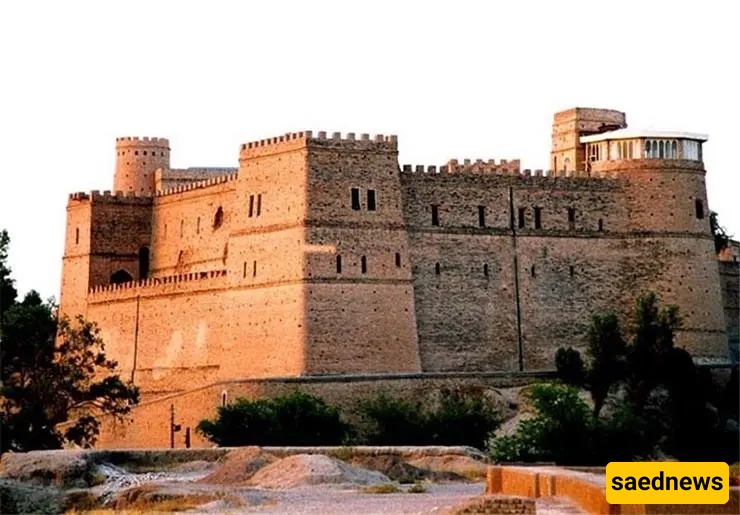
According to Saed News’ Social Affairs Service, the Apadana Palace in Shush was built by order of Darius the Great around 521–515 BCE. The palace’s mud-brick walls and stone columns stand atop the remnants of the Elamite civilization. Shush, previously the cradle of the first coherent civilization within the borders of Iran—the Elamite civilization—is considered one of the oldest cities in Iran and in human history. Archaeologists have traced the settlement of farmers in excavations in this city back to 9000 BCE. This community gradually became more organized between 5000 and 4000 BCE, eventually transforming into an urban settlement.
To reach this ancient city, one must drive 40 kilometers from Andimeshk along a green route toward Shush. This historically significant city was inscribed on UNESCO’s World Heritage List in 2015.
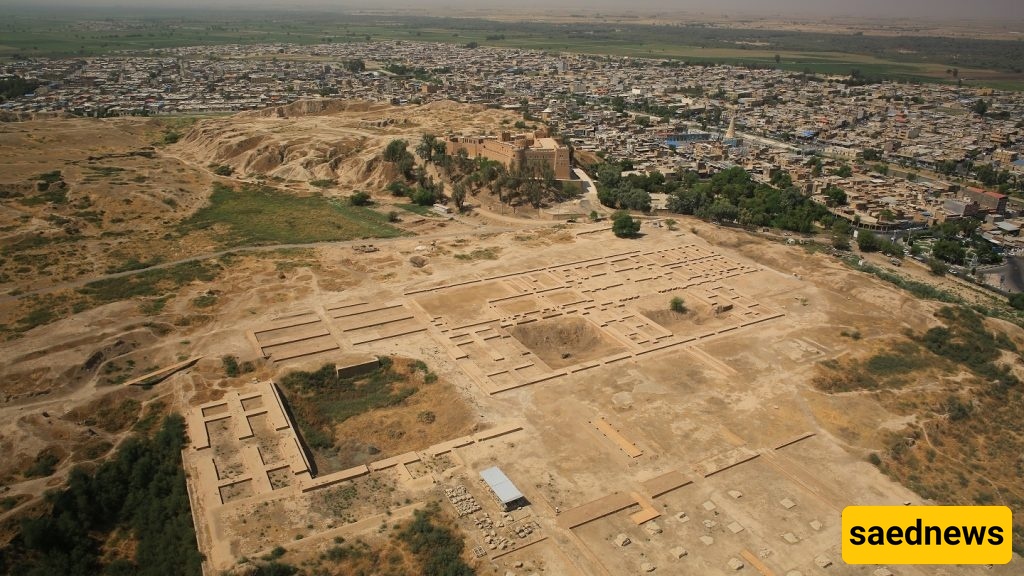
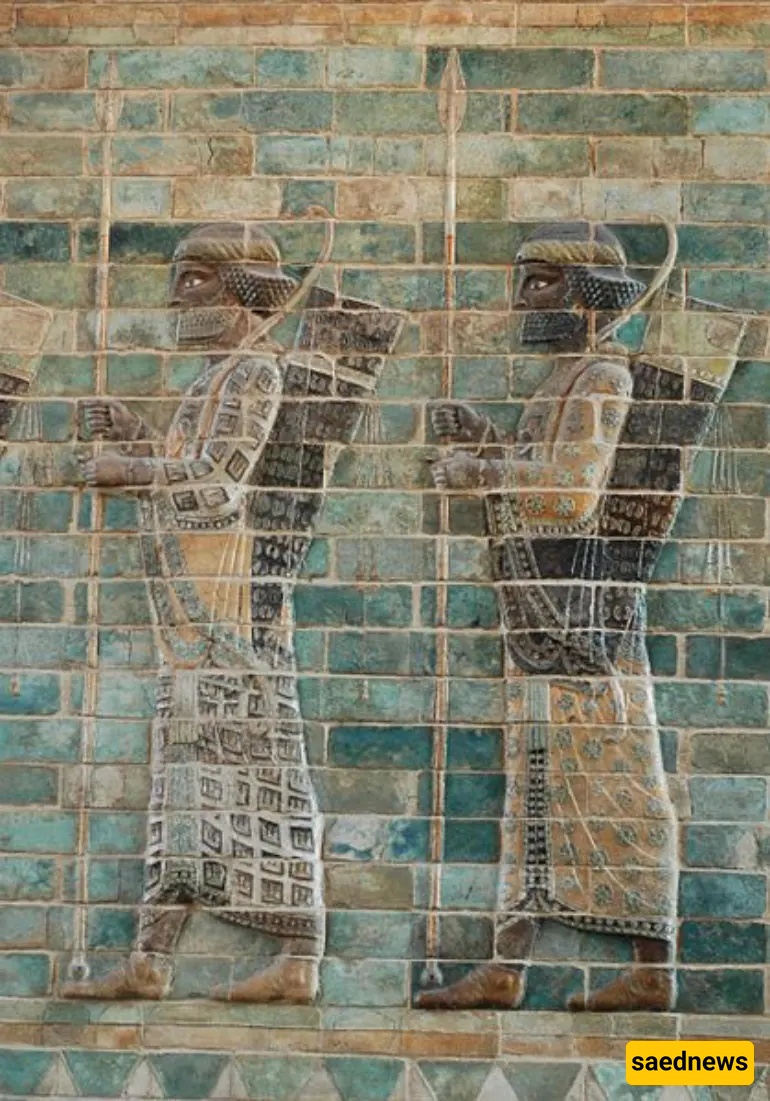
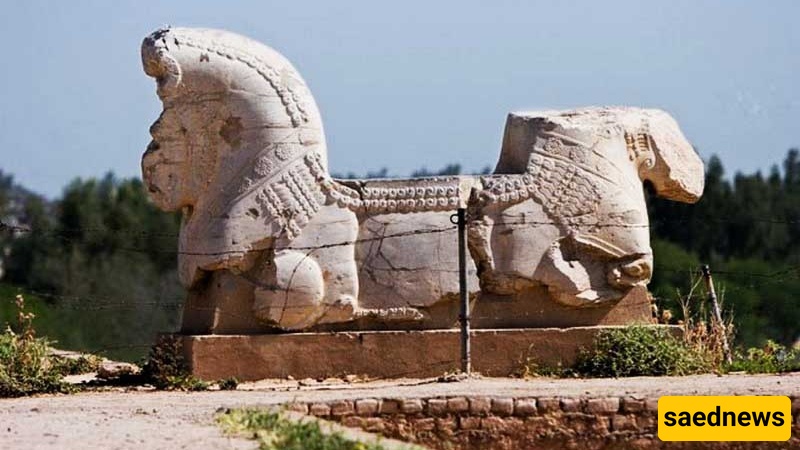
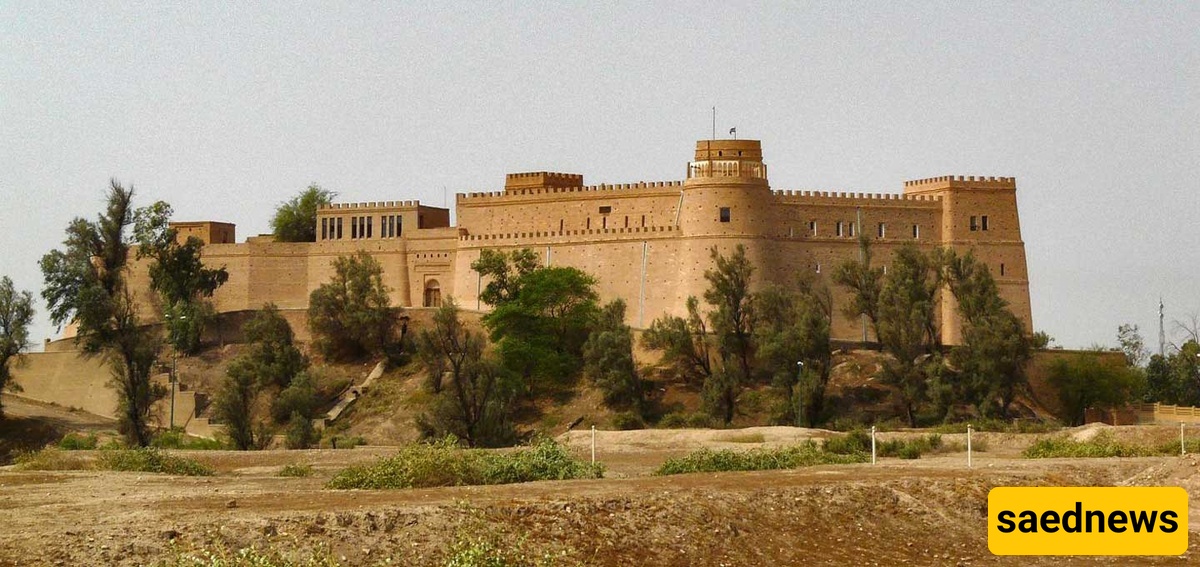
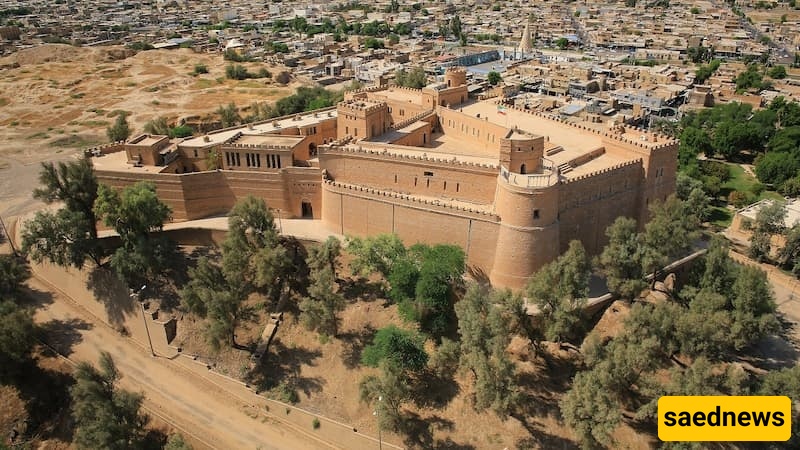
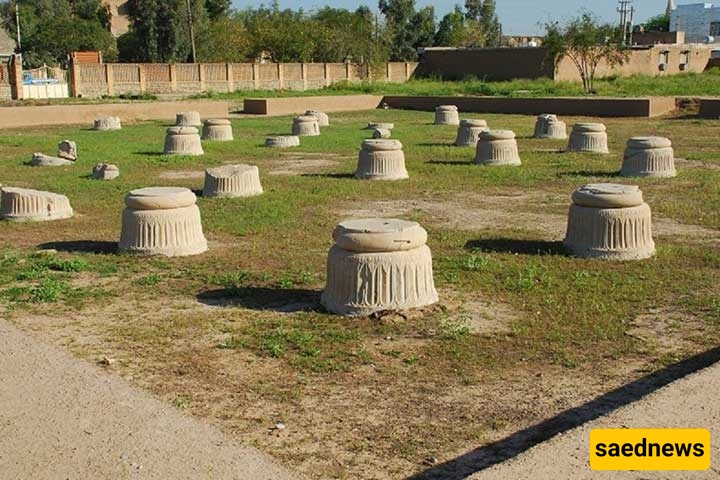
One of the most striking features of Apadana Palace is its foundation platform. The palace was built atop this elevated base, a defining characteristic of Achaemenid palaces of that era. In these palaces—such as those in the Persepolis complex—rows of stone foundations can be found, famously known as the slopes of Mount Rahmat. Leveling the ground for construction under such conditions was extremely challenging, making it one of the great architectural achievements of the Achaemenids. While the Persepolis palace naturally had this elevated platform, at Apadana Palace, it had to be artificially constructed. The dimensions of Apadana’s base platform are nearly equal to those of the Persepolis palace itself.