SAEDNEWS: Green tea is rich in antioxidants and anti-inflammatory compounds. In this article, we explore the benefits of green tea for skin health and the best ways to use it effectively.

According to Saednews, The skin is the largest organ of the body and plays an important role in protecting the body, regulating temperature, and maintaining a healthy appearance. Various factors, such as air pollution, sunlight exposure, stress, poor nutrition, and lack of sleep, can affect skin health.
In recent years, interest in natural and affordable skincare methods has increased. One of the most popular options is green tea.
Green tea is not only known as a healthy beverage but is also widely used in skincare products and homemade remedies. It is rich in antioxidants, anti-inflammatory compounds, and minerals that may help improve the appearance, clarity, and overall health of the skin.
In this article, we explore the benefits of green tea for the skin and explain how to use it properly.
Green tea is made from the leaves of the Camellia sinensis plant. Unlike black tea, green tea leaves undergo less oxidation, helping preserve beneficial compounds, particularly catechins. One of its most important active compounds is epigallocatechin gallate (EGCG), which has powerful antioxidant and anti-inflammatory properties.
Green tea also contains vitamins C and E, amino acids, minerals, and small amounts of caffeine. Together, these compounds may help protect the skin from environmental damage, reduce inflammation, and support balanced oil production.
For these reasons, green tea has attracted attention for its potential benefits in acne management, anti-aging, skin brightening, and hydration.
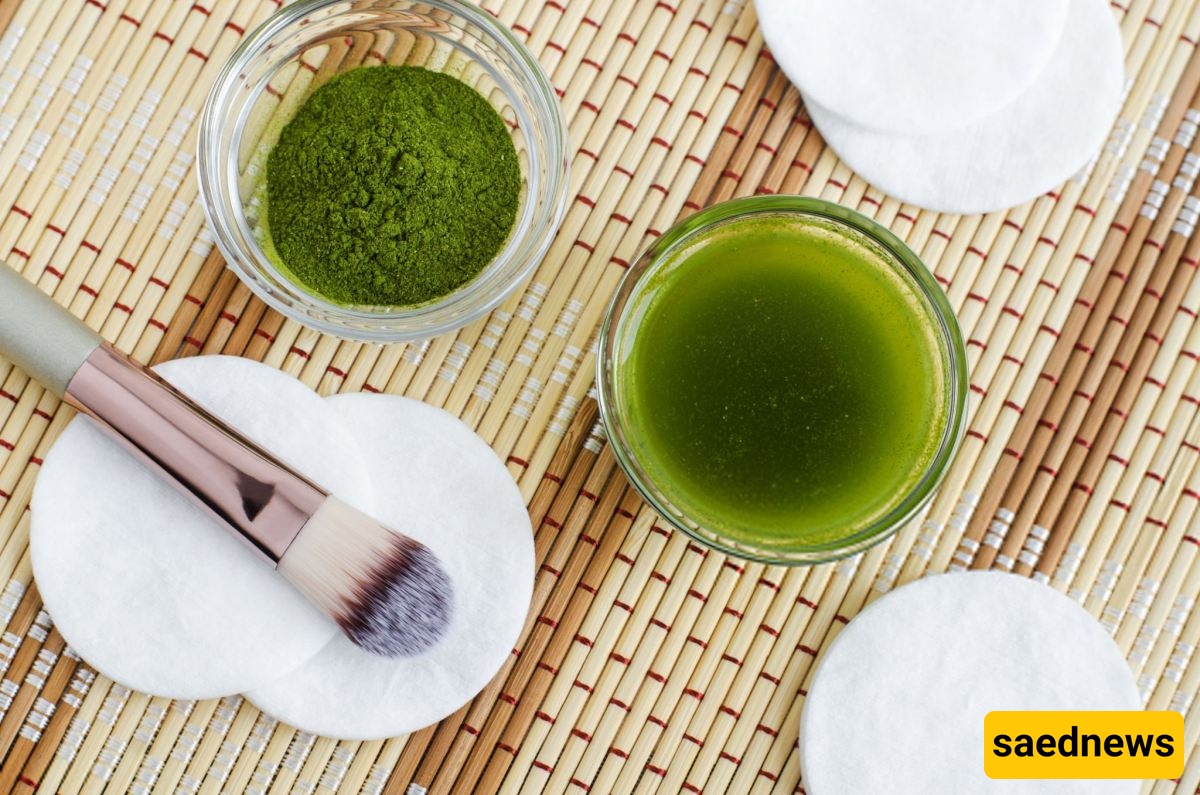
One of the most important benefits of green tea for the skin is its high antioxidant content. Free radicals are unstable molecules produced by factors such as air pollution, ultraviolet (UV) radiation, stress, and tobacco use.
These molecules can damage collagen and elastin, contributing to premature aging, dryness, and a loss of skin radiance.
The antioxidants in green tea may help neutralize free radicals and protect skin cells from damage. Applying green tea extract to the skin or drinking green tea regularly may help reduce oxidative stress.
However, these benefits should be considered alongside other healthy habits, including using sunscreen and maintaining a balanced diet.
Inflammation contributes to many skin concerns, including redness, acne, rosacea, and irritation. The anti-inflammatory compounds in green tea may help soothe the skin.
Green tea may therefore be a gentle option for sensitive skin and skin that reacts to certain skincare products.
A cool green tea compress may help reduce redness and the sensation of burning. Some skincare products containing green tea extract are also formulated for sensitive or inflamed skin.
However, if you experience severe or persistent inflammation, consult a dermatologist.
Green tea has antibacterial and anti-inflammatory properties that may help manage acne-related bacteria and inflammation. Its antioxidant compounds may also help regulate sebum production, making it a popular ingredient for oily and acne-prone skin.
Using a green tea toner or a mask containing green tea may help cleanse the skin and reduce the appearance of blemishes.
However, green tea is not a substitute for medical acne treatment. Severe or cystic acne may require prescription medication and evaluation by a dermatologist.
Dry skin can lead to fine lines, tightness, and a dull appearance. Green tea is not a powerful moisturizer on its own, but its compounds may help support the skin's moisture balance.
Some studies suggest that green tea extract may help improve the skin barrier and reduce water loss from the skin.
To support hydration, you can combine green tea with moisturizing ingredients such as honey, aloe vera, or suitable plant oils. Skincare products containing both green tea and hyaluronic acid may also help maintain skin moisture.
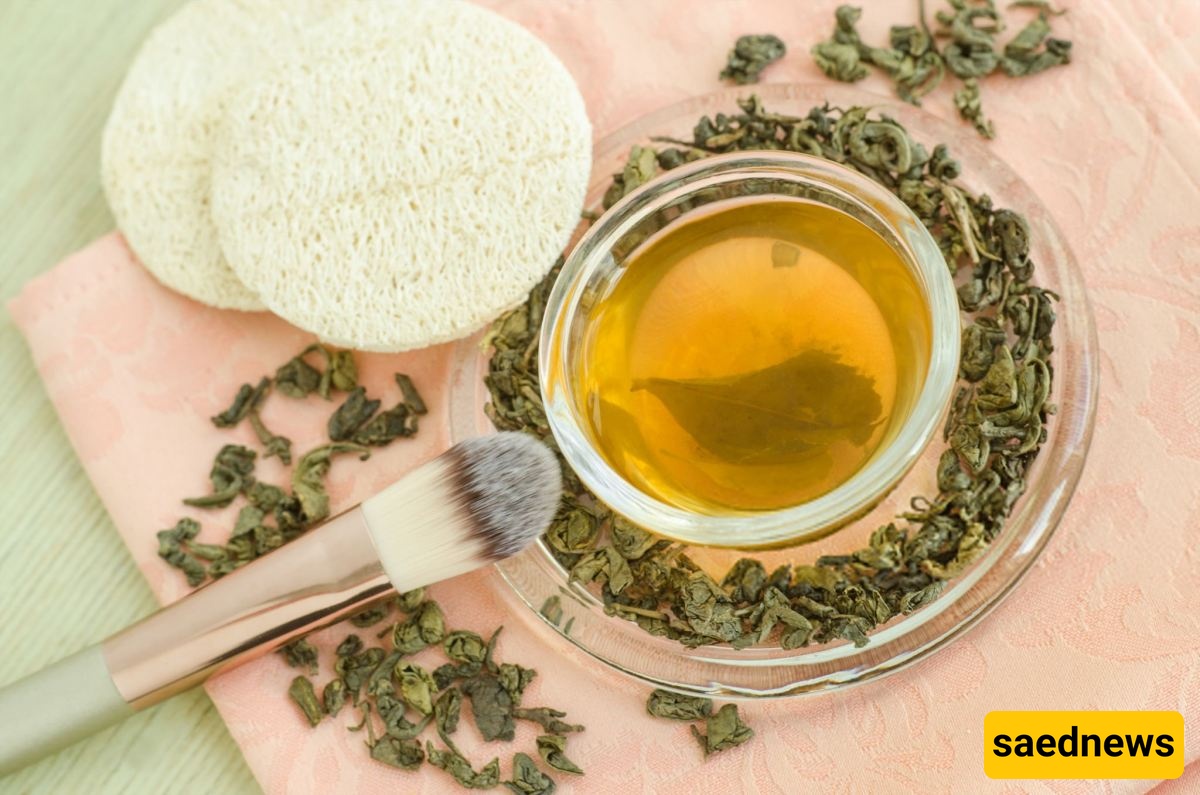
Another potential benefit of green tea is helping improve uneven skin tone and the appearance of dark spots.
Its antioxidant and anti-inflammatory compounds may help reduce inflammation associated with acne and support a more even-looking complexion. For this reason, some brightening and dark-spot skincare products contain green tea extract.
However, any improvement is likely to be gradual rather than immediate. Consistent sunscreen use, avoiding picking at pimples, and choosing appropriate skincare products are especially important for managing dark spots.
Skin aging results from a combination of internal and external factors. UV radiation, pollution, and oxidative stress can damage collagen and contribute to wrinkles.
The antioxidants in green tea may help protect collagen from damage and support skin firmness and elasticity.
Its anti-inflammatory properties may also help reduce chronic skin inflammation associated with premature aging.
Nevertheless, green tea is not a replacement for established anti-aging treatments, such as retinoids or laser procedures. It can be used as a complementary ingredient in a skincare routine.
Some studies suggest that the antioxidants in green tea may help reduce certain types of UV-related skin damage. These compounds may also help reduce redness and inflammation associated with sun exposure.
However, green tea is not a substitute for sunscreen and cannot fully protect the skin from UV radiation.
For effective protection, use a broad-spectrum sunscreen with an appropriate SPF and avoid prolonged exposure to direct sunlight during peak hours. Green tea may offer complementary antioxidant support, but it should never replace sunscreen.
Green tea contains compounds that may support the skin's natural repair processes. Some studies suggest that green tea extract may help with minor superficial wounds and reduce localized inflammation.
A cool green tea compress may also soothe the skin after shaving, mild sunburn, or minor irritation.
However, open wounds, infections, and serious skin injuries require appropriate medical care rather than home remedies alone.
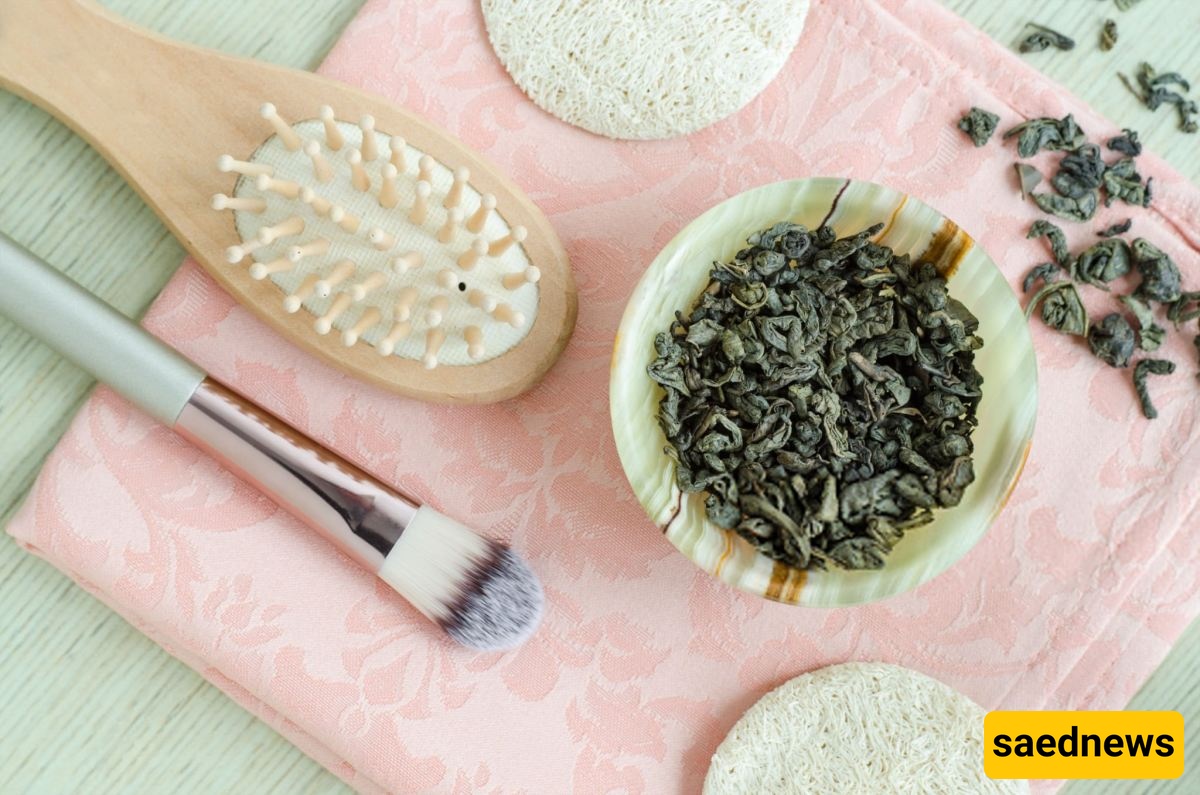
The skin around the eyes is particularly thin and sensitive, making it prone to puffiness, dark circles, and dryness.
Green tea's antioxidant and anti-inflammatory properties may help reduce puffiness and make tired-looking eyes appear refreshed. Placing cooled green tea bags over closed eyes for a few minutes may provide a soothing effect.
The caffeine in green tea may also temporarily constrict superficial blood vessels and reduce the appearance of puffiness.
However, persistent dark circles may be related to factors such as insufficient sleep, genetics, or anemia, which may require further evaluation.
Green tea may benefit the scalp as well as facial skin. Its anti-inflammatory and antimicrobial properties may help soothe itching and irritation and support scalp health.
Some shampoos and haircare products contain green tea extract.
Using cooled green tea as a final hair rinse may leave the scalp feeling refreshed and help reduce the sensation of excess oil. However, severe dandruff or persistent scalp conditions should be assessed by a dermatologist.
Drinking one to three cups of green tea daily may help increase your antioxidant intake. It is best consumed without added sugar and in moderation.
People who are sensitive to caffeine should limit their intake or choose a decaffeinated option.
Brew green tea and allow it to cool completely. Apply it gently to your face using a clean cotton pad.
This may provide mild cleansing, help reduce the feeling of excess oil, and refresh the skin.
If you have sensitive skin, test the tea on a small area first. Prepare fresh tea and avoid keeping homemade mixtures for extended periods because they can become contaminated.
You can combine cooled green tea with ingredients such as honey, plain yogurt, or aloe vera to make a simple face mask.
Mix the ingredients until smooth.
Apply a thin layer to clean skin.
Leave it on for 10–15 minutes.
Rinse thoroughly with lukewarm water.
Using a mask occasionally may help leave the skin feeling soft and refreshed. Avoid ingredients that irritate your skin, and perform a patch test before applying the mixture to your face.
Place used green tea bags in the refrigerator until cool. Gently place them over closed eyes or on areas of mildly irritated skin.
This simple method may help temporarily reduce puffiness, redness, and discomfort.
Never apply frozen tea bags directly to the skin, and avoid putting tea or other homemade preparations into your eyes.
Some people add green tea to water used for facial steaming to create a refreshing skincare experience.
However, facial steaming does not reliably remove impurities from pores, and hot steam can cause burns or worsen rosacea and sensitive skin.
If your skin is sensitive or prone to redness, it is better to avoid facial steaming.
Before applying green tea to your face, test a small amount on your forearm or behind your ear. Wait 24 hours and check for redness, itching, burning, or swelling.
If any reaction occurs, discontinue use. This precaution is particularly important for people with sensitive skin, allergies, or a history of eczema.
Moderate green tea consumption is generally safe for most adults. However, consuming too much may cause restlessness, a rapid heartbeat, anxiety, insomnia, or stomach discomfort because of its caffeine content.
For many people, two to three cups per day is a moderate amount, although individual tolerance varies. Those sensitive to caffeine should consider drinking less or choosing decaffeinated green tea.

Green tea contains compounds that can reduce the absorption of iron from food.
If you have iron deficiency or anemia, consider drinking green tea between meals and leaving at least one to two hours between tea consumption and iron-rich meals. This is especially important for vegetarians and others at increased risk of iron deficiency.
During pregnancy and breastfeeding, green tea consumption should take into account caffeine intake and individual health circumstances. Consult your healthcare provider about an appropriate amount.
People taking blood thinners, blood pressure medications, stimulant medications, or caffeine-containing supplements should also consult a doctor or pharmacist before consuming green tea regularly.
Although green tea has antioxidant and anti-inflammatory properties, it cannot replace sunscreen, treatment for severe acne, professional care for persistent pigmentation, or prescription skincare medications.
Daily sunscreen use, avoiding picking at blemishes, and maintaining a simple, consistent skincare routine remain essential.
If you use commercial products containing green tea, check the ingredient list carefully.
For sensitive skin, fragrance-free, alcohol-free, and gently formulated products may be more suitable.
Patch-test new products before regular use, and check their expiration dates and storage instructions.
Stop using green tea if you develop persistent redness, severe itching, swelling, burning, or unusual skin changes.
Consult a dermatologist if you experience severe or cystic acne, persistent dark spots, chronic inflammation, open wounds, or skin infections.
Green tea is a gentle, natural addition to a skincare routine, not a miracle treatment. Its effects are generally gradual, and it cannot replace a healthy diet, sufficient sleep, stress management, avoiding tobacco, or regular sunscreen use.
The best results are likely to come from using green tea alongside a healthy lifestyle and a consistent, evidence-based skincare routine.

A diluted green tea toner or cool compress may be suitable for many people. However, if you have dry or sensitive skin, start by using it every other day or once or twice a week and monitor your skin's response.
Loose-leaf green tea may offer a different concentration of beneficial compounds depending on its quality and preparation, but tea bags can also be useful. More importantly, consume green tea in moderation and avoid unnecessary additives or excess sugar.
Yes, a cool green tea compress may temporarily reduce puffiness and make the under-eye area feel refreshed. However, the skin around the eyes is delicate. Avoid applying hot or highly concentrated tea, and discontinue use if irritation occurs.
Green tea may help reduce inflammation and support a more even-looking complexion, but it is not a proven standalone treatment for dark spots. Sun-related pigmentation and melasma may require professional assessment and targeted treatment. Consistent sunscreen use is essential.

Green tea may benefit the skin through its antioxidant protection, potential anti-inflammatory effects, support for oil balance, mild hydration benefits, and contribution to a brighter-looking complexion. It may also help protect the skin against some environmental stressors.
You can incorporate green tea into your routine as a beverage, toner, face mask, or cool compress, provided you use it in moderation, perform a patch test, and take precautions when drinking it.
Green tea is a natural and affordable option for supporting skin health, but it should not replace medical treatments or essential skincare practices such as sunscreen use. If you have sensitive skin, an existing skin condition, or specific medical concerns, consult a dermatologist or healthcare professional before using it regularly.