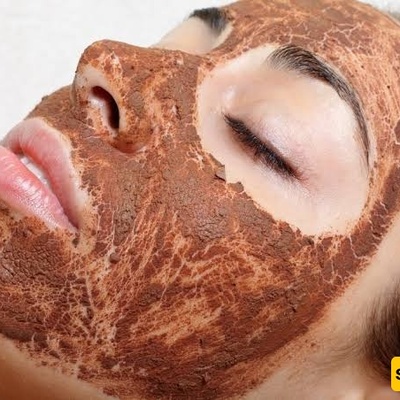
SAEDNEWS: Best Cinnamon Face Masks for Healthy, Glowing Skin: Recipes and How to Make Them
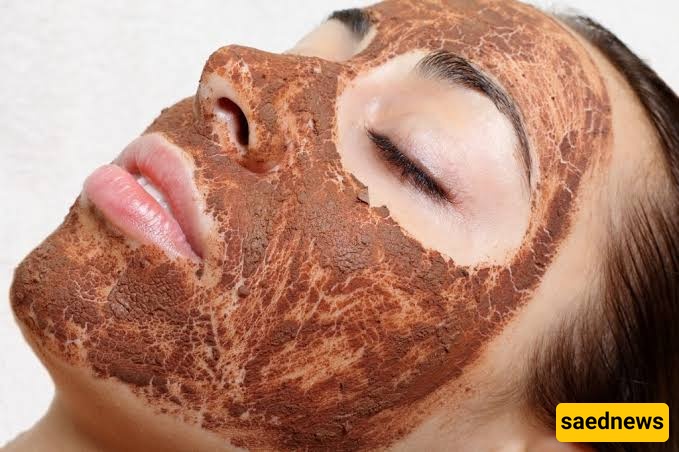
According to Saednews, Most people enjoy the unique taste and wonderful aroma of cinnamon and use this fragrant spice in their cooking and desserts whenever possible. But did you know that your skin might also benefit from cinnamon? This natural ingredient is often used in homemade skincare masks and is believed to offer several benefits for the skin.
Here are seven popular cinnamon face mask recipes.
As the years go by, collagen levels in your skin naturally decline, and visible signs of aging, such as fine lines and wrinkles, gradually appear. Cinnamon is often promoted as a natural skincare ingredient that may help improve circulation and support a healthier-looking complexion.
However, there is limited scientific evidence that applying cinnamon to the skin increases collagen production or prevents premature aging.
Ingredients:
2–3 drops of cinnamon essential oil
2 tablespoons of olive oil
Instructions:
Add the cinnamon oil to the olive oil and mix thoroughly.
Apply the mixture carefully to your face, avoiding the eye area.
Leave it on for about 10 minutes, then wash your face thoroughly.
Important: Cinnamon essential oil can cause skin irritation, allergic reactions, or chemical burns. Applying it directly to facial skin is not recommended, even when diluted in another oil.
Cinnamon powder and honey are popular ingredients in homemade face masks. Honey helps attract moisture, while the combination is often used to give the skin a softer, fresher appearance. However, there is insufficient evidence that this mask reliably lightens skin pigmentation.
Ingredients:
A small pinch of cinnamon powder
½ teaspoon of honey
Instructions:
Mix the cinnamon powder and honey until well combined.
Apply a thin layer to your face and neck, avoiding the eyes.
Leave it on for approximately 10 minutes.
Rinse thoroughly with lukewarm water.
The original recipe suggests using this mask twice a week, once in the morning and once before bed. However, cinnamon can irritate facial skin, so a gentler alternative without cinnamon may be preferable.
Cinnamon and honey are sometimes used in homemade remedies for acne. Although these ingredients have been studied for certain antimicrobial properties, there is not enough reliable clinical evidence to establish that this face mask effectively treats acne.
Ingredients:
3 tablespoons of honey
1 tablespoon of cinnamon powder

Instructions:
Combine the honey and cinnamon powder in a small bowl.
Mix thoroughly and apply a small amount to the areas of concern.
Leave it on for up to 20 minutes.
Rinse thoroughly with warm water.
The original recipe suggests leaving the mask on overnight for better results and using it once a week. However, overnight application is not advisable because cinnamon may cause irritation or burns. Evidence-based acne treatments are a safer option.
Whether you want to soften your skin or improve its appearance, a homemade mask containing banana and yogurt can provide temporary moisture and leave the skin feeling smoother.
Ingredients:
1 ripe banana
2 tablespoons of yogurt
1 teaspoon of fresh lemon juice
A small pinch of cinnamon powder
Instructions:
Mash the ripe banana until smooth.
Add the yogurt and mix well.
Stir in a small pinch of cinnamon powder and the fresh lemon juice.
Apply the mixture to your face and neck, avoiding the eyes.
Leave it on briefly, then rinse thoroughly before it dries completely.
Note: Lemon juice may irritate the skin and increase sensitivity to sunlight. For a gentler mask, omit the lemon juice and cinnamon.
Pumpkin contains nutrients and plant compounds that make it a popular ingredient in skincare products. Combined with honey and milk, it can help soften the skin and provide temporary hydration.
Ingredients:
3–4 pieces of cooked pumpkin
1 tablespoon of honey
1 tablespoon of milk
½ tablespoon of cinnamon powder
Instructions:
Mash the cooked pumpkin until smooth.
Add the honey, milk, and cinnamon powder.
Mix until you have a soft, moist paste.
Spread a thin layer over your face.
Leave it on for 15–25 minutes, provided there is no irritation.
Rinse thoroughly with cool water.
The original recipe recommends daily use, but frequent application of homemade masks containing cinnamon may irritate the skin. A simple pumpkin-and-honey mask without cinnamon is a gentler alternative.
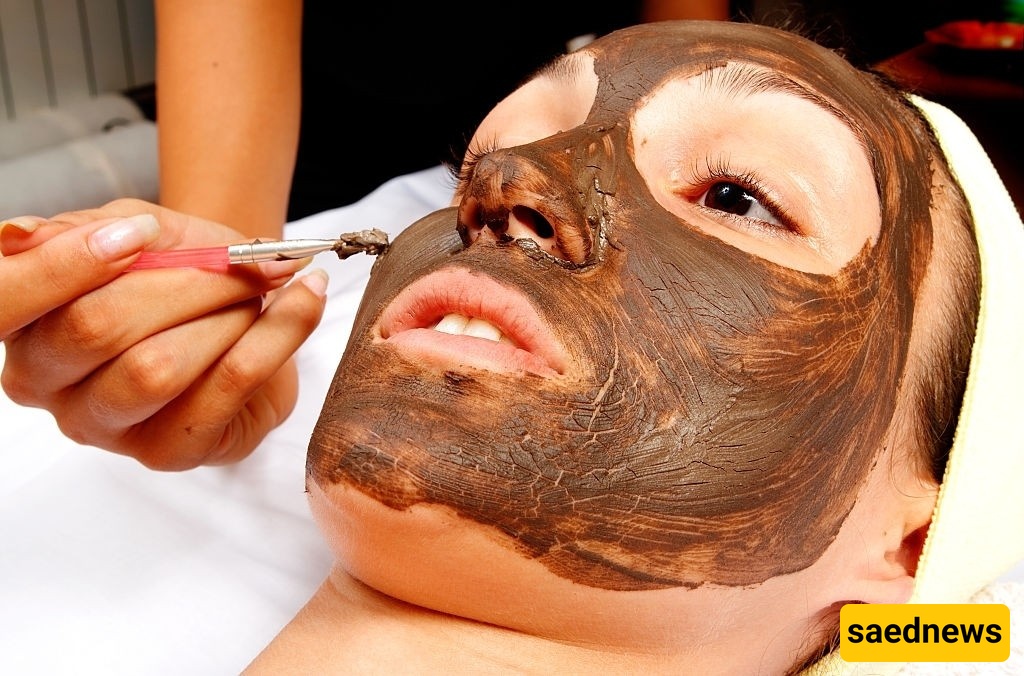
Papaya is a fruit rich in vitamins and other plant compounds. Its enzymes are commonly used in skincare products to help exfoliate the skin's surface. A papaya-based mask may temporarily improve the appearance of dull skin, although the benefits of combining it with cinnamon have not been well established.
Ingredients:
2 tablespoons of cinnamon powder
A small amount of papaya juice
Instructions:
Mix the papaya juice with the cinnamon powder until a paste forms.
Apply a small amount to your face, avoiding the eyes.
Rinse thoroughly with cool water.
Caution: Two tablespoons of cinnamon powder is a substantial amount for a facial mask and may cause significant irritation. This recipe is not recommended as written. A plain papaya mask, tested on a small area first, is a gentler alternative.
Rosewater is commonly used in skincare products for its refreshing feel, while chickpea flour is traditionally used in homemade cleansing masks. Although these ingredients may help the skin feel refreshed, there is insufficient evidence that combining them with cinnamon eliminates acne.
Ingredients:
2 tablespoons of cinnamon powder
1 cup of rosewater
1 tablespoon of chickpea flour
Instructions:
Mix the cinnamon powder with a small amount of rosewater to form a paste.
Add the chickpea flour and stir until the ingredients are combined.
Apply a thin layer to your face, avoiding the eye area.
Rinse thoroughly with cool water.
The original recipe recommends regular use for clearer, healthier-looking skin. However, the high cinnamon content may cause irritation, and this formula is not recommended for facial application as written.
Cinnamon is a fragrant spice with several traditional uses, including homemade skincare. However, claims that cinnamon face masks boost collagen, prevent wrinkles, brighten skin, or treat acne are not supported by strong clinical evidence.
Cinnamon, especially in powdered or essential-oil form, can cause irritation and allergic reactions. If you want to try a homemade face mask, consider gentler ingredients such as plain yogurt, honey, or mashed banana. Always test a new product on a small area of skin first, and stop using it if you experience redness, burning, or itching.
For persistent acne, dark spots, or signs of aging, evidence-based skincare products are generally a more reliable choice.