SAEDNEWS: Adding a small green plant to your desk can make the office feel more vibrant, peaceful, and inspiring. In this guide, we explore some of the best desk plants for creating a more pleasant and productive workspace.
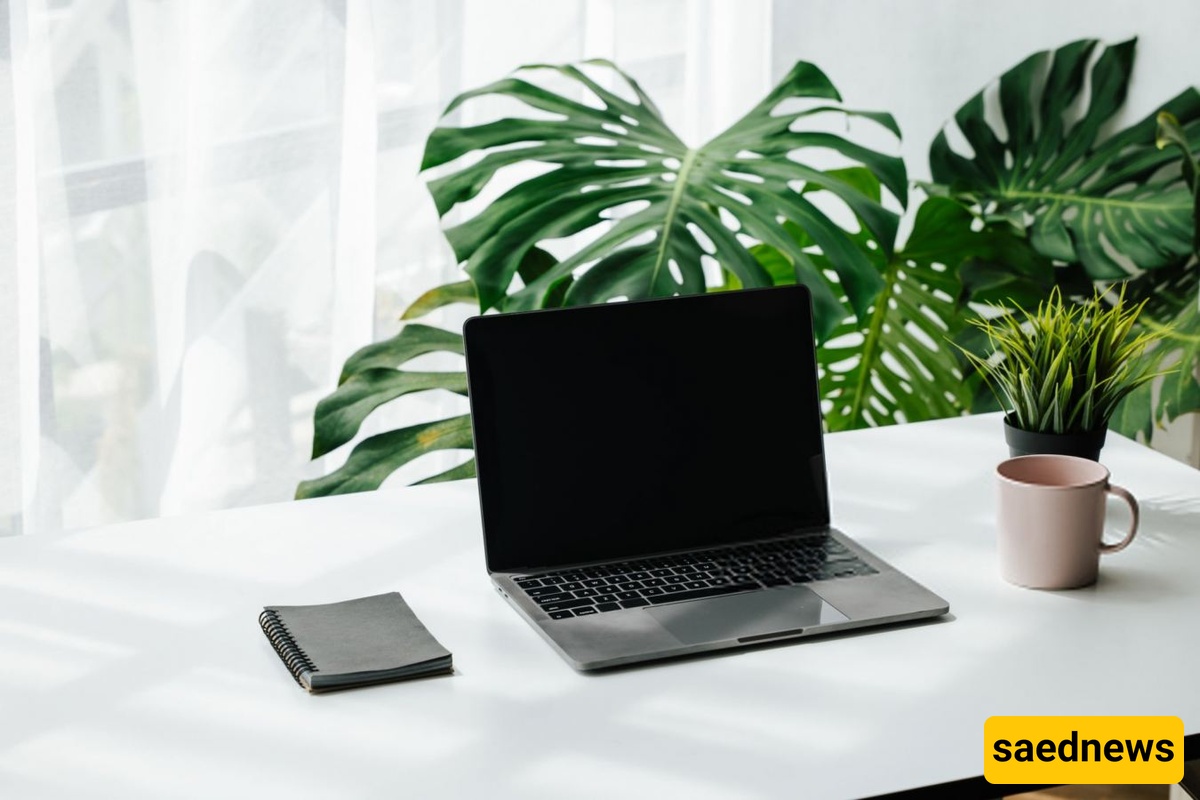
According to Saednews, A desk is more than just a surface for a laptop, stationery, and other work essentials. It is a space where many of us spend long hours every day. Adding a small green plant to your desk can transform a dry, formal workspace into an environment that feels more vibrant, relaxing, and inspiring.
Choosing the right desk plant, however, is not simply a matter of appearance. Several factors should be considered, including the amount of light available, humidity, room temperature, desk size, watering requirements, and whether the plant is safe for children and pets.
In this guide, we will look at the benefits of keeping plants on your desk, explain the most important factors to consider when choosing one, and introduce some of the best hardy and low-maintenance houseplants. We will also cover essential care tips, common mistakes, and how plants may influence concentration, comfort, and productivity.

Plants are more than decorative accessories. Research suggests that incorporating greenery into work environments can help reduce stress, ease feelings of fatigue, and support concentration. Many houseplants can also contribute to indoor air quality and increase local humidity through transpiration.
This can be particularly useful in enclosed offices where ventilation is limited.
A green plant on your desk can also provide a natural visual break during long periods of screen use. Looking at the color and texture of natural foliage can give your eyes and mind a brief change of focus, helping you return to your work feeling refreshed.
For these reasons, choosing a suitable desk plant can be a small investment that contributes to a more pleasant and productive workspace over time.
Before buying a plant, take a moment to assess the conditions around your desk. Light, water, temperature, and humidity are four of the most important factors.
If your desk is close to a bright window, light-loving plants may work well. If it is positioned in a darker corner, choose varieties that tolerate lower light levels.
Most houseplants prefer bright, indirect light. Direct sunlight can scorch their leaves, while insufficient light may result in weak growth, yellowing leaves, and elongated stems.
A good desk plant should ideally tolerate infrequent or moderate watering. Forgetting to water occasionally is understandable during a busy workday. Plants such as snake plants and ZZ plants are particularly tolerant of dry conditions.
Your plant should suit the size of your desk. Large pots can take up valuable workspace and interfere with movement. Compact, slow-growing plants are generally better choices for smaller desks.
If you have children or pets at home or in the workplace, pay attention to plant toxicity. Plants such as dieffenbachia and anthurium should be handled with care. Pet-friendlier choices include Boston fern and areca palm.
Hardy plants generally require less maintenance and can be more economical over time. Choosing a plant that matches your lifestyle and daily routine will also increase the chances of keeping it healthy.
The snake plant is one of the most resilient houseplants available. It tolerates low light, irregular watering, and relatively dry air. Its upright leaves take up very little space, making it an excellent choice for desks in offices with limited natural light.
The ZZ plant has glossy, dark-green foliage and a relatively slow growth rate. It tolerates low watering frequency and indirect light, making it especially suitable for people who travel frequently or sometimes forget to water their plants.
Pothos is a highly adaptable trailing plant. It can be placed in a small pot on the desk or allowed to cascade over the edge. It tolerates low to moderate light and is easy to propagate. It is also commonly valued as a low-maintenance indoor plant that can contribute to a greener workspace.
Aloe vera is a succulent that prefers plenty of light and relatively little water. Its fleshy leaves contain a gel commonly used for soothing minor skin irritation. If your desk is close to a sunny window, aloe vera can be an attractive choice.
Dracaena plants have narrow, strap-like leaves and can adapt to a variety of indoor conditions. Smaller varieties can work particularly well on desks. They generally perform well with moderate indirect light and relatively low humidity.
Peace lily, also known as Spathiphyllum, has broad green leaves and can produce elegant white flowers under suitable conditions. It prefers indirect light and consistent watering. Because it appreciates humidity, it can be a good choice for spaces with dry indoor air, although it requires more attention than drought-tolerant plants.
Areca palm has delicate, arching foliage that can bring a fresh, tropical feel to a workspace. It prefers bright, indirect light and moderate watering. It is also considered a pet-friendly choice.
Fiddle-leaf fig has large, striking leaves and can make a strong visual statement. However, it can become too large for a small desk, so compact specimens are preferable. It generally needs bright, indirect light and consistent watering.
Chinese evergreen, or aglaonema, tolerates relatively low light, while its patterned foliage can add color and visual interest to a desk. It typically requires moderate watering and can remain attractive in less brightly lit spaces.
Cacti and succulents come in countless small and distinctive forms. They generally need plenty of light and relatively little water. If your desk receives sufficient sunlight, these compact plants can be excellent low-maintenance options.
Boston fern is a lush, full plant that enjoys humidity. It is best suited to desks with indirect light and relatively humid conditions. Compared with drought-tolerant plants, however, it requires more consistent care.
Anthurium is known for its attractive, heart-shaped leaves and colorful flowers. It prefers indirect light and higher humidity. Because it can be toxic if ingested, extra care should be taken if children or pets have access to it.
Check the moisture level of the soil before watering. If the top few centimeters of soil have dried out, it may be time to water. Overwatering is one of the most common causes of problems in houseplants.
Position the plant at an appropriate distance from the window. Bright, indirect light works well for many common houseplants. If natural light is insufficient, a suitable grow light can help.
Many common houseplants prefer indoor temperatures around 18–24°C. Avoid placing plants directly beside radiators, air conditioners, heaters, or areas exposed to strong drafts.
During the active growing season, usually spring and summer, a diluted liquid fertilizer can generally be applied every four to six weeks, depending on the plant. Reduce or stop fertilizing during winter for plants that enter a period of slower growth.
Consider repotting every one to two years or when the plant becomes root-bound. Choose a pot only slightly larger than the existing root system and use fresh, well-draining soil.

Dust can accumulate on foliage and interfere with the plant's ability to photosynthesize efficiently. Wipe the leaves gently with a soft, damp cloth every few weeks when needed.
Common indoor plant pests include aphids, spider mites, and fungal problems. If you notice signs of infestation, isolate the affected plant and address the problem promptly using an appropriate treatment.
Overwatering and inadequate drainage
Exposing plants to harsh, direct sunlight
Using pots without drainage holes
Moving plants around too frequently
Ignoring the plant's lighting requirements
Keeping a sun-loving plant in a dark corner or a shade-tolerant plant in intense sunlight
Choosing a pot that is much too large or too small
Watering with extremely cold water
Applying too much fertilizer, especially during winter
Allowing dust to build up on the leaves
Ignoring warning signs such as yellow leaves, brown spots, leaf drop, or thin, stretched stems
Placing plants directly in the path of air-conditioning or heating vents
Failing to quarantine newly purchased plants before placing them near existing plants
If your desk is far from a window or receives very little indirect light, consider these options:
Snake plant: Tolerates low light, infrequent watering, and dry air.
ZZ plant: Slow-growing and highly tolerant of lower-light conditions.
Pothos: Adaptable and suitable for low to moderate light.
Chinese evergreen: Attractive foliage combined with good shade tolerance.
Dracaena: Smaller varieties can adapt to low-to-moderate indirect light.
Boston fern: Suitable for partially shaded, humid environments, although it needs more consistent moisture.
If your desk is near a bright window and receives plenty of indirect light, consider:
Aloe vera: Prefers strong light and limited watering.
Cacti and succulents: Compact, diverse, and relatively low-maintenance.
Lavender: Can work well when there is sufficient light and good ventilation.
Areca palm: Performs well in bright, indirect light.
Fiddle-leaf fig: Compact specimens can thrive in bright, indirect conditions.
For compact workspaces, choose plants with slow growth and relatively compact foliage:
Small pothos
Dwarf snake plants
Miniature ZZ plants
Small cacti
Rosette-forming succulents
Compact Chinese evergreen varieties
Always choose a pot with drainage holes. Without proper drainage, excess water can remain in the soil and lead to root rot.
The pot should be only slightly larger than the plant's root system rather than several sizes bigger.
For many houseplants, a well-draining mixture containing components such as potting soil, peat or coco coir, and perlite or pumice can work well. A saucer underneath the pot can collect excess water and protect your desk from moisture damage.
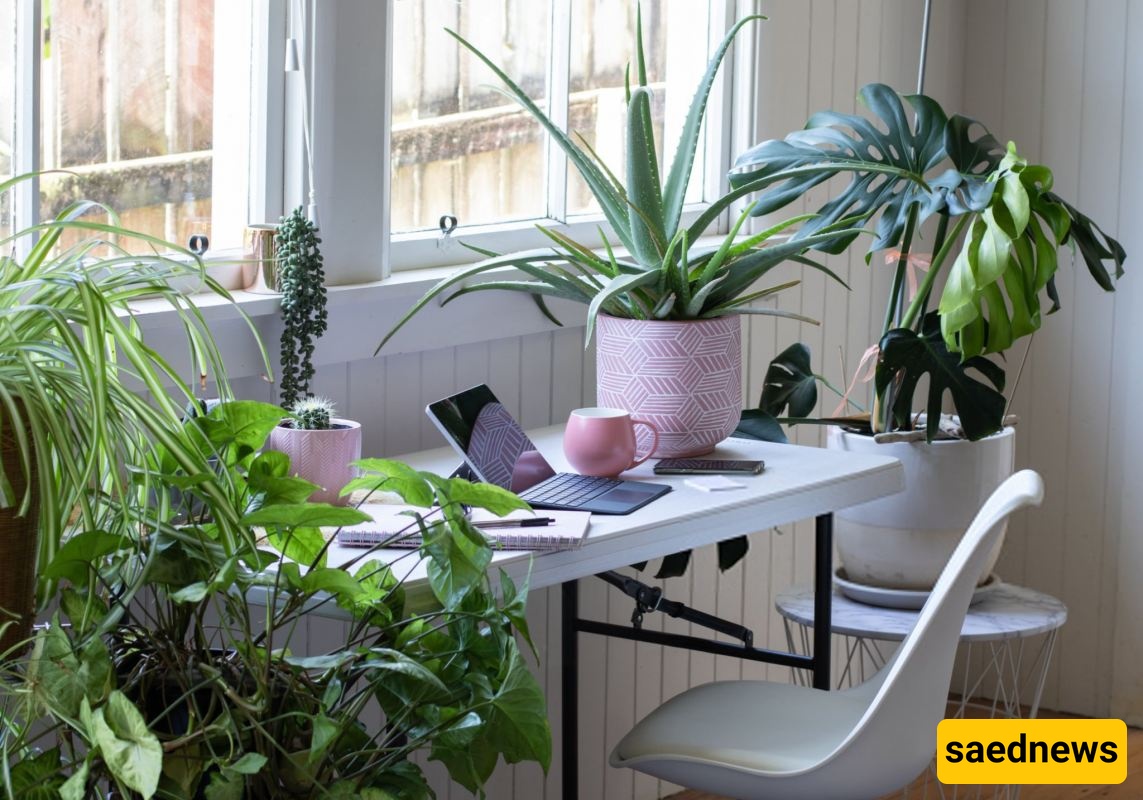
Desk plants are not simply decorative. Green foliage can provide a visual break, particularly during long periods of screen use. Research has associated workplace greenery with lower stress, greater feelings of calm, and potential improvements in creativity and overall well-being.
Some plants, including pothos, snake plants, and peace lilies, are often promoted for their ability to contribute to indoor air quality. However, a single small plant should not be expected to remove all indoor pollutants. Its contribution is better viewed as a modest addition to a healthier and more pleasant workspace.
If you will be away from your workspace for several days, drought-tolerant plants such as snake plants, ZZ plants, and cacti are among the easiest choices.
For plants that require more frequent watering, water them appropriately before leaving and move them to a cool location away from intense direct sunlight. Depending on the plant and length of your absence, a self-watering system or wick-based setup can also help.
Avoid leaving plants exposed to extreme heat or cold while you are away.
Snake plants, ZZ plants, pothos, and Chinese evergreens are excellent options for relatively low-light workspaces.
Aloe vera, cacti, succulents, and areca palms can be good choices when sufficient bright, indirect light is available.
There is no universal schedule. Watering needs depend on the plant species, soil, pot size, season, and indoor conditions. As a general rule, check the soil and water when the upper few centimeters have dried out, provided that the particular plant prefers this watering pattern.
No. Some plants, including dieffenbachia, anthurium, and philodendrons, can be toxic if ingested. Boston fern and areca palm are generally safer choices for homes with pets, although it is still important to verify the specific plant species.
Yellow leaves can have several causes, including overwatering, insufficient light, sudden temperature changes, or nutritional problems. Start by checking the soil moisture and lighting conditions.
Choosing the right desk plant is a combination of personal preference, understanding your workspace, and matching the plant to the care you can realistically provide.
A hardy plant that suits your available light and daily routine can stay on your desk for years, creating a workspace that feels greener, calmer, and more inviting.

With a few simple habits—proper watering, good drainage, suitable lighting, and occasional leaf cleaning—you can enjoy the benefits of a desk plant with relatively little effort.
If you are new to indoor plants, snake plants, pothos, and ZZ plants are excellent places to start. They are resilient, attractive, and well suited to the demands of a busy workday.