SAEDNEWS: Team building is a strategic process that strengthens organizational productivity, innovation, and sustainable competitive advantage by fostering synergy, trust, and clearly defined roles.

According to Saednews, In today’s highly competitive business environment, no organization can achieve lasting success by relying solely on the talent of one individual. What distinguishes successful businesses is their ability to build cohesive, purpose-driven, and well-aligned teams.
Team building goes far beyond bringing several people together in a meeting room. It is a strategic process through which the skills, experience, and motivation of individuals are combined to produce results that exceed the capabilities of individual members working alone.
The value of team building can be seen in higher productivity, greater innovation, stronger employee morale, and the development of sustainable competitive advantages. This article explores the meaning of team building, how it differs from a traditional work group, why it matters to businesses, the stages of team development, the role of leadership, and practical ways organizations can strengthen their teams.

Team building refers to a collection of purposeful activities, processes, and initiatives designed to improve collaboration, trust, and effectiveness among members of a team. It involves selecting the right people, clearly defining roles and responsibilities, encouraging constructive communication, and guiding employees toward shared objectives.
Team building is not simply a one-day workshop or an occasional company outing. It is an ongoing, long-term approach that influences every stage of an organization’s development and directly affects workplace culture, employee performance, and business results.
To understand the importance of team building, it is useful to distinguish between a team and a work group.
In a traditional work group, employees are often evaluated primarily on their individual responsibilities, with each person working relatively independently. In a true team, however, members share responsibility, depend on one another, and understand that individual success is closely connected to the success of the entire team.
Effective teams create synergy, meaning that collective performance can be greater than the sum of individual contributions. This is one of the main reasons team building has become such an important organizational investment.

When team members clearly understand their roles, expectations, and objectives, organizations can reduce duplication of work, confusion, and wasted time. Better coordination between departments allows processes to move more efficiently and projects to be completed to a higher standard.
Cohesive teams also tend to spend less time dealing with unnecessary conflict and more time focusing on achieving shared objectives.
Innovation often emerges when different ideas, experiences, and perspectives come together. Effective team building creates an environment where employees feel comfortable sharing new ideas without fear of being judged.
A combination of diverse skills and experiences, supported by mutual trust, provides a strong foundation for developing creative solutions and addressing complex problems.
People naturally want to feel that they belong and that their contributions are valued. When employees feel that they are part of a supportive team, their job satisfaction can increase and their likelihood of leaving the organization can decrease.
Effective team building can also contribute to psychological safety, helping employees feel more secure when communicating ideas, raising concerns, and learning from mistakes.

Many workplace problems are rooted in poor communication. Team building encourages clear dialogue, active listening, and constructive feedback, helping organizations prevent misunderstandings.
When communication is healthy, information moves more efficiently and decisions can be based on accurate and timely information.
Organizations can often copy competitors’ technologies, equipment, and even business strategies. However, a strong team culture and genuine collaboration between employees are much harder to replicate.
Strong teams can respond more quickly to market changes and demonstrate greater flexibility when operating in uncertain conditions.
During difficult situations, organizations with cohesive teams are generally better positioned to respond quickly. Mutual trust encourages employees to focus on solving problems rather than blaming one another.
This becomes particularly valuable during economic disruptions, technological changes, organizational challenges, or reputational crises.
One of the most recognized frameworks for understanding team development is Tuckman’s model, which describes five stages:
Forming: Team members come together, get to know one another, and begin discussing objectives.
Storming: Differences of opinion and conflicts over roles, responsibilities, and leadership may emerge.
Norming: Shared rules, values, and working practices begin to develop, while trust becomes stronger.
Performing: The team reaches a higher level of maturity and works efficiently toward common goals.
Adjourning: Once the team’s mission is completed, the group concludes its work and reflects on its achievements.
Understanding these stages enables managers to provide appropriate support and leadership as the team develops.

Successful teams tend to share several important characteristics:
A clear and common purpose
Clearly defined roles that match individual skills
Mutual trust and psychological safety
Open and honest communication
Shared accountability
Supportive and inspiring leadership
The ability to manage conflict constructively
A diversity of skills, knowledge, and perspectives
Leaders play a central role in creating successful teams. An effective leader does not simply give orders. Instead, they create opportunities for participation, empower team members, and provide timely and constructive feedback.
A leadership approach based on trust, support, and inspiration can help teams become more autonomous and mature over time.
Leaders are also responsible for building a culture of appreciation—one in which achievements are recognized and failures are treated as opportunities for learning and improvement.
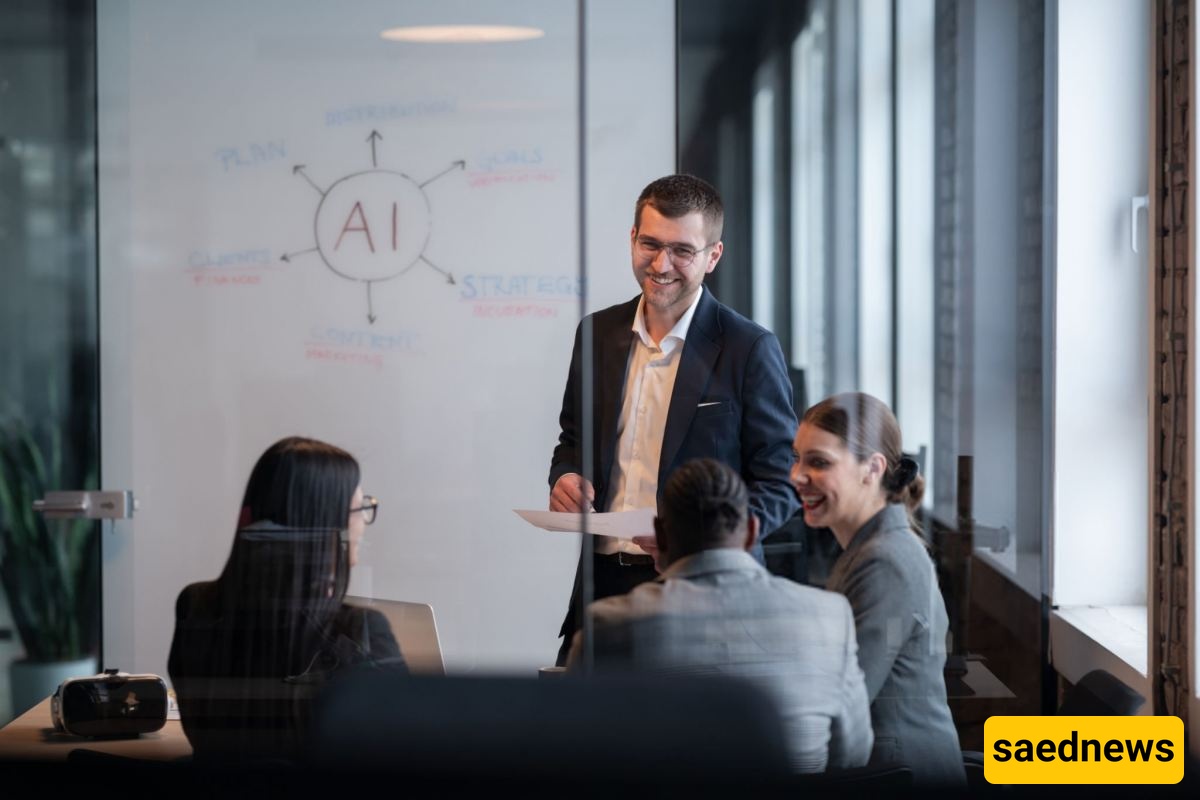
Organizations can strengthen their teams through several practical initiatives:
Hold regular, purposeful meetings with clear agendas.
Clearly define roles, responsibilities, and performance expectations.
Use digital collaboration tools to improve communication.
Provide soft-skills training in areas such as communication and negotiation.
Organize informal activities that encourage stronger interpersonal relationships.
Establish a continuous two-way feedback process.
Invest in team-leadership development.
Celebrate achievements and publicly recognize employee contributions.
Team building is not without challenges. Personality conflicts, resistance to change, limited resources, unclear objectives, and cultural differences can all affect team performance.
These challenges should not simply be ignored. Instead, organizations should recognize them as natural parts of team development and address them through communication, training, effective conflict management, and thoughtful leadership.
The growth of remote and hybrid work has given team building a new dimension. In virtual environments, nonverbal communication is reduced and employees may be more vulnerable to feelings of isolation.
Organizations therefore need to use video meetings, clear communication channels, team rituals, and peer-learning initiatives to maintain connection and a sense of belonging among remote employees.

Team building is far more than a workplace activity; it is a strategic foundation for organizational growth, innovation, and long-term resilience. Strong teams are built through continuous investment in trust, transparency, effective leadership, and a healthy organizational culture.
Organizations that prioritize team development can benefit from higher productivity, greater employee satisfaction, improved retention, and a stronger competitive position.
Ultimately, team building should not be viewed as an expense. It is a strategic investment in an organization’s most valuable asset: its people. Leaders who recognize the importance of strong teams and make them a priority can build organizations that are more adaptable, resilient, agile, and prepared for the future.