SAEDNEWS: There are several signs that indicate your shoes have reached the end of their lifespan and that it’s time to consider buying a new pair.
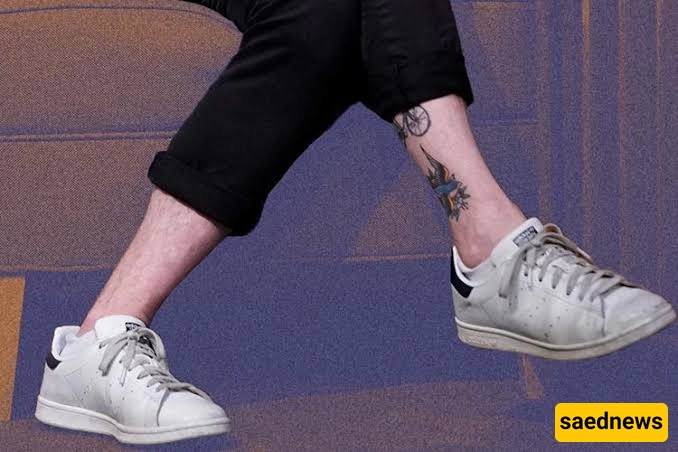
According to Saednews, Many of us continue wearing shoes long after they have reached the end of their useful life, simply because we do not know how long sneakers are supposed to last. Many people also do not realize how important it is to replace footwear regularly to maintain healthy feet.
There are several signs that can tell you when a pair of shoes has reached the end of its lifespan and it is time to buy a new pair. This is especially important with sneakers because many people wear them regularly for everyday activities. If you are interested in learning more, keep reading to discover the main signs of worn-out sneakers and the factors that affect their lifespan.
As a general rule, sneakers worn regularly for everyday activities should be replaced approximately every 8 to 12 months.
For people who use sneakers for demanding activities or running, replacement depends more on the distance covered. Many running and athletic shoes available on the market have a useful lifespan of approximately 500 to 800 kilometers (310 to 500 miles).
As one guide to buying sneakers explains, covering 500 to 800 kilometers can bring even high-quality athletic shoes close to the end of their useful life.
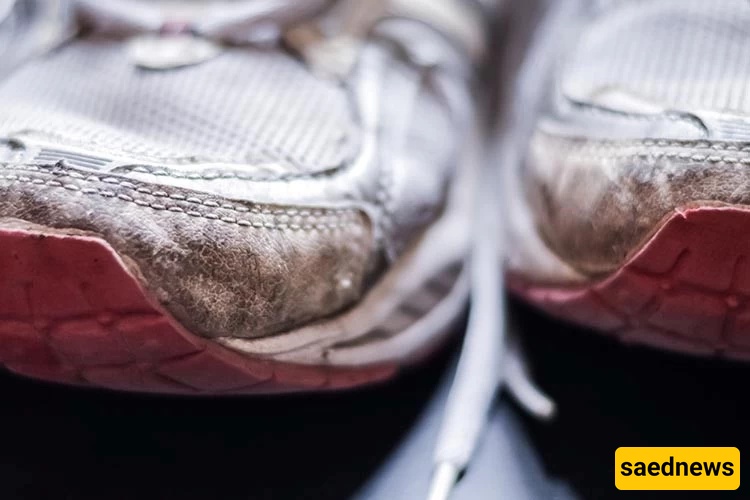
One of the most important signs that your sneakers are worn out is when they no longer feel as comfortable as they did when they were new.
Over time, the cushioning and midsole can become compressed and lose their ability to provide adequate support while walking or exercising. As a result, you may feel tired after a short period of activity or even experience discomfort or burning sensations in the soles of your feet.
For this reason, it is a good idea to inspect your shoes regularly and check whether they are still in good condition.
There are three main indicators of sneaker wear:
Wear on the outsole
Compression of the midsole
Damage or deterioration to the upper and interior
Here is how to check each part of your sneakers.
Take a close look at the bottom layer of your shoes, known as the outsole. If one or more areas are excessively worn, it may be time to replace the shoes.
Place your sneakers on a flat, even surface and check whether they still sit naturally or whether they have developed unusual angles, uneven areas, depressions, or other changes in shape.
These changes can indicate that the outsole has become excessively worn and is no longer providing the support and stability it was designed to offer.
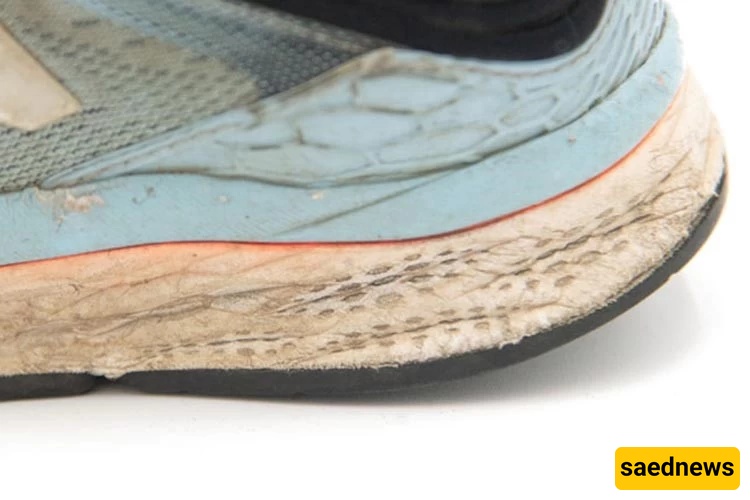
Between the outsole and the upper part of a sneaker is a cushioning layer known as the midsole. It is particularly important around the heel because it helps absorb impact and reduce the amount of force transferred to your feet during activity.
Over time, the midsole can become compressed. You may notice visible creases, wrinkles, or a significant change in the shape of the cushioning material.
If you see considerable creasing in the midsole, your shoes may need to be replaced. Another common sign is that the sneakers no longer feel as soft or cushioned as they once did.
Look for holes, tears, or unusual changes in the shape of your shoes. Pay particular attention to areas that may rub against or put pressure on your feet, such as the toe box and tongue.
You should also regularly check your sneakers for signs of excessive wear and tearing.
A worn-out upper is not only an aesthetic issue. Damaged material can also reduce the comfort and protection provided by the shoe and potentially cause discomfort while walking or exercising.
The lifespan of sneakers depends on several factors. These include the materials used to make the shoes, how often and how intensely they are used, the environment in which they are worn, and how they are stored and maintained.
The main factors include:
Materials used in the shoe
Environmental conditions
Storage and care
Type and amount of use
Shoe type and design
Let's look at each factor in more detail.
The materials used in the outsole, upper, midsole, and interior can have a significant effect on how long sneakers remain usable.
For example, some fabric-based shoes may show signs of wear sooner than shoes made with more durable synthetic materials. Even different types of plastic and rubber can vary in durability.
Construction quality also matters. Shoes with weaker stitching, lower-quality adhesives, or less durable materials may deteriorate sooner than well-constructed footwear.
When buying sneakers, it is therefore useful to pay attention to factors such as stitching quality, construction, and the materials used throughout the shoe.
The environment in which sneakers are used can also affect their lifespan.
Wearing shoes frequently in wet, rainy, or snowy conditions can expose the materials to moisture and potentially accelerate deterioration. Walking on rough surfaces such as asphalt or uneven paving can also increase outsole wear.
Certain activities, such as hiking over rocky terrain or climbing, can place additional stress on footwear and cause it to wear out more quickly.
Sometimes shoes can deteriorate even when they are not being worn regularly. The way they are stored can have a significant effect on their condition.
Storing sneakers in damp or excessively hot environments can shorten their useful life and contribute to deterioration of their materials.
Keeping shoes in a well-ventilated area can help prevent moisture from accumulating. Good ventilation can also reduce conditions that encourage the growth of bacteria and fungi.
Regular cleaning and appropriate care can help keep sneakers in better condition and may extend their useful life.
Sneakers used primarily for casual walking and everyday activities generally experience less stress than shoes used for demanding sports.
Athletic shoes can be subjected to repeated impact, friction, and pressure, which may cause them to wear out more quickly.
The more frequently and intensively you use a pair of sneakers, the sooner you may need to replace them.
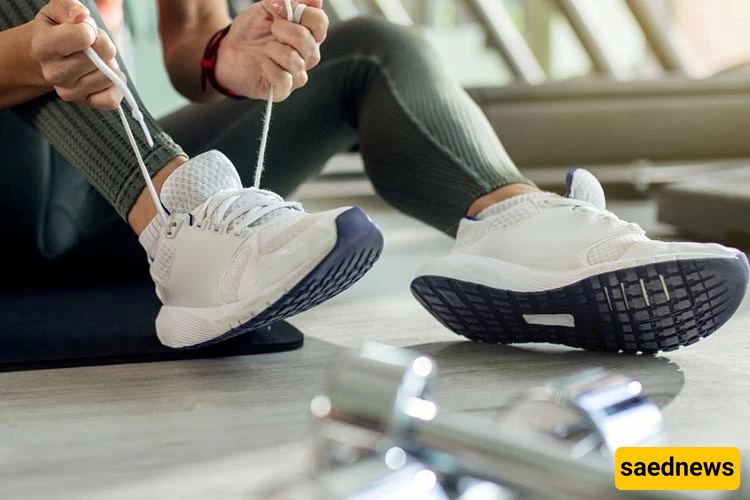
Different types of sneakers have different levels of durability.
Fast-fashion sneakers and inexpensive casual shoes may wear out more quickly than purpose-built athletic footwear or higher-quality sneakers.
Fast-fashion footwear is generally designed to follow changing trends and styles, so durability may not be its primary design objective.
Sneakers have a useful life that can generally be divided into three stages: new, moderately worn, and worn out.
Regularly inspecting your shoes and taking proper care of them can help delay excessive wear. However, if you wear the same sneakers frequently, replacing them approximately once a year can be a useful general guideline.
More importantly, pay attention to how your shoes feel and look rather than relying only on a specific amount of time. Check the outsole, midsole, upper, and interior regularly. Recognizing signs of deterioration early can help you replace worn-out footwear before it becomes uncomfortable and choose a new pair that provides the support and comfort you need.