SAEDNEWS: Lighting, noise levels, temperature, and room arrangement can all affect how comfortable and focused a study space feels.
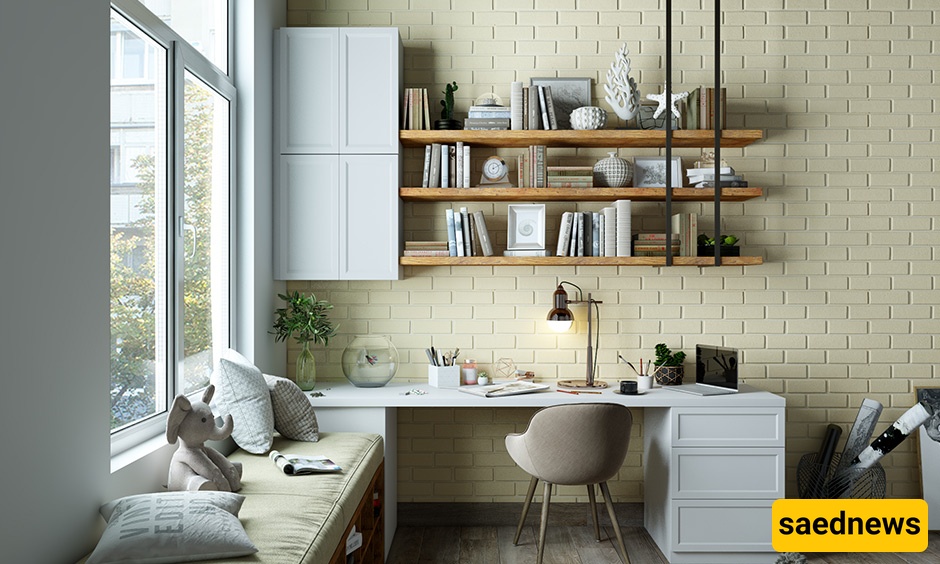
According to SAEDNEWS, some rooms naturally provide better conditions for studying because their physical environment places fewer demands on attention. A space with adequate lighting, limited distractions, comfortable temperature, and a suitable desk setup can make it easier to stay focused for longer periods.
Good lighting helps reduce visual strain and makes reading and writing more comfortable. Natural daylight can be particularly pleasant during daytime study, while a desk lamp can provide more focused illumination when natural light is insufficient. Positioning the light so that it does not create glare on books or screens is also useful.
A quiet environment can make concentration easier, especially for tasks that require reading, memorization, or complex thinking. Rooms facing busy streets, televisions, frequent conversations, or other sources of interruption may make sustained attention more difficult.
A study-friendly room often has:
Fewer interruptions
Limited background noise
A clear, uncluttered work area
Easy access to necessary study materials
A comfortable distance from distracting screens or activities
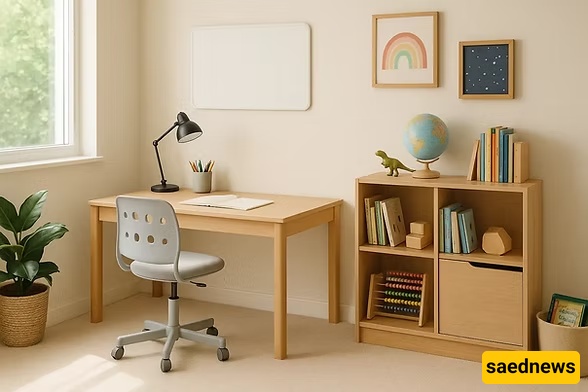
Extreme temperatures can become a distraction. A room that is too warm may feel uncomfortable and promote drowsiness, while a room that is too cold can make it harder to concentrate. A comfortable temperature, appropriate clothing, and adequate ventilation can help create a more suitable learning environment.
The arrangement of furniture can also influence how practical a room feels for studying. A stable desk and supportive chair allow the student to maintain a comfortable working position. Keeping frequently used materials within reach can reduce unnecessary interruptions.
The most suitable study room does not necessarily have to be large or specially designed. In many cases, a relatively simple combination works well:
Adequate light + manageable noise + comfortable temperature + organized workspace + minimal distractions
These features can make a room more conducive to sustained attention without requiring major changes. The ideal setup can also vary from person to person, since some people prefer near-silence while others work comfortably with a small amount of background sound.