SAEDNEWS: In this guide, we explore the most reliable ways to determine whether a silver vase is authentic, from checking its purity and hallmark markings to performing simple at-home tests and professional assessments.
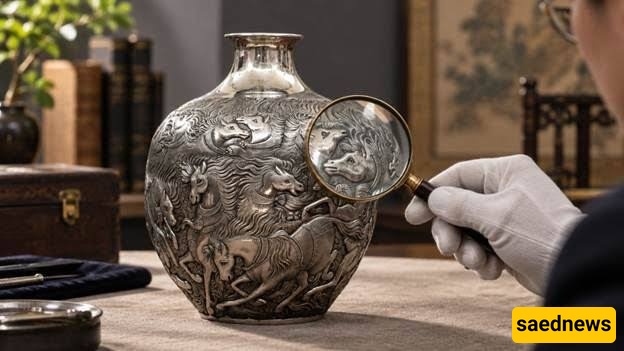
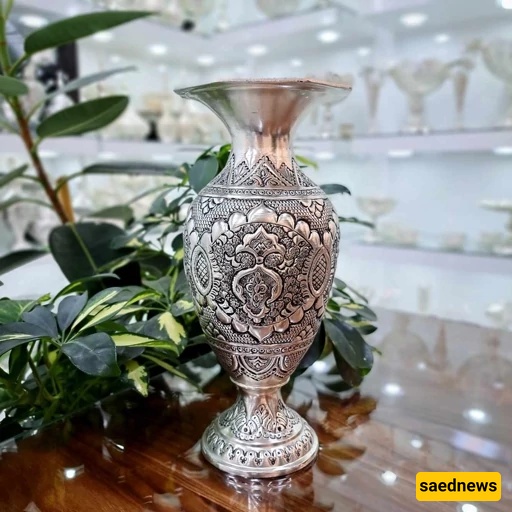
According to Saednews, Identifying a genuine silver vase requires attention to several factors, including silver purity, maker’s marks, craftsmanship, and signs of silver plating. Common purity marks such as 925, 900, and 840 indicate the amount of silver in the alloy, while examining engraved hallmarks can provide the first indication of authenticity.
Simple at-home methods, such as the magnet, ice, sound, smell, and white-cloth tests, can be useful for an initial assessment, but none of them can provide definitive proof. For greater certainty, professional methods such as touchstone and acid testing or XRF analysis can be used.
The value of a silver vase is also not determined solely by its metal weight. Factors such as engraving quality, handcraftsmanship, the reputation of the maker, and overall construction can have a major impact on its price.
A handmade silver vase can be both a beautiful decorative object and a potentially valuable investment. However, determining whether a vase is made entirely of silver or simply covered with a thin layer of silver plating is not always easy.
With the growing number of silver-plated imitations on the market, knowing how to recognize genuine silver has become increasingly important.
In this guide, we examine the most important ways to identify an authentic silver vase, from checking purity and visual characteristics to simple home tests and professional analysis.
Silver purity indicates the amount of silver contained in an alloy and is generally measured in parts per thousand.
Pure silver, marked 999, is relatively soft and does not provide enough strength for objects such as vases and candlesticks. For this reason, silversmiths usually combine silver with metals such as copper to improve durability while maintaining the value and appearance of silver.
However, adding excessive amounts of base metals can reduce both the material value and quality of the alloy. This is why checking the purity mark is one of the most important steps when assessing a silver vase.
Sterling silver, marked 925, is one of the most widely used silver standards worldwide. It contains 92.5% pure silver and 7.5% other metals.
In Iran, traditional silverware—particularly engraved works from cities such as Isfahan and Tabriz—may be made using different purity levels.
Silver Purity | Silver Content | Common Use |
|---|---|---|
925 | 92.5% pure silver | International standard, jewelry, and some silverware |
900 | 90% pure silver | Certain silver products |
840 | 84% pure silver | Traditional vessels, engraved pieces, and older Iranian works |
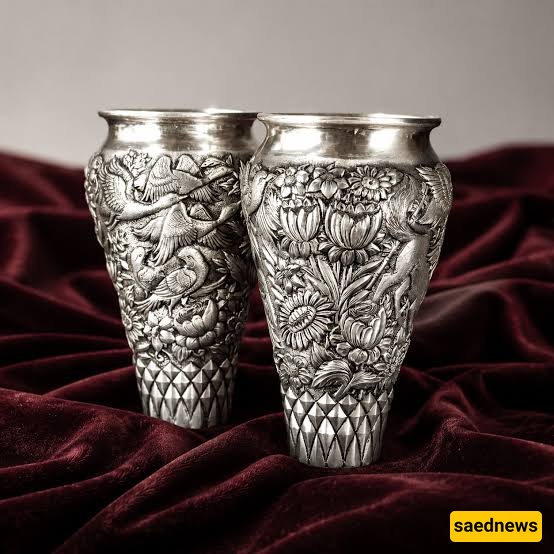
One of the first visible signs of a genuine silver vase is the presence of a standard hallmark or engraving. These marks are often placed on the bottom of the vase, underneath the base, or in another less noticeable area.
When examining a vase, look for:
Purity numbers such as 925, 900, or 840
Terms such as STERLING
A maker’s mark or workshop stamp
Identification or tracking marks on products manufactured under official standards
However, a hallmark alone does not guarantee authenticity. Counterfeit pieces can also carry forged marks. For this reason, the purity mark should always be considered alongside other authentication methods.
Several basic tests can be performed without specialized equipment. These methods can help identify suspicious pieces, but none should be considered conclusive on its own.
Silver is not magnetic, so a magnet should not be strongly attracted to a genuine silver vase.
If the vase is attracted to a magnet, it may contain magnetic metals such as iron, nickel, or steel. However, metals such as copper and brass are also non-magnetic, so this test can only help eliminate certain types of imitations.
Silver has excellent thermal conductivity. As a result, ice placed on silver can melt relatively quickly compared with some common metals.
This can provide an initial indication, but it cannot determine the exact silver purity of a vase.
When gently tapped, genuine silver can produce a clear, ringing sound with a relatively long resonance. Imitation metals such as brass and steel often produce a shorter, duller sound.
This test is highly dependent on the vase’s shape, thickness, size, and construction, so it should only be treated as an initial observation.
Genuine silver is essentially odorless. A strong metallic smell resembling copper, brass, or iron may indicate the presence of base metals or a lower-quality alloy.
Silver gradually tarnishes when exposed to sulfur compounds in the air. Rubbing the surface of a vase with a white cloth and finding a black or gray residue may indicate the presence of silver.
However, freshly polished silver or a very clean surface may produce little visible residue, so the result should not be considered definitive.
One of the most common forms of imitation involves making the vase from copper or brass and covering it with a layer of silver. At first glance, these pieces can look almost identical to solid silver, but their actual value is considerably lower.
Pay particular attention to:
Sharp edges
The connection between the base and the body
The underside of the vase
Areas exposed to frequent handling and friction
Visible Sign | Possible Indication |
|---|---|
Yellowish discoloration | Brass underneath the coating |
Red or orange discoloration | Copper beneath the silver layer |
Peeling or cracking surface | Poor-quality silver plating |
These areas can provide useful clues, especially when the plating has become worn over time.
For greater confidence, more precise testing methods can be used. Some chemical tests may leave a minor mark on the surface, so valuable or collectible pieces should be handled with particular care.
Silver can react with bleach, and unusual color changes such as green or yellow may indicate the presence of base metals such as copper or brass.
Vinegar can also be used as a basic alloy test, but neither method should be treated as definitive proof of authenticity.
Because chemical testing can potentially damage a valuable object, professional examination is preferable for collectible pieces.
Touchstone testing is a traditional method for assessing silver purity. A small amount of metal is rubbed onto a testing stone and then examined using an appropriate acid.
Possible observations include:
Observation | Possible Result |
|---|---|
Bright white streak | Higher-purity silver |
Gray or dull streak | Lower silver purity |
Green or yellow reaction | Possible base metals or imitation |
This method can be highly useful, but it may leave a small mark at the testing location.
X-ray fluorescence, or XRF, analyzes the elemental composition of the metal and can determine the percentage of silver and other elements present in the alloy.
One of its major advantages is that it can be performed without scratching or otherwise damaging the vase. For valuable, antique, or collectible silver pieces, XRF analysis is one of the most reliable ways to verify metal composition and purity.
The price of a silver vase is not based solely on the weight of its metal.
Unlike raw silver, an artistic silver vessel can have significant additional value based on its craftsmanship, artistic quality, maker, history, and rarity. As a result, two vases with similar weights can have dramatically different prices.
The underlying value of the silver is one of the basic factors in pricing.
The international price of silver and the current local market rate establish a baseline for the value of the metal used in the vase. Generally, the greater the amount of pure silver contained in the piece, the higher its material value.
The finished weight of a vase is an important pricing factor, but it is not the only one.
In high-quality handmade vases, the thickness of the silver sheet is also important. Thicker silver can increase the weight while providing greater resistance to dents, impacts, and deformation.
The artistic value of many silver vases extends far beyond the metal itself.
Intricate engraving, filigree, decorative patterns, raised details, and other handmade techniques can significantly increase the value of a piece.
Factors that can influence the craftsmanship premium include:
Complexity of the design
Depth and precision of engraving
Techniques such as repoussé or chasing
Time spent creating the piece
Skill of the craftsman
Reputation of the artisan or maker
The maker or craftsman can be another important factor in determining a silver vase’s value.
Just as the signature of a recognized artist can increase the value of a handmade carpet or painting, the hallmark or signature of a respected silversmith can significantly increase the value of a silver vessel.
Vases produced by well-known artisans may have both decorative and collectible value and can potentially become more desirable over time.
For this reason, when buying an engraved or handmade silver vase, it is important to consider the seller's reputation, the authenticity of the piece, and whether accurate information about its purity and construction is provided.
The following table provides a quick comparison of common testing methods in terms of reliability, potential damage, and primary use.
Authentication Method | Approximate Reliability | Risk of Damage | Main Purpose |
|---|---|---|---|
Magnet test | Moderate | None | Detect magnetic metals such as steel |
Ice test | Moderate | None | Assess thermal conductivity |
Sound test | Moderate | None | Evaluate the acoustic characteristics of the metal |
White-cloth test | Low to moderate | None | Observe surface tarnishing |
Bleach test | High | Possible surface change | Examine chemical reactions |
Touchstone and acid | Very high | Minor scratch | Traditional purity testing |
XRF | Very high | None | Determine the precise metal composition |
A genuine silver vase cannot be authenticated simply by looking at its shiny appearance. Silver-plated pieces can closely resemble solid silver, making visual inspection alone unreliable.
For a safer purchase, examine the purity hallmark, maker’s mark, craftsmanship, and signs of plating. If the vase is particularly valuable, antique, or collectible, professional testing such as XRF analysis can provide much greater confidence.
Finally, buying from a reputable seller and obtaining an official invoice that clearly states the vase's weight and silver specifications can help verify both its authenticity and its actual value.