SAEDNEWS: When large amounts of food are regularly thrown away, the problem is often linked to shopping habits, poor meal planning, improper storage, or preparing more food than necessary. Identifying the main cause can help households reduce waste, save money, and use food more efficiently.

According to SAEDNEWS, one of the most common reasons food is wasted is buying more than the household can realistically consume. Shopping without checking the refrigerator, freezer, and pantry can lead to duplicate purchases. Making a simple shopping list based on planned meals can help prevent unnecessary buying.
Cooking portions that are larger than needed can quickly create leftovers that may never be eaten. Families can reduce this problem by estimating portions according to the number of people eating. If extra food is prepared, it should be stored properly and planned for another meal rather than being forgotten.
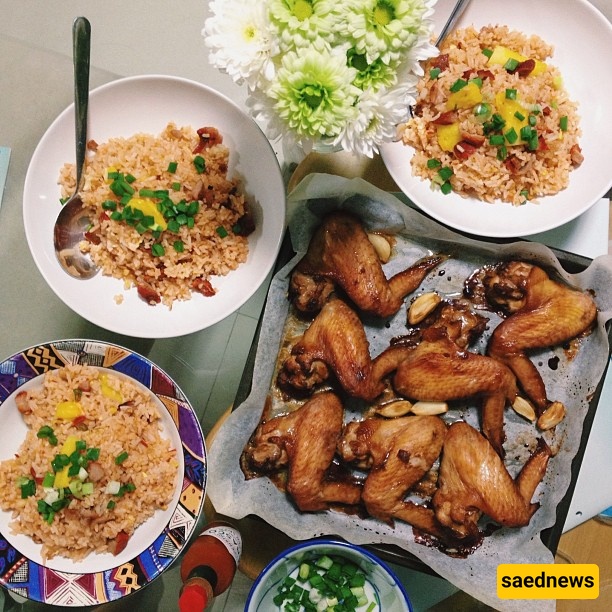
Food may spoil sooner when it is not stored under suitable conditions. Keeping foods in appropriate containers, organizing the refrigerator, and placing older items where they are easy to see can make a significant difference. A simple “use first” area can also remind family members which foods should be consumed sooner.
Sometimes food is wasted simply because it is hidden behind newer purchases. Regularly checking the refrigerator and pantry helps households notice foods that need to be used. Organizing similar items together and keeping frequently used foods visible can make it easier to remember what is already available.
A lack of routine can cause repeated overbuying, forgotten leftovers, and unnecessary preparation. Setting aside a few minutes each week to review available ingredients, plan meals, and create a shopping list can reduce these problems. The key is not to buy less blindly, but to buy according to actual household needs and use food before it goes to waste.