SAEDNEWS: With its striking appearance, the Madagascar palm can pose a danger to children and pets, making awareness of its toxicity essential.
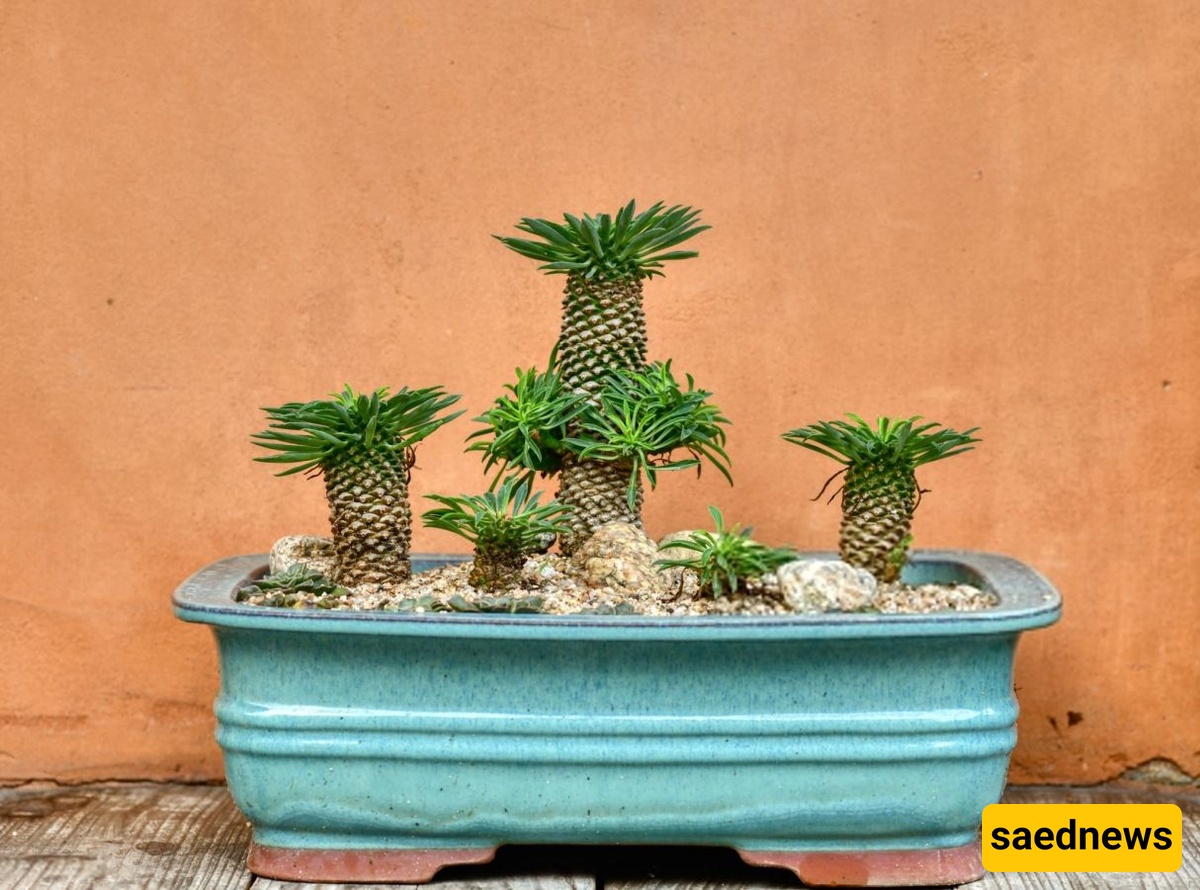
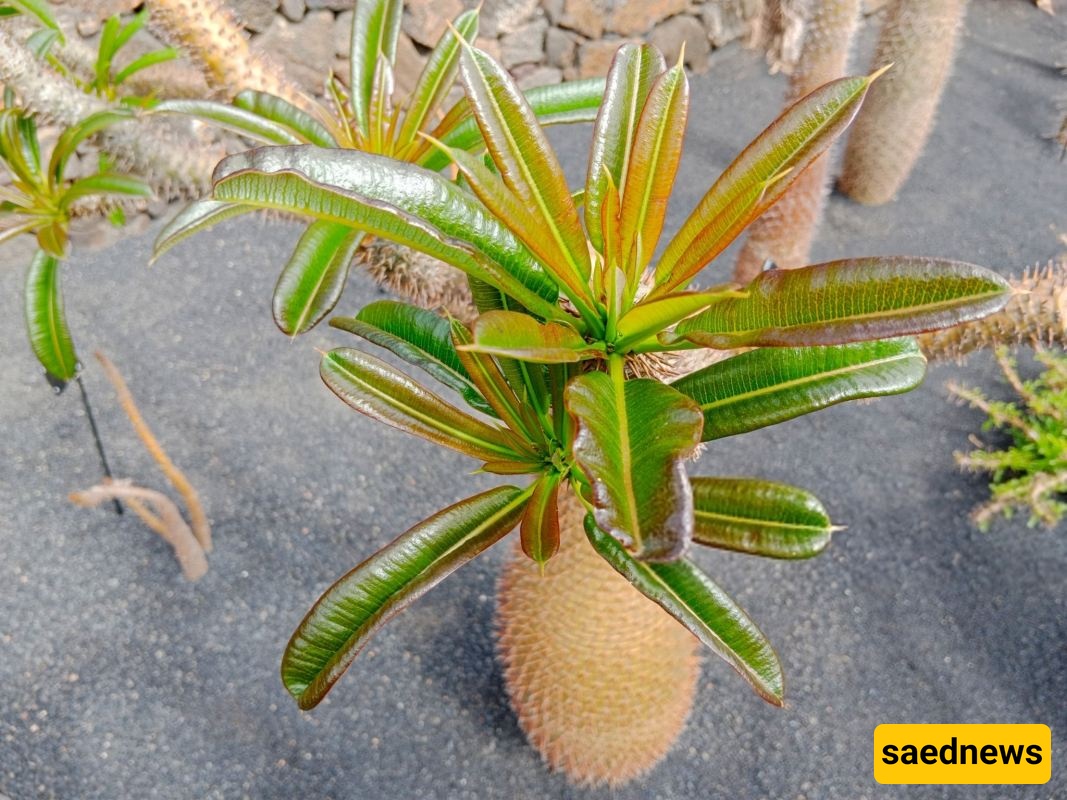
According to Saednews, The Madagascar Palm, scientifically known as Pachypodium lamerei, belongs to the Apocynaceae family. This plant family includes several toxic species, and the Madagascar Palm is no exception. Despite its striking appearance, it is important to understand its potential risks, particularly in homes with young children or curious pets. The plant’s milky sap contains compounds that can be harmful to humans and animals.
The risks associated with this plant come mainly from three different sources:
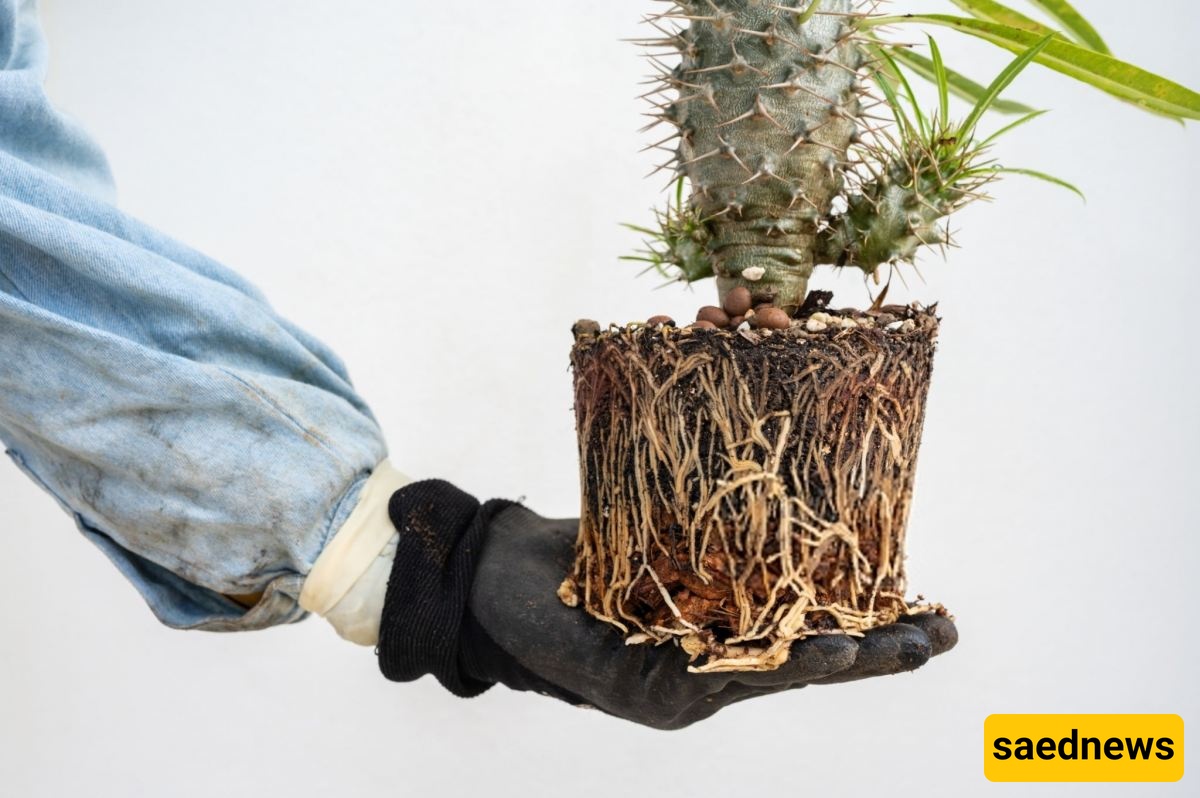
When the stem, leaves, or roots are damaged, the plant releases a white, milky sap containing irritating chemicals. Contact with intact skin may cause redness, itching, or mild burning. Contact with the eyes or the mucous membranes of the mouth can cause more severe irritation.
The spines of the Madagascar Palm are not poisonous, but they are extremely sharp and strong enough to puncture the skin. A particular concern is that a spine tip may break off and remain under the skin, potentially causing inflammation or infection.
If a child or pet chews or swallows part of the plant, the risk can be more serious. Symptoms may go beyond simple surface irritation and may require prompt medical or veterinary attention.
Remove contaminated clothing or jewelry from the affected area.
Wash the skin thoroughly with plenty of water and mild soap.
Do not rub the affected area.
Avoid touching your eyes or mouth with contaminated hands.
If burning, swelling, or blistering persists, seek medical attention.
Important: Avoid applying alcohol, perfume, or household products to irritated skin.
Immediately rinse the eye with clean water for several minutes.
Do not rub the eye.
If burning, severe redness, blurred vision, or pain persists, seek medical attention promptly.
For a superficial injury:
Wash the area with water.
Carefully remove a visible spine with clean tweezers.
Disinfect the area around the wound.
Seek medical attention if:
The spine is deeply embedded.
A piece of the spine has broken off and remains under the skin.
The wound is near the eye, a joint, or a blood vessel.
Pain, swelling, or numbness develops.
Your tetanus vaccination is not up to date.
Skin contact: Wash the affected area promptly and prevent the child from touching their eyes or mouth with contaminated hands.
If the plant is swallowed:
Remove any remaining plant material from the child’s mouth.
Do not induce vomiting.
Identify the amount and part of the plant that was eaten.
Contact a doctor or poison control center for guidance.
The Madagascar Palm can pose a significant risk to cats, dogs, and other household pets. Pets may be particularly vulnerable because they commonly chew plants, have lower body weights, cannot communicate their symptoms, and may have easy access to plants kept on the floor.
If a pet chews the plant:
Remove any remaining plant material from its mouth.
Record the plant type and the approximate time of exposure.
Do not induce vomiting unless instructed by a veterinarian.
Seek immediate veterinary care if the animal develops lethargy, severe vomiting, tremors, swelling, or breathing difficulties.
Keeping a Madagascar Palm in a home with young children requires extra precautions.
Beside a child’s bed or play area
Directly on the floor
Along narrow walkways
On unstable tables or furniture
Keep the plant in a high, secure location.
Wear gloves when handling or moving it.
Remove fallen leaves and plant debris promptly.
Keep pruning tools out of children’s reach.
The Madagascar Palm is an attractive and distinctive houseplant, but its sap and sharp spines present potential hazards. With appropriate precautions, it can be kept safely in many homes. However, households with young children or curious pets should consider avoiding the plant altogether or placing it somewhere completely inaccessible.
If an exposure occurs, take appropriate first-aid measures promptly and seek medical or veterinary assistance when necessary.