SAEDNEWS: Henna is an ancient and effective plant-based solution for strengthening hair, enhancing its color, and boosting its natural shine. It offers a natural alternative for reducing the damage often caused by chemical hair products.
According to Saednews, In today’s busy world, where the beauty and personal-care market is filled with chemical-based products, many people are looking for natural and gentle ways to care for their hair. Among these options, henna remains one of the oldest and most widely used plants in traditional medicine and Iranian culture. From traditional henna ceremonies to everyday hair care and coloring, henna has long been associated with beauty and healthy-looking hair. But why does this natural ingredient remain popular despite the thousands of modern hair products available today? The answer lies in its unique properties and traditional uses, which we will explore in this comprehensive guide.
Henna comes from the dried leaves of the Lawsonia inermis plant and is usually sold as a fine green powder. Its main active coloring compound, lawsone, gives henna its characteristic natural copper-red color. The plant also contains tannins, flavonoids, B-group vitamins, and minerals such as calcium, magnesium, iron, zinc, and potassium. These compounds have made henna popular not only as a natural hair dye but also as a traditional hair- and scalp-care treatment.
One of the most commonly cited benefits of henna is its traditional use for strengthening hair roots and supporting healthy hair growth. Applying henna to the scalp may help condition the hair and improve the overall appearance and feel of the hair. Its natural compounds can coat the hair shaft, helping it feel stronger and less prone to breakage.
Regular use is traditionally believed to contribute to thicker-looking and longer hair by helping protect individual strands from premature breakage. However, henna should be viewed primarily as a conditioning and hair-protective treatment rather than a proven medical treatment for hair loss or growth disorders.
Dandruff is one of the most common scalp concerns. Henna has traditionally been valued for its antimicrobial and soothing properties, and it is sometimes used in natural scalp-care routines. Its cooling sensation may also provide temporary relief from scalp discomfort and itching.
For people experiencing dry or oily dandruff, a henna-based hair mask may help cleanse and condition the scalp. However, persistent dandruff can have several causes, including seborrheic dermatitis and fungal overgrowth, so severe or recurring symptoms may require appropriate medical treatment.
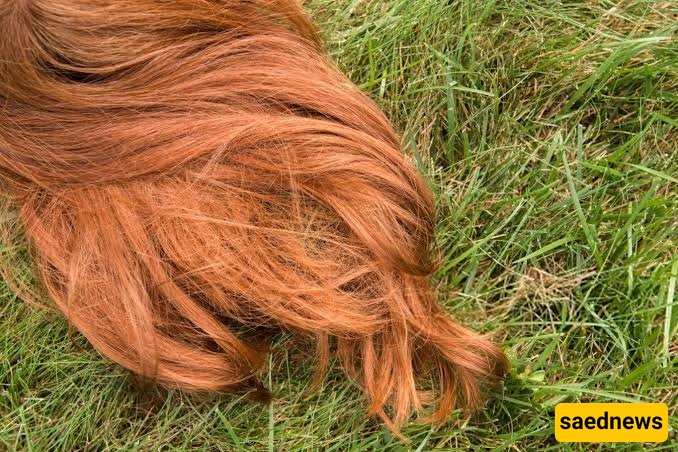
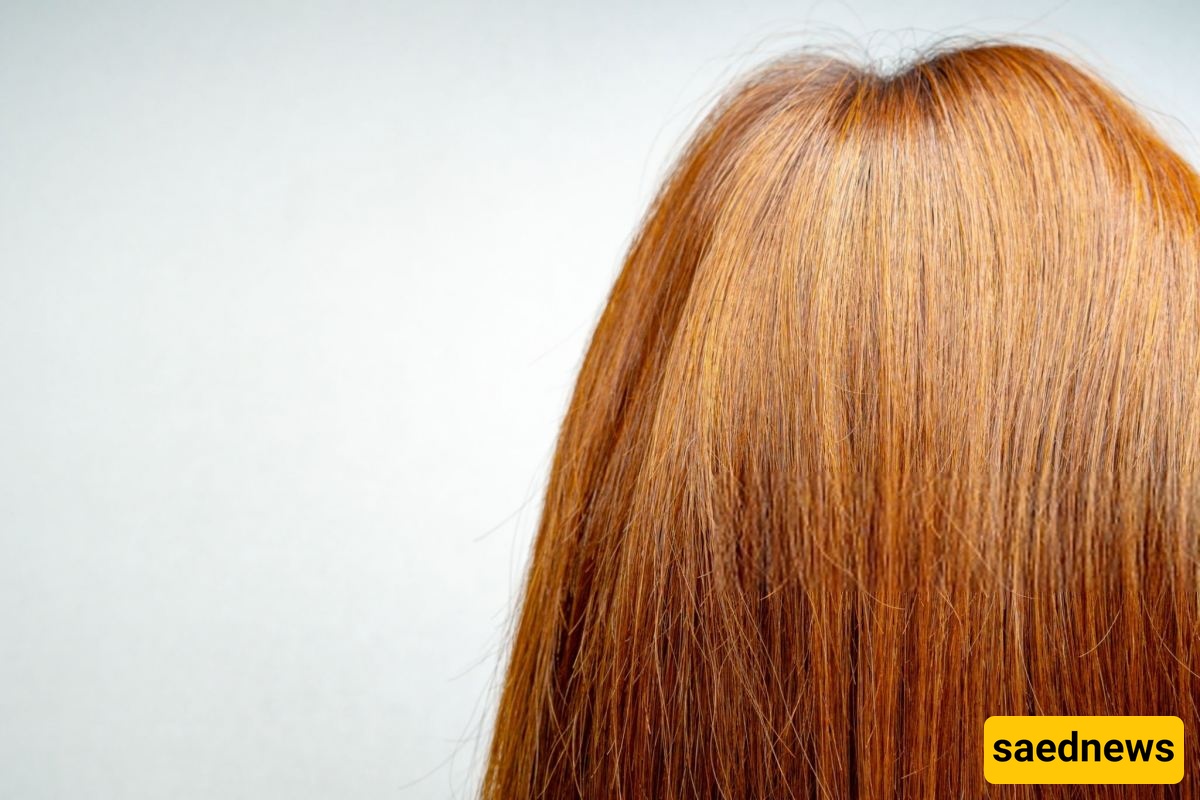
One of henna’s best-known uses is as a natural hair coloring ingredient. Pure henna typically produces shades ranging from orange-red and copper to deeper reddish tones, depending on the starting color and application method.
Henna can also be combined with other plant-based dyes, particularly indigo, to create darker shades such as brown and black. Coffee or black tea are also traditionally used in henna mixtures to modify the final tone, although their effect on the color is generally limited.
Unlike conventional oxidative hair dyes, pure henna does not chemically lighten the hair. Instead, its pigment binds to the hair shaft and can create a glossy, coated appearance.
It is important to note that pure henna usually turns gray or white hair a bright copper-orange to reddish color. For a darker result, it is commonly combined with indigo or used as part of a two-step plant-dye process.
People with fine or thin-looking hair often use henna because it coats the hair shaft and can make individual strands feel thicker. This coating effect may give the hair a fuller appearance and can make styling easier.
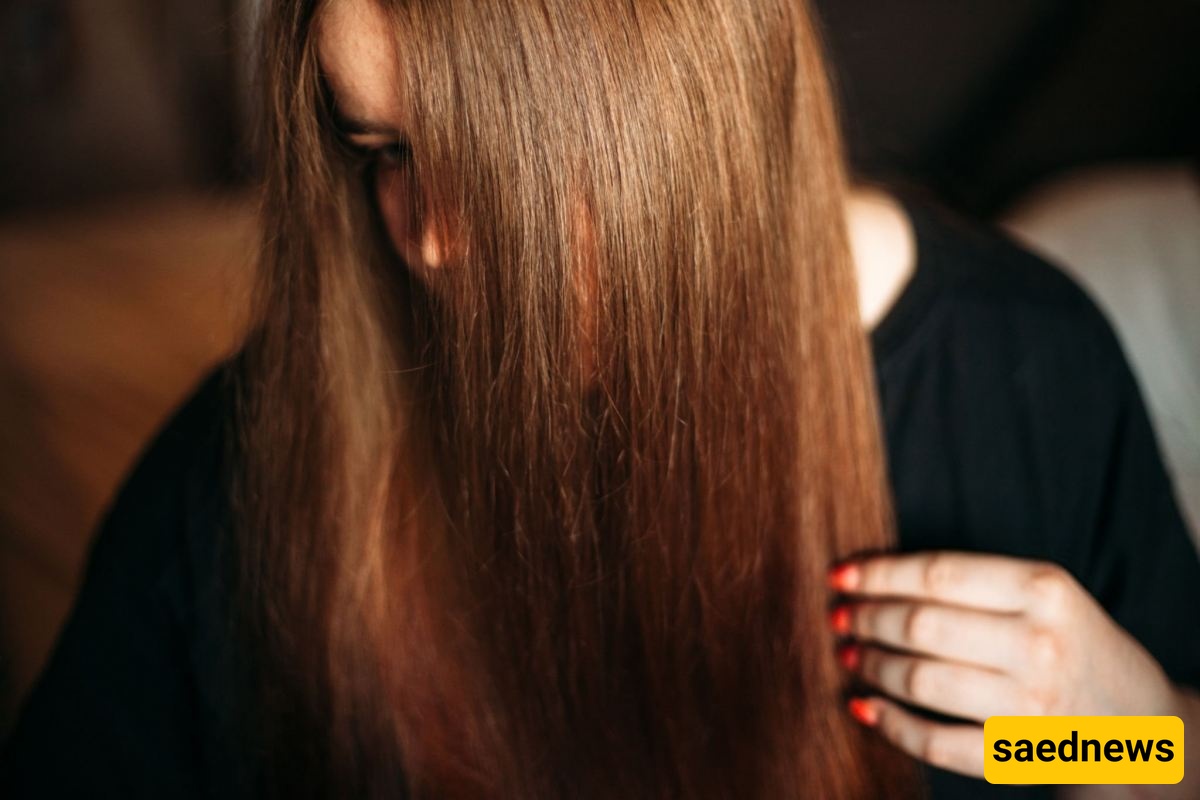
Henna may also help smooth the outer surface of the hair, contributing to increased shine and a more polished appearance. However, because henna can be drying for some hair types, people with naturally dry or coarse hair may prefer to combine it with conditioning ingredients or follow the treatment with a moisturizing conditioner.
Henna is often included in traditional hair-care routines intended to reduce breakage and improve the overall condition of the hair. By coating and conditioning the strands, it may help protect them from mechanical damage and make them less likely to snap.
This is different from treating the underlying causes of hair loss. Hair shedding can result from genetics, hormonal changes, nutritional deficiencies, stress, illness, medications, and scalp conditions. Henna should therefore not be considered a substitute for diagnosis or treatment when significant or persistent hair loss occurs.
Hair is exposed to sunlight, air pollution, dust, heat-styling tools, and other environmental factors every day. Over time, these factors can contribute to dryness, dullness, and damage to the hair fiber.
The coating created by henna may provide some physical protection to the hair shaft and can help hair maintain a smoother and shinier appearance. Henna also contains naturally occurring plant compounds with antioxidant activity. Nevertheless, it should not be considered a complete substitute for dedicated UV-protective hair products or other methods of protecting hair from prolonged sun exposure.
To use henna as a traditional hair treatment or natural dye, start with pure henna powder and mix it with water until a smooth, yogurt-like paste forms. Some traditional recipes use black tea or other acidic ingredients, such as lemon juice, to influence the dye-release process.
Allowing the mixture to rest for several hours is a traditional method of releasing the pigment. The exact timing depends on the type and quality of the henna and the desired result.
Once prepared, apply the paste evenly to clean, dry hair, making sure the roots and lengths are adequately covered. Cover the hair with a shower cap or plastic wrap and leave the henna on for approximately one to four hours, depending on the desired color intensity.
Afterward, rinse thoroughly with lukewarm water. A gentle shampoo and conditioner can be used if needed. Because henna may leave some hair types feeling dry, applying a suitable conditioner or a small amount of a lightweight hair oil afterward can help restore softness.
If your hair is naturally dry, consider following a henna treatment with a moisturizing conditioner to minimize dryness.
Perform a small skin patch test before using henna, especially if you have sensitive skin or a history of reactions to cosmetic products.
Choose pure, high-quality henna from a reputable source. Some products marketed as “black henna” may contain additives such as PPD, which can cause serious skin reactions.
Avoid applying henna too frequently if it makes your hair dry or brittle. A longer interval between treatments may be more suitable for dry or damaged hair.
If your hair has recently been chemically colored, perform a strand test before applying henna to the entire head. Plant dyes can interact unpredictably with previously treated hair.
For the most predictable coloring results, apply henna to clean, completely dry hair.
Always check the ingredient list carefully and avoid products containing unknown chemical dyes or metallic salts.
Overall, henna can be a useful natural option for people interested in plant-based hair coloring and traditional hair conditioning. Its ability to add color, shine, and a thicker-feeling texture makes it particularly appealing. However, choosing pure henna and using it appropriately are essential for achieving good results while minimizing the risk of dryness or unwanted reactions.