SAEDNEWS: The Japanese tassel fern is a beautiful and resilient houseplant that can thrive in low-light conditions. With the right balance of watering, humidity, light, soil, and fertilization, it can be grown successfully indoors with relatively little effort.
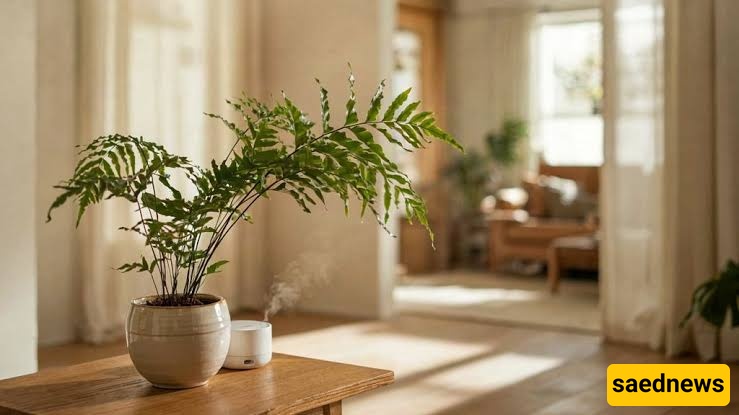
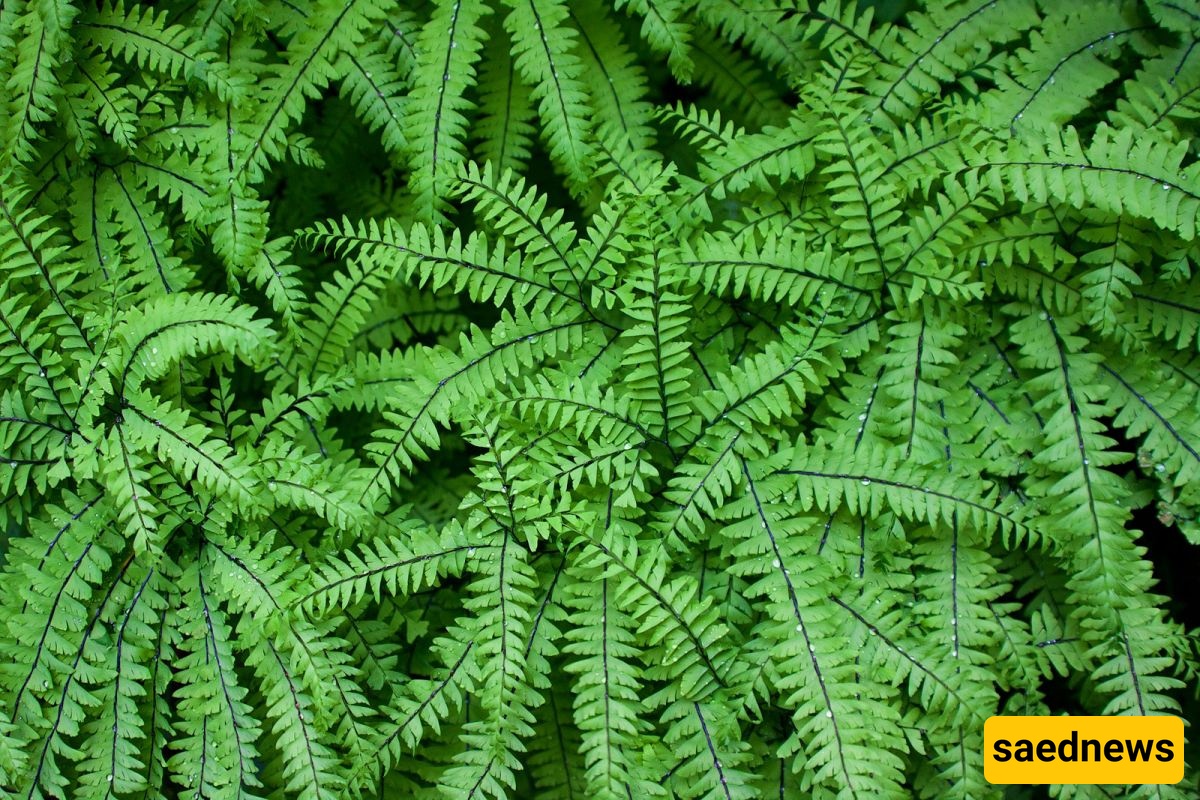
According to Saednews, The Japanese Ribbon Fern is a visually attractive plant that can add a distinctive touch to any indoor space. Its delicate, curled leaves and unique clusters make it an excellent ornamental plant. It can also tolerate low-light conditions, making it a suitable choice for homes that do not receive much natural light. During the warmer months, you can increase the frequency of watering as needed.
Ferns have a strong preference for humid environments. When the surrounding humidity is too low, the leaves may gradually turn brown. For this reason, ferns should always be kept in an environment with sufficient moisture and humidity.
There are several simple ways to provide the humidity your fern needs. From time to time, you can place the plant in the bathroom, where it can benefit from the naturally higher humidity and steam. Another option is to use a humidifier to maintain adequate moisture around the plant.
You can also place a bowl of water near the fern. As the water evaporates, the humidity around the plant will gradually increase. Alternatively, you can mist the fern's stems and leaves with water. Make sure the water used for misting is approximately the same temperature as the surrounding environment.
The ideal temperature range for most ferns is between 15°C and 22°C (59°F and 72°F). Ferns can tolerate temperatures from approximately 10°C to 30°C (50°F to 86°F), but they generally grow best when kept within their preferred range of 15°C to 22°C.
Ferns should not be exposed to direct sunlight. Strong, direct sunlight can cause brown spots and discoloration along the edges of their leaves. Ferns generally grow well in shaded or partially shaded environments, but this does not mean they can thrive without any light.
Indirect light is ideal for meeting a fern's lighting requirements. The filtered daylight coming through a window can often provide enough light. However, ferns may struggle when placed next to west- or south-facing windows because the sunlight can become too strong during the day.
Ferns are generally more comfortable and grow better in areas with lower light levels, but they should not be kept in complete darkness. Ideally, place the plant somewhere where it can receive approximately 4 to 6 hours of indirect or filtered light each day.
The soil used for growing ferns should be light, nutrient-rich, and well-draining. Ferns are commonly found in green, forested environments, and forest-type soil is particularly suitable for their growth.
A mixture containing equal parts peat moss, coarse sand, and loamy soil can provide a suitable growing medium. The soil should also contain plenty of organic matter to support healthy growth while maintaining good drainage.
During the active growing season, fertilize your fern approximately once every two weeks to support healthy growth. A balanced fertilizer designed for houseplants, such as a 10-10-10 fertilizer, is suitable for ferns.
During colder periods, reduce the frequency of fertilization as the plant's growth slows. Avoid excessive feeding and adjust the fertilizer schedule according to the plant's growth and seasonal conditions.