SAEDNEWS: An Iranian traditional medicine specialist says cupping should be performed under a doctor’s supervision and based on a person’s age and physical condition.
According to a report by Saed News, citing the Young Journalists Club, Dr. Zahra Jafari stated that traditional medicine emphasizes several principles for maintaining people’s health. These include the six essential health principles: proper nutrition, adequate sleep, physical activity, stress and emotional management, body cleansing methods, and environmental conditions such as air quality.
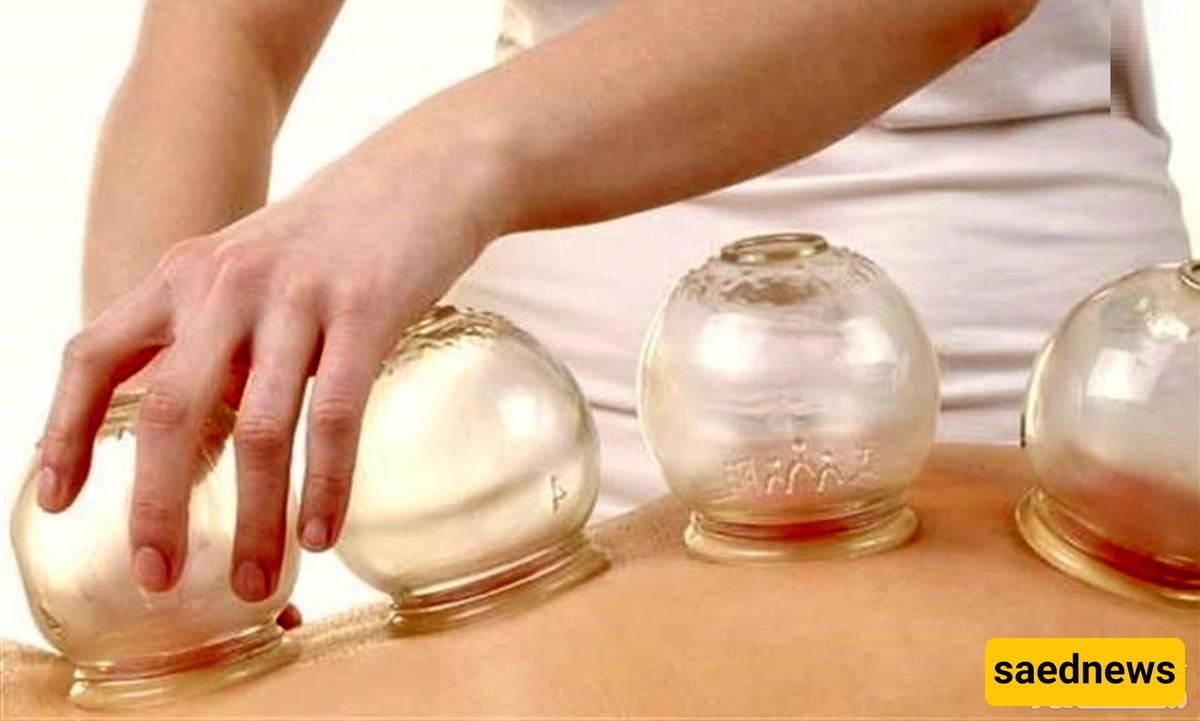
She explained that cupping therapy (Hijama) is one of the methods used for body cleansing and is considered part of preventive and therapeutic approaches in traditional medicine. However, it is regarded as one of the later steps in the process. She said that individuals should first improve their health through proper diet, sufficient sleep, exercise, stress control, and other lifestyle measures before using cleansing methods such as cupping.
Jafari noted that there are two main types of cupping: general cupping and localized cupping. In general cupping, blood is drawn from the area between the shoulder blades, while localized cupping is performed on a specific body part depending on the individual’s health issue.
Explaining the possible benefits of cupping, she said that it is considered a method of body cleansing in traditional medicine, as the blood removed during the procedure is believed to contain certain waste materials from the body.
She added that the physical stimulation caused by cupping may also help activate and strengthen the body’s immune system.
The specialist in Iranian traditional medicine warned against performing cupping without medical supervision. She explained that the procedure requires certain physical conditions, including appropriate blood consistency and density, and therefore it should not be performed by everyone without professional assessment.
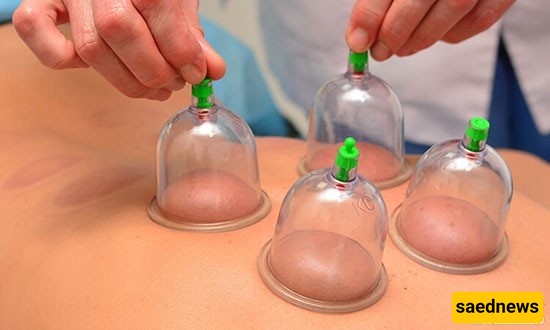
Jafari stated that cupping is mainly recommended for individuals who, according to traditional medicine concepts, have excessive blood activity or a “warm temperament” and experience skin eruptions at the beginning of spring. Even in such cases, she emphasized that the procedure should only be carried out under a physician’s guidance.
She advised people to first consult a traditional Iranian medicine doctor to evaluate their health conditions. The initial steps should include improving dietary habits, followed by the use of herbal remedies and medicinal plants if needed. Cupping should only be considered if these approaches are not sufficient and after medical approval.
Jafari also expressed concern about the decreasing age of people undergoing cupping in society. She said that, unfortunately, cupping is sometimes performed on infants as young as four to six months old, while the famous medical text “The Canon of Medicine” by Avicenna (Ibn Sina) does not recommend cupping for children under 14 years of age.
She added that for people over the age of 60, cupping may be performed only when necessary and with additional caution.