SAEDNEWS: A humidifier helps improve breathing, reduce skin dryness, and protect wooden items by maintaining balanced indoor air humidity.
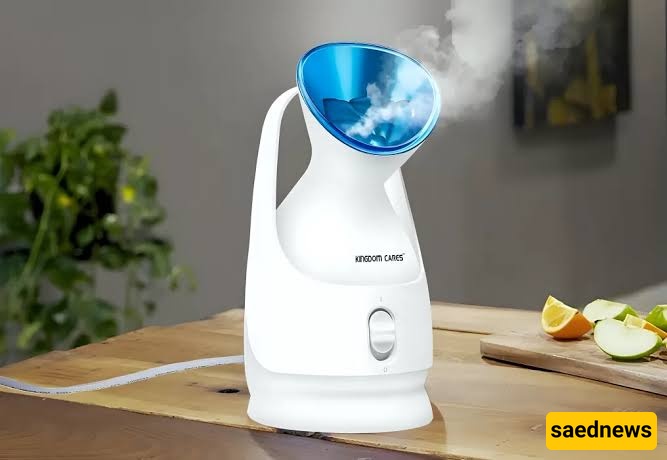
According to Saednews, In today’s busy world, the quality of the air we breathe has a direct impact on our physical and mental well-being. One device that has gained significant attention in recent years is the humidifier. But why do people use humidifiers? Why do many households and workplaces add these devices to their environment? The simple answer is: to maintain balanced humidity levels in the air.
Dry air, especially during cold seasons or in desert climates, can cause various problems, ranging from dry skin and throat irritation to worsening respiratory conditions. A humidifier helps restore moisture to the air, creating a more comfortable and healthier indoor environment. This article explores the main reasons for using a humidifier, its different types, scientifically supported benefits, and essential tips for safe and effective use.
One of the main reasons people use humidifiers is to improve respiratory comfort. Dry air can dry out and irritate the mucous membranes of the nose and throat. These membranes play an important role in the body’s natural defense system, helping filter airborne particles and microorganisms.
By increasing indoor humidity, a humidifier helps keep these tissues moist and supports easier breathing. For people experiencing allergies, asthma, sinus discomfort, or seasonal respiratory irritation, properly humidified air may help reduce dryness and make breathing more comfortable.
Healthy skin requires adequate moisture to maintain softness, flexibility, and a fresh appearance. Dry indoor air can remove natural moisture from the skin, leading to dryness, itching, irritation, flaking, and worsening of certain skin conditions such as eczema.
Using a humidifier in dry environments can help maintain moisture in the outer layer of the skin, keeping it smoother and more comfortable. Maintaining balanced humidity may also help reduce the appearance of fine lines caused by excessive skin dryness.
For this reason, many skincare professionals consider proper indoor humidity control a useful part of maintaining healthy skin.
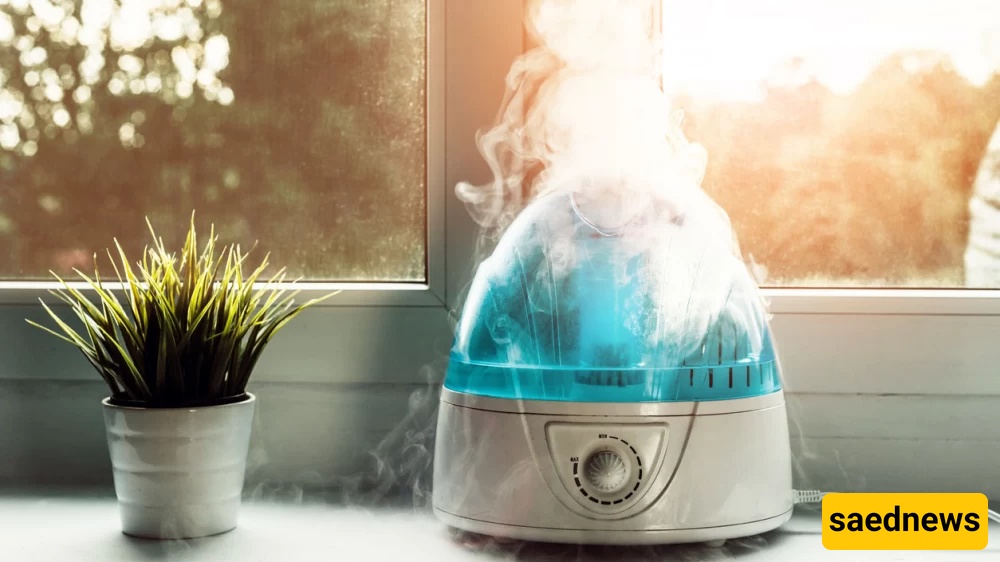
A comfortable sleeping environment is essential for good health. Dry air may contribute to throat irritation, dry coughing at night, and nasal congestion, all of which can disturb sleep.
A humidifier can create a more comfortable bedroom environment by adding moisture to the air and reducing dryness-related discomfort. Some humidifiers also produce a gentle operating sound that may help some people relax, similar to white noise.
Many parents use humidifiers in children’s rooms to help prevent dryness in delicate airways and create a more comfortable sleeping atmosphere.
The benefits of humidifiers are not limited to human health. Wooden materials are sensitive to changes in humidity. When indoor air becomes too dry, wooden furniture, flooring, doors, and wooden musical instruments such as pianos and guitars can shrink, crack, warp, or develop loose joints.
Maintaining a balanced humidity level with a humidifier can help protect these valuable items and extend their lifespan by reducing damage caused by excessive dryness.
Dry air is one of the main causes of static electricity buildup. During winter, touching a door handle, another person’s clothing, or electronic devices may sometimes cause unpleasant static shocks.
Increasing indoor humidity helps reduce static electricity by improving air conductivity and preventing excessive electrical charge accumulation. This can make the environment more comfortable and may also help protect sensitive electronic equipment.
Types of Humidifiers: Choosing the Right One
Understanding the different types of humidifiers can help you select the most suitable option for your needs.
Cool mist humidifiers release tiny water droplets into the air without heating the water. They are commonly used in homes, especially in warm climates or households with children and older adults, because they do not create a burn risk from hot steam.
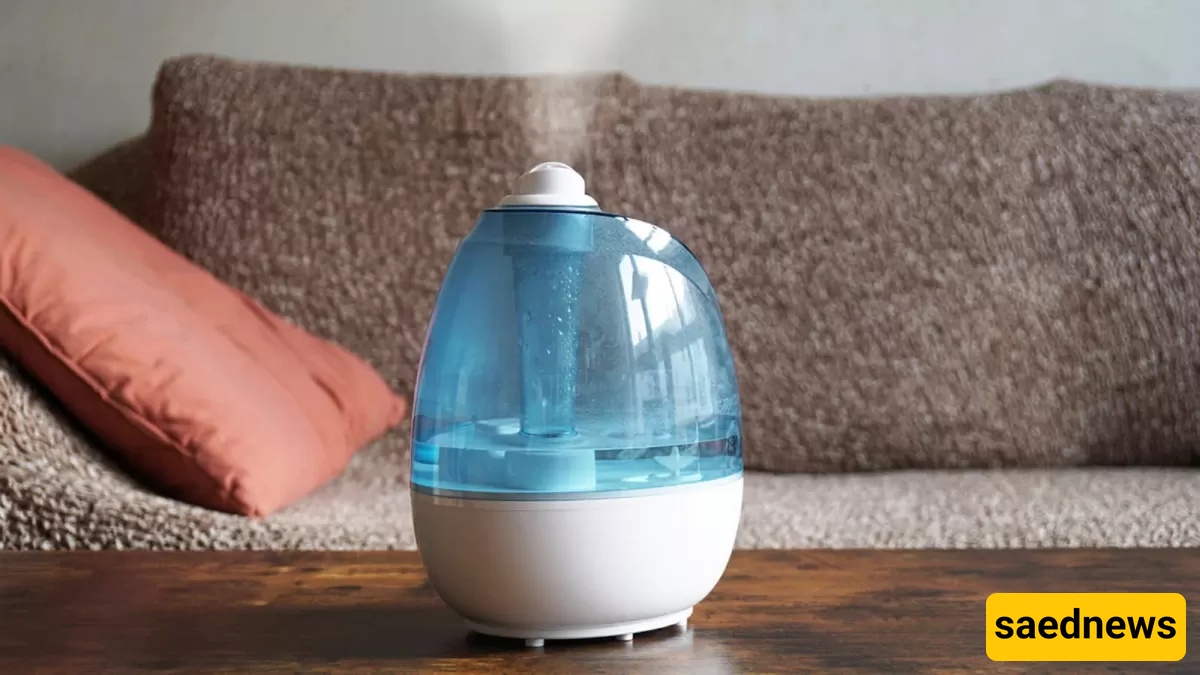
Warm mist humidifiers heat water and release warm vapor into the room. The heating process can help reduce microorganisms in the water and may provide soothing comfort during periods of nasal congestion or cold symptoms.
However, because these devices produce hot steam and surfaces can become warm, they should be placed safely away from children.
Ultrasonic humidifiers are among the most popular types of cool mist devices. They use high-frequency vibrations to create a fine mist from water.
These models are generally quiet, energy-efficient, and suitable for bedrooms or workplaces where low noise is preferred.
Evaporative humidifiers use a fan to pass air through a wet filter, allowing water to naturally evaporate into the room.
They usually distribute moisture more naturally and help prevent excessive humidity, although some models may produce more operating noise because of the fan.
Important Tips for Safe and Effective Humidifier Use
To enjoy the benefits of a humidifier while avoiding possible problems, follow these important guidelines:
Regular cleaning is one of the most important steps. Humidifiers should be cleaned according to the manufacturer’s instructions, usually at least once a week.
Standing water can become a suitable environment for mold, fungi, and bacteria. If contaminated mist is released into the air, it may negatively affect indoor air quality.
Tap water often contains minerals that can become airborne as a fine white dust and settle on furniture and surfaces.
Using distilled water or properly filtered water can reduce mineral buildup and improve device performance.
The ideal indoor humidity level is generally around 40% to 60%. Excessively high humidity can encourage mold growth and increase dust mite activity.
Using a hygrometer to monitor humidity levels can help maintain a healthier indoor environment.
If your humidifier uses a filter, replace it according to the recommended schedule. A dirty filter can reduce performance and become a source of contamination.
Position the device on a stable, flat surface and keep it away from walls, furniture, and electronic equipment. Proper placement helps prevent moisture damage and allows better air circulation.
Conclusion
The reason for using a humidifier goes beyond simply adding moisture to the air. A properly used humidifier can support respiratory comfort, improve skin moisture, enhance sleep quality, protect wooden household items, and create a more pleasant indoor environment.
However, the key to gaining these benefits is responsible use. Choosing the right type of humidifier, cleaning it regularly, using suitable water, and maintaining balanced humidity levels are essential steps for safe operation.
A high-quality humidifier can be a valuable addition to your home, helping create a healthier, more comfortable, and balanced living space for you and your family.