SAEDNEWS: Depressed teenagers often blame themselves for everything that happens, feel no hope for life or the future, and may even think about suicide.
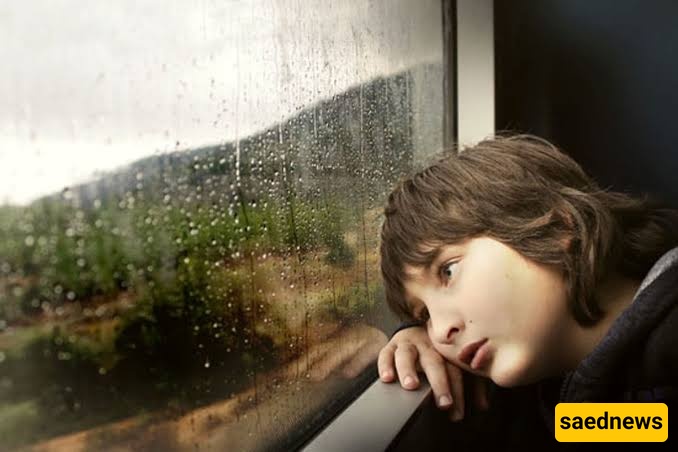
According to Saednews, We all sometimes feel sadness or emotional sensitivity. But depression is a feeling of sadness that lasts more than a few days. What many people do not realize is that it is not just simple sadness. If teenage depression is left untreated, it can lead to more serious problems in the future.
According to the World Health Organization (WHO), India has one of the highest rates of depression, with 36% of the population affected by major mood disorders. As discussed in mental health sources, most patients suffering from these conditions are between the ages of 6 and 25. However, mental health issues such as depression often remain hidden in India and may even lead to severe impairment or loss of normal functioning.
This situation may be changing due to public figures such as Deepika Padukone and Hrithik Roshan speaking about their struggles with depression and breaking the silence around mental disorders. However, the issue still remains widespread.
Most depressed teenagers suffer from loneliness. They face many pressures and questions about identity, belonging, and changes during puberty. Their moods can fluctuate like a pendulum. Unlike adults, they often do not seek help.
Why? Because they rely on parents, teachers, and caregivers to recognize their suffering and help them. However, adults often dismiss these signs as hormonal changes. There are many reasons why teenagers may experience depression, but parents and teachers often overlook them.
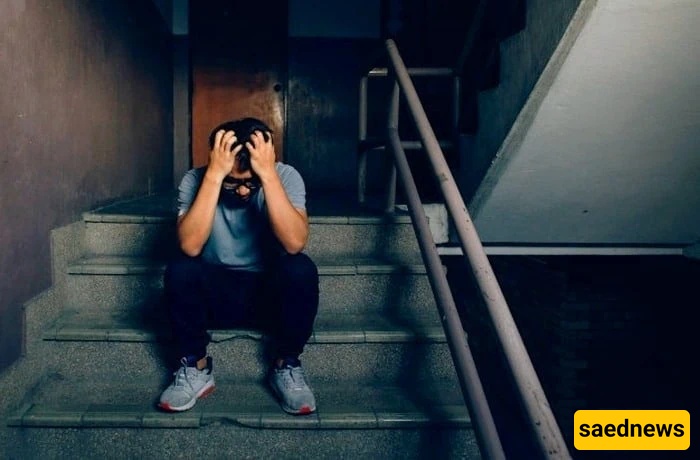
Teenagers may experience feelings of inadequacy and worthlessness related to academic performance, appearance, social status, family life, unrealistic expectations, lack of proper support systems, and relationship problems. If their emotional needs are not met and they feel lonely, their risk of depression increases.
If you have a teenager in your life, it is important to recognize warning signs. Teenage depression can double the risk of depression in adulthood.
It can be difficult to distinguish normal teenage emotional changes from depression. Depressed teenagers are not always obviously sad. In fact, anger, irritability, and rebellious behavior may be more visible signs.
They may lack motivation, stay in their room for long periods after school, or complain of unexplained headaches and stomach pain.

Symptoms can be divided into emotional and behavioral categories:
Loss of interest in normal activities
Feelings of hopelessness and worthlessness
Irritability
Anger and frustration over small issues
Sadness and unexplained crying
Conflict with family and friends
Low self-esteem
Difficulty coping with failure
Self-blame
Difficulty concentrating, remembering, and making decisions
Pessimistic view of the future
Recurrent thoughts of death or suicide
Feelings of guilt

Fatigue and loss of energy
Insomnia or excessive sleeping
Avoiding school
Changes in appetite and weight
Alcohol or drug use
Restlessness
Frequent physical complaints (headaches, pain)
Social withdrawal
Poor academic performance
Neglected appearance
Aggressive or disruptive behavior
Self-harm (cutting, burning, excessive piercing)

Depression is a condition that affects people of all ages. The most important step is proper treatment and management.
Child and adolescent depression is common, and parents alone cannot handle it. The best approach after diagnosis is to consult a specialist in child and adolescent psychology.
A key method in treatment is behavioral activation—encouraging teenagers to engage in activities that motivate movement without exhausting them. For example, encouraging them to do small tasks, call a friend, or engage in shared activities with parents to reduce emotional stagnation.

Teenagers are very sensitive to judgment. They constantly evaluate themselves through the eyes of others. Improving communication skills can significantly improve their emotional state.
Teenagers often believe their thoughts must immediately turn into reality. This leads to overthinking and immature social behavior. They may withdraw from social situations out of fear of judgment, which increases depression.

Depressed teenagers often blame themselves excessively. They may think: “I always act stupid” or “I always make mistakes.” They generalize their failures as permanent traits instead of situational issues like difficulty exams or external pressure.
This negative thinking pattern is a major cause of depression.
Some therapeutic approaches explore childhood experiences and family relationships to identify root causes of depression. Psychologists analyze early life experiences to uncover unconscious patterns.
In some cases, when depression leads to academic decline or severe dysfunction, medical treatment and medication may be required under professional supervision.