SAEDNEWS: The orchid is a highly beautiful and distinctive plant that can grow both indoors and outdoors. Caring for it requires great attention and patience.
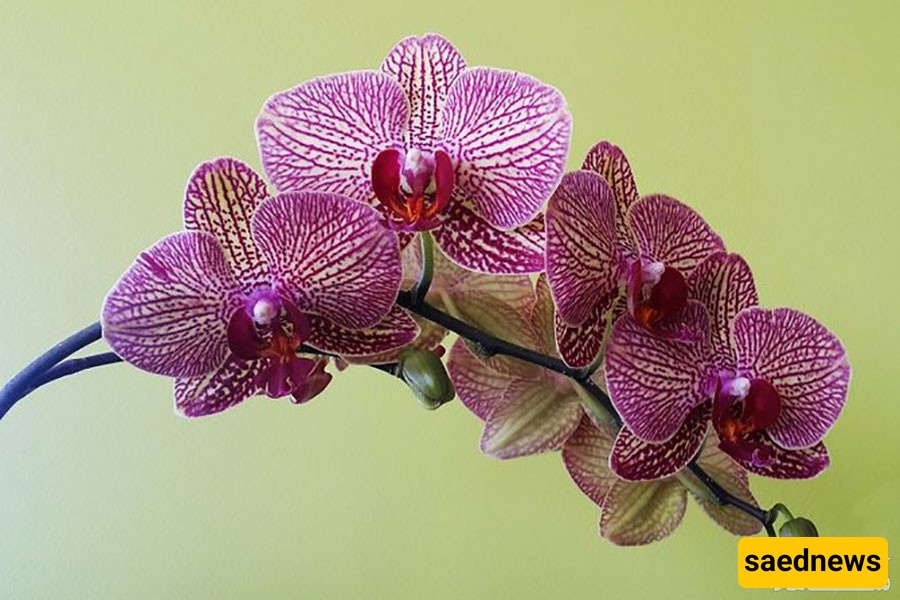
According to Saednews, Choose an orchid species that can survive in your local climate. Different orchids tolerate different temperature ranges:
In areas where summer nights drop below 16°C (60°F), many Dendrobium-type orchids can thrive outdoors.
If summer nights stay consistently above 16°C (60°F), orchids such as Vanda or Cattleya are better choices.
It is important to match the orchid type with your region’s temperature conditions for successful growth.
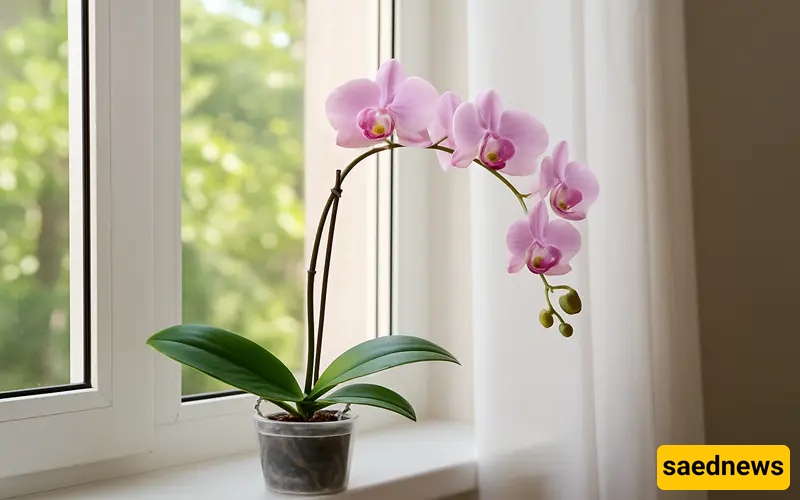
Orchids are best purchased as young plants from garden centers rather than grown from seeds. Seeds require sterile laboratory conditions and can take 2–5 years to bloom.
If a specific orchid variety is not available, ask nursery staff for species suited to your local outdoor environment.
Orchids should only be moved outdoors after the last frost has passed. These plants are tropical and do not tolerate cold conditions.
Ensure average temperatures remain above 13°C (55°F) before placing them outside. If kept indoors, position them near north, south, or east-facing windows for adequate light.
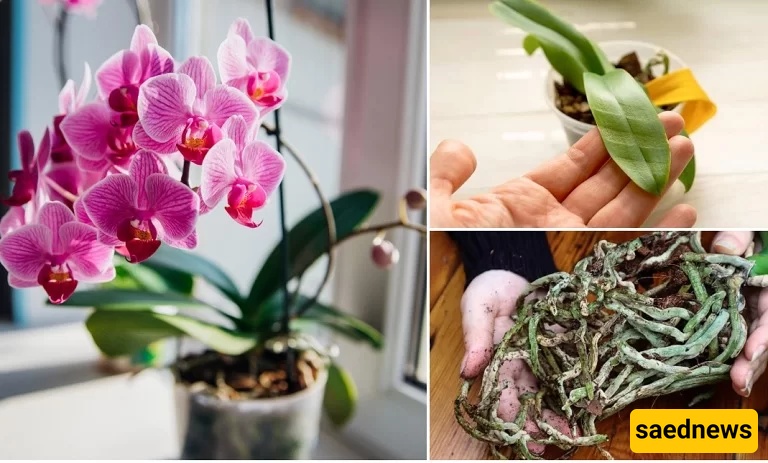
Orchids should be slowly acclimated to outdoor sunlight:
Start with 1–2 hours of morning or evening sun daily
After one week, increase exposure to 3–4 hours
After another 1–2 weeks, move them to a location with morning sun and shaded midday protection
Orchids do not tolerate strong direct sunlight. Ideally, they should receive light mainly in the cooler parts of the day.
Growing orchids in pots makes it easier to move them when needed.
Use pots with drainage holes to prevent root rot
Carefully transfer the plant into a slightly larger pot if necessary
Use a mix of orchid bark, sphagnum moss, and pine bark (or similar airy medium) to support root ventilation
Avoid water accumulation around the roots.
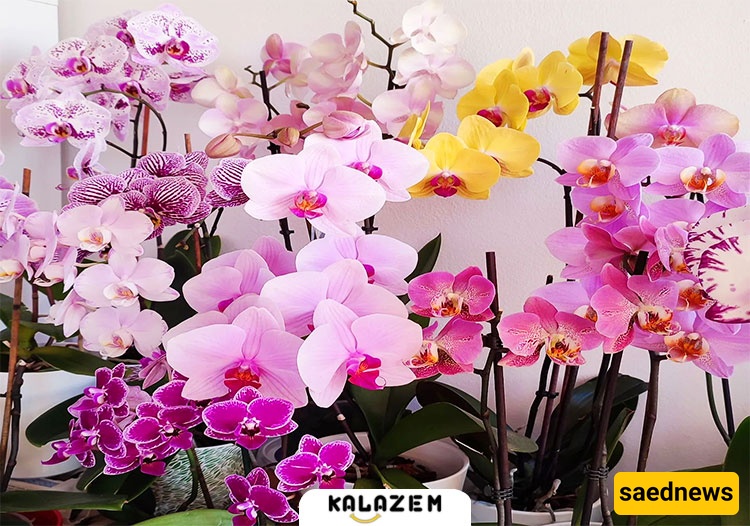
For outdoor garden planting, replace ordinary soil with a well-draining mix such as sand and organic materials.
Dig a hole and ensure at least 30 cm (1 foot) of loose, airy medium around the roots
Plant the orchid and fill the space with a sandy, well-aerated mixture
Orchids can also be attached to trees for a natural decorative effect.
Gently tie the orchid stem to a tree using biodegradable string
Over time, the string decomposes and the orchid may attach to the tree naturally
This method works best in warm, humid climates with frequent rainfall. Suitable trees include those that allow filtered light, such as oak, citrus, and palm trees.
Orchids do not grow in regular garden soil. In nature, they grow on trees and absorb moisture from the air. A suitable medium includes:
Bark chips
Moss
Charcoal
Perlite
Good air circulation around the roots is essential.
Most orchids prefer bright, indirect sunlight. Direct sunlight can burn leaves, while insufficient light prevents flowering.
Ideal temperature range: 16–26°C
Watering should be done only when the top layer of the growing medium becomes dry.
Typically every 5–12 days indoors
More frequent in warm summer conditions
Overwatering and underwatering are both harmful.
Apply a diluted liquid fertilizer every two weeks to support healthy growth and flowering.
Orchids require high humidity. This can be maintained by:
Placing a water tray near the plant (without direct root contact)
Using a humidifier
After the flowers fall, inspect the flower spike carefully. If small protective nodes (bracts) are present, do not cut the stem. New side shoots may develop, leading to additional flowering.