SAEDNEWS: Indian music is an ancient and diverse tradition that includes classical styles like Hindustani and Carnatic music, based on raga (melody) and tala (rhythm). It also features rich folk and modern forms like Bollywood music, and plays an important role in India’s culture and spirituality.
According to Saednews, Indian music is one of the oldest and most diverse musical traditions in the world. Rooted in thousands of years of cultural, spiritual, and artistic evolution, it continues to thrive in both classical and contemporary forms. From ancient Vedic chants to modern Bollywood hits, Indian music reflects the country’s vast cultural landscape and emotional depth.
The origins of Indian music can be traced back to the ancient scriptures known as the Vedas, particularly the Samaveda, which emphasized musical chanting. Over time, this early spiritual sound system evolved into highly structured musical traditions.
Two major classical systems developed:
Hindustani music (North India)
Carnatic music (South India)
While both share common roots, they developed distinct styles, instruments, and performance practices over centuries.
Indian classical music is built on two essential concepts:
Raga: A melodic framework that defines a mood, emotion, or time of day. Each raga has specific ascending and descending notes that guide improvisation.
Tala: The rhythmic cycle that organizes time in music. Talas can be simple or extremely complex, creating intricate rhythmic patterns.
Together, raga and tala create a dynamic system that allows performers to improvise while staying within traditional boundaries.
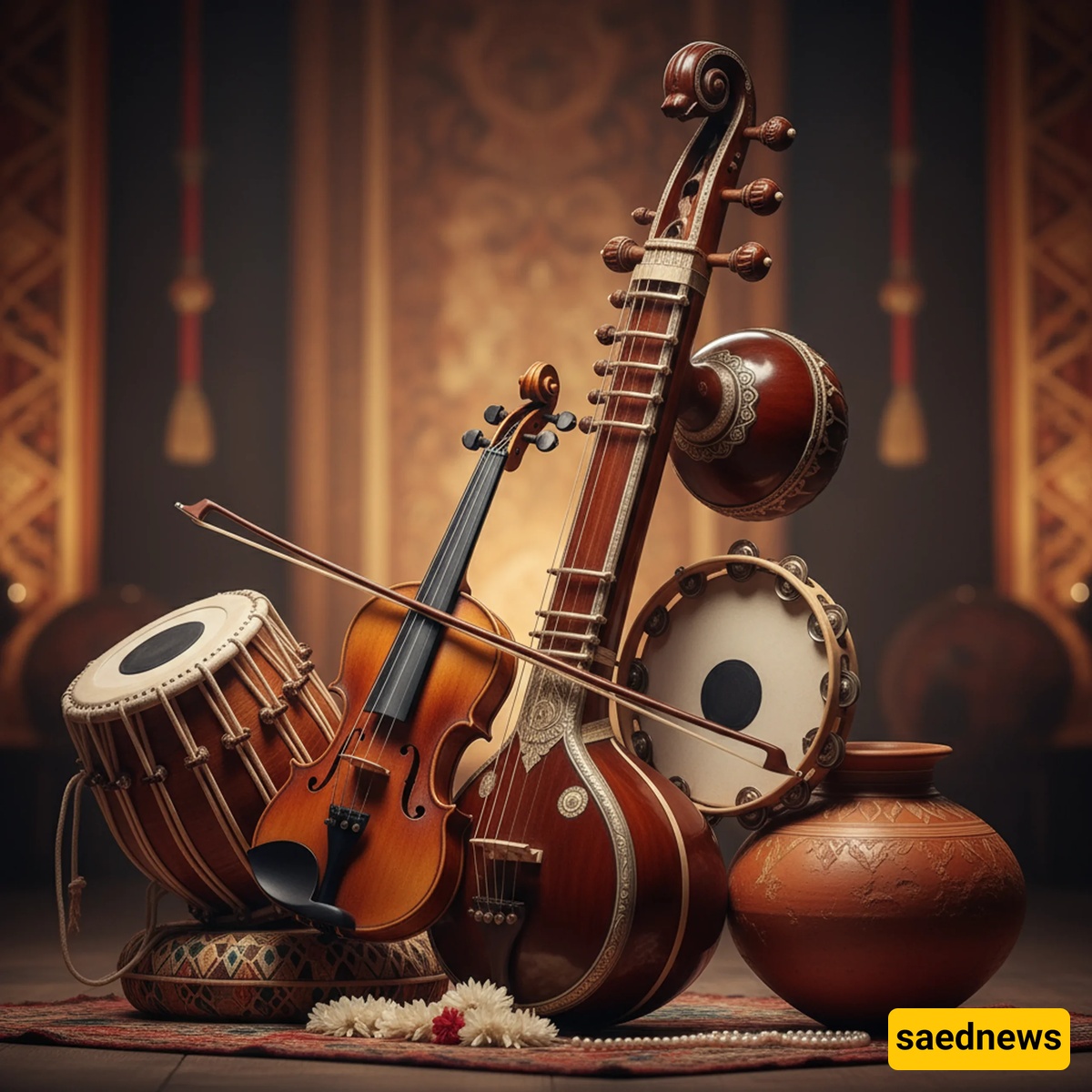
Indian music features a wide variety of traditional instruments, each contributing unique textures and tones:
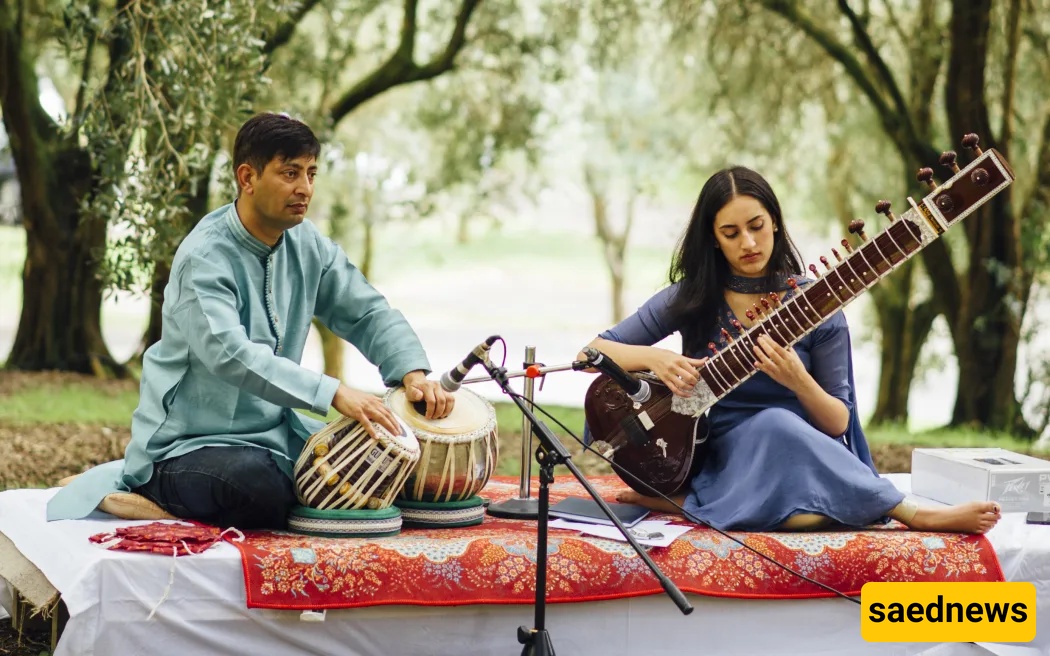
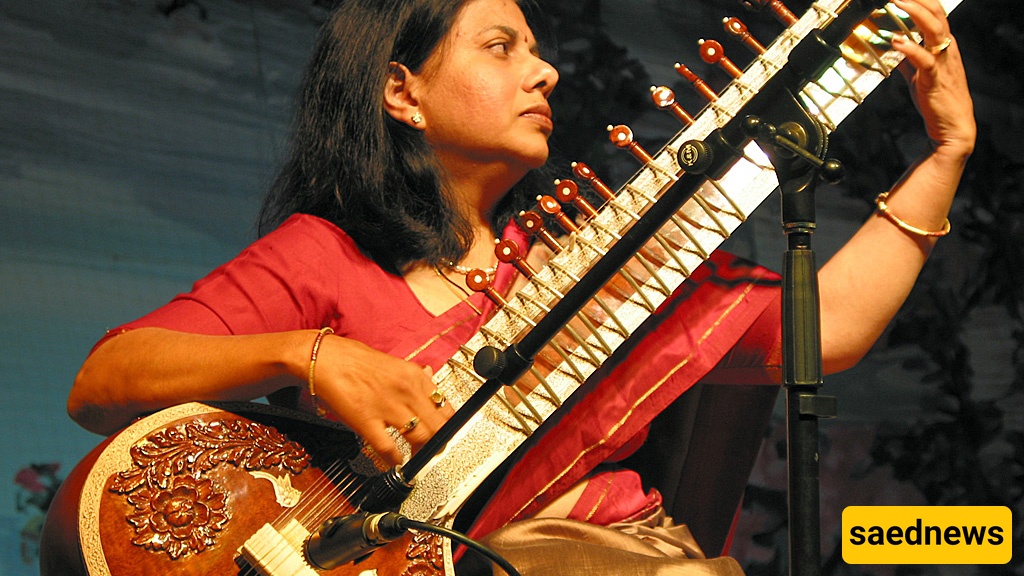
Sitar – A plucked string instrument known for its rich, resonant sound
Tabla – A pair of hand drums central to rhythm in Hindustani music
Sarod – A deep, fretless string instrument
Veena – One of the oldest string instruments in India
Bansuri – A bamboo flute associated with pastoral and spiritual themes
Mridangam – A key percussion instrument in Carnatic music
These instruments are often used in both solo and ensemble performances.
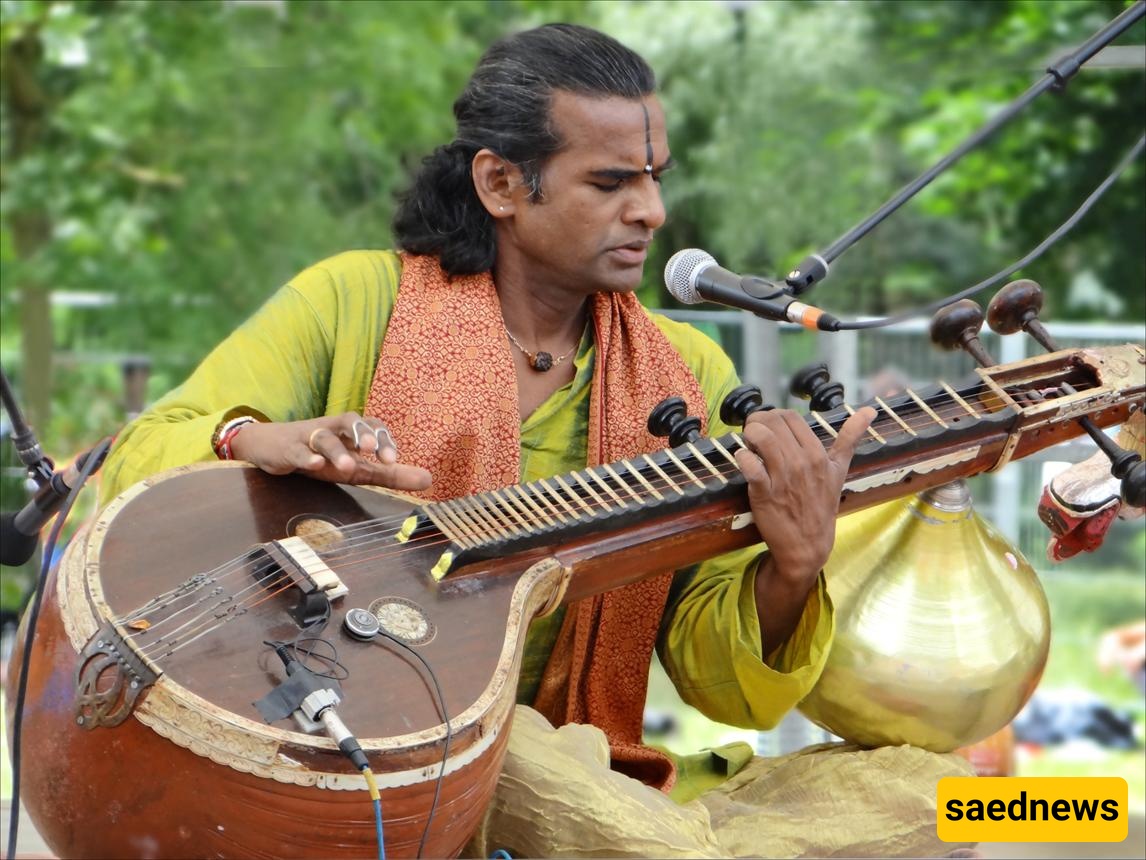
Although both traditions share a common foundation, they differ in style and structure:
Hindustani Music (North India):
Strong influence of Persian and Mughal culture
Focus on long improvisational performances
Popular forms: Khyal, Dhrupad, Thumri
Carnatic Music (South India):
More composition-based and structured
Emphasis on devotional themes
Popular forms: Kriti, Varnam, Tillana
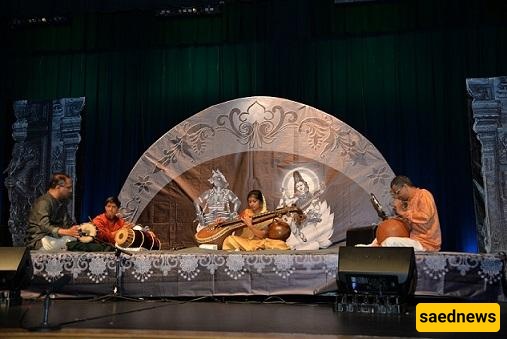
Beyond classical traditions, India has a vast array of folk music styles that vary by region:
Bhangra (Punjab) – energetic and dance-oriented
Baul music (Bengal) – spiritual and philosophical
Lavani (Maharashtra) – rhythmic and expressive
Rajasthani folk – known for storytelling and desert culture
Assamese Bihu songs – associated with harvest festivals
Folk music plays an essential role in festivals, rituals, and everyday life.
In the 20th and 21st centuries, Indian music has expanded into new genres:
Bollywood music – blending Indian melodies with global pop, jazz, and electronic styles
Indian pop (Indipop) – independent pop music culture
Fusion music – combining Indian classical elements with Western genres like jazz, rock, and EDM
Artists today continue to experiment, creating global collaborations and reaching international audiences.
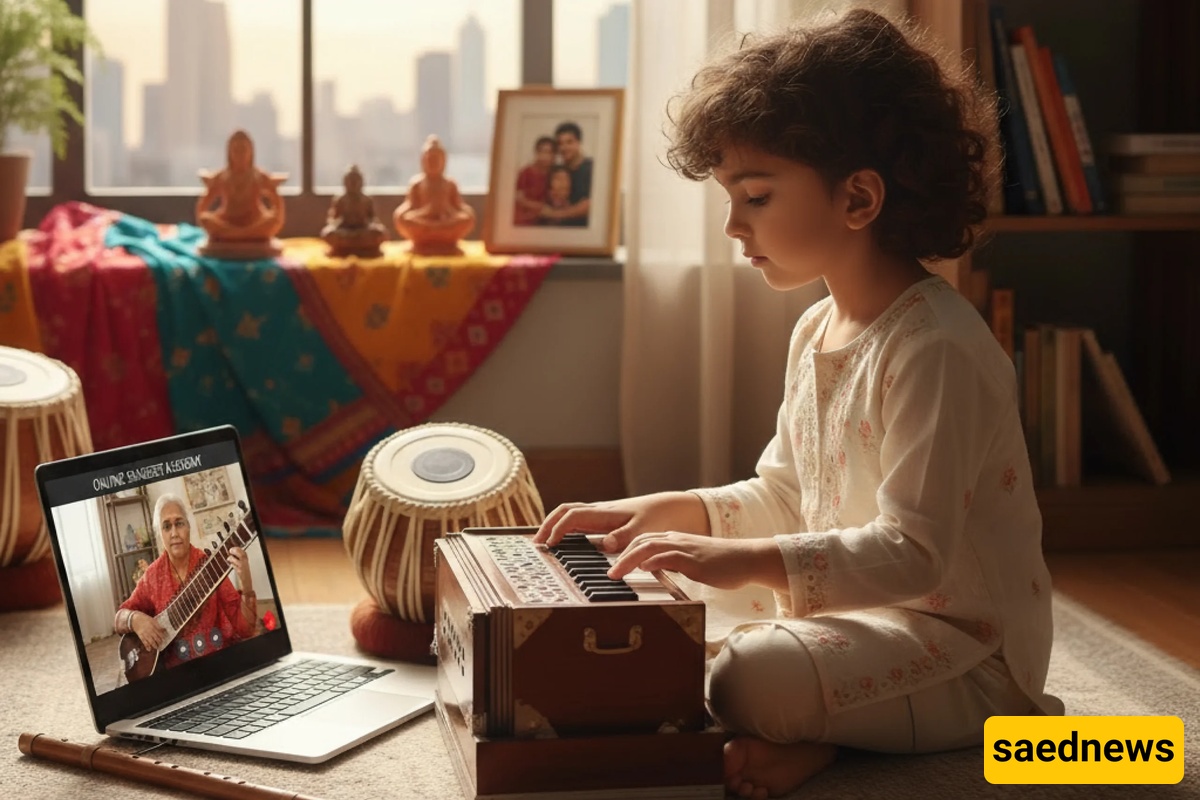
Music in India is not only entertainment—it is deeply spiritual and cultural. It is used in:
Religious ceremonies and temple rituals
Meditation and yoga practices
Festivals and celebrations
Storytelling and oral traditions
Indian philosophy often views music as a path to emotional expression and spiritual elevation.
Indian music is a vibrant tapestry woven from ancient traditions and modern innovations. Its ability to preserve heritage while embracing change has allowed it to remain relevant for thousands of years. Whether through a classical raga or a Bollywood soundtrack, Indian music continues to inspire audiences around the world with its depth, beauty, and emotional power.