SAEDNEWS: Love at first sight is a desirable experience for many people, and we have often read and heard about falling in love with just one glance in stories and tales. When two strangers meet for the first time, they may instantly fall deeply in love with each other, as if they have been searching for one another for years.

According to SaedNews Family Magazine, do you also believe in love at first sight? Some people say they have experienced it and managed to build successful relationships. However, some psychologists and researchers argue that what people call “love at first sight” is often mistaken for intense attraction or emotional connection during the first meeting.
Of course, falling in love depends on a person’s behavior, mindset, and definition of love. But according to Lauren Vogel Mersy, a psychologist and sex therapist, romantic love requires deep knowledge of a person and understanding their behavior and personality traits. Fully knowing someone in a single glance is impossible. Therefore, love at first sight can be seen more as a strong attraction and emotional connection between hearts. With this interpretation, one might say love at first sight does exist.
Some individuals are “addicted” to love at first sight. They are addicted to the feeling of love itself—especially the emotional high that occurs at the beginning of a relationship. These people are often in love with the idea of falling in love rather than the actual person.
They quickly feel attracted to new people and enter relationships almost immediately. It is as if their reasoning temporarily shuts down, and they believe, “This relationship is amazing,” even though they barely know the person.
The key point is that they do not want to truly know the other person, because doing so might force them to lower the idealized image they have created. Once reality appears, the person no longer matches the fantasy.
In most cases, love at first sight is not true love but rather a form of infatuation or desire. The person is often in love with their own mental image of the other, not the real individual. In reality, they are craving attachment and emotional dependence.
Some people can immediately sense compatibility when meeting someone for the first time. However, for those “addicted” to love at first sight, the experience is different—they fall in love instantly, but it is often not genuine love. After marriage or living together, they may suddenly feel disillusioned and believe they are no longer in love, sometimes even considering ending the relationship.
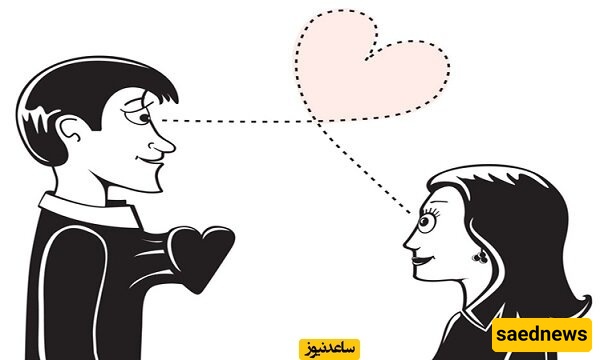
Are you unsure whether you have experienced love at first sight? The following signs may help you understand:
Your heart feels like it is shaking
Adrenaline is released in the body, creating a strong physical reaction in the heart.
You feel like you have met them before
Even if it is your first meeting, the person feels strangely familiar.
You cannot concentrate around them
Their presence disrupts your focus and may even cause nervousness or speech difficulty.
You feel confused by your behavior
You may act without knowing why, feel drawn toward them, or stare without intention.
You want to talk to them for a long time
There is a strong desire to communicate and stay connected.
You cannot stop thinking about them
They constantly occupy your thoughts.
They also seem interested in you
You may notice mutual attention such as smiles or friendly behavior.
You smile when thinking about them
Even brief memories bring happiness.
They feel familiar, not like a stranger
You feel comfort and ease despite just meeting them.
Your heartbeat increases when you see them
Physical signs like a fast heartbeat appear.
You want to keep meeting them
You constantly seek opportunities to see them again.
You find them extremely attractive
Their appearance and personality seem uniquely perfect to you.

You imagine them in your life
You visualize a shared future together.
You feel calm around them
Their presence creates emotional comfort.
You feel compatibility in many areas
You believe you understand each other easily.
Your body language changes
You become more energetic, smile more, and adjust your appearance when they are present.
You focus only on them
Others seem unimportant in their presence.

You become curious about them
You want to know their interests, personality, and life goals.
In studies conducted by Zsok and colleagues, several questions were examined using both simulated and real-life social scenarios. The research investigated whether people truly experience love at first sight, whether physical attractiveness influences it, and whether it predicts romantic commitment or sexual attraction.
The studies included laboratory experiments, online surveys, and real dating situations involving 396 participants (62% women, average age 24). Participants were shown images of potential partners and asked to imagine quick emotional connections, similar to modern dating apps.
Results showed that what people report as “love at first sight” is often more closely related to physical attraction and sexual interest than deep emotional love. Measures of intimacy and commitment were generally lower in these initial encounters.
If you find yourself in such a relationship and want a healthy connection, it is important to face emotional realities rather than idealization.
Instead of hiding behind intense infatuation, try to understand your emotions and inner needs. If you have started a relationship based on this feeling, you do not necessarily need to end it. Instead, both partners should work on emotional awareness and gradually build a real and stable relationship.
However, it is advised not to rush into living together. Take time to know each other step by step. Like a seed that grows into a strong tree, relationships should develop slowly and naturally over time.