SAEDNEWS: Nowruz sprouts (sabzeh) are usually grown from seeds such as wheat, lentils, mung beans, cress, and similar grains. However, growing Nowruz sprouts from pumpkin seeds is a bit different. If you want your Nowruz sprouts this year to have a more unique and distinctive appearance, you can follow this guide.
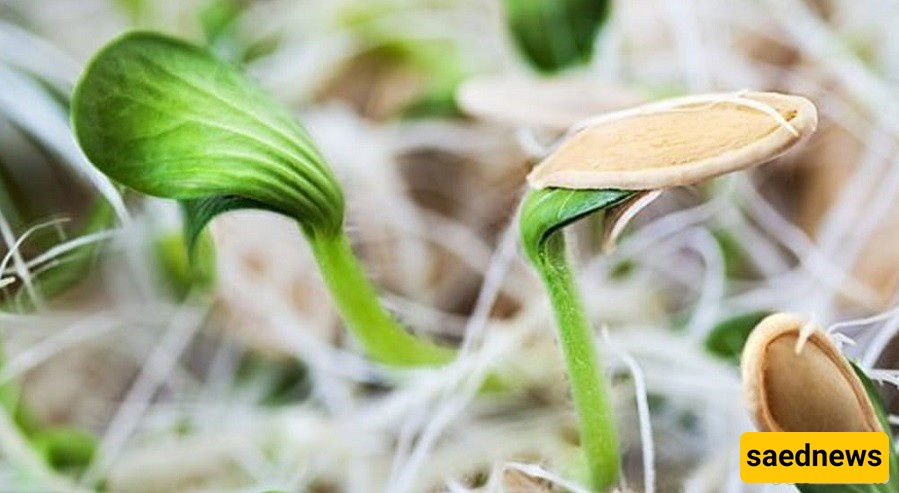
According to Saednews, Growing “sabzeh” (sprouted greens) is one of the traditional steps in preparing for the Persian New Year (Nowruz). If you want to grow your own festive greens at home this year, you should start about 2–3 weeks before Nowruz so that by the holiday you have a lush, beautiful, and vibrant sprout display.
This guide explains how to grow sabzeh using pumpkin seeds, which—unlike wheat sprouts—do not grow in a uniform flat layer. Instead, they create a decorative, garden-like effect in the container.
Pumpkin seeds are considered hard, non-mucilaginous seeds. To prepare them for sprouting:
Soak the seeds for about 48 hours
Change the water twice during soaking
After 48 hours:
Place the soaked seeds inside a cotton cloth bag
Put the bag in a colander so excess water can drain
During the day, open the cloth bag twice daily
Spray water on the seeds each time
Gently mix them so all seeds receive enough moisture and air
After about 3–4 days, the seeds will begin to sprout.
Once sprouting begins:
Spread the seeds in a shallow tray
Do not pile them too thickly or overlap them
Then:
Cover the tray with plastic wrap (cellophane)
Make several small holes in the plastic for airflow
For the first 1–2 days:
Keep the tray in a warm, well-lit area
Spray water three times a day using a spray bottle
After two days:
Remove the plastic cover
Keep the sprouts in the same location
Water them twice daily
After one day, place the sprouts in mild winter sunlight for a few hours
Bring them indoors at night or keep them in a cool, dark place
Important:
Do not expose seeds to direct sunlight while covered, as they may overheat and rot
Start growing your sabzeh about two weeks before Nowruz
Always use raw pumpkin seeds, not roasted ones
This method creates a decorative, modern “mini garden” look.
Steps:
Add small stones or decorative pebbles to the bottom of the container (optional)
Place the sprouted seeds on top
Spray lightly with water
Cover the container with plastic wrap and make small air holes
Spray daily with a mist bottle
Avoid overwatering, as excess moisture can cause rotting
Once sprouts appear, remove the plastic cover
Place the container in bright but indirect light
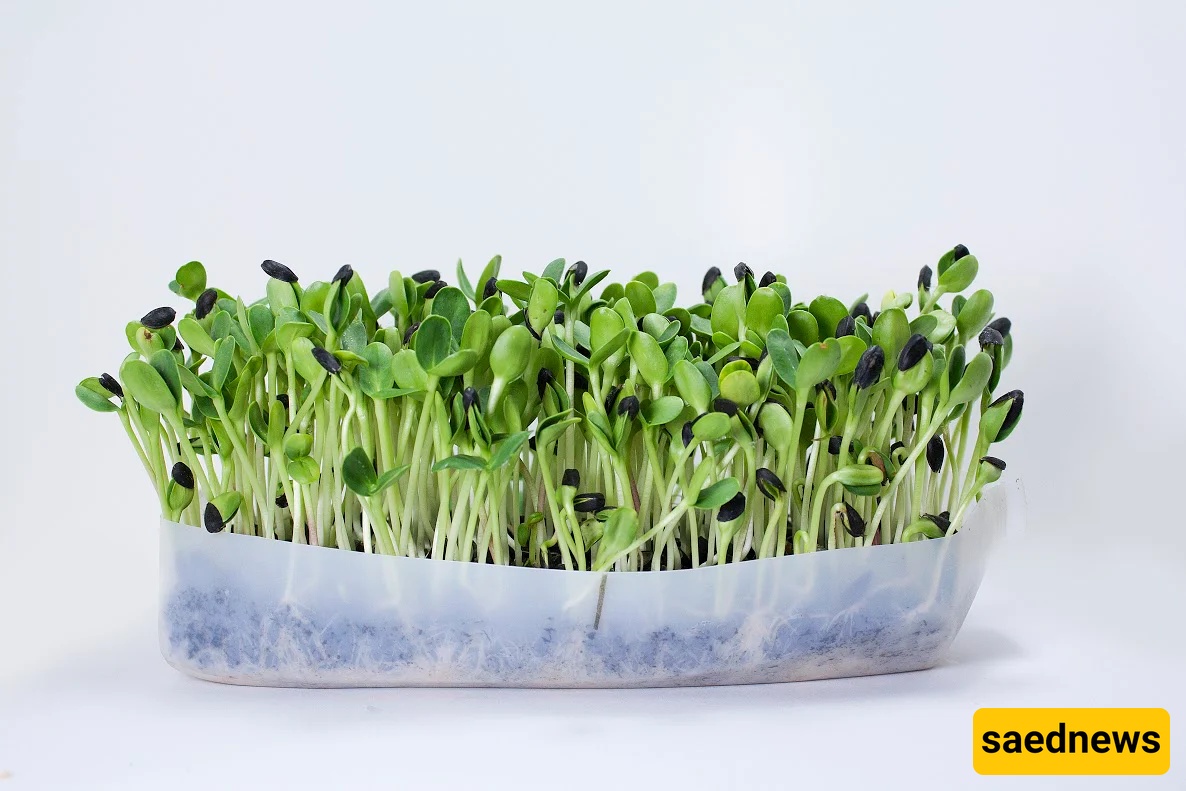
You can also use sphagnum moss as a growing base:
Fill a container (even a cut plastic bottle) with moss
Place sprouted seeds on top
Spray with water
Cover with perforated plastic
After 1 day, remove the cover and mist again
Keep in a bright location with indirect sunlight
Spray water twice daily
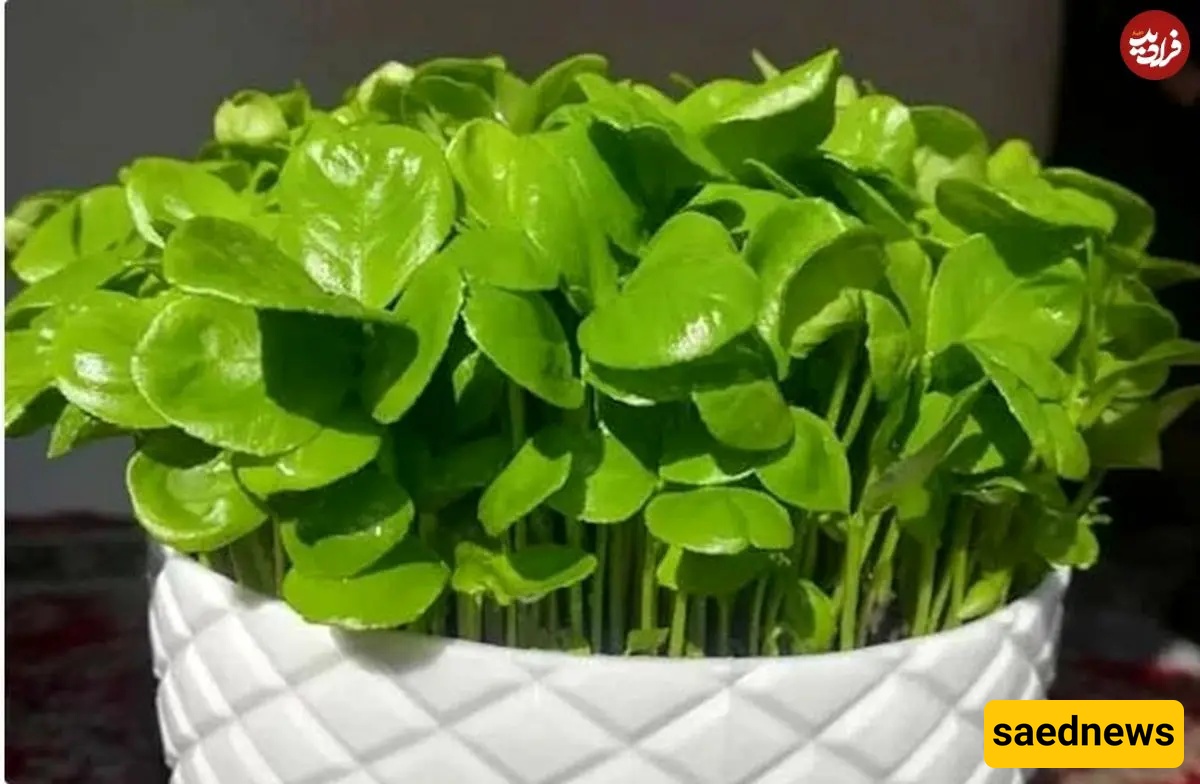
This method allows the sprouts to grow partially in water.
Steps:
Prepare seeds as described earlier
Choose a clear container
Create small holes in a support cup or insert
Place it over a water-filled container
Add sprouted seeds into the upper container
Cover with a damp cloth
Keep the cloth moist regularly using a spray bottle
Over time:
Roots grow downward into the water
Sprouts become greener and stronger
After a few days, you will have a floating green sabzeh display
You can also use other vegetable or herb seeds with this method, but for very small seeds (like cress or parsley), place a fine mesh to prevent them from falling into the water.
Pumpkin seed sabzeh is a creative alternative to traditional wheat sprouts. With proper soaking, moisture control, and light exposure, you can grow a lush, garden-like centerpiece for Nowruz in just a couple of weeks.