SAEDNEWS: This behavior may stem from psychological factors, a need for attention, or imitation. In this article, we examine why children pull their hair, when this behavior becomes concerning, and how parents should respond. Read on for scientific and educational strategies.
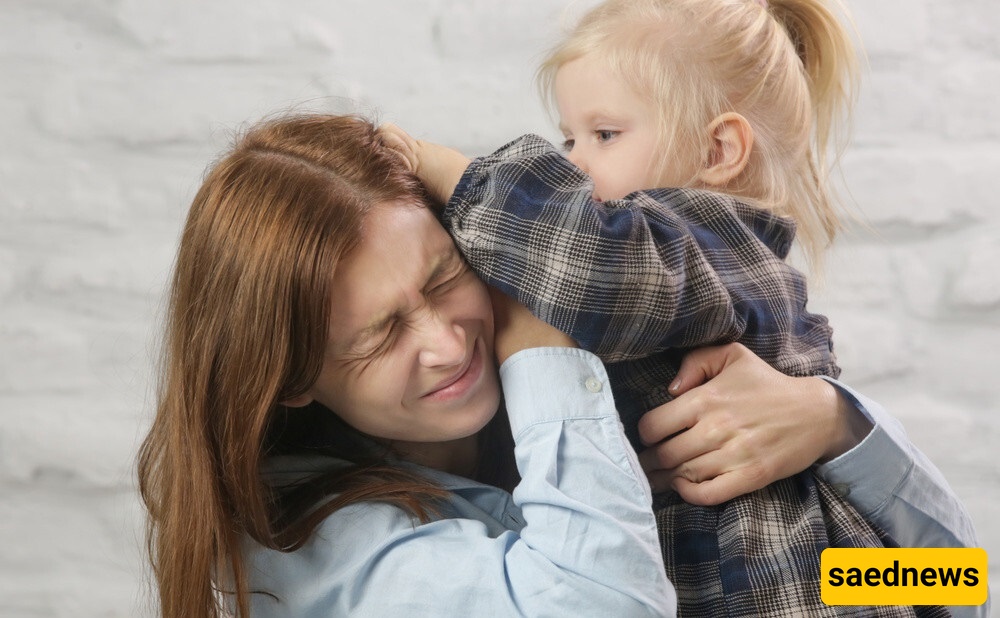
According to Saednews, One of the behaviors that often worries parents is hair pulling in children. This behavior may appear at home, in kindergarten, or during family gatherings, and it is not something that should be easily ignored. Hair pulling can have various causes, including suppressed emotions, imitation, or even a need for attention. This article examines the psychological, biological, and behavioral reasons behind this phenomenon and offers appropriate strategies for parents to manage it.
Due to limited verbal and emotional skills, children often express their feelings through non-verbal behaviors. Hair pulling is one such behavior that, especially at a young age, may indicate anxiety, anger, or confusion.
For example, a child who has experienced neglect or bullying may use hair pulling as a way to gain a sense of control or power over others. In this sense, the behavior becomes a psychological coping mechanism or a form of emotional release.
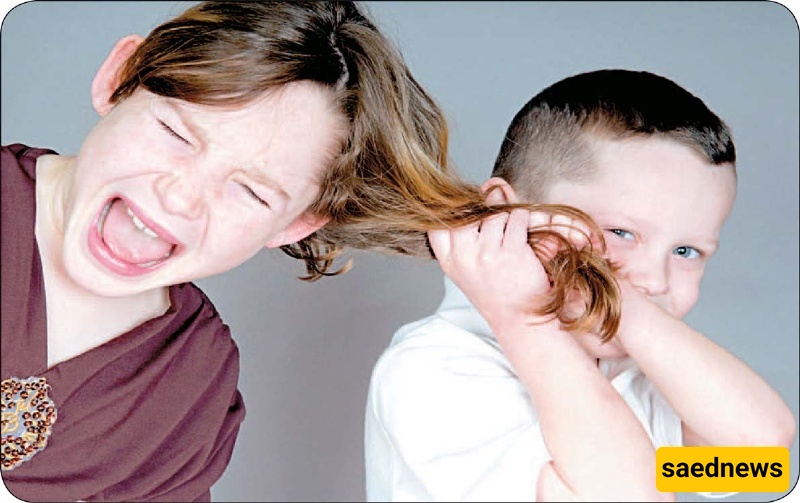
Some children imitate behaviors they observe in others—whether at home, in media, or in kindergarten. In such cases, hair pulling may simply be a form of play or curiosity rather than a sign of deeper emotional issues.
In other cases, the behavior may come from internal struggles. A child who feels insecure or has difficulty building healthy relationships with siblings may resort to hair pulling as a way to express unmet emotional needs.
If hair pulling becomes frequent, is accompanied by other aggressive behaviors, or continues beyond the age of five, parents should take it more seriously. Persistent aggressive behaviors may indicate deeper issues such as behavioral disorders, anxiety, or depression.
Additionally, if a child pulls their own hair (a condition known as trichotillomania), consulting a child psychologist is essential, as this may be linked to stress or anxiety disorders.
The most important point is that parents should not punish the child for this behavior. Yelling, threatening, or physical punishment is not only ineffective but may also worsen the behavior.
Instead, parents should:
Provide a safe and calm environment for the child
Recognize and name the child’s emotions (“I understand that you are upset…”)
Teach alternative ways to express anger or frustration, such as drawing, talking, or playing

If the behavior persists or is accompanied by other concerning signs such as self-harm, nightmares, or social withdrawal, consulting a child psychologist becomes necessary. Specialists can use play therapy or cognitive-behavioral therapy to help the child better manage emotions.
Family counseling may also help parents evaluate and improve their parenting style if needed.
Hair pulling in children is not necessarily a dangerous behavior, but it should not be ignored. It can be a sign of emotional needs, anxiety, or imitation. Parents should respond calmly and thoughtfully, and seek professional help if the behavior continues or worsens. By creating a safe environment, paying attention to emotions, and teaching healthy ways of expression, this behavior can gradually be reduced.