SAEDNEWS: If you don’t like spinach, don’t worry; a nutrition expert says that 9 foods such as berries, walnuts, and cocoa can boost the body’s antioxidants and, in some cases, may even work better than spinach.
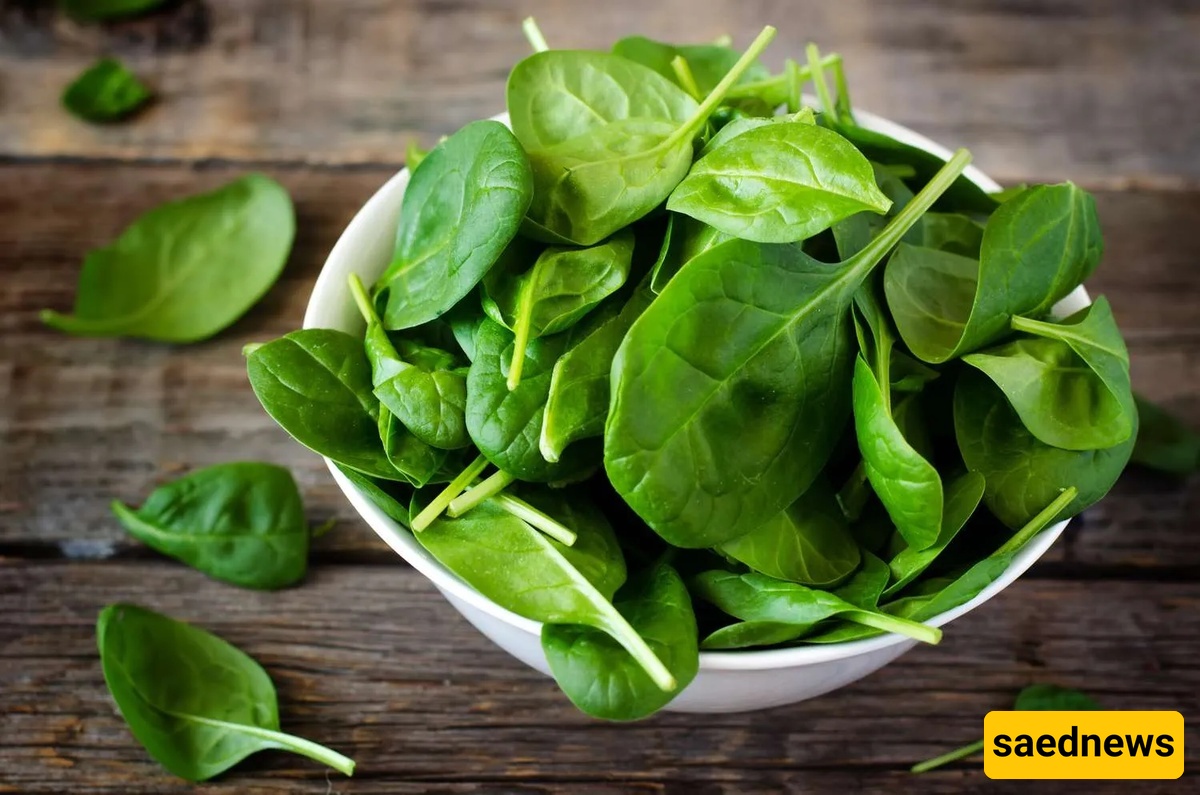
According to the science and technology section of the Saed News website, spinach is rich in flavonoids—antioxidants that fight inflammation and protect cells from damage caused by free radicals. However, Erin Palinski-Wade, a New Jersey-based nutritionist and author, told Health that many other foods can match or even exceed spinach in certain antioxidant categories. Here are nine of them:
Apples are rich in antioxidants, including flavonoids and phenolic acids, which support the immune system and help protect cells from damage. They also contain phloridzin, a compound that may support liver health. In addition, apples are a strong source of fiber, providing about 5 grams per serving.

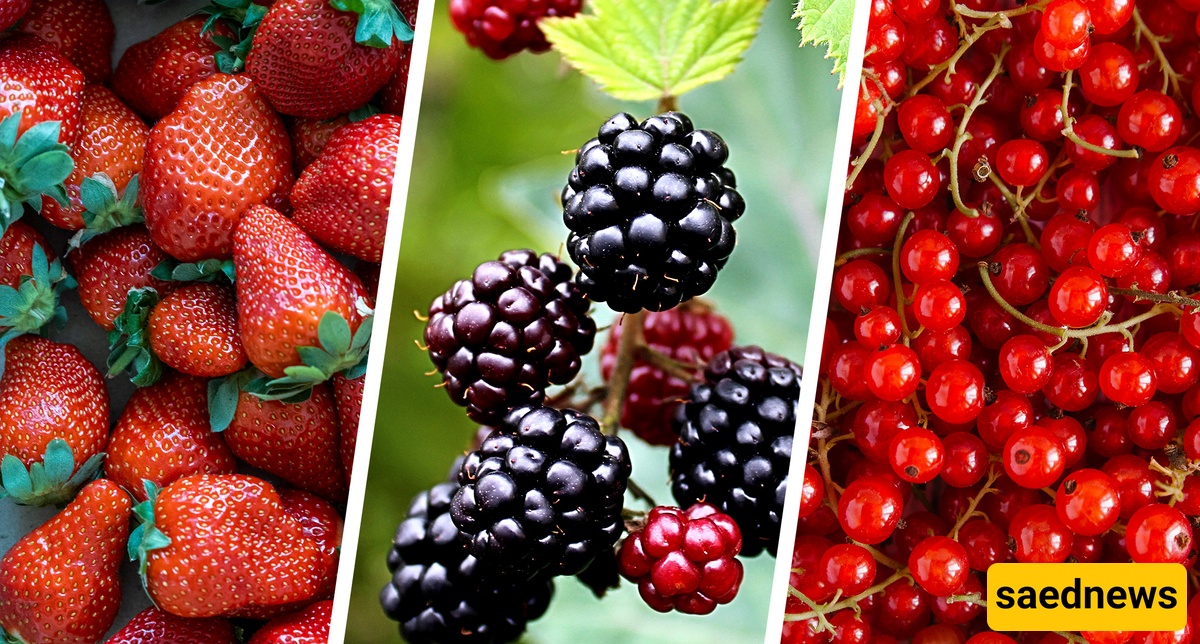
Berries get their deep purple, red, and blue colors from antioxidants found in abundance within them. These small fruits are rich in vitamin C, anthocyanins, and other flavonoids—compounds linked to vascular and cognitive benefits, especially in darker varieties like blueberries.
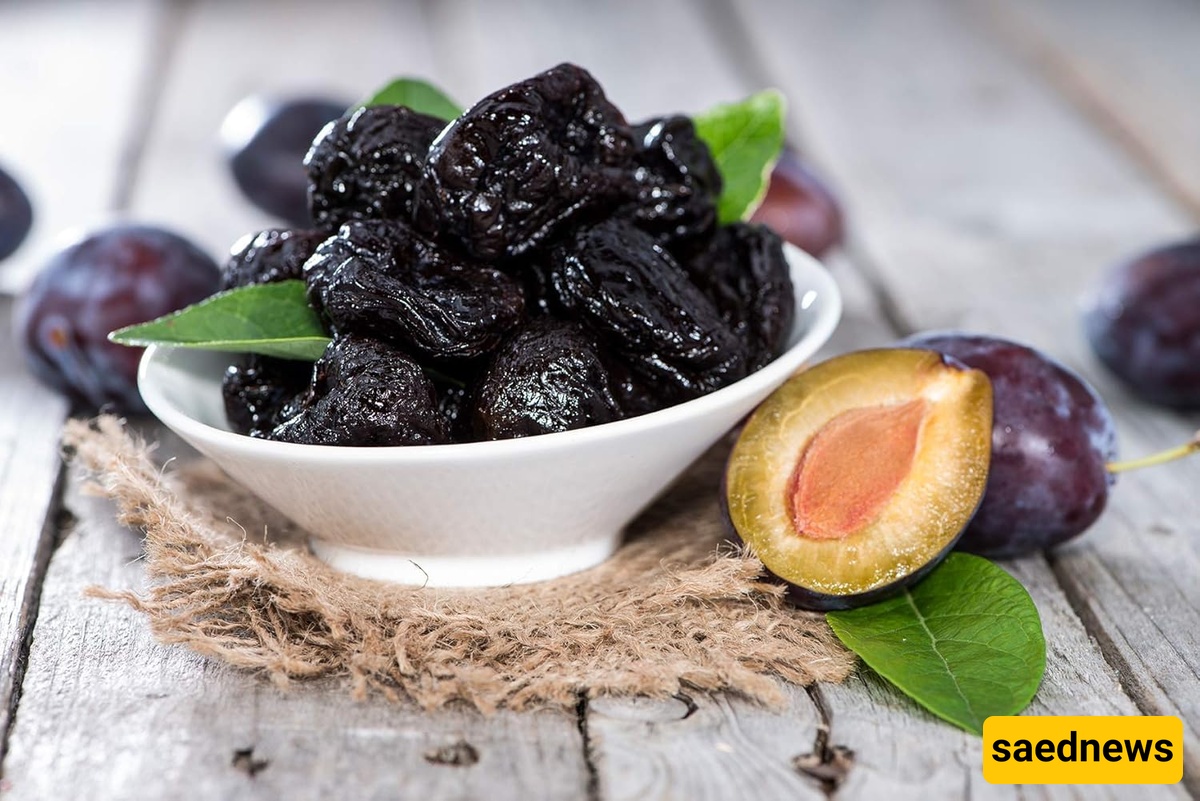
Prunes are packed with polyphenols, including anthocyanins and chlorogenic acids. Research suggests they may help reduce oxidative stress and inflammatory markers, particularly in postmenopausal women.
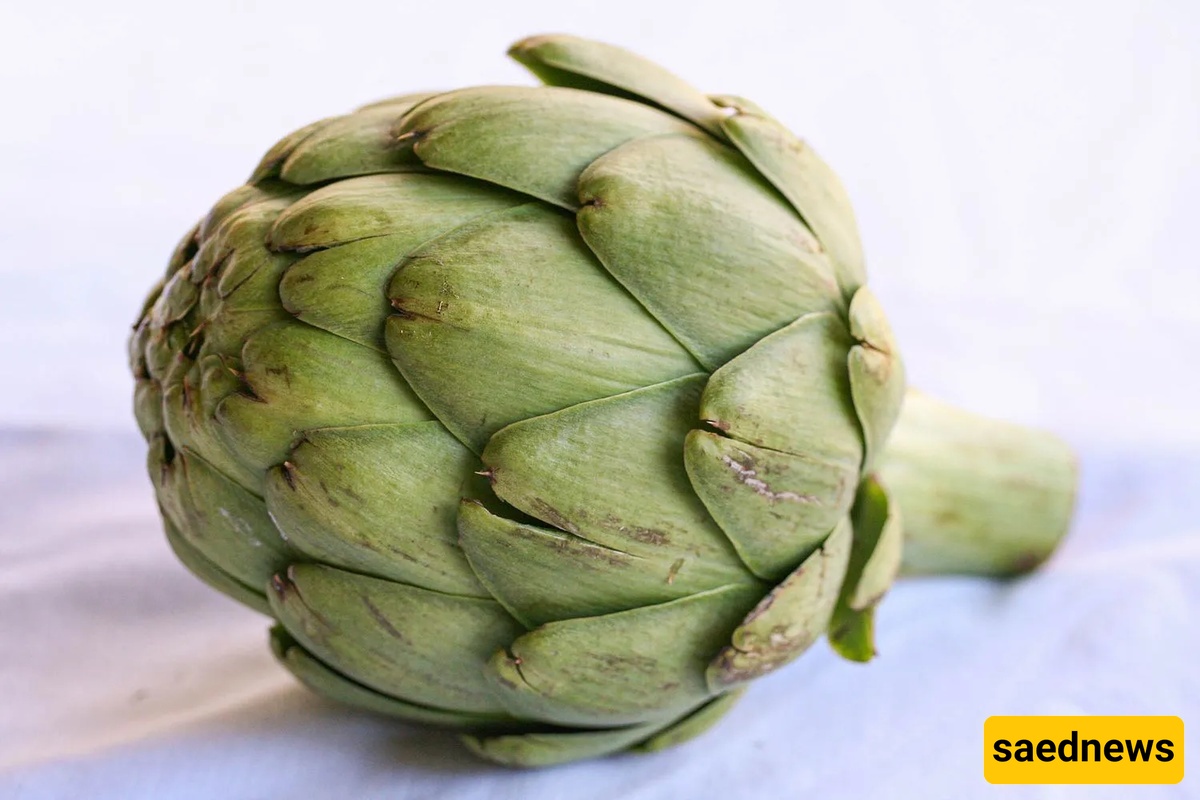
Artichokes contain significant amounts of antioxidants such as flavonoids, anthocyanins, and other polyphenols—especially chlorogenic acid, which is associated with a reduced risk of diabetes, improved cholesterol levels, and lower inflammation. A large artichoke also provides about 9 grams of fiber per serving.
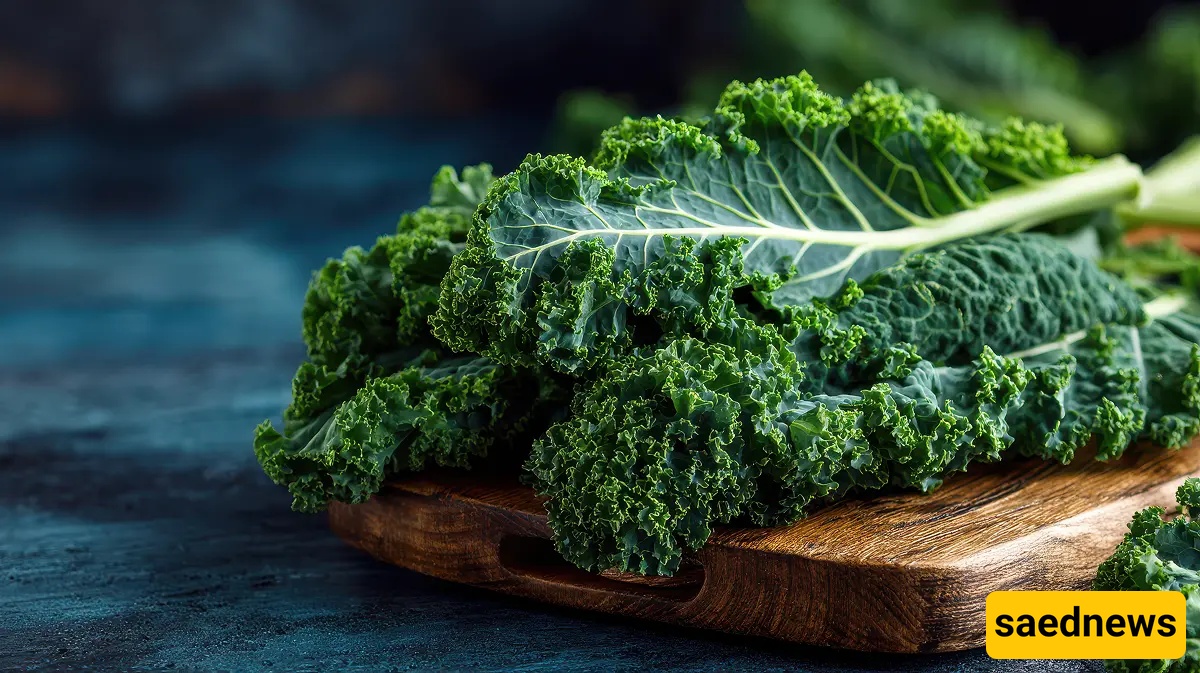
Kale is a nutritional powerhouse rich in antioxidants like flavonoids and polyphenols. It also contains high levels of vitamins and minerals, reinforcing its reputation as a superfood.
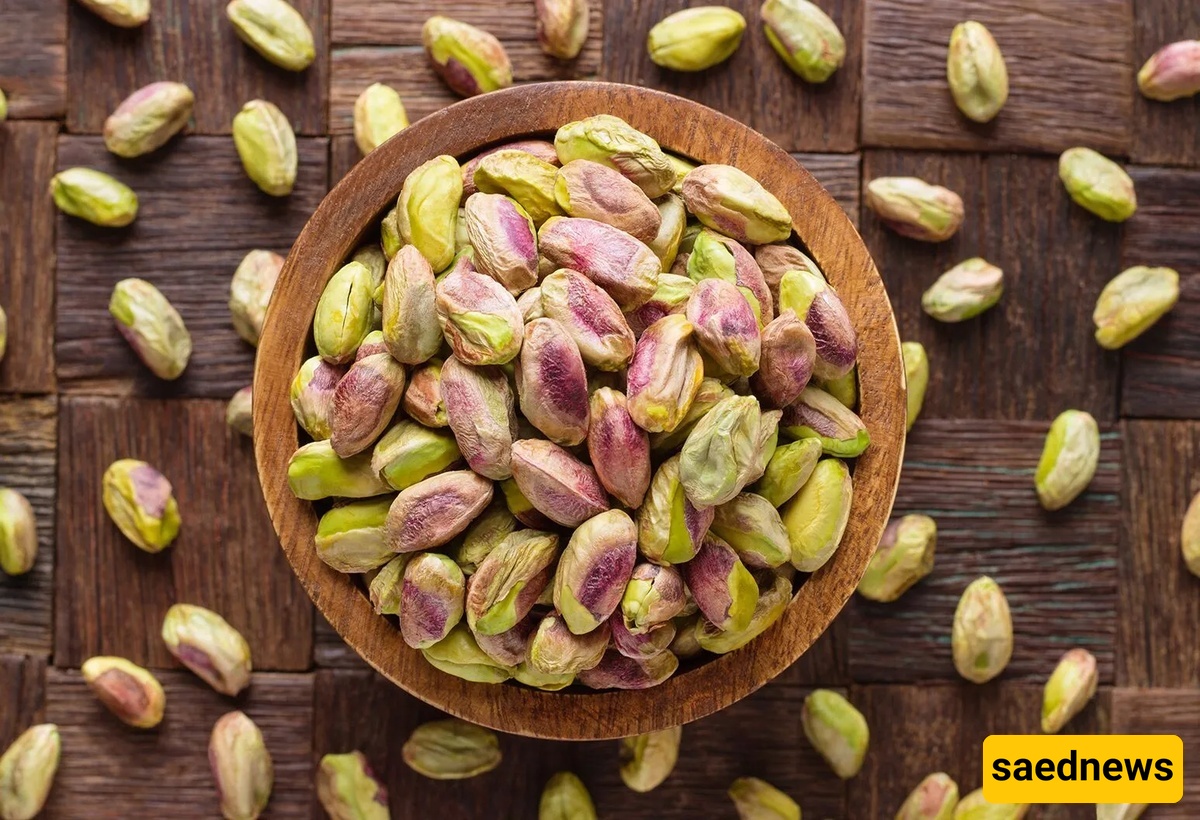
Pistachios may not be widely recognized for their antioxidant content, but they are rich in these compounds. “They are one of the few nuts that naturally contain lutein, an antioxidant that supports eye health, while also providing vitamin B6, thiamine, copper, and potassium,” said Palinski-Wade.
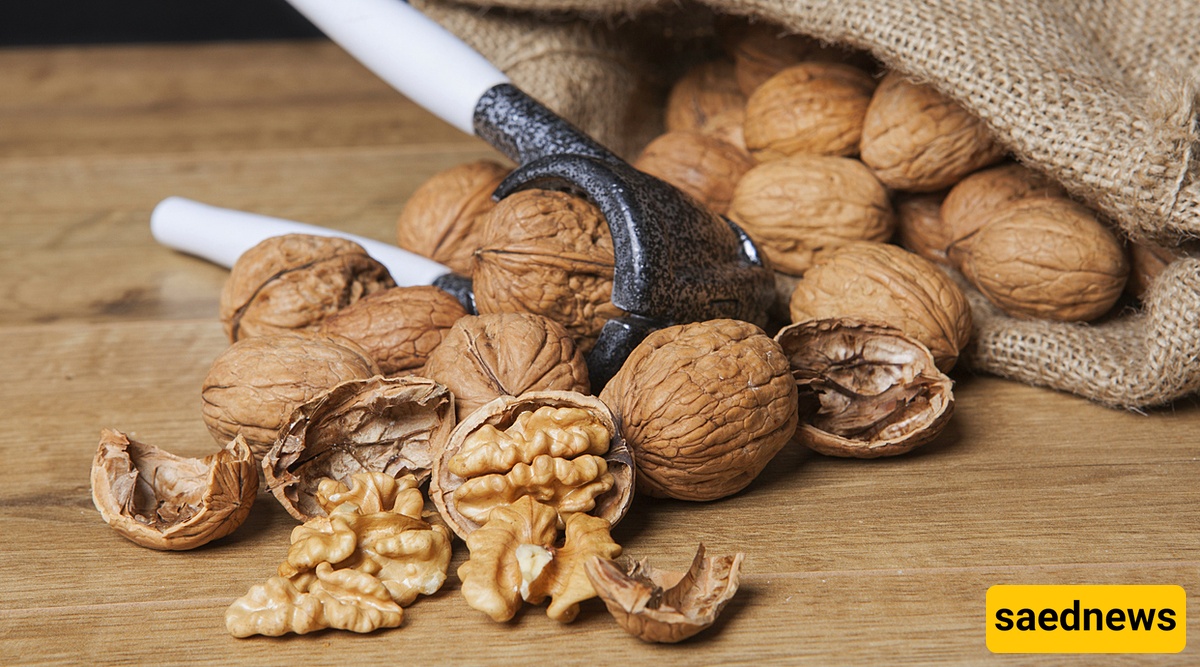
Walnuts contain antioxidant compounds such as tocopherols and polyphenols like catechins, resveratrol, and ellagitannins. They also provide magnesium, potassium, iron, calcium, sodium, and B vitamins.
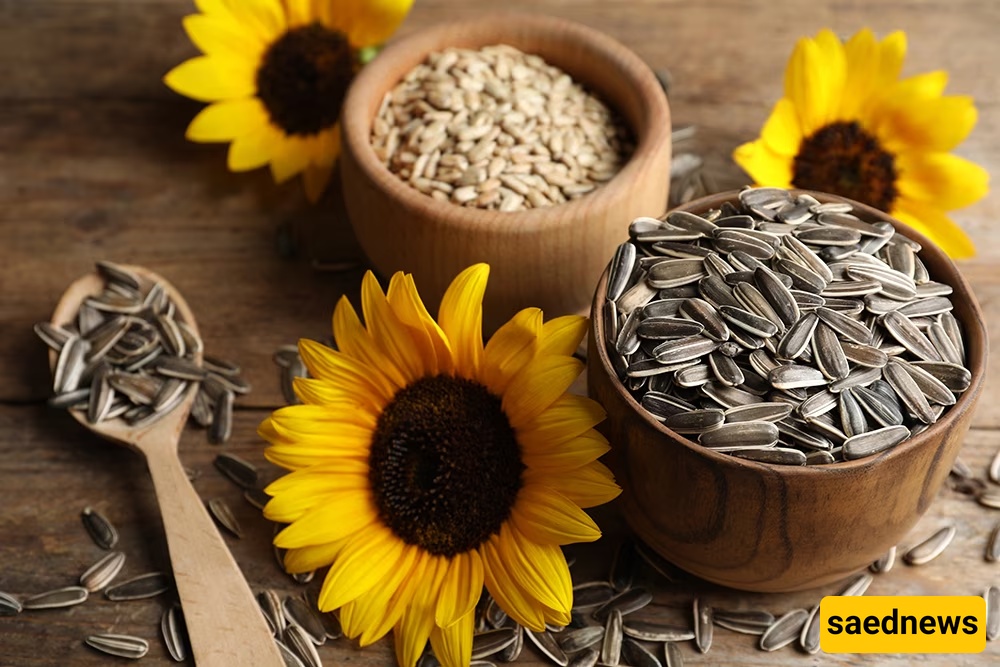
Sunflower seeds are especially rich in vitamin E, a fat-soluble antioxidant that protects the body from cellular damage caused by free radicals. They also contain flavonoids, phenolic acids, selenium, healthy unsaturated fats, protein, fiber, and various key micronutrients.
Cocoa is rich in flavanols, which research suggests may increase blood flow and oxygen delivery to the brain. When consumed regularly, cocoa may support cognitive function and brain cell health in both healthy adults and older individuals at risk of memory decline, according to Palinski-Wade.

These foods are not only excellent alternatives to spinach but also offer unique nutritional benefits of their own. Incorporating them into a daily diet can help ensure adequate antioxidant intake and support overall health.