SAEDNEWS: Food cravings during pregnancy are a sign that the mother’s body is lacking proper nutrition. The body develops a desire for foods rich in vitamins and minerals that have become depleted due to increased needs during pregnancy. This deficiency in essential nutrients is what leads to cravings during this period.
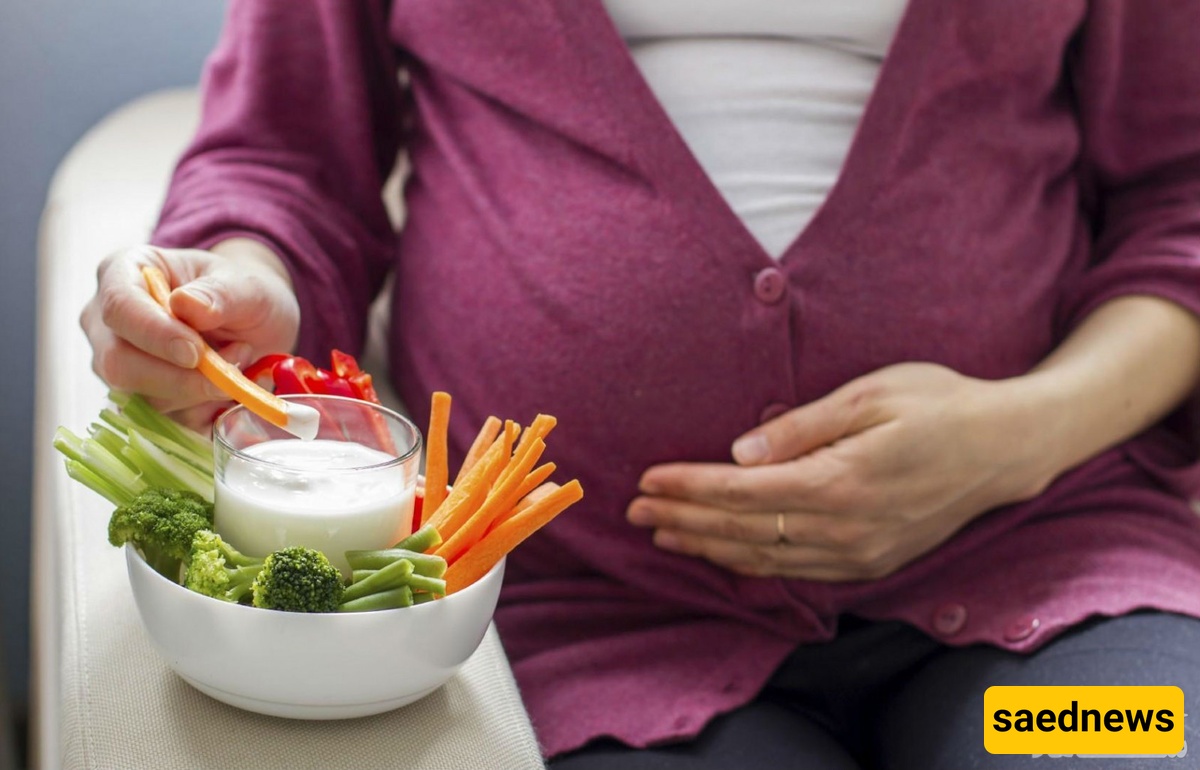
According to Saed News, your belly may not yet reveal your pregnancy, but your sensitivity to smells and tastes might already give it away. Pregnancy cravings—known as “viar”—often show themselves not only as strong food desires but also as sudden aversions to smells and tastes that were previously tolerable.
Any smell or taste that causes nausea during pregnancy, any dislike for foods previously eaten without issue, or an intense craving for certain flavors during the first trimester is referred to as pregnancy cravings.
If you are experiencing unusual eating habits, sudden nausea, or surprising food cravings, this article explains the causes of pregnancy cravings and ways to manage them.
Pregnancy cravings refer to sudden and intense desires to eat specific foods. They are very common and most pregnant women experience them. They usually appear in the first and second trimesters.
Early pregnancy cravings may include strong desires for sweet, salty, sour, or spicy foods. Common examples include chocolate cakes, desserts, pickles, dairy products, and fruits.
One of the main factors behind pregnancy cravings is hormonal change. Levels of estrogen and progesterone fluctuate significantly during pregnancy, affecting the brain and increasing sensitivity to smell and taste. This can intensify both cravings and food aversions.
Some experts also believe cravings may indicate nutritional deficiencies. The body may demand certain nutrients such as vitamins or minerals that are needed more during pregnancy.
Yes. Some pregnant women do not experience any cravings at all, and this is completely normal. It does not indicate any problem.
In such cases, maintaining a balanced and nutritious diet is sufficient and often even healthier for both mother and baby.
Cravings often begin in the first trimester, may increase in the second, and usually decrease in the third trimester. Some women may experience them throughout pregnancy, while others only briefly. All patterns are considered normal.
Typical pregnancy cravings include:
Cheese, cakes, sweets, desserts
Chocolate
Fruits and fish
Sometimes meat
In some cultures, cravings for sour and spicy foods such as tamarind, lemon, and pickles are also common.
Chocolate, cakes, donuts, and desserts are very common. Some believe sweet cravings may be linked to blood sugar changes.
Foods like chips, fries, popcorn, and salty snacks may be desired, possibly due to changes in blood volume and sodium levels.
Spicy foods may help regulate body temperature by increasing sweating.
Chocolate is a frequent craving and may relate to magnesium deficiency.
Some pregnant women crave ice, possibly due to anemia or the cooling sensation it provides.
May indicate a need for protein. Fully cooked meat is essential.
Lemons and pickles may be craved due to vitamin C needs or digestive changes.
May reflect the body’s need for calcium.
A very common craving that many pregnant women enjoy.
Fruits provide essential vitamins and minerals and are among the healthiest cravings.
Some women crave coffee for its stimulating effects, though caffeine intake should be monitored.
Instead of unhealthy foods, healthier substitutions include:
Yogurt with fruit instead of ice cream
Fresh juice instead of soda
Baked donuts instead of fried ones
Whole grain cakes instead of refined flour cakes
Nuts and fruit instead of sugary cereals
Low-salt snacks instead of chips
Fresh fruit instead of canned fruit in syrup
Lean cooked meat instead of fatty or raw meat
Homemade cheese or tofu instead of processed cheese
Many women also develop strong dislikes toward certain foods due to hormonal changes and increased sensitivity to smell and taste. This is also normal.
Listening to your body is important, but severe aversions may reduce nutrient intake, so balanced substitutions are recommended.
Some pregnant women may crave non-food items such as chalk, soap, soil, or clay. This condition is known as PICA and may indicate severe iron or mineral deficiency.
These substances can be dangerous due to potential toxins like lead and should be reported to a doctor immediately.
Pregnant women should avoid foods that may contain harmful bacteria or substances such as:
Raw or undercooked meat
Raw eggs
Smoked seafood
Unwashed vegetables
Foods high in mercury or harmful bacteria
Never skip breakfast
Eat small meals regularly (4–6 times a day)
Plan portion sizes
Keep healthy snacks available
Avoid keeping junk food at home
Replace unhealthy cravings with healthier recipes
Exercise regularly
Avoid alcohol, smoking, and harmful habits
Consult a doctor when needed
Get enough rest and sleep
Pregnancy brings many physical and hormonal changes. Food cravings and aversions are a natural part of this experience. The key is balance—enjoy cravings in moderation while maintaining a healthy, nutrient-rich diet for the well-being of both mother and baby.