SAEDNEWS: Everything About Bamboo Tableware: Benefits, Care Instructions, Differences from Paper and Plastic, and the Best Options for Everyday Use
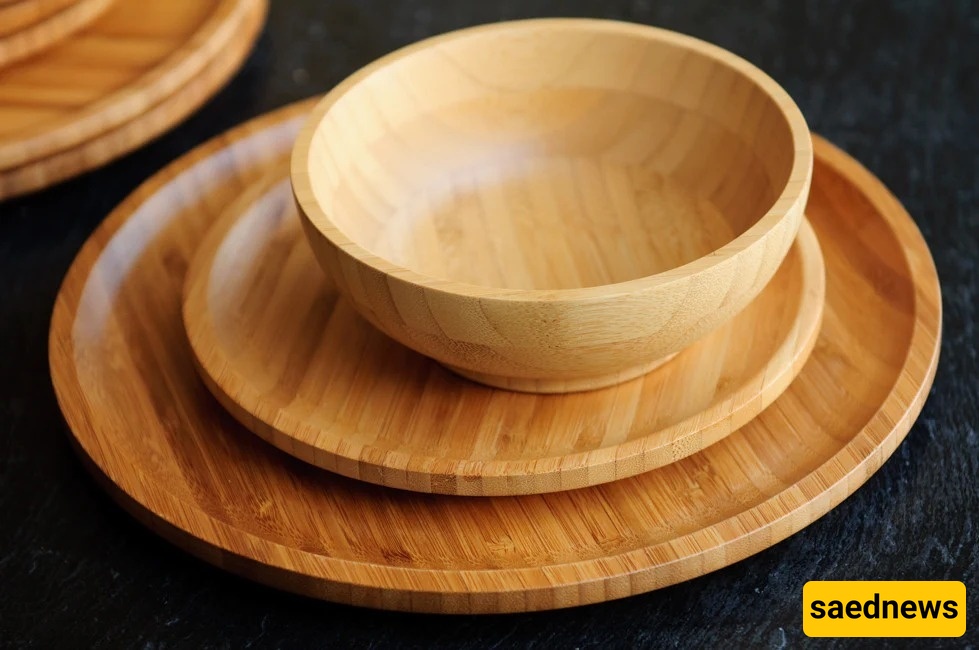
According to SAEDNEWS, Bamboo tableware is not just an aesthetic choice; it combines health benefits, durability, and environmental friendliness. Today, many restaurants and hosts use these natural products instead of plastic or paper alternatives for serving food. Below, you will learn about their features, advantages, and proper maintenance methods.
These utensils are made from the stems and leaves of the bamboo plant—a highly resilient plant with extremely fast growth (up to one meter per day) that reaches maturity in a short time. Bamboo grows without the need for pesticides or chemical fertilizers and is naturally resistant to pests.
Bamboo tableware is generally suitable for serving salads, appetizers, and light refreshments.
Environmentally friendly: Fully biodegradable and harmless to nature.
Durable and strong: More resistant compared to many other natural materials.
Free from harmful chemicals: No toxic additives are used in production.
Stylish and classic appearance: Suitable for traditional, formal, and modern settings—from homes to restaurants.
Stain- and bacteria-resistant: The natural surface helps prevent the buildup of dirt and microbes.
Lightweight yet sturdy: Easier to carry than ceramic while stronger than paper-based tableware.
Reusable and washable: Can be washed and reused with good durability.
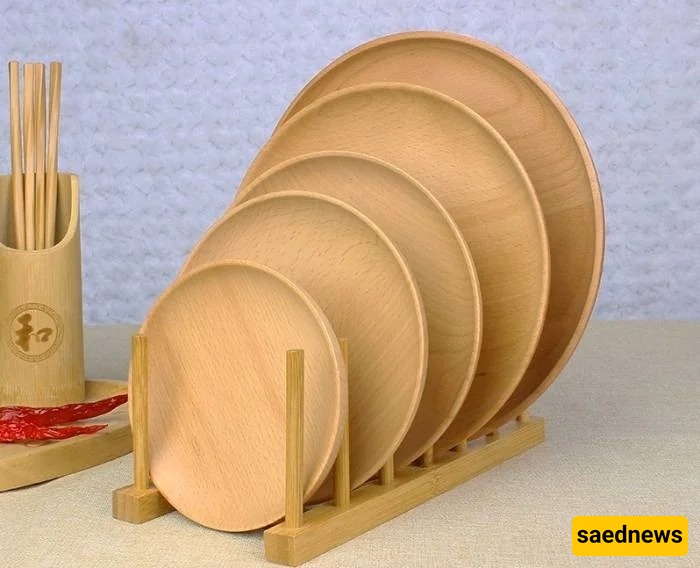
Paper tableware production requires large amounts of water, energy, and tree cutting. Some paper products also contain wax or polystyrene components that decompose slowly. In contrast, bamboo tableware is healthier, more hygienic, and more environmentally sustainable.
Bamboo is especially suitable for children because, unlike plastic, it does not release toxic substances or dyes into food, helping protect digestive health.
Bamboo is a more affordable option with a lower risk of breakage compared to ceramic and glass. It is suitable for both everyday use and formal occasions.
Do not use a dishwasher.
Avoid strong detergents or bleach.
Do not use very hot water or leave items soaking for long periods.
You can use simple household solutions:
Vinegar and water: Soak the item for 10 minutes or wipe it with a cloth dipped in the solution for gentle disinfection.
Lemon and sea salt: Works as a natural scrub to clean and polish the surface. Afterward, rinse with warm water and dry thoroughly.
Over time, bamboo surfaces may become dull, develop minor scratches, or lose some of their natural oils. Fortunately, bamboo is a “living” material that can be restored with simple methods.
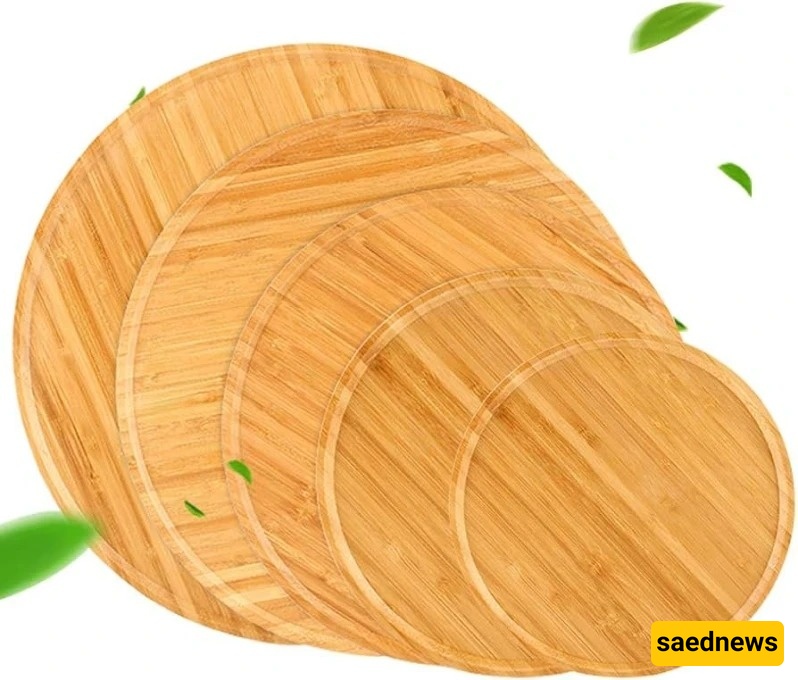
Gently sand the surface using fine sandpaper or a soft scrub pad to remove scratches and stains.
Then wipe with a damp cloth to remove dust and residue.
After cleaning, apply a small amount of food-safe oil (such as olive oil) to restore moisture and revive the fibers of the bamboo surface. Repeat if the surface becomes dry over time.
Always use odorless oil.
Strongly scented oils, such as coconut oil, may leave a smell in the wood that transfers to food.
Do not place bamboo items in the microwave or dishwasher.
Avoid using untreated bamboo tableware for oily or liquid foods such as soups and stews, as oil can penetrate the material and cause damage.
Repeat restoration and oiling monthly or depending on usage.
If stored in cabinets, occasionally take them out to air them and prevent mold formation.