SAEDNEWS: Tehran Municipality Official Offers Parenting Tips for Children During Wartime
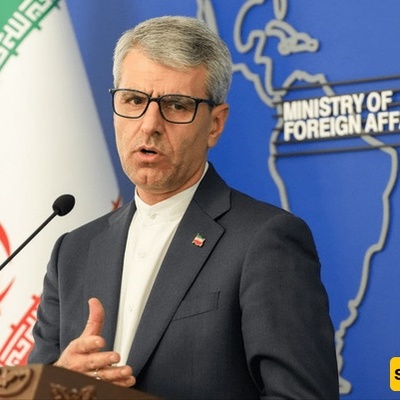
According to the Family Magazine section of Saed News, a member of Iran’s National Assembly for Risk Reduction, Accidents, and Disasters provided recommendations for parents on how to interact with children during wartime, explaining how to communicate with different age groups in crisis situations.
Bijan Yavar emphasized that adult behavior directly influences children’s behavior. He explained that shouting, screaming, crying, changing tone, and similar reactions act as a mirror for children to imitate. These behaviors have a stronger impact on younger children, who lack the experience to understand and contextualize events, making it harder for them to adapt to unexpected situations.
The Head of Planning and Human Capital at Tehran Municipality’s Welfare, Services, and Social Participation Organization added that the younger the child, the more influential adult behavior becomes. For instance, simply crying in front of children can elicit the same reaction from them. Adults must therefore act thoughtfully and rationally in their interactions with children to avoid harming their emotional world.
Yavar stressed that adult behavior should be tailored to the child’s age and provided the following age-specific advice for parents:
Children Aged 0–6 (Pre-school):
The “golden protocol” is full protection from unnecessary information. Avoid sharing details that could worry or frighten children. Never discuss war, bombings, or threats in their presence. If an explosion or alarm occurs, calmly say: “That was a loud sound, but we are together, and we are safe.” At night, if they feel scared, hold them and provide reassurance, focusing on safety rather than reality. Keep them away from news, television, or mobile devices, and do not show frightening images, as these can cause emotional harm.
Children Aged 7–12:
At this stage, children can understand more but may still struggle to control emotions. Information should be limited, carefully presented, and free of violent details. For example, explain conflicts between countries in simple terms. Assign small responsibilities, like helping a younger sibling or managing a flashlight, to give them a sense of control and reduce anxiety. Listen to their thoughts, but respond calmly, briefly, and confidently.
Adolescents Aged 13–18:
Teenagers have the right to know the truth, but guidance should focus on coping strategies: “The situation is difficult, but we are prepared and together.” Be honest while emphasizing hope and proactive steps. Encourage participation in discussions and minor decisions, address rumors, and teach them which information sources are trustworthy.
General Recommendations for All Ages:
Parents should remain calm and composed, as children detect anxiety through facial expressions and tone of voice.
Limit exposure to social media, news images, or violent videos to prevent lasting psychological effects.
Maintain daily routines as much as possible, such as scheduled meals, prayers, and sleep.
Do not skip playtime, drawing, or storytelling, as these are crucial psychological defense tools for children and should be prioritized.
By following these age-specific and general guidelines, parents can help children navigate crises with resilience, while minimizing fear and emotional harm.