SAEDNEWS: Resilience doesn’t mean ignoring challenges; it’s the ability to adapt to difficult circumstances, maintain hope, and find ways to keep moving forward.
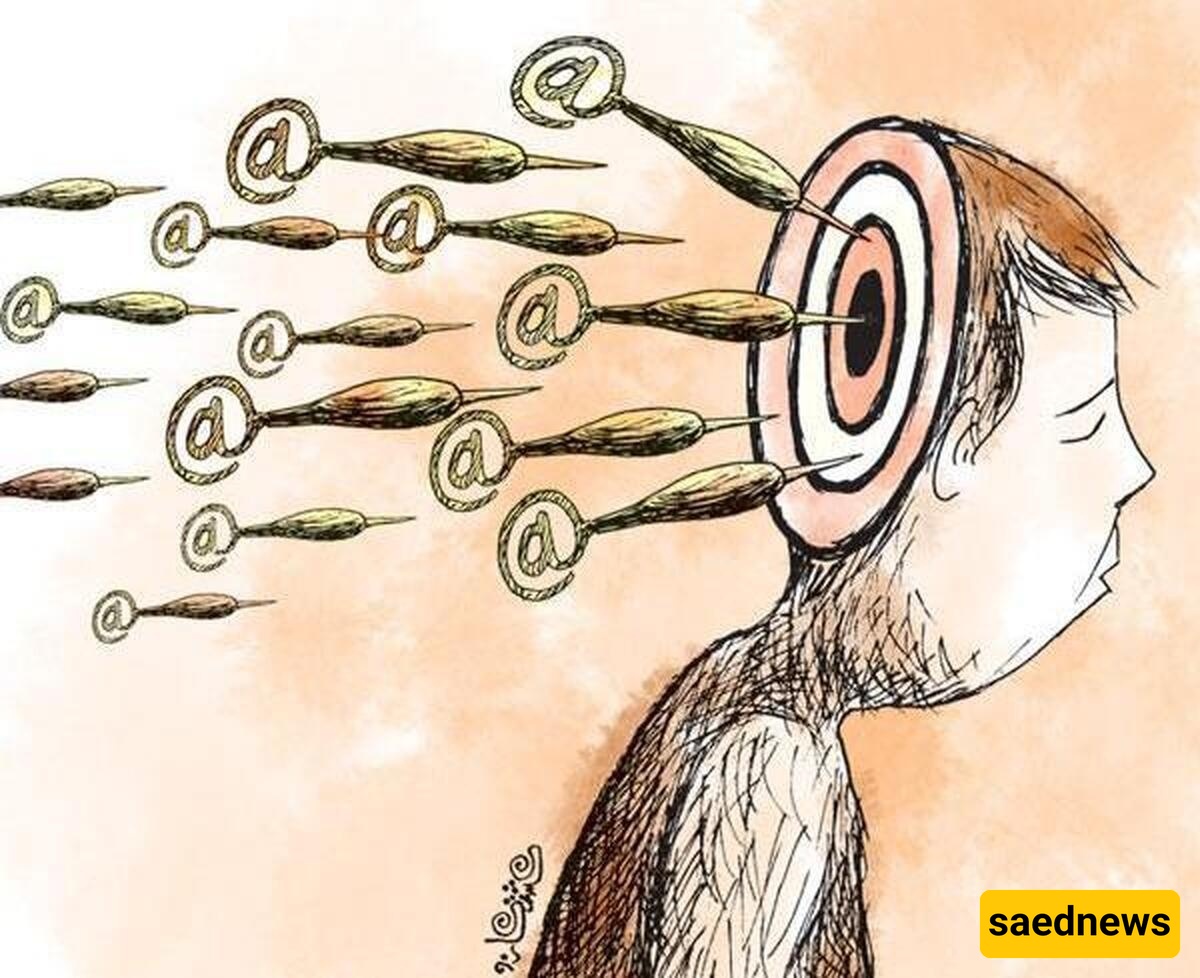
According to the Psychology Service at Saed News, Dr. Leila Ghahremani*, war is one of the most challenging situations that can affect human life, and emotions such as fear, worry, anger, or sadness are natural under such circumstances.
Despite these pressures, many people are able to adapt to difficult conditions and continue living—a capacity known as resilience.
Resilience does not mean being emotionless or ignoring problems; rather, it is the ability to cope with intense stress, maintain hope, and find ways to continue life even in challenging circumstances. Scientific studies show that resilience is a skill that can be strengthened, and there are various strategies to enhance it.
One of the most important factors in building resilience is staying connected with others. Support from family, friends, and neighbors can significantly reduce psychological stress, and talking about worries helps diminish feelings of loneliness.
During war, many events are beyond our control, but focusing on actions such as caring for family, maintaining hygiene, and planning daily activities can create a sense of control and calm.
Continuously following war news may increase anxiety. It is therefore better to check news at specific times from reliable sources and avoid spreading or believing rumors.
Adequate sleep, proper nutrition, and simple physical activities like stretching can help reduce stress and increase the body’s capacity to cope with psychological pressures.
Maintaining hope and a sense of meaning in life is also a cornerstone of resilience. Spiritual activities, helping others, or focusing on personal values can help individuals feel purposeful even in difficult conditions.
Children may experience fear and confusion during war. Talking to them in simple language, providing a sense of safety, and maintaining certain daily routines can strengthen their resilience.
People react differently to wartime conditions, and feeling anxious or upset is natural. However, if these feelings become intense or prolonged, seeking help from mental health professionals can be highly beneficial. Resilience is not about facing problems alone—it involves using individual strengths and support from others to navigate difficult situations.
*Professor, Health Promotion Department, School of Public Health, University of Medical Sciences and Health Services