SAEDNEWS: Feeling emotions such as fear, anxiety, worry, and dread in wartime is completely natural and can happen to anyone. However, there are strategies that can help us cope better with these situations and manage our emotions more effectively.
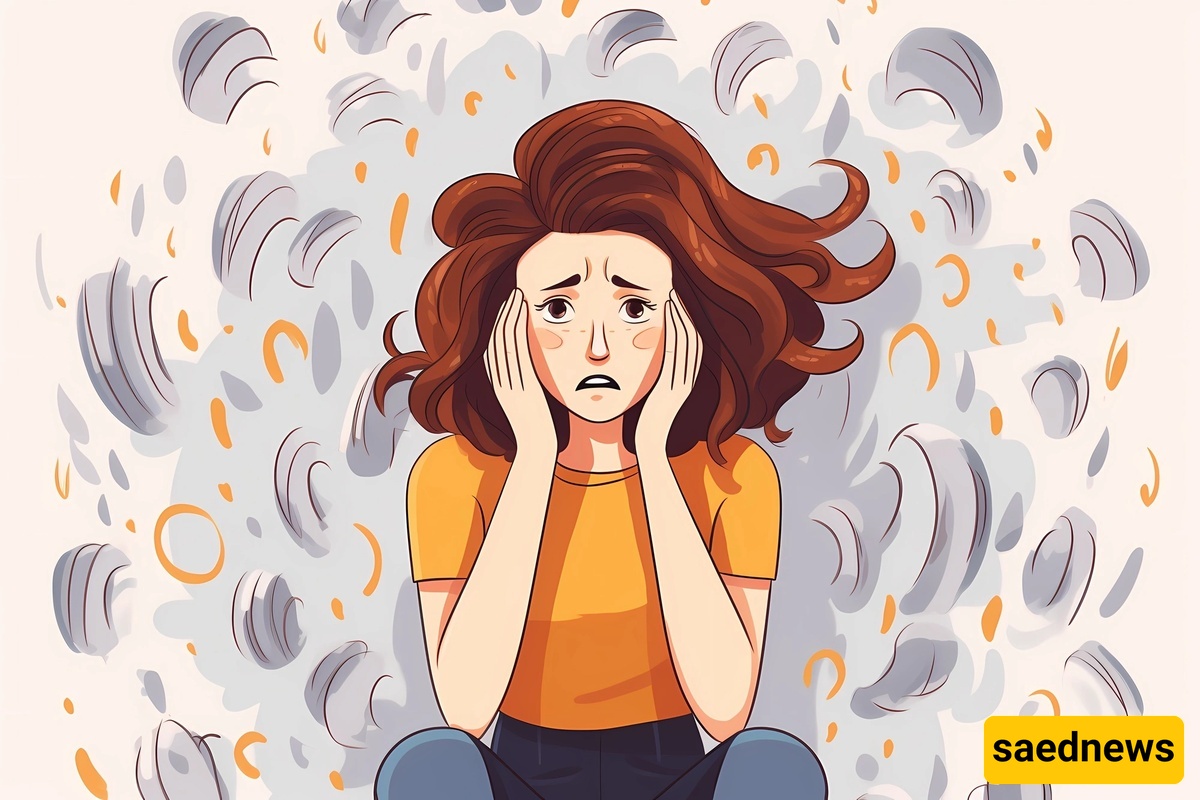
According to the Psychology Service of Saed News, Mohammadreza Shoar Bafchi, a psychiatrist, psychosomatic disease fellow, and faculty member at Isfahan University of Medical Sciences, told ISNA: “Recent days have been highly stressful and challenging for all our fellow citizens. Such extraordinary circumstances can trigger anxiety, worry, and fear in many people. Constant exposure to daily disturbing news or uncertain future events occupies the mind continuously.”
He added: “Experiencing such emotions in these conditions is completely natural and can happen to anyone. However, there are strategies to better cope with these circumstances and manage our emotions more effectively.”
Shoar Bafchi emphasized the importance of relaxation techniques during stressful times. “We should try methods based on deep and calm breathing. Take a deep breath, hold it for a few seconds, then exhale slowly. This practice helps the body relax for a few minutes, eases muscle tension, and reduces anxiety.”
He further noted: “The information we receive about daily events and problems can significantly impact our mental health. It is best to check reliable and official sources, no more than once or twice a day. Continuous exposure to news from all channels—even unofficial ones—does not increase our knowledge for self-care but only raises daily stress. Moreover, not all news may be accurate.”
Shoar Bafchi also highlighted the importance of maintaining daily routines despite restrictions or challenges. “Regular sleep, proper nutrition, and taking care of the body are crucial. Maintain contact with family, friends, and neighbors, and engage in positive conversations. Sharing enjoyable experiences can help make the day more manageable.”
Regarding emotional management, he said: “We should acknowledge feelings such as sadness, fear, or anger without feeling ashamed. At the same time, using professional consultation or medication when necessary can help control excessive negative emotions that might disrupt our lives.”
For individuals experiencing sleep problems due to anxiety, Shoar Bafchi advised: “If psychiatric conditions or insomnia existed before, consult a psychiatrist or psychologist. But if current stressful events are causing sleeplessness, sleep hygiene techniques can improve sleep quality. Maintain regular sleep schedules, avoid staying awake due to news, and minimize heavy physical activity before bed. A warm shower or calming music can also help. The bedroom should have low light and moderate temperature. If stress still prevents sleep, mild sedatives under professional guidance may be considered.”
He explained panic attacks as sudden episodes of intense fear, sometimes triggered without reason or after a distressing event. Symptoms include rapid heartbeat, difficulty breathing, a feeling of suffocation, and muscle spasms. “These attacks, while frightening, are not dangerous. They may last a few minutes, but residual stress can persist for hours.”
Shoar Bafchi emphasized the importance of professional support: “If someone experiences severe panic attacks, they should consult a psychiatrist. During an attack, deep breathing and relaxation techniques are very effective. Focusing on positive thoughts, lying down if possible, and relaxing muscles can help. Small physical interventions, like drinking cold water, can provide momentary relief. Medication under supervision can also control acute symptoms.”
He stressed the importance of communication with children: “For children under six, there is no need to describe details. For older children who may hear about events through media or school, explain the situation in simple language. Provide reassurance and hope. Children should feel safe, knowing their family supports them.”
Shoar Bafchi added: “Signs such as nail-biting or bedwetting require intervention. Families should talk with the child, understand their fears, and reassure them that they are safe.”
Regarding elderly care, he stated: “Older adults may worry about coping independently due to physical limitations or other issues. During critical times, our presence—both physically and emotionally—should provide reassurance and prevent feelings of loneliness.”
Shoar Bafchi concluded: “Citizens experiencing extreme stress can access telephone counseling through the ‘Counselor’s Voice’ system by calling 1480 between 8:00 AM and 12:00 AM.”