SAEDNEWS: During wartime, when fear and anxiety rise among children, dolls and pretend play can serve as bridges to safety and calm. These tools not only allow children to express their emotions but also make it possible to teach vital skills—such as seeking shelter and responding in dangerous situations—in a playful and effective way.
According to Saed News Family Magazine, Leila Babaei, Director General of Constructive Entertainment and Computer Games at the Institute for the Intellectual Development of Children and Young Adults, told ISNA that dolls act as a safe communication bridge in times of crisis. She explained that children can express their feelings through a doll’s character, saying things like, “My doll is afraid of the dark” or “My doll feels embarrassed.” Through this form of pretend play, children can safely and abstractly express emotions without feeling shame or danger.
This approach is based on psychological theories used in child psychotherapy and is common in pediatric treatment centers. Parents are encouraged to use dolls as tools to help children express their inner emotions, rather than as disciplinary instruments. Dolls are not meant to train children—they are meant to help children express themselves.
Babaei advises parents to respect the personality their child assigns to a doll. Parents should respond appropriately to the feelings expressed through the child’s play. In contexts of war or social unrest, dolls can help convey the concept of a safe space and related ideas. When children feel insecure, a doll can symbolize safety.
Parents can use dolls to create a “safe conversation space.” When a child is anxious, asking directly, “Why are you upset?” may trigger fear or defensive reactions. Instead, parents might ask, “Why is your doll upset?” This method provides a safe environment for emotional expression. Dolls can also be used to teach behaviors such as seeking shelter or identifying safe places, even in stressful contexts.
Babaei emphasized that families should not convey heavy concepts about war through toys. Instead, they should create a secure space where children can explore questions and emotions through play. For example, if a child asks, “Why are there bomb sounds?” parents can respond via the doll: “These sounds are because of the war, but we must stay safe at home.” Explanations should be brief, simple, and age-appropriate, avoiding violent details.
Using dolls to communicate with anxious children is one of the most effective indirect methods in child psychology. It reduces pressure and allows children to project emotions onto another being. The “third-person technique” encourages children to speak through the doll while actually sharing their own story. Parents should attribute the child’s feelings to the doll and discuss them together.
Babaei also highlighted the “listening ear” or “confidant doll” technique. Parents can tell children that their dolls have magical powers that allow them to hear worries without judgment. If the child doesn’t want to speak to an adult, they can share secrets with the doll. If children act out violent scenes or say unusual things during play, parents should not scold them. Allowing the play to unfold opens a window into their inner world; closing it may prevent emotional expression.
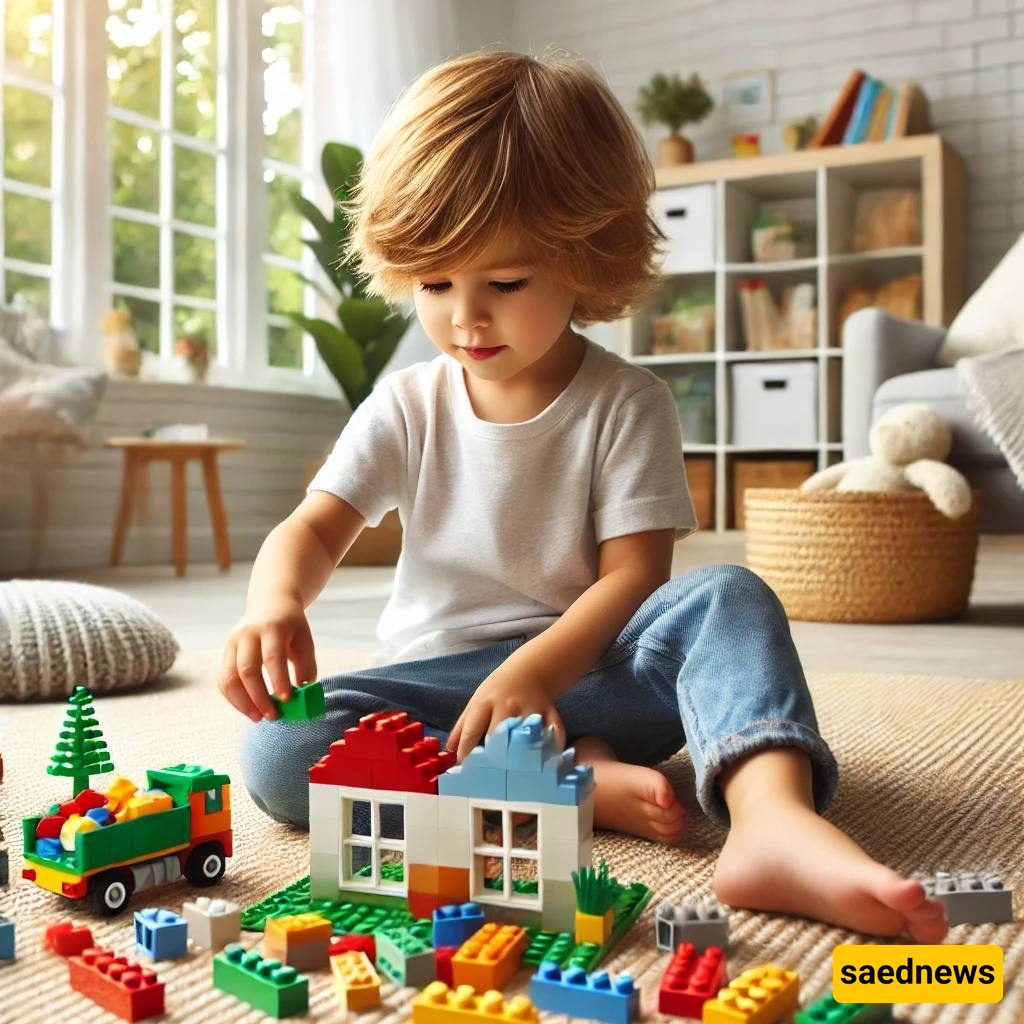
Pretend play is a key tool in child psychology for rebuilding a sense of security. Psychologists call it a child’s “natural language.” Through play, children shift from being passive victims to active heroes. Real-life crises such as war, illness, or parental conflict happen without the child’s control, fostering helplessness. In pretend play, the child directs the narrative, deciding who wins, who escapes, and who is saved. This transformation restores a sense of control—an essential foundation of security.
Pretend play allows children to release emotions safely. They can feel fear, shout, or express anger without real-world consequences. Playing roles like a brave soldier or a rescue doctor helps children manage internal anxieties. Repeating scary scenarios in play also reduces fear. Each repetition allows the child’s mind to process and neutralize the threat, while practicing solutions and “happy endings.”
Parents can design pretend play scenarios that emphasize safety, such as building “strong shelters” with pillows. Through these activities, children learn protective strategies practically. Successfully completing these scenarios signals safety to the child’s brain, calming the nervous system. Pretend play also reinforces emotional bonds and helps children understand abstract concepts, like protection, in tangible ways.
If children repeatedly play out possibly violent or destructive scenes, parents should not worry. Children are working through fears. Instead, adults can introduce new roles—like a rescue worker or guardian angel—to inject safety and hope into play. Pretend play effectively teaches critical concepts like seeking shelter and safe positioning, especially in children under 10, when direct instruction under stress is often ineffective.
Safe House for Dolls: Instead of saying, “Go under the table during danger,” parents can guide children to build a safe home for dolls, letting children practice reaching safety repeatedly.
Auditory Response Game: Mimic alarms or loud noises. The doll must immediately move to safety, teaching children to react proactively.
Magic Doll Bag: Teach children to identify essential items in emergencies through playful scenarios.
Doctor and Rescuer Play: Dolls are injured, and children take on the rescuer role, learning calm, helpful responses and building a sense of efficacy.
Babaei emphasized the importance of repetition. During crises, habits guide responses. Repeated play during calm times ensures these behaviors become automatic. Dolls must reach safety in the game to reinforce a positive ending, rebuilding the child’s sense of psychological security. Pretend play acts as the child’s “mental drill”: the more they practice in play, the more competent they become in reality.