SAEDNEWS: Opuntia is one of the most well-known plants in the cactus family. It is commonly recognized by several names, including the prickly pear cactus, Indian fig, and thorny pear.
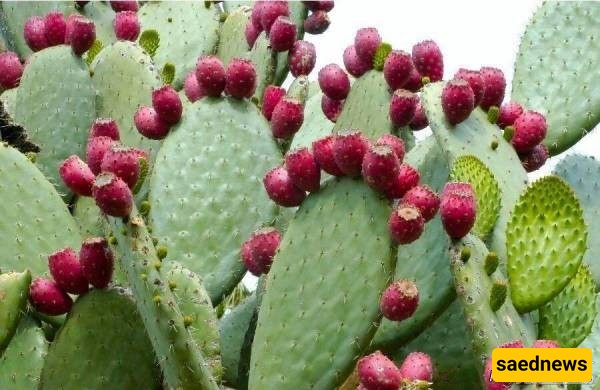
Opuntia, commonly known as prickly pear, is a surprisingly gentle plant hidden behind a fierce appearance. This cactus is one of the easiest plants you can grow—cultivating it is truly “as easy as drinking water.” Let’s explore how to grow and care for prickly pear successfully.
Opuntia is a large genus of cacti native to the Americas. It is best known for producing the prickly pear fruit.
The prickly pear cactus is edible, which is one of the main reasons for its popularity. Its fruits are a common food in Mexico and the southern United States. If you’d like to try one, make sure to clean it thoroughly before eating. The tiny spines on the fruit’s surface can penetrate the skin and are very painful to remove. The fruit’s red juice can be used for beverages, candy making, and jelly production.
Prickly pear blooms in mid-summer, producing beautiful flowers.
Like all desert cacti, prickly pear thrives in full, direct sunlight. It should be placed in the brightest spot in your home or garden to ensure optimal growth.
This cactus has very low water requirements. It is drought-tolerant and naturally grows in hot, dry regions. Overwatering can cause root rot. Before watering, make sure the pot has adequate drainage holes. If necessary, create additional holes at the bottom of the pot to prevent excess water from accumulating in the soil.
The warmer, the better! However, prickly pear is adaptable and can tolerate a wide range of temperatures.
The most important factor when choosing soil is proper drainage. Aside from that, most general potting soils are suitable. Specialized cactus soil with excellent drainage is ideal. Prickly pear can also be planted in rock gardens with decorative stone designs.
Prickly pear can be propagated by seeds or cuttings.
Using a sharp, sterilized knife, cut a healthy pad from the plant. Leave the cutting on a clean surface for a few days until the cut end dries and forms a callus. This reduces the risk of fungal infection.
Fill a small pot with sand or gravel and plant the cutting in it. Do not water until you notice signs of new growth. This method significantly reduces the risk of rot. Once new growth appears, begin watering lightly.
Remove the seeds from the fruit and clean off any remaining pulp. Allow the seeds to dry completely. Fill a shallow pot with well-draining seed-starting soil. Once the seeds are fully dry, plant them in the soil. Spring is the best season for propagation. Always ensure the soil has good drainage.
Although this beautiful cactus can be planted directly in the ground, it is often grown in pots. Before repotting, allow the soil to dry completely. Gently tap the sides and bottom of the pot to loosen the plant, and carefully remove it.
Brush away the old soil from around the roots and trim any dead, dried, or rotten roots. Apply a fungicide to the cactus. Choose a new pot only one size larger than the previous one. Place the cactus inside and fill the pot with fresh cactus soil.
As with cuttings, avoid watering for a short time after repotting to prevent fungal infection and root rot.
Always wear gloves when handling prickly pear cactus.