SAEDNEWS: Sexually transmitted diseases (STDs) are conditions that are passed from one person to another through sexual contact. In this article, we introduce some of the most dangerous sexually transmitted diseases.

According to Saed News, a sexually transmitted disease (STD) refers to infections passed from one person to another through sexual contact. Vaginal, anal, or oral sex without protection with an infected person can put someone at risk. STDs may also be called sexually transmitted infections (STIs) or venereal diseases (VD). This does not mean that sex is the only way STDs are transmitted; depending on the type of infection, they can also spread through sharing needles or breastfeeding. Below are some of the most common and dangerous STDs.
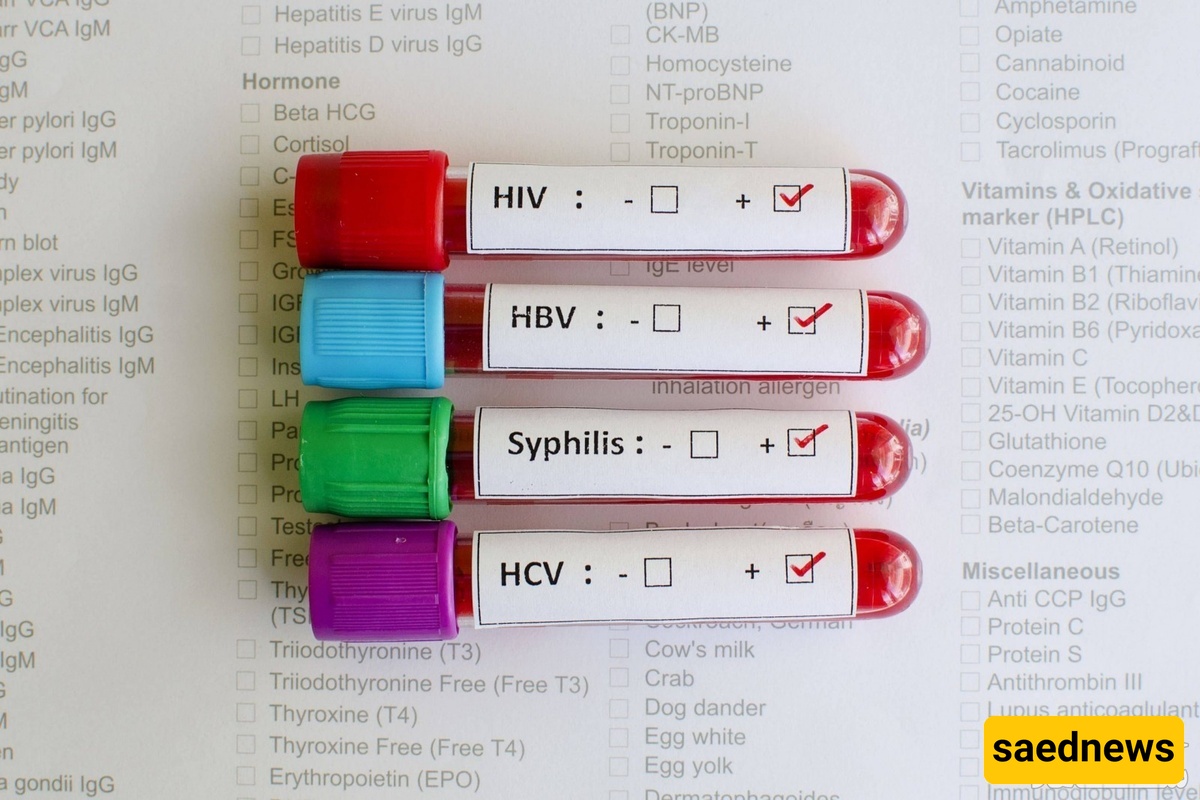
HIV, the virus that causes AIDS, weakens the body’s ability to fight infections. People infected with HIV may not show symptoms for a long time. If left undiagnosed and untreated, this STD can put you at risk for many life-threatening illnesses. HIV is primarily transmitted through sexual activity but can also be passed from mother to child during pregnancy, childbirth, or breastfeeding. HIV is considered one of the most dangerous sexually transmitted infections.
HPV is one of the most common STDs. Some types of HPV can cause genital warts, which may appear on the internal or external genital areas and can spread to the surrounding skin of you or your partner. Many HPV types cause no symptoms, so you might not know you’re infected.
In most cases, the virus clears on its own without causing further health issues. However, persistent infection can lead to abnormal cell changes. Women infected with high-risk HPV types, such as HPV 16 and 18, are at risk for cervical cancer. The HPV vaccine protects against the strains most likely to cause cervical cancer. Even after genital warts are treated, the virus may remain in the body, and warts can recur. Certain HPV types can also cause warts on other parts of the body, commonly referred to as common warts, which generally do not cause serious health problems. In pregnant women with numerous genital warts, vaginal delivery may be complicated, and a cesarean section may be necessary if the birth canal is blocked.
Chlamydia is usually a treatable STD affecting both men and women. Symptoms may include unusual genital discharge and painful urination. Chlamydia can be treated with antibiotics. Unfortunately, many people have mild or no symptoms. The most common and serious complications occur in women. Chlamydia can also affect the rectum. Pregnant women with chlamydia may transmit the infection to their newborns, which can cause eye infections or pneumonia.
The first sign of syphilis is a painless open sore, usually appearing on the genitals, vagina, mouth, or the surrounding skin of the rectum or genital area. Untreated syphilis can progress to more advanced stages, including skin rashes and, over time, heart or central nervous system problems. Syphilis is treatable with antibiotics. If a pregnant woman has untreated syphilis, it can cause serious or fatal complications for the baby, including miscarriage, stillbirth, or neonatal death, depending on the stage of the disease and treatment timing.
Genital herpes infections are caused by the herpes simplex virus (HSV). Symptoms may include painful blisters or open sores on the genitals, buttocks, or anus, often preceded by tingling or burning sensations. Herpes sores usually heal within a few days, but the virus remains in the body for life and can reactivate. There is no cure for HSV, but medications can shorten outbreaks and relieve symptoms. HSV can be transmitted from the mouth to the genitals during oral sex and may spread even when no visible sores are present. It can also be transmitted to newborns during childbirth, causing severe infection.
STDs can occur without noticeable symptoms, but some infections present clear signs. Common symptoms in men include:
Pain or discomfort during sex or urination
Sores, bumps, or rashes on the penis, testes, anus, buttocks, thighs, or mouth
Unusual discharge or bleeding from the penis
Swollen or painful testes
Symptoms may vary depending on the specific disease.
STDs often cause few noticeable symptoms in women. When symptoms occur, they may include:
Pain or discomfort during sex or urination
Sores, bumps, or rashes in or around the vagina, anus, buttocks, thighs, or mouth
Unusual vaginal discharge or bleeding
Itching in or around the vagina
Abstaining from sexual contact is the only certain way to prevent STDs. However, if engaging in vaginal, anal, or oral sex, there are ways to reduce risk:
Correct condom use provides effective protection against many STDs. Condoms should be used for vaginal, anal, and oral sex.
Dental dams can help protect the mouth during oral sex.
Condoms mainly protect against diseases spread through bodily fluids like semen or blood, but they cannot fully prevent infections transmitted through skin-to-skin contact. Areas not covered by a condom can still transmit infection.
Condoms also protect against unwanted pregnancy, unlike many other birth control methods (pills, injections, implants, or IUDs), which do not prevent STDs.
Regular STD screening is recommended for sexually active individuals, especially those with new or multiple partners. Early detection and treatment can stop the spread of infection.
Before having sex with a new partner, discussing sexual history is important. Both partners should undergo screening by a healthcare professional. Since many STDs are asymptomatic, testing is the only reliable method to confirm infection.
If your partner has an STD, it is essential to follow the treatment plan provided by a healthcare professional. You can also consult your doctor about strategies to protect yourself. For example, if your partner has HIV, a doctor may recommend pre-exposure prophylaxis (PrEP). Vaccination against HPV and hepatitis B should also be considered if eligible for both partners.