SAEDNEWS: Why Potato Kuku Falls Apart and How to Fix a Loose Mixture for Perfectly Golden, Firm Results

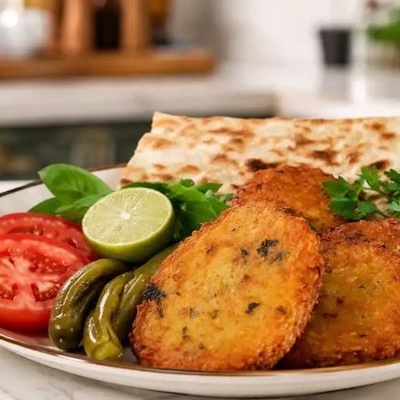
According to Saednews, Potato kuku is a popular homemade dish enjoyed by many families. However, one common problem when preparing it is that the mixture falls apart during frying.
When the potato kuku mixture is too loose or the ingredients do not bind properly, it breaks apart instead of frying into a uniform, golden layer. This affects both its appearance and texture.
The problem usually occurs because of an imbalance between moisture, binding ingredients, and cooking technique. This article explains why potato kuku falls apart and offers quick solutions for fixing a loose mixture and preventing the problem in the future.
Potato kuku falls apart when the mixture loses its structure and its ingredients separate in the oil. To keep it intact, the right balance of potatoes, eggs, onions, flour or other binding agents, and seasonings is essential.
If one ingredient is used in excess or too much moisture enters the mixture, the texture becomes loose and the kuku may break apart in the pan. Here are the most common causes.
The most common reason potato kuku falls apart is excess moisture in the potatoes. Grated potatoes release a significant amount of water. If this water is not removed, the mixture becomes loose and the ingredients struggle to bind together during frying.
Some potato varieties contain more water than others. For best results, choose relatively dry potatoes or remove as much moisture as possible before mixing.
After grating the potatoes, place them in a clean cloth or thin kitchen towel and squeeze out the water thoroughly. You can also soak the grated potatoes in cold water for a few minutes to remove excess surface starch, then drain and dry them completely. This helps prevent the mixture from becoming too loose.
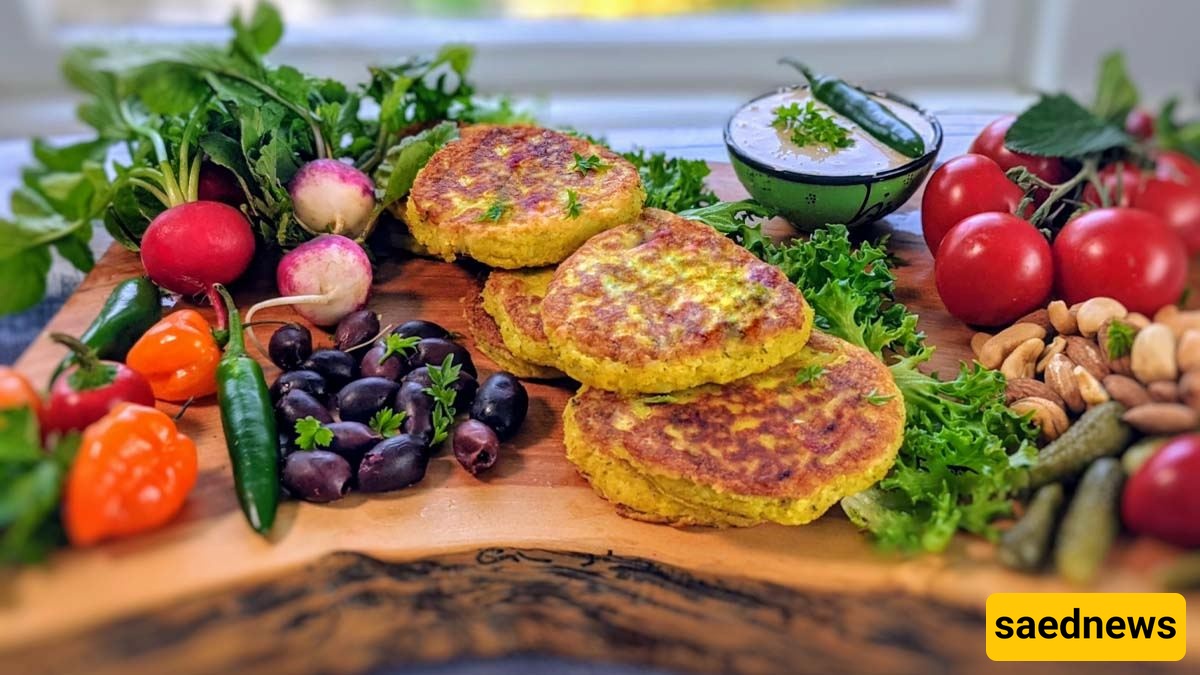
Eggs act as a binding agent in potato kuku, but using too many can make the mixture runny. If the number of eggs is too high relative to the amount of potato, the mixture may spread out in the pan.
Adding milk, water, or yogurt is generally unnecessary and can introduce excess moisture. In a traditional recipe, potatoes, eggs, onions, and a little flour are usually sufficient.
If the potato kuku mixture is too loose, it may not contain enough flour, chickpea flour, starch, or breadcrumbs. These ingredients help absorb excess moisture and hold the mixture together.
However, adding too much flour can make the kuku heavy and give it a floury taste. Add binding agents gradually until the mixture reaches the right consistency.
Salt draws moisture from ingredients. If you add it too early, more water may be released from the potatoes and onions, making the mixture loose. It is better to add salt at the final stage, shortly before frying.
Onions also contain moisture. After grating them, squeeze out the excess liquid before adding them to the mixture.
Overmixing the potato kuku mixture can affect its texture. Mix the ingredients only until they are evenly combined.
Allowing the mixture to rest for 10–15 minutes without salt can also help the flour and starch absorb excess moisture.
This short resting period is a simple way to help prevent potato kuku from falling apart.
If the oil is not hot enough, the mixture may absorb oil instead of forming a firm crust. On the other hand, excessively high heat can burn the outside while leaving the inside undercooked.
Medium heat with enough oil generally produces the best results.
Flipping the kuku too early, before the bottom has set, can also cause it to break apart. Wait until the edges are golden and the underside is firm before turning it over.
If your potato kuku mixture has already become too loose, do not worry. A few simple adjustments can help restore its consistency. The key is to add ingredients gradually rather than adding too much flour at once.
If you have not yet mixed the ingredients, squeeze the grated potatoes and onions thoroughly using a clean kitchen towel.
If the mixture is already prepared and too loose, place it in a fine-mesh strainer and gently press out some of the excess liquid. However, removing moisture before combining the ingredients is preferable.
Reducing excess moisture is the most effective first step in fixing a loose potato kuku mixture.
Add one to two tablespoons of chickpea flour, all-purpose flour, cornstarch, or breadcrumbs to the loose mixture.
Stir gently and wait 5–10 minutes to allow the binding agent to absorb moisture. If the mixture is still too loose, add another tablespoon.
Avoid adding too much flour, as this can make the kuku dense and dry. Maintaining the right balance is essential.
After adding the binding agent, refrigerate the mixture for 10–15 minutes. This helps the ingredients hold together and allows the flour or starch to absorb more moisture.
Avoid adding salt during this stage. If you have already added salt, keep the resting period relatively short to minimize further moisture release.
Place a spoonful of the mixture in a pan with oil over medium heat.
If it spreads out immediately and fails to hold its shape, it may need more binding agent. If it fries into a cohesive piece, the mixture is ready.
This simple test helps prevent wasting the entire batch and gives you a better idea of how much additional binding agent is needed.
If the sample holds together but spreads around the edges, add another tablespoon of chickpea flour or breadcrumbs and test again. If it maintains its shape and develops a good texture, you can fry the rest.
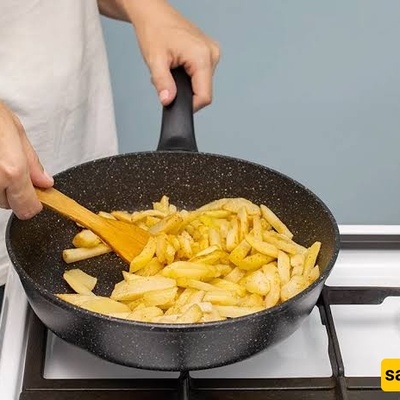
To keep potato kuku from falling apart, preheat the pan and use enough oil. Too little oil can cause the mixture to stick to the bottom of the pan and break when you try to turn it.
Medium to medium-high heat is generally suitable. Excessive heat can burn the outside while leaving the center undercooked, whereas low heat may cause the mixture to absorb too much oil.
Spoon the mixture into the pan and leave it undisturbed for several minutes. Allow the bottom to set and turn golden before flipping it carefully with a wide spatula or two spatulas.
Turning the kuku too early greatly increases the chance of it falling apart.
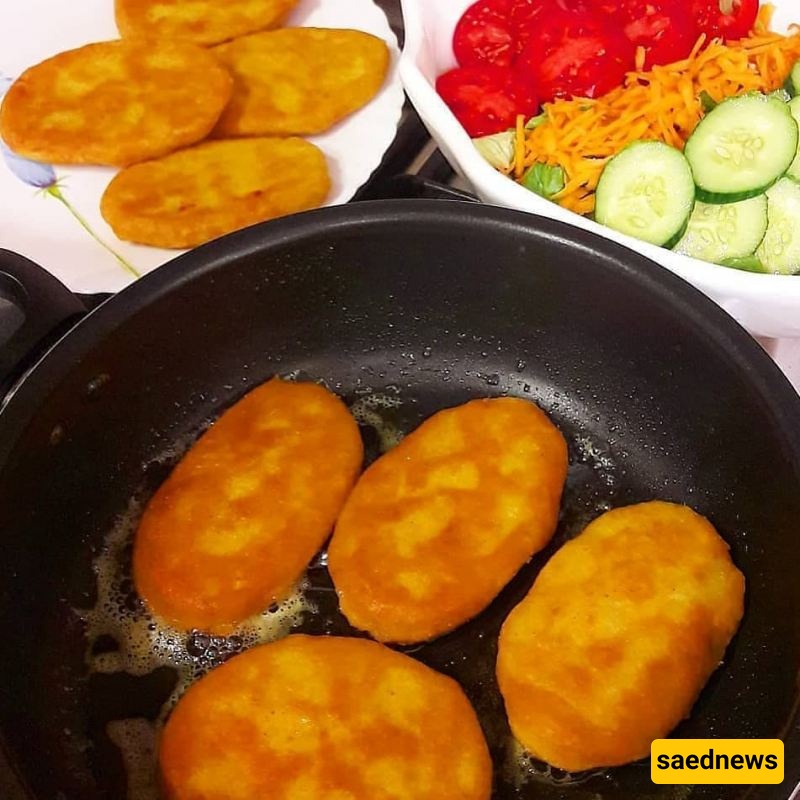
If the mixture remains loose despite removing excess water and adding a binding agent, try these additional methods:
Add chickpea flour: Chickpea flour helps absorb moisture and can improve the flavor. Add one tablespoon, then wait a few minutes.
Use breadcrumbs or cornstarch: Both can absorb excess liquid and help the mixture hold together. Avoid using too much, as it may make the kuku dry or dense.
Add more grated potato: If the mixture is extremely loose, add a little more grated potato after squeezing out its moisture thoroughly. Adjust the seasoning and binding ingredients as needed.
Refrigerate the mixture: Leave it in the refrigerator for 15–20 minutes. Cooling can help the mixture firm up slightly.
Make smaller kuku portions: If the mixture is still somewhat loose, fry smaller, thicker portions instead of making one large kuku. Smaller pieces are easier to turn and less likely to fall apart.
Bake it in the oven: If the mixture is excessively loose, spread it in a greased baking tray and bake at approximately 180°C (356°F) until set. Although it may not have the same texture as pan-fried kuku, this method can help save the mixture.
For consistently firm, golden, and attractive potato kuku, follow these tips:
Squeeze grated potatoes thoroughly to remove excess water.
Drain grated onions before adding them to the mixture.
Use the right amount of eggs. One to two eggs are usually sufficient for every three to four medium potatoes.
Add salt at the final stage, shortly before frying.
Avoid overmixing; combine the ingredients only until evenly distributed.
Allow the mixture to rest briefly so the binding agents can absorb moisture.
Preheat the pan and use enough oil.
Do not flip the kuku too soon. Wait until the bottom is fully set.
Fry a small test portion first to check the consistency.
If the mixture is too loose, add binding agents gradually rather than adding a large amount of flour at once.
Potato kuku usually falls apart because of excess moisture, insufficient binding agents, too many eggs or other liquids, adding salt too early, or using the wrong pan temperature.
The most effective quick fix is to remove excess moisture from the potatoes and onions, gradually add chickpea flour or breadcrumbs, and allow the mixture to rest briefly before frying.
By following these simple tips, you can prepare potato kuku that is cohesive, golden, delicious, and less likely to fall apart in the pan.