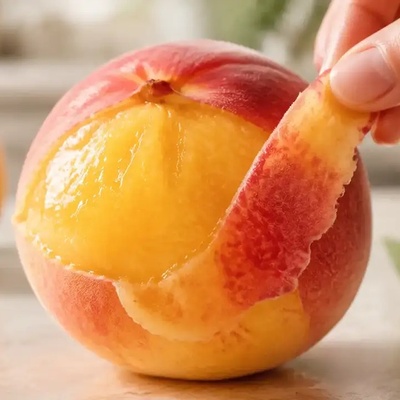
SAEDNEWS: Peeling peaches using the simple thermal shock method is the easiest and most effective way to remove the skin without wasting any of the fruit’s flesh.
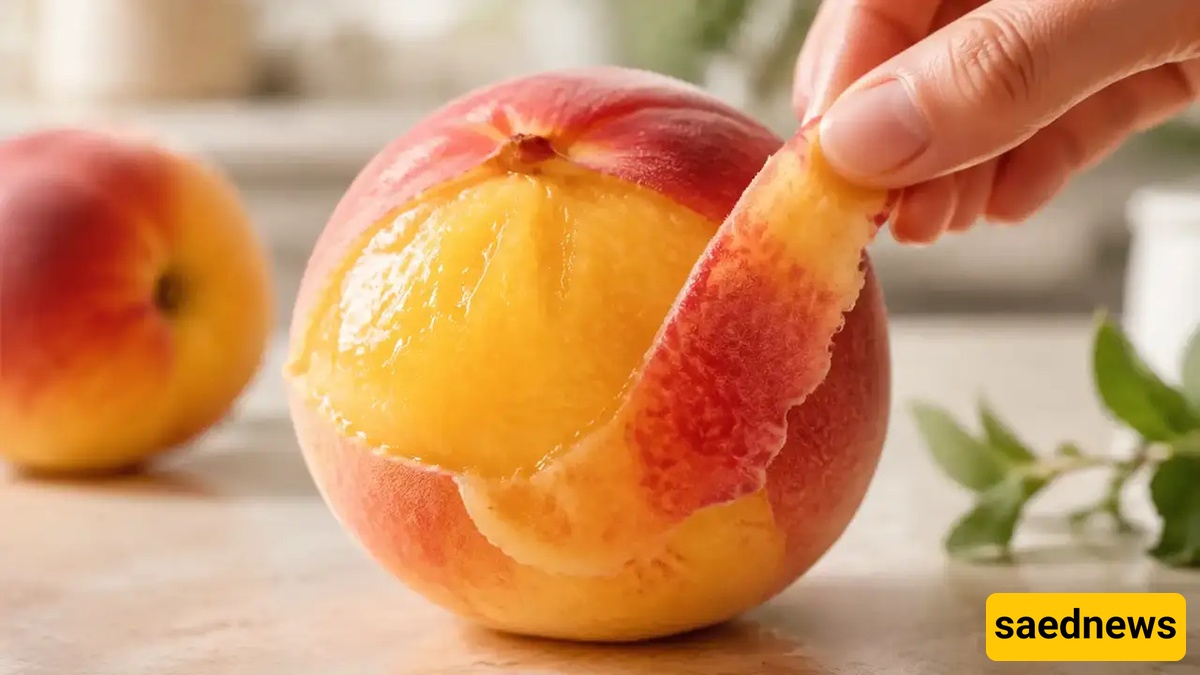
According to Saednews, Peaches are juicy, fragrant summer fruits loved around the world. Their sweet flavor and tender texture make them ideal for preparing a variety of desserts, jams, cakes, fruit salads, and preserves. However, peeling this delicate fruit can be challenging. Without the right technique, you may waste valuable fruit flesh or accidentally crush the peach while removing its skin.
In this guide, we’ll explore the best and most practical methods for peeling peaches while preserving their flavor, texture, and natural juiciness.
Blanching is one of the most popular and effective techniques for peeling peaches. Professional chefs commonly use this method because the combination of boiling water and ice water loosens the skin, making it easy to remove.
Step 1: Prepare the peaches
Wash the peaches thoroughly under cold running water to remove dirt and surface fuzz. Using a sharp knife, make a small X-shaped cut on the bottom of each peach, opposite the stem. Cut only through the skin without piercing the flesh.
Step 2: Boil the water
Fill a large pot with water and bring it to a boil over high heat. Choose a pot large enough to hold the peaches comfortably without crowding them.
Step 3: Submerge the peaches
Carefully place the prepared peaches in the boiling water. The required blanching time depends on their ripeness:
Ripe peaches: 30–45 seconds
Partially ripe peaches: 45–60 seconds
Firm peaches: 60–90 seconds
Important tip: Avoid leaving the peaches in boiling water for too long, as excessive heat can soften the flesh and affect the fruit’s flavor and texture.
Step 4: Transfer to an ice bath
Immediately remove the peaches from the boiling water and place them in a large bowl filled with cold water and plenty of ice. This stops the cooking process and helps loosen the skin. Leave the peaches in the ice bath for approximately 1–2 minutes.
Step 5: Remove the skin
Take the peaches out of the ice bath and pat them dry. Gently grasp the skin near the X-shaped cut and pull it away in smooth, even motions. The skin should come off easily.
If the skin remains difficult to remove, return the peaches to the boiling water for a few additional seconds.
If your peaches are relatively firm and fresh, a handheld vegetable peeler can be a convenient option. This method works well when preparing peaches for fresh consumption or fruit salads.
How to do it:
Hold the peach in one hand and use the peeler with the other, moving from the top near the stem toward the bottom. Use short, steady strokes and apply gentle pressure.
This method is not recommended for very soft, ripe peaches, as they can easily become crushed during peeling.
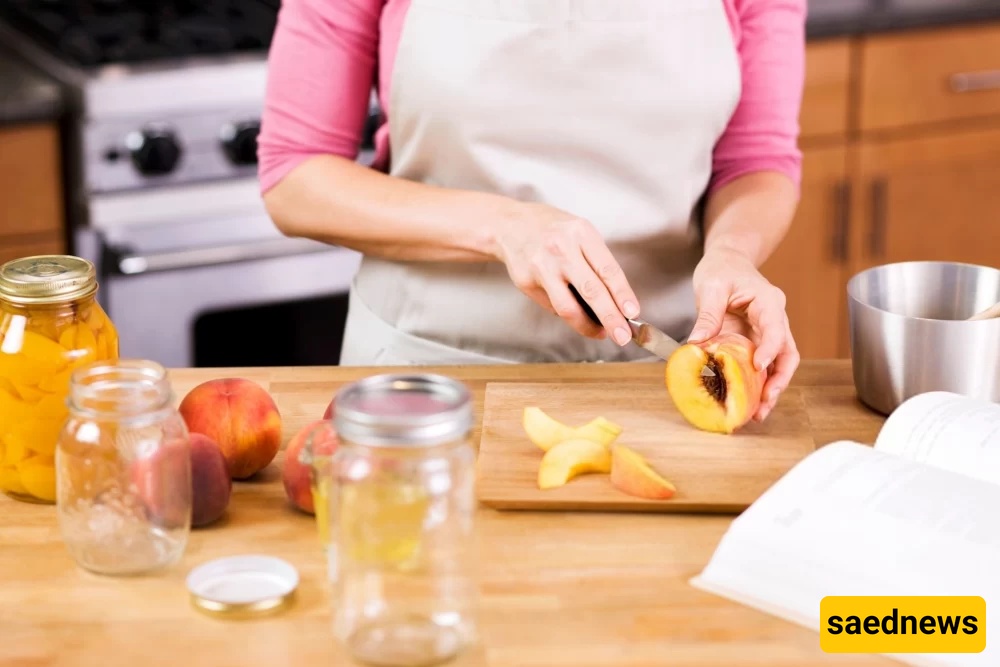
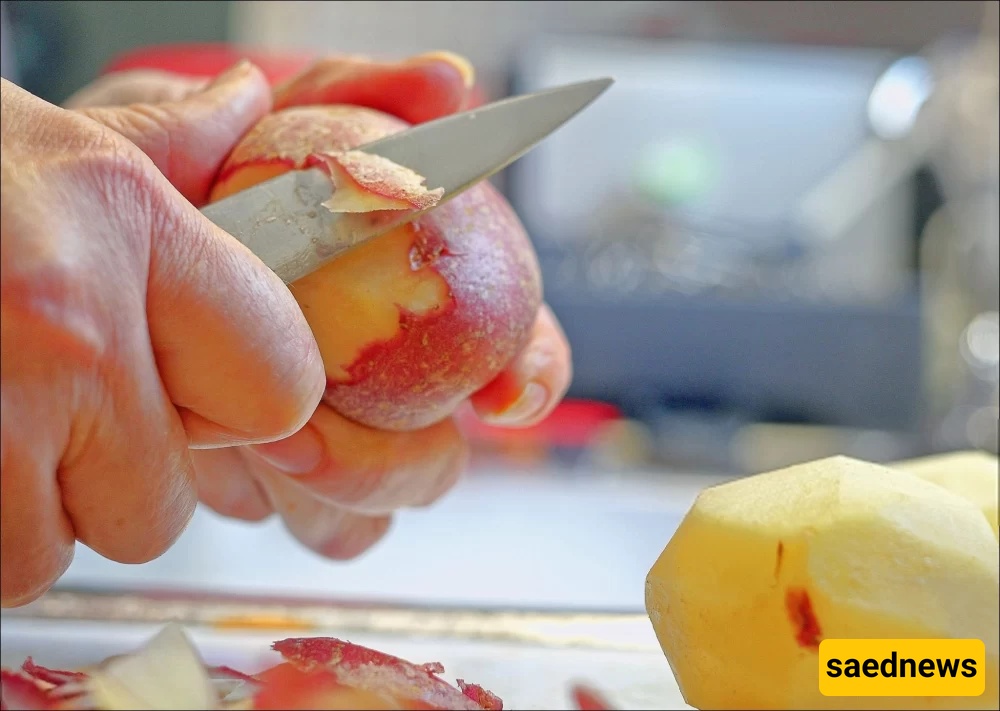
This method requires greater skill and precision and is generally more suitable for firm or underripe peaches. If you are inexperienced, the blanching method may be easier and safer.
How to do it:
Place the peach on a cutting board. Using a sharp, narrow knife, carefully lift the skin near the top and peel it away in thin strips, working downward.
Keep the blade close to the surface of the skin to minimize fruit waste.
Microwave peeling is another quick and convenient option, although it may slightly alter the texture of the fruit. It is particularly useful when preparing peaches for cooking or puréeing.
How to do it:
Wash the peaches and make an X-shaped cut on the bottom of each one. Place them in a microwave-safe dish and heat on high for 30–45 seconds. Allow them to cool for a few minutes before handling.
The skin should then be easier to remove.
Proper storage is important after peeling peaches to maintain their freshness and prevent discoloration.
Refrigeration: Place peeled peaches in an airtight container and store them in the refrigerator. To help prevent browning, drizzle them with a little lemon juice. They generally keep for 2–3 days when properly refrigerated.
Freezing: For longer storage, cut the peeled peaches into slices or cubes. Arrange them in a single layer on a tray and freeze for 2–3 hours until firm. Transfer the frozen pieces to freezer-safe bags. Peaches can generally be stored in the freezer for up to 6 months, although their texture may change over time.
Making peach purée: Blend peeled peaches with a little sugar and lemon juice. Pour the purée into ice cube trays and freeze. These frozen cubes are excellent for adding flavor to smoothies and desserts.
Once you know how to peel peaches properly, you can use them in a wide variety of recipes.
Peach jam: Cook peeled, chopped peaches with sugar and a little lemon juice until the mixture thickens.
Peach pie and cake: Arrange sliced peaches over pie crust or cake batter and bake.
Peach smoothies: Blend peeled peaches with yogurt, milk, and honey for a refreshing drink.
Fruit salad: Combine chopped peaches with other seasonal fruits for a colorful summer salad.
Canned peaches: Cook peeled peaches in sugar syrup and preserve them in sterilized jars using an appropriate canning method.
Peeling peaches doesn't have to be difficult. The blanching method is generally the best choice for ripe peaches because it removes the skin quickly while minimizing damage to the flesh. A vegetable peeler or knife works well for firmer fruit, while the microwave can be useful when preparing peaches for cooked recipes.
By choosing the right technique for the ripeness of your peaches, you can prepare this delicious summer fruit easily and enjoy it in countless recipes.