SAEDNEWS: Sauces play an important role in the flavor and appearance of food. This article explores the differences between mayonnaise, Thousand Island, French, and tartar sauces in terms of ingredients, taste, texture, and uses to help you make an informed choice.
According to Saednews, Sauces are among the most important components of modern dining, transforming simple dishes into enjoyable culinary experiences. Among the wide variety of sauces, four popular options—mayonnaise, Thousand Island, French dressing, and tartar sauce—are commonly found in kitchens and restaurants. Although many people consider them similar, each has its own ingredients, flavor, texture, and culinary uses.
Mayonnaise can be considered the foundation of many well-known sauces around the world. This thick, creamy-colored sauce is made by emulsifying oil, egg yolks, vinegar or lemon juice, and a little salt. The egg yolk acts as an emulsifier, allowing the oil and liquid to combine into a smooth, glossy mixture.
Thanks to its mild flavor and smooth texture, mayonnaise is an excellent base for creating other sauces. It is commonly used to prepare:
Thousand Island dressing
Tartar sauce
Caesar dressing
Remoulade sauce
Aioli
This versatility has helped make mayonnaise one of the world's most widely consumed sauces.
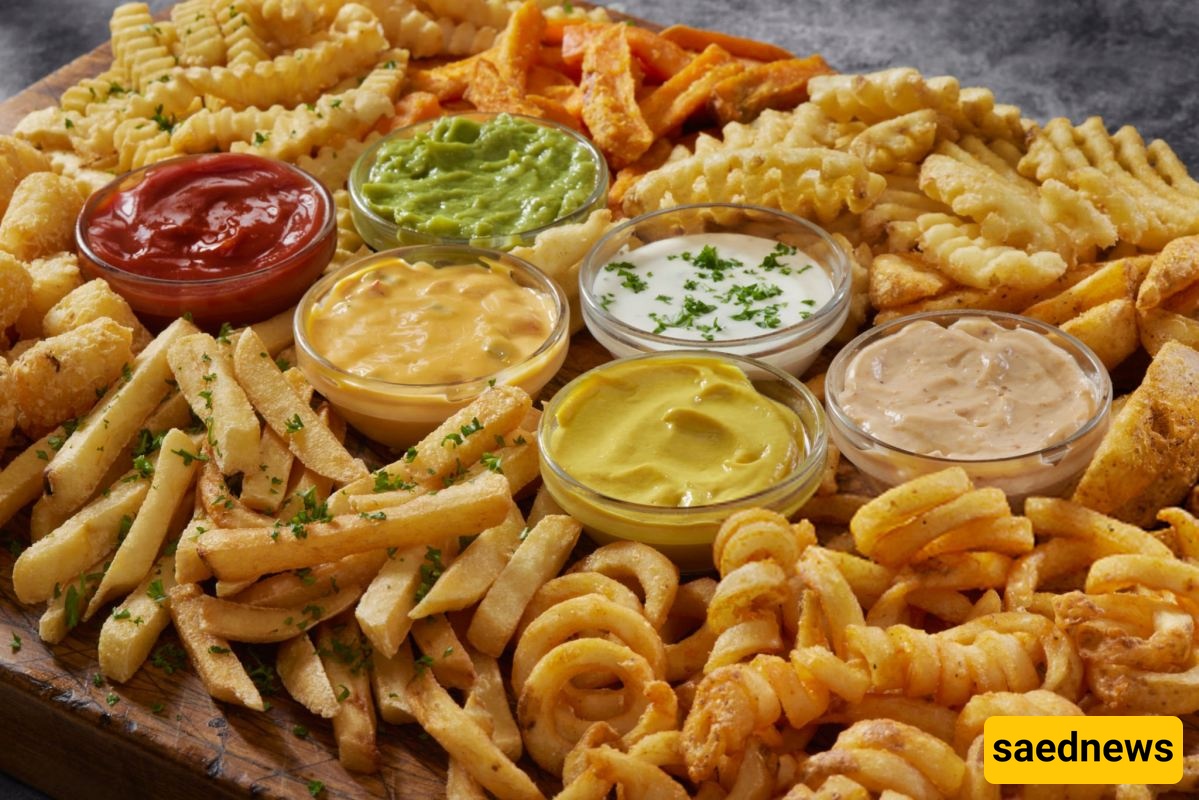
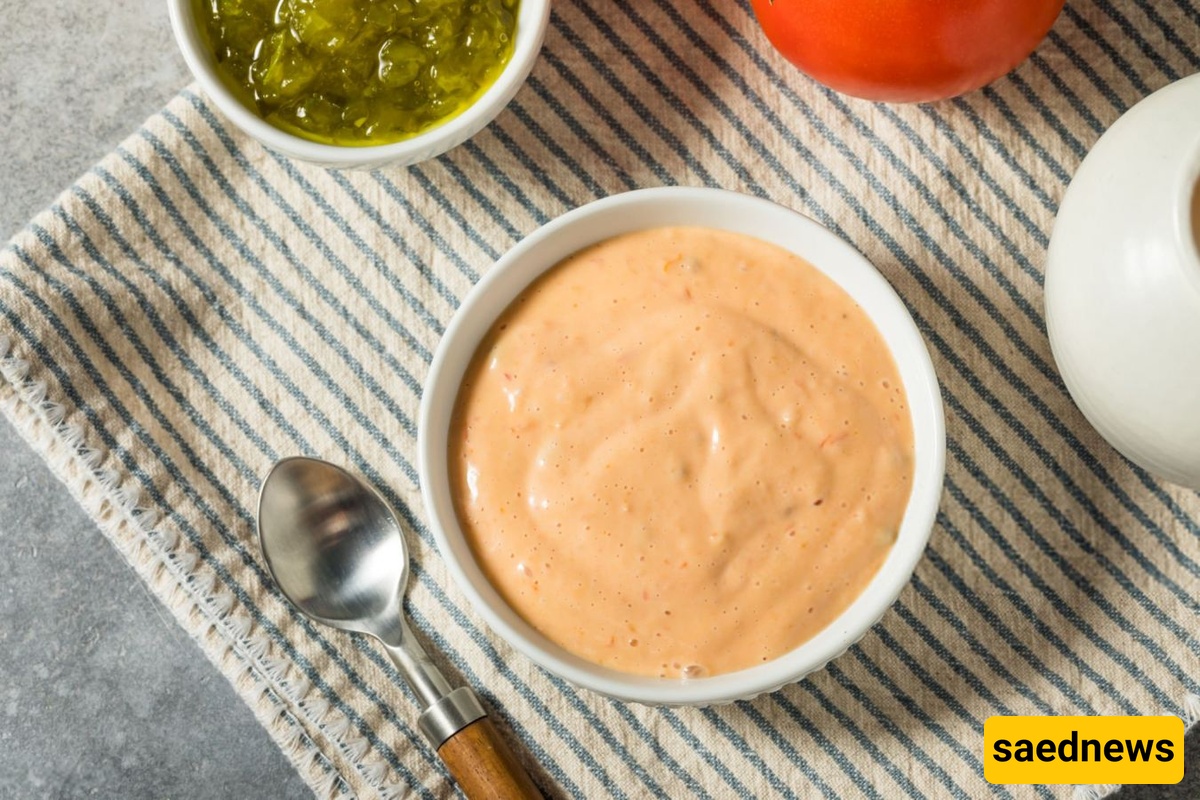
Thousand Island dressing is one of the world's most popular salad dressings. It has a sweet, slightly tangy flavor and a layered texture. Essentially, it is mayonnaise combined with additional ingredients that give it a distinctive identity.
Mayonnaise
Ketchup or tomato paste
Finely chopped pickles
Chopped onion or shallots
Some variations also include diced bell peppers, olives, hard-boiled eggs, sugar, and even Worcestershire sauce to create a more complex flavor.
Mayonnaise is made primarily from oil, egg yolks, vinegar, and salt, giving it a relatively neutral flavor. Thousand Island dressing, on the other hand, combines mayonnaise with ketchup, pickles, and onions to create a sweet, tangy, tomato-forward flavor and a slightly chunky texture.
Various sandwiches and burgers
Vegetable dips
A range of salads, from lettuce salads to chicken and bacon salads
French dressing differs significantly from mayonnaise in both appearance and flavor. Unlike mayonnaise, which is white and creamy, French dressing is usually bright red or orange and has a thinner consistency.
Mayonnaise or oil as a base
Sweeteners such as sugar or honey
Mild spices and seasonings, such as onion powder, garlic, or paprika
Vinegar and other acidic ingredients
Recipes vary, and many traditional versions of French dressing use oil and vinegar rather than mayonnaise.
The distinctive color of French dressing typically comes from tomato paste, ketchup, or paprika. Its vibrant appearance can make a salad look more appetizing.
Mayonnaise has a mild, relatively neutral flavor and is often used to complement other ingredients. French dressing has a more pronounced taste, combining mild sweetness, acidity, and a hint of spice that is immediately noticeable.
French dressing is primarily used for fresh vegetable salads that benefit from a bold flavor. Its bright color also adds visual appeal to the dining table.
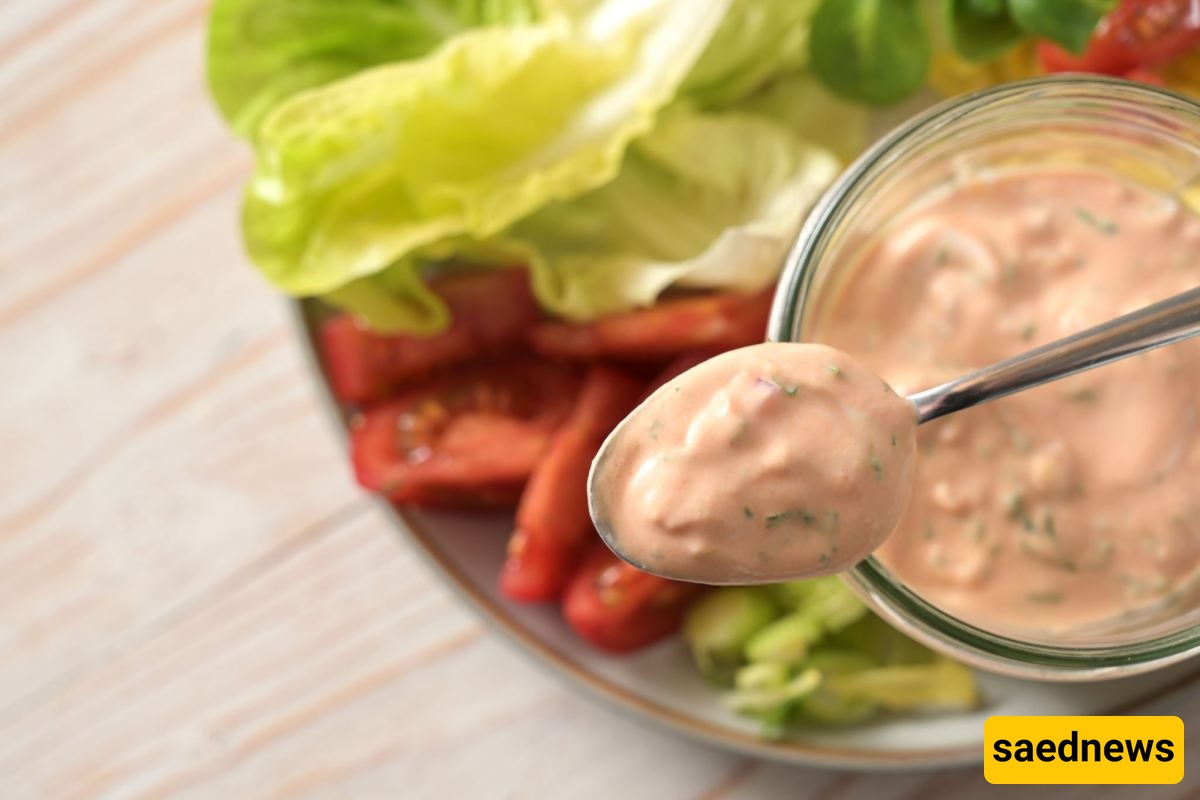
Tartar sauce is another mayonnaise-based condiment, but it develops its distinctive flavor through the addition of ingredients such as pickles, capers, onions or shallots, and lemon juice.
Its crunchy texture and tangy, salty flavor make it a popular accompaniment to seafood dishes.
Fried fish
Fried shrimp
Seafood dishes
Certain seafood sandwiches
Each of these sauces has its own characteristic taste and consistency.
Mayonnaise: Mild, slightly salty flavor with a smooth, creamy texture.
Thousand Island dressing: Sweet and tangy flavor with a slightly chunky texture.
French dressing: Sweet, tangy, and mildly spicy flavor with a thinner consistency.
Tartar sauce: Tangy, salty flavor with a crunchy texture.
As a general rule, milder main dishes can benefit from sauces with stronger, tangier flavors, while richer or more strongly flavored dishes may pair better with a milder condiment.
Each sauce works best with particular types of food.
Mayonnaise: A versatile option for sandwiches, Olivier salad, other salads, and as a base for additional sauces.
Thousand Island dressing: Ideal for salads, burgers, and American-style sandwiches.
French dressing: Best suited to vegetable and lettuce salads.
Tartar sauce: An excellent accompaniment to fried fish, shrimp, and other seafood dishes.
If you pay attention to your diet, the nutritional differences between these sauces are worth considering.
Mayonnaise: Approximately 90 calories per tablespoon, making it a calorie-dense condiment.
Thousand Island dressing: Often has a similar calorie content to mayonnaise, depending on the amount of oil, mayonnaise, and added sugar.
French dressing: Often contains fewer calories than mayonnaise, although the amount of oil and sugar can significantly affect its nutritional value.
Tartar sauce: Often has a calorie content similar to Thousand Island dressing, but versions containing less mayonnaise and more pickles and capers may be lighter.
Exact calorie counts vary by brand and recipe, so checking the nutrition label is the best way to compare products accurately.