SAEDNEWS: Kotlet vs. Shami vs. Kuku: What’s the Difference Between These Popular Persian Dishes?
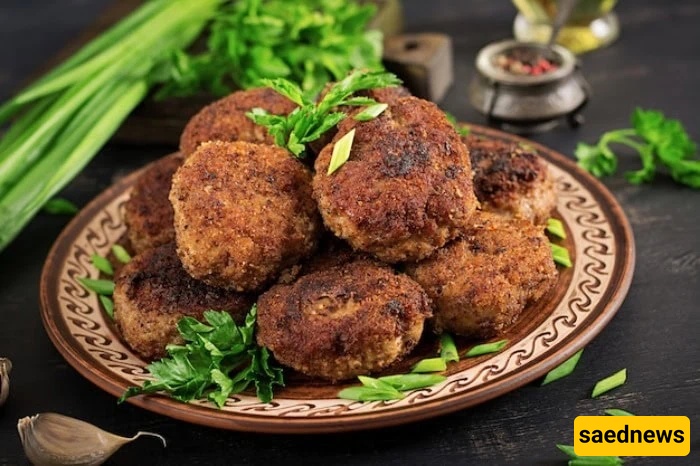
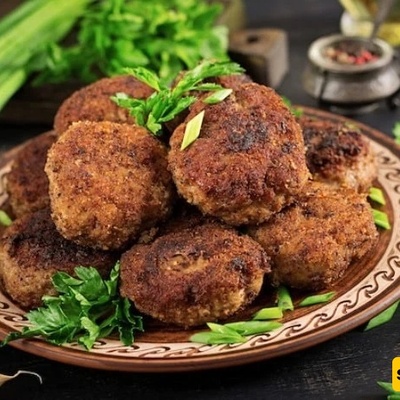
According to Saednews, Kuku, shami, and kotlet are three popular dishes in Iranian cuisine. Because they often look similar and share some ingredients, they are frequently mistaken for one another. However, each dish has its own distinctive flavor and aroma, offering a unique experience of Iranian cooking and reflecting the diversity and richness of the country’s culinary traditions.
With a little attention, we can identify subtle but important differences in their preparation methods, ingredients, and textures. Understanding what distinguishes these three delicious dishes helps us make more informed choices when preparing them and enjoy the authentic taste of each one.
The main differences between kuku, kotlet, and shami lie in their primary ingredients, preparation methods, final textures, and flavors.
Kotlet has a relatively firm and compact texture, while shami is softer and more tender. Kuku has a light, soft texture and is slightly moist.
The flavor of shami depends on the meat, split peas, or vegetables used in its preparation. Kotlet has a different flavor profile, primarily influenced by its meat and seasonings. Kuku, which is typically prepared without meat, has a distinct taste that sets it apart from both shami and kotlet.
The main ingredients used to prepare shami, kotlet, and kuku vary.
Shami: Shami is usually made with ground meat, split peas, potatoes, and spices. Its mixture is generally softer and more liquid than that of kotlet. In some regions of Iran, aromatic herbs are also added to the mixture for shami kebab.
Kotlet: To make potato kotlet, potatoes and onions are first grated and their excess moisture is removed. Ground meat, spices, and a small amount of chickpea flour, dried breadcrumbs, or bread crumbs are then added. The mixture is kneaded, shaped, and fried in hot oil. Kotlet can be made with ground beef or lamb, ground chicken, or even fish.
Kuku: To prepare potato kuku, boiled or raw potatoes are grated and combined with grated onion, eggs, spices, and dried dill. The mixture is thoroughly combined and fried in oil.
Kotlet: The ingredients are mixed together and shaped into round or oval patties, which are then fried in oil.
Shami: The mixture is usually shaped into flat, round patties and fried in oil.
Kuku: Kuku is generally cooked as one large, evenly spread layer in a frying pan. Once cooked, it is cut into individual portions of the desired size.