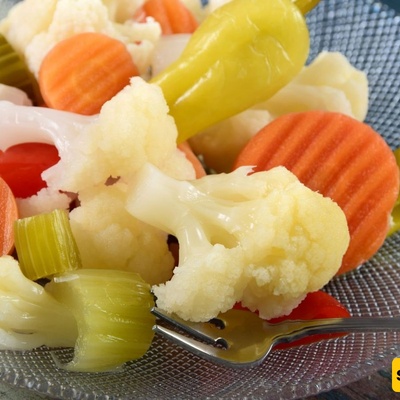
SAEDNEWS: Homemade pickles and pickled vegetables hold a special place on Iranian dining tables. Pickled cauliflower with carrots and celery is one of the most popular choices, made with fresh vegetables, vinegar, salt, and aromatic spices.
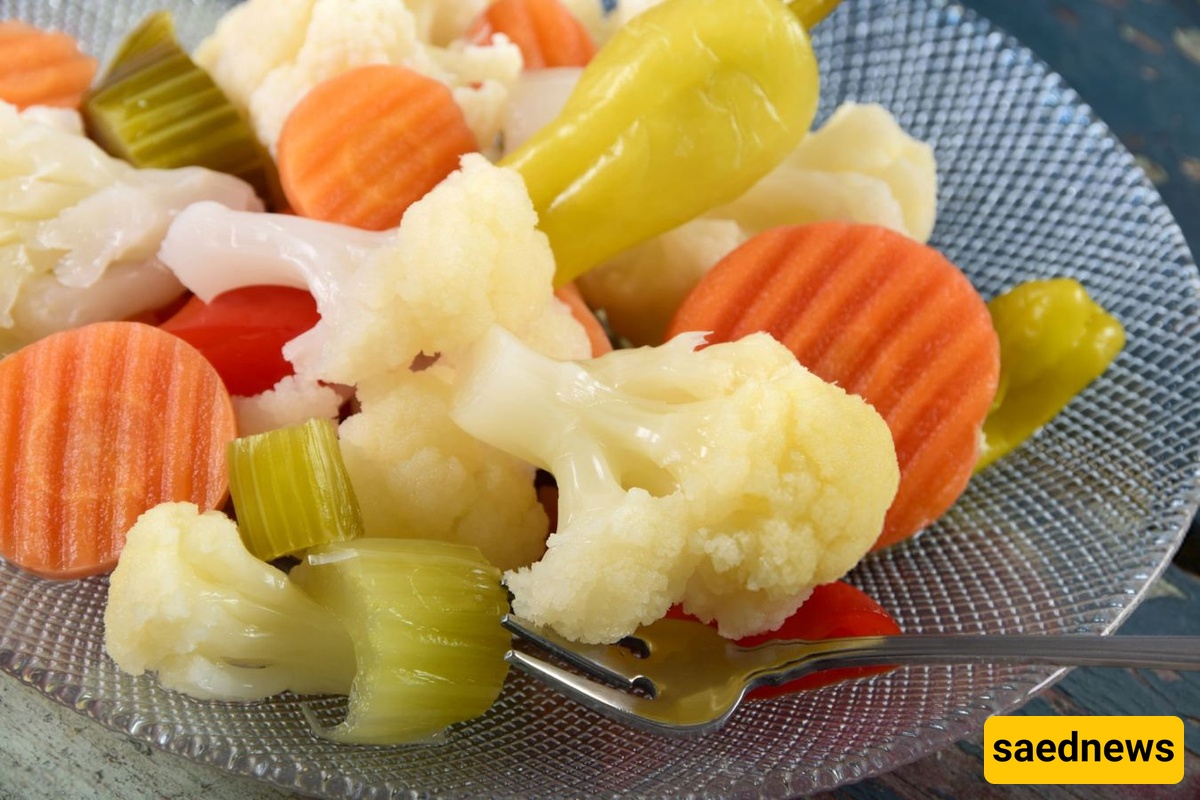
According to Saednews, Pickled cauliflower is one of the most popular types of pickled vegetables in Iran. Cauliflower has a crisp, porous texture that allows it to absorb the flavors of brine, vinegar, and aromatic herbs.
Making this pickle at home offers several advantages. You can adjust the amounts of salt, vinegar, and chili to suit your family's taste. You can also use fresh ingredients without industrial preservatives, making homemade pickled cauliflower both more economical and easier to customize.
To prepare this flavorful pickle, you will need the following ingredients. The quantities are suitable for one medium-sized jar and can be adjusted as needed.
Cauliflower: 2 kg
Carrots: 4
Celery stalks: 2
Garlic cloves: 6
Green chili peppers: 2
Cucumbers: 4 (optional)
Mint, tarragon, and parsley: 100 g in total
Water: 4 cups
Salt: 2 tablespoons per 4 cups of water
White vinegar: 4 tablespoons per 4 cups of water
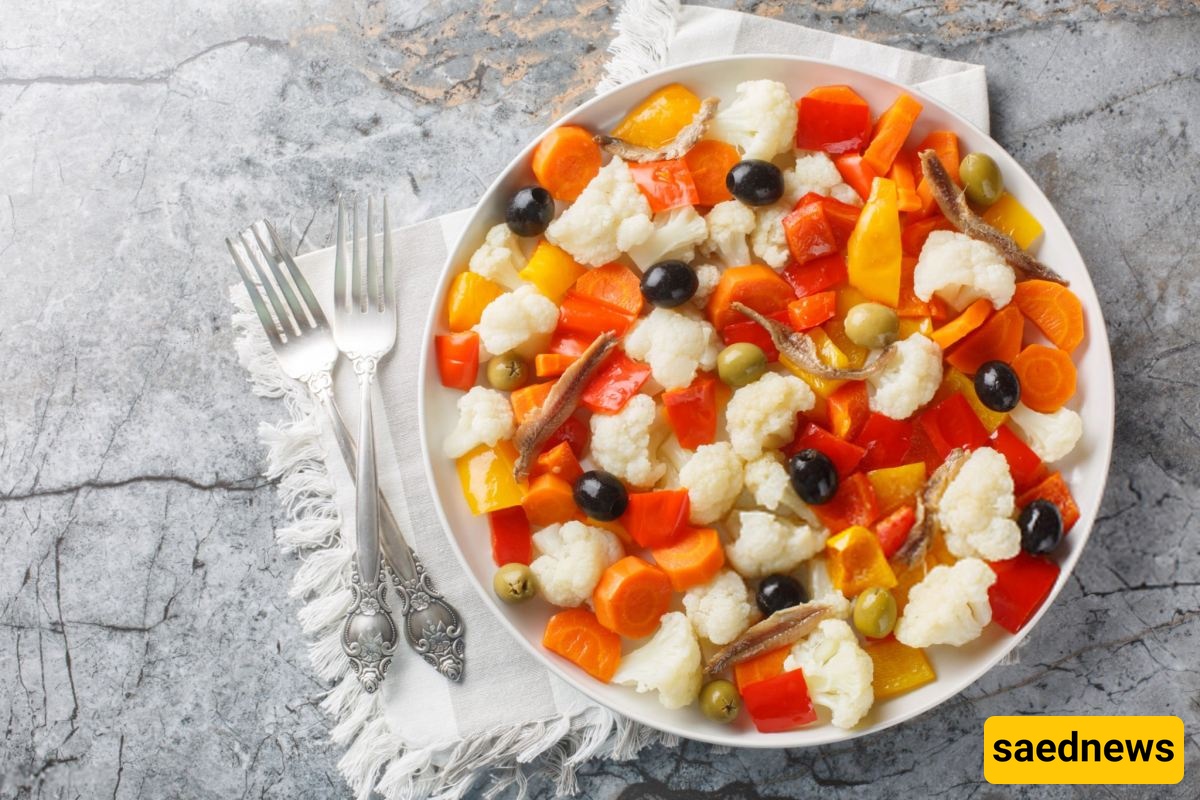
Brine is the foundation of any good vegetable pickle. To prepare it, pour 4 cups of water into a saucepan and place it over medium-low heat.
Add 2 tablespoons of salt and stir until it dissolves completely. Then add 4 tablespoons of white vinegar.
Allow the brine to come to a gentle boil, then remove it from the heat and let it cool completely before using.
Choose a large, thoroughly cleaned glass jar with a tight-fitting lid that is free of unwanted odors.
Wash the jar with warm water and dish soap, then sterilize it using boiling water or an appropriate sterilization method. Allow it to dry completely.
Keeping the jar and utensils clean is important for reducing the risk of contamination and spoilage.
Begin by placing a small amount of the aromatic herbs at the bottom of the jar.
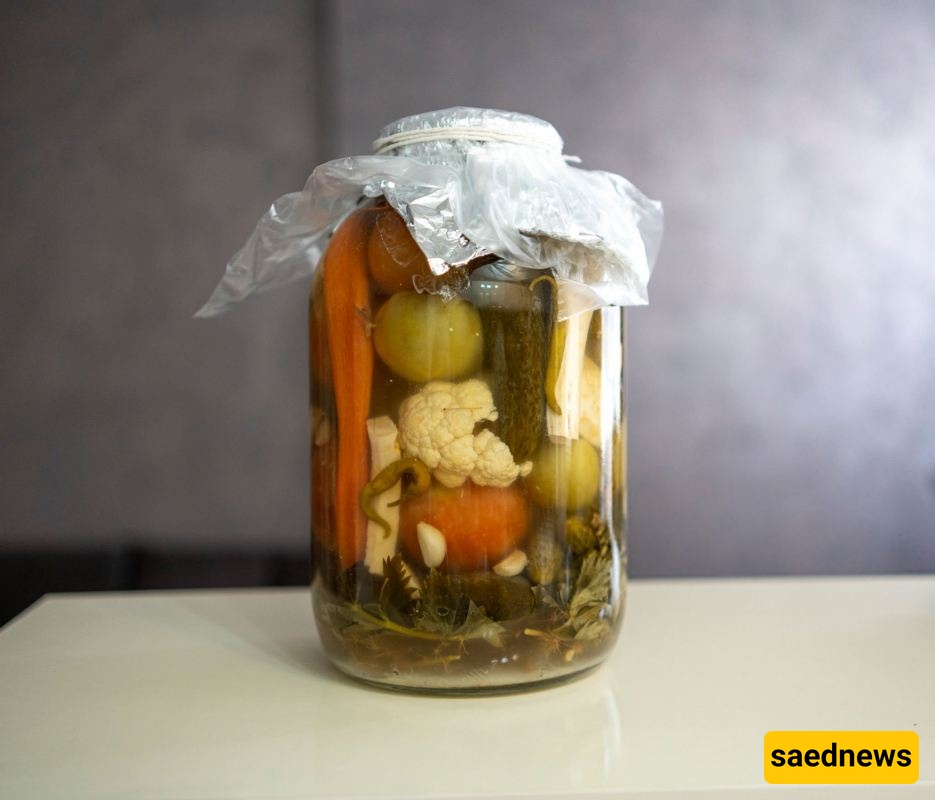
Next, add a layer of cauliflower, carrots, celery, garlic, green chili peppers, and cucumbers, if using.
Continue layering the vegetables until the jar is filled, adding a little of the herbs between each layer so their aroma is distributed throughout the pickle.
Avoid packing the ingredients too tightly, as the brine needs to circulate around the vegetables.
Once the vegetables are arranged, pour the cooled brine over them until they are completely covered.
If the liquid level is too low, prepare additional brine using the same proportions of salt and vinegar, then add enough to cover the vegetables.
Close the jar tightly with its lid.
Traditionally, the jar is kept in a cool, dry, dark place. A temperature of approximately 18–22°C is often used for vegetable fermentation.
During the first few days, the brine may become slightly cloudy or develop some bubbles. These changes can occur during fermentation, although they do not by themselves confirm that the pickle is safe to eat.
The original recipe suggests that the cauliflower pickle will be ready after approximately 7–10 days, although the time required depends on the preparation method and conditions.
Food safety note: Because this recipe uses a relatively small amount of vinegar and does not specify a validated acidity level, fermentation time alone cannot guarantee safety at room temperature. For a safer homemade pickle, refrigerate it and follow a tested pickling or fermentation recipe with appropriate salt and acidity levels. After opening, keep the jar refrigerated and use clean utensils.
To help your cauliflower pickle retain its crunch, color, and flavor, keep these tips in mind:
Choose fresh vegetables: Use firm cauliflower, fresh carrots, and crisp celery.
Clean the jar thoroughly: Proper cleaning helps reduce contamination.
Measure the brine carefully: Follow the salt and vinegar proportions in a reliable, tested recipe.
Use suitable water: If your tap water has a strong chlorine taste, boiled and cooled water may be preferable.
Add extra spices if desired: Black peppercorns, bay leaves, or mustard seeds can add more aroma, although they are not included in the original recipe.
Adjust the heat: Add more green chili peppers for a spicier pickle. To reduce the heat, remove the pepper seeds before adding them.
Avoid unnecessary handling: Opening the jar repeatedly can introduce contaminants and affect the quality of the pickle.
Watch for signs of spoilage: Discard the entire batch if you notice mold, an unpleasant odor, or other signs of spoilage. Do not simply remove visible mold and continue eating the pickle.
Homemade pickled cauliflower with carrots and celery is a flavorful accompaniment to many meals. The combination of crunchy vegetables, garlic, fresh herbs, and tangy brine creates a delicious pickle that can be customized to your preferred level of saltiness and spice.
For the best results, use fresh ingredients, prepare the brine carefully, keep everything clean, and follow safe storage practices. These simple steps will help you make a tasty homemade pickle while reducing the risk of spoilage.