SAEDNEWS: Some children ask for more food soon after meals for different reasons, from normal growth needs to eating habits and meal balance.

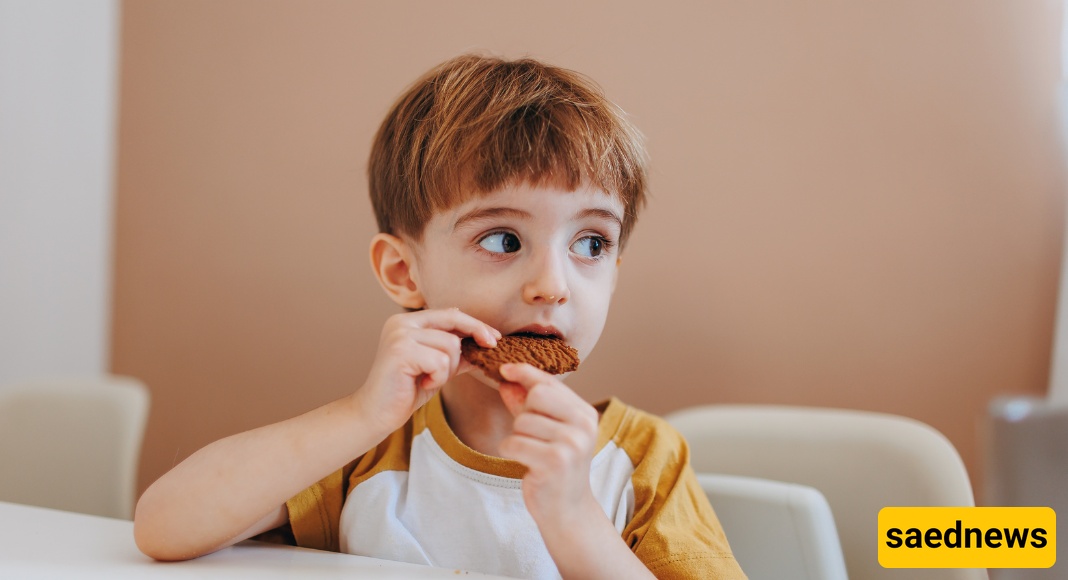
According to SAEDNEWS, children who look for snacks shortly after finishing a meal may be responding to hunger, habit, emotions, or the way their meals are structured. A child asking for more food does not always mean they are being picky or overeating; understanding the reason behind this behavior can help parents respond appropriately.
Several factors can explain why a child may still ask for something to eat after a meal:
• Growth and changing energy needs
Children’s bodies grow quickly, and their appetite can change from day to day. During periods of increased activity or growth, some children may naturally need more energy.
• Meals that are not filling enough
A meal that lacks a balance of protein, fiber-rich foods, and healthy sources of energy may not keep a child satisfied for long. Foods such as vegetables, whole grains, dairy products, eggs, legumes, and nuts (when age-appropriate and safe) can contribute to a more balanced meal pattern.
• Eating too quickly
Some children finish their food quickly and ask for more before they recognize feelings of fullness. Eating slowly and without distractions can help children become more aware of their hunger and fullness signals.
• Routine or emotional reasons
Sometimes children ask for snacks because they are bored, seeking attention, or following a familiar routine rather than because they are physically hungry.
Before offering another snack, parents can gently consider:
Did the child eat enough during the meal?
Looking at the overall meal rather than one single food can provide a better picture of whether the child has received enough nutrition.
Is the child truly hungry or looking for a specific food?
A child who refuses a normal snack but requests sweets or a favorite treat may be expressing a preference rather than hunger.
Has enough time passed since the meal?
Young children often need regular meals and snacks because their stomachs are smaller, but constant eating throughout the day may affect appetite at regular mealtimes.
Parents can support healthy eating habits by focusing on meal quality and structure:
Include a source of protein, such as eggs, yogurt, cheese, beans, or lean meat.
Add fruits and vegetables to provide fiber and important nutrients.
Offer water regularly instead of relying on sweet drinks.
Create predictable meal and snack times.
Allow children to decide how much they eat from the foods offered, while parents choose what and when to serve.
Occasionally, a noticeable change in appetite can be related to health or lifestyle factors. If a child suddenly becomes much hungrier than usual, has changes in weight, feels unusually tired, or shows other concerning symptoms, parents can discuss these changes with a healthcare professional.
Understanding why children ask for food after meals helps parents avoid unnecessary restrictions and build a healthier relationship with eating. A child’s appetite can vary naturally, and supportive routines can help them develop better awareness of their body’s needs.