SAEDNEWS: Ash Abkesh is a traditional local soup from Iran’s Khorasan region, originally associated with the city of Quchan. This delicious dish is simple to prepare and is made without legumes. Its main ingredients are noodles, yogurt, and doogh (a traditional yogurt-based drink). Below, discover how to prepare authentic Quchani Ash Abkesh.
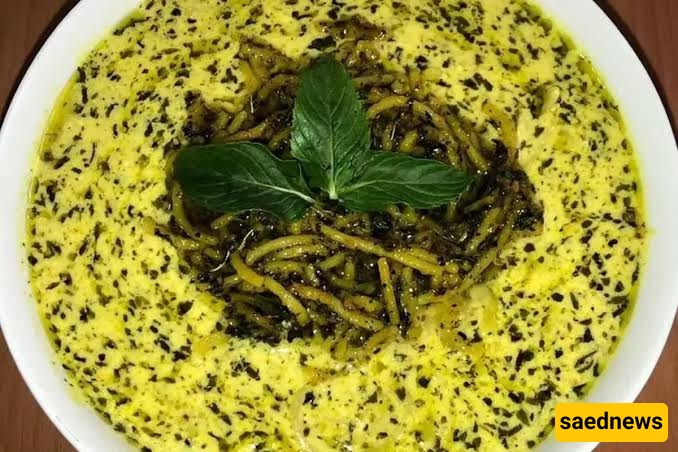
According to Saednews, Abkesh Ash is a famous and incredibly delicious traditional soup from Quchan, with Persian soup noodles, doogh, and yogurt as its main ingredients. Local dishes are, in fact, a form of cultural heritage passed down through generations. Some of these dishes have gradually disappeared over time as lifestyles have become more modern and people have been introduced to new foods, while others have evolved and are now prepared differently. If you travel anywhere in Iran, you will certainly encounter many delicious local dishes, some of which you may never have tasted or even heard of before.
Ash is one of Iran’s most beloved traditional foods. There are many varieties of ash, prepared differently in different parts of the country. Because it is packed with nutritious ingredients, ash is often considered a complete meal. As autumn and winter arrive, making ash at home becomes increasingly popular, as enjoying a warm bowl of ash in cold weather provides a comforting warmth that is especially satisfying.
Persian soup noodles (reshteh): ½ package
Yogurt and doogh mixture: 1 large bowl
Kashk (fermented whey): ½ bowl
Garlic: 1 whole bulb
Dried mint: 2 tablespoons
Salt and turmeric: as needed
Fried onions: as needed
Oil: as needed
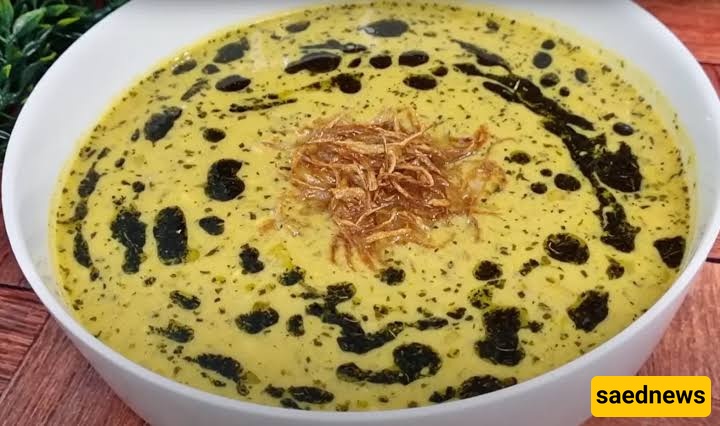
To prepare this delicious ash, begin by filling a medium-sized pot halfway with water. Place the pot over medium-high heat and wait for the water to come to a boil. Break the soup noodles in half and add them to the boiling water, just as you would when cooking pasta. Once the noodles have softened, drain them and set them aside to cool slightly.
Next comes the most important stage: preparing the ash itself. Pour a little oil into a frying pan and place it over the heat until the oil is hot. Add the dried mint, salt, and turmeric to the hot oil, immediately shaking the pan so that the mint does not burn. After about 30 seconds, add the drained noodles and sauté them thoroughly with the hot oil and mint until the raw smell of the noodles disappears. Turn off the heat.
For the final stage, place the yogurt, kashk, and doogh in a bowl and mix well until the mixture becomes smooth and relatively thin. Grate the garlic cloves and add them to the mixture, stirring well.
Add the sautéed and cooled noodles to the yogurt mixture and combine everything thoroughly. Return the mixture to the pot and place it over medium heat. Cover the pot and reduce the heat. Let the ash simmer gently for about 15 minutes so that it cooks through and develops its flavor.
Your delicious Abkesh Ash is now ready to serve. Ladle it into bowls and garnish with additional kashk and fried onions.
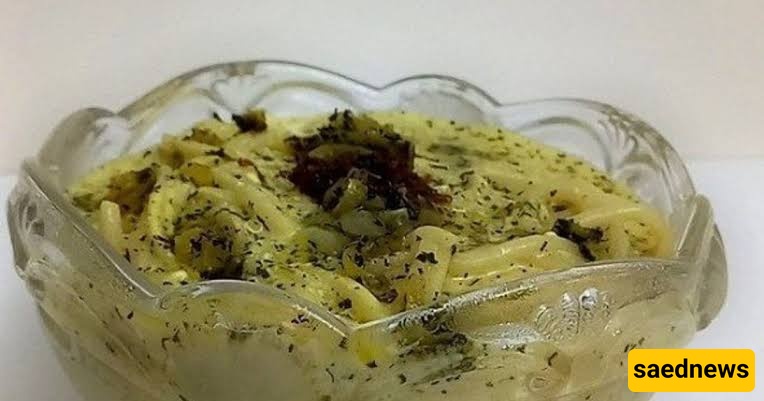
Traditionally, this ash is prepared without legumes or vegetables. However, in some parts of Khorasan, cooked lentils and spinach are added to make it even more flavorful.
Try to use tart yogurt and locally made sour doogh. The more sour the yogurt and doogh, the more flavorful the Abkesh Ash will be.
Adding kashk is optional, so you can leave it out if you prefer. Kashk is relatively high in calories, so those watching their weight should consume it in moderation. It also contains salt, so when preparing dishes with kashk, it is best to add salt only after incorporating the kashk and tasting the dish.
Keep in mind that kashk spoils quickly, and food poisoning caused by spoiled kashk can be severe.
It is best to use packaged, pasteurized kashk. Traditional local kashk can be more flavorful, but if you choose to use it, make sure you purchase it from a reliable source.
Although kashk is highly nutritious, it can be difficult to digest and may cause bloating. If you have digestive problems, consume it cautiously. Dried mint served with kashk can help with digestion.
Fried onions add wonderful aroma and flavor to the dish. For the best result, the onions should be very finely sliced and completely dry.
To make crispy, dry fried onions, slice the onions very thinly and fry them in plenty of preheated oil. The onions should be fully submerged in the oil, so avoid adding too many at once.
Once the onions are fried, place them on a rack or strainer to allow the excess oil to drain completely, then spread them out on a tray.
When frying another batch, do not pile the freshly fried onions directly on top of the previous batch. Doing so can transfer oil to the earlier onions and make them soggy. It can also cause the fried onions to become pasty rather than crisp.