SAEDNEWS: Have you prepared fig jam according to the recipe, but it turned out bitter or sour? Is it too hard or cloudy? Has it developed mold or sugar crystals? Here are the solutions to fix these common fig jam problems.
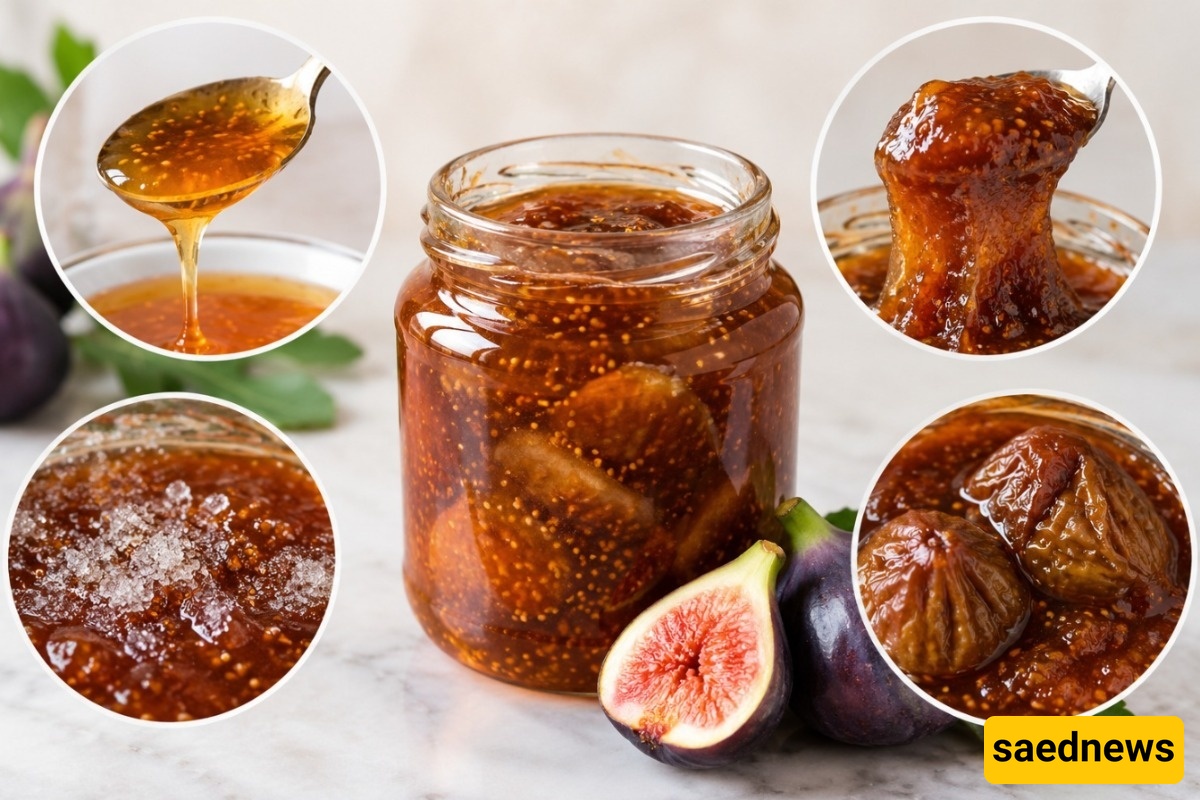
According to Saednews, Fig jam is one of Iran’s most popular traditional preserves, made with fresh figs and sugar or syrup. Its distinctive flavor and pleasant aroma make it especially enjoyable during summer and autumn. Below are answers to common questions about problems that can occur when making fig jam.
Fig jam can become bitter for several reasons, including incorrect ingredient proportions or overcooking. If your fig jam has developed a bitter taste, try these solutions:
Add a small amount of syrup or honey to increase the sweetness. Add it gradually, tasting the jam as you go until you reach the desired level of sweetness.
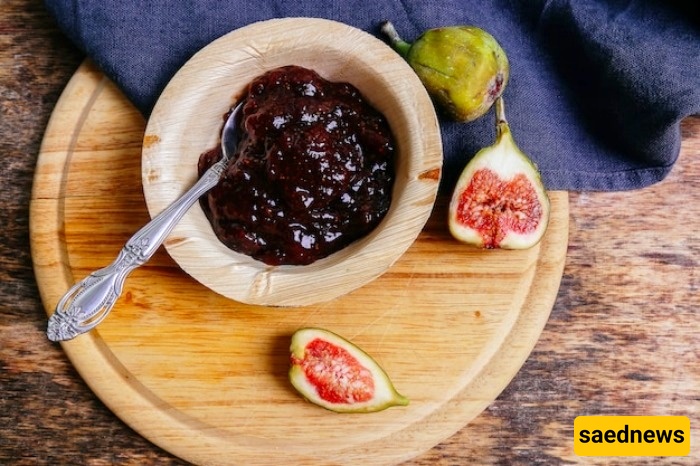
Sometimes an unbalanced flavor makes bitterness more noticeable. A very small amount of lemon juice can help balance the overall taste. However, use it carefully because too much can make the jam sour. Start with a few drops, taste, and add more only if necessary.
You can combine the bitter fig jam with some properly prepared fig jam or another sweet jam with a compatible flavor. This can reduce the bitterness without requiring a large amount of additional sugar.
A small amount of naturally sweet fruit, such as dates, may help reduce mild bitterness. Choose a fruit with a relatively mild flavor so that the original taste of the figs remains noticeable.
Fig jam usually becomes overly thick when the syrup is boiled for too long, too much water evaporates, or the jam is cooked beyond the point of proper consistency. High heat or continued cooking after the syrup has thickened can make the syrup excessively dense and may also cause the figs to become hard, wrinkled, or dark.
To prevent this, cook the jam over low to medium heat and remove it from the stove once the syrup reaches the proper consistency. Remember that jam becomes thicker as it cools, so it should not be allowed to become completely thick while still hot.
If your fig jam becomes too thick after cooling, add a small amount of boiling water and heat it gently for a short time until the syrup becomes fluid again. Add the water gradually to avoid making the jam too thin.
If the figs are already fully cooked and soft, carefully remove them from the syrup first. Dilute the syrup with a little water, bring it back to the desired consistency, and then return the figs to the pot. This helps prevent the fruit from becoming even softer or harder through further cooking.
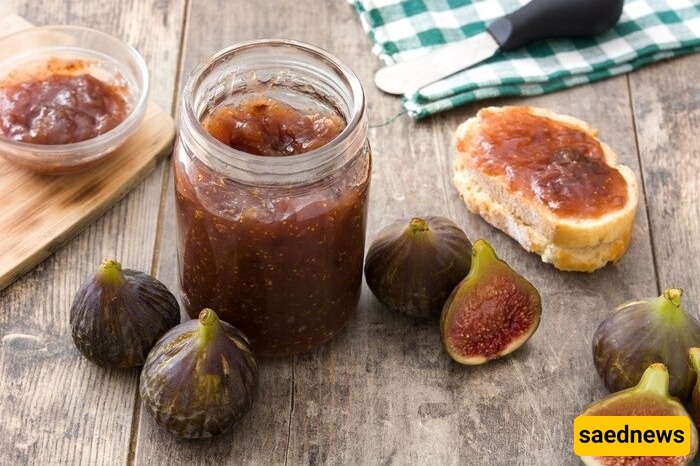
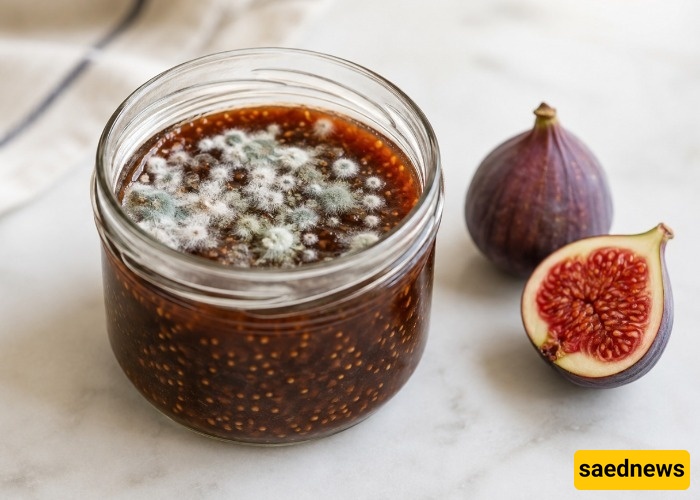
Mold usually develops when the syrup has not reached the proper consistency, excess moisture remains in the jam, the jam is stored incorrectly, or a wet or contaminated container is used. A jam that is too watery contains more available moisture, increasing the risk of spoilage and mold growth.
If the jam is still loose and watery after cooling, briefly return it to low heat before storage so the syrup can reach the appropriate consistency.
Always store fig jam in a completely clean and dry glass container. Avoid putting a wet or contaminated spoon into the jar.
Once the jar has been opened, it is best to keep the jam refrigerated and use a clean, dry spoon each time. Even a small amount of water or contamination can shorten its shelf life.
If visible mold has formed on the jam, simply removing the moldy layer or boiling the jam again is not considered a reliable food-safety method. Mold contamination may have spread beyond the visible area.
For food safety, the safest option is to discard the entire contents of the container.
Sugar crystallization usually occurs when there is too much sugar relative to the amount of water and fruit, when the jam is boiled excessively, or when the syrup becomes overly concentrated. Undissolved sugar crystals in the syrup or on the sides of the pot can also encourage crystallization after the jam cools.
To prevent this, use an appropriate amount of sugar for the quantity of figs and avoid keeping the jam on the heat for too long after the sugar has completely dissolved. Adding an appropriate amount of lemon juice or citric acid near the end of cooking can also reduce the likelihood of crystallization because the acid helps convert some sucrose into simpler sugars.
If the jam crystallizes after cooling, return it to a pot and add a small amount of boiling water along with a few drops of lemon juice. Heat it gently until the sugar crystals dissolve and the syrup becomes smooth again.
Only heat the jam until the crystals disappear. Prolonged boiling can make the syrup excessively concentrated and increase the chance of crystallization happening again.
You can use yellow, green, black, local, or wild varieties of figs. The best choice is generally healthy, ripe but relatively firm figs whose skins are intact and not excessively soft. Very ripe figs tend to break apart during cooking and can negatively affect the appearance of the jam.
If color and appearance are important, yellow or green figs are usually a good choice because they produce a lighter, brighter jam. Black figs can also be used, but the finished jam will naturally have a darker color.
Choose figs of approximately the same size so they cook evenly and some pieces do not become soft or overcooked before the others.
Keep in mind that making jam with dried figs requires a different method from making jam with fresh figs, so the same recipe should not be followed without adjustments.
Cloudiness and darkening are usually related to cooking technique, excessive heat, prolonged cooking, and leaving foam on the surface. Another common mistake is covering the pot while the jam is cooking. It is better to cook fig jam uncovered so steam can escape and the syrup remains clearer.
Long cooking times can also make the color of the jam darker.
While the jam is boiling, gently remove the foam that forms on the surface. This helps produce a clearer syrup.
Avoid cooking the jam longer than necessary. Once the syrup reaches the correct consistency, remove it from the heat.
Also avoid excessive stirring. Constant stirring can cause the figs to break apart and can make the syrup less clear. During cooking, gently shake the pot when necessary instead of repeatedly stirring the fruit.
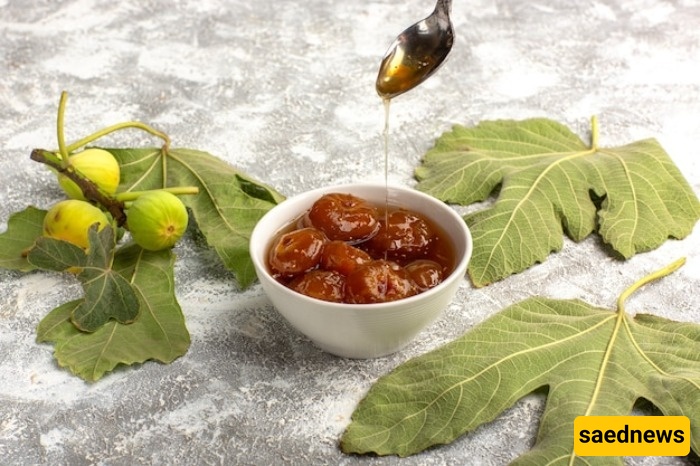
Fig jam may remain thin because the syrup has not reached the proper consistency, excess water has not evaporated, the figs contain a lot of moisture, or too much water was added.
Before continuing to cook the jam, allow it to cool slightly because syrup naturally thickens as it cools.
If the jam is still too thin after cooling, return it to low heat. If the figs are already fully cooked, remove them first, thicken the syrup separately, and then return the figs to the pot to prevent them from becoming mushy.
Avoid boiling the jam excessively, as this can eventually make it too thick or cause sugar crystallization.
One of the main causes of wrinkled figs is syrup that is too concentrated, particularly at the beginning of cooking. When figs are placed directly into very thick syrup, water is drawn out of the fruit more rapidly, causing the figs to shrink and wrinkle.
To prevent this, maintain the correct sugar-to-water ratio and allow the syrup to gradually thicken together with the figs. Use healthy, relatively firm figs and avoid overcooking the jam.
If the jam tastes sour from the beginning of cooking, the figs may not have been fully ripe and sweet, or the amount of sugar may have been insufficient. In this situation, adding an appropriate amount of sugar and continuing the cooking process can help balance the flavor.
However, if the jam becomes sour after several days or after a period of storage, fermentation or spoilage may have started. Insufficiently thickened syrup, excess moisture, a wet or contaminated container, and improper storage are common causes.
If the sour taste is accompanied by an unusual smell, gas formation, foaming, or other signs of spoilage, do not consume the jam.