SAEDNEWS: This article takes a closer look at the calories, nutritional value, potential health benefits, and possible drawbacks of barberry lavashak, helping you understand whether this traditional Persian snack can be a suitable choice for your diet.
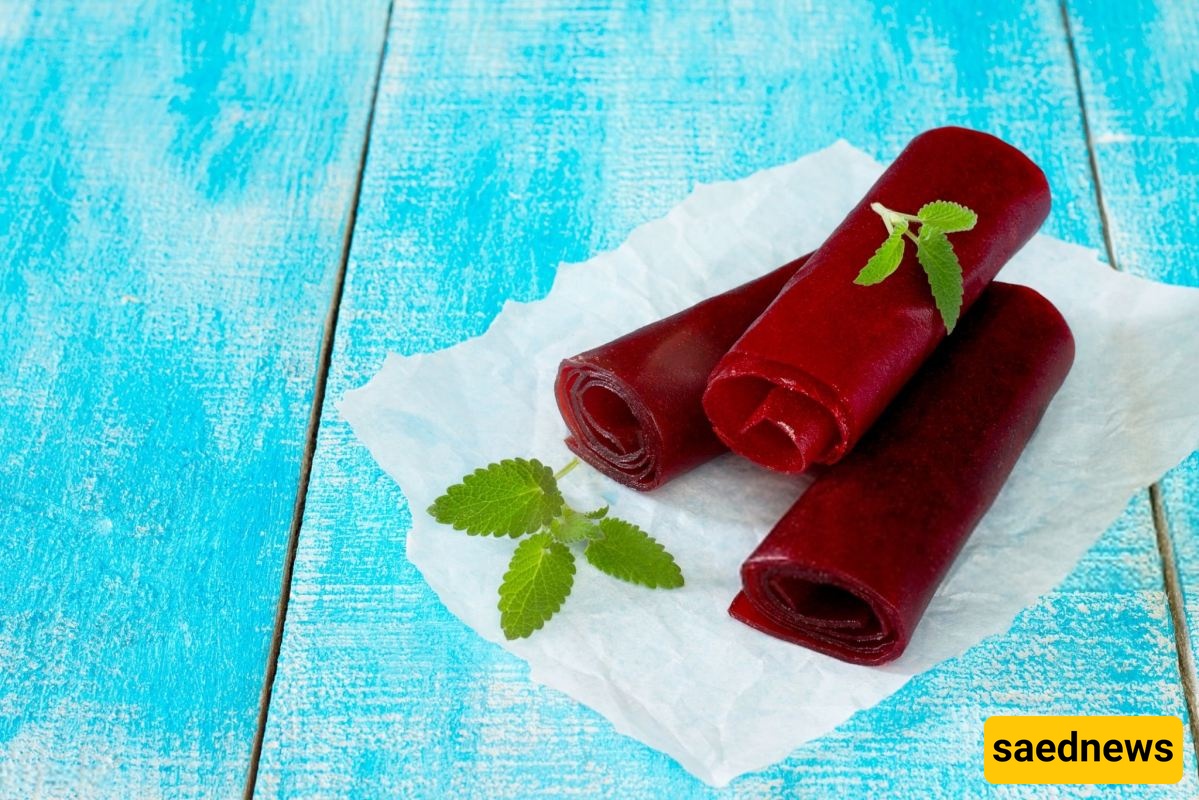
According to Saednews, Barberry lavashak is a deliciously sour Iranian fruit snack that brings back childhood memories and the authentic flavors of Persian cuisine. Many people consider lavashak a healthy snack, but is that really the case? One of the main questions for people interested in fitness and healthy eating is how many calories barberry lavashak contains and what its actual nutritional value is.
In this article, we take a closer look at its ingredients, calorie content, vitamins, minerals, health benefits, and potential drawbacks. We will also examine whether barberry lavashak can genuinely be considered a diet-friendly snack.
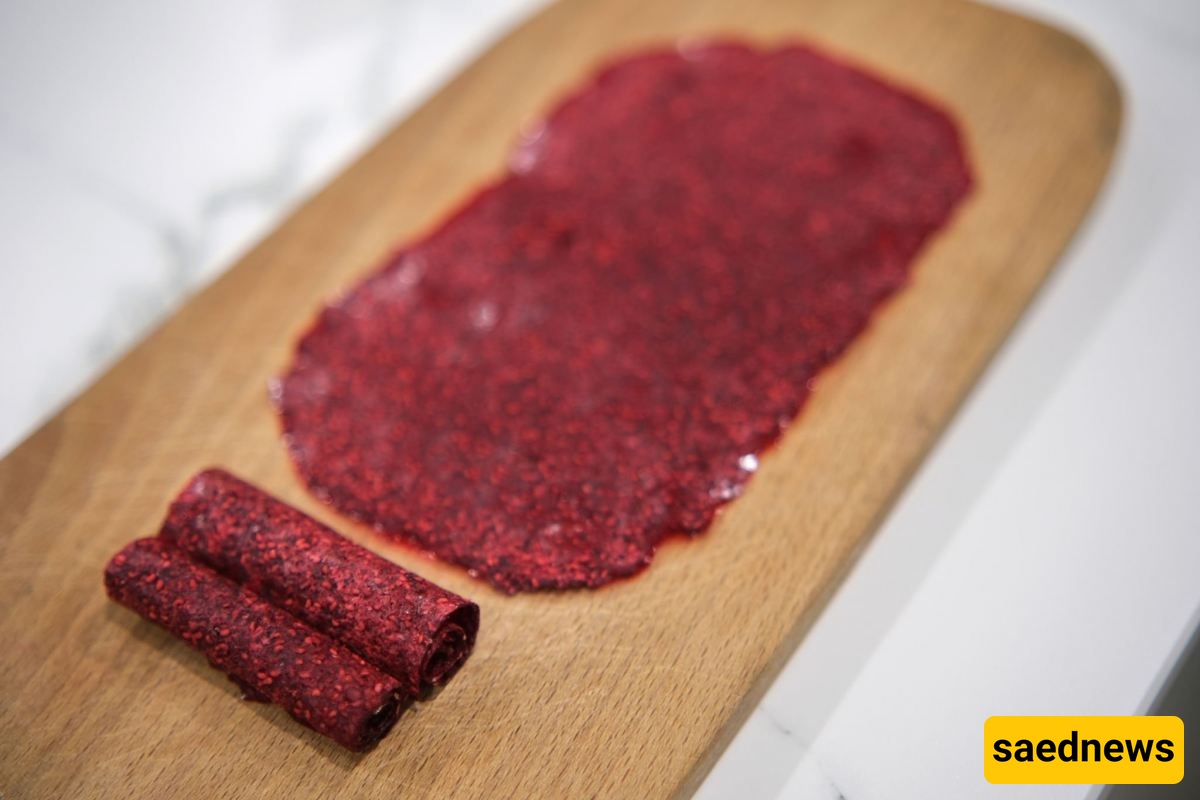
Barberry lavashak is a traditional fruit leather made by cooking and concentrating fresh barberry juice or pulp, usually with sugar or natural sweeteners. In simple terms, it is a concentrated and dried form of barberry. Because most of its water is removed during preparation, it has a much longer shelf life than fresh fruit.
However, this process can significantly change its nutritional profile. Fresh barberries are relatively low in calories, while lavashak may contain considerably more calories because of added sweeteners and the removal of water. Therefore, when evaluating the calorie content of barberry lavashak, it is important to distinguish between homemade and commercially produced varieties.
The exact calorie content depends largely on the amount of sugar and other ingredients used.
Fresh barberries contain approximately 30–40 calories per 100 grams. Lavashak, however, is much more concentrated because much of the fruit's water is removed.
If lavashak is prepared at home using fresh barberries and a small amount of sugar, it may contain approximately 200–250 calories per 100 grams. The exact amount depends on how thoroughly the fruit is dried and how concentrated the final product becomes.
Commercial products often contain significantly more added sugar to improve flavor and shelf life. Some varieties may contain approximately 300–380 calories per 100 grams.
Because lavashak is sticky, flavorful, and easy to eat in larger amounts than intended, portion control can be difficult. For example, a 30-gram serving of homemade lavashak may provide around 75 calories, while the same amount of a commercial variety can contain more than 100 calories.
This considerable difference means that sugary commercial lavashak can become an easily overlooked source of extra calories.
The following table provides approximate nutritional values for 100 grams of homemade barberry lavashak:
Nutrient | Approximate amount per 100 g |
|---|---|
Energy | About 220 kcal |
Carbohydrates | 55–60 g |
Sugar | 40–50 g |
Protein | 1–2 g |
Fat | Less than 0.5 g |
Dietary fiber | 3–5 g |
Vitamin C | About 3–5 mg |
Potassium | 200–300 mg |
Iron | 1–2 mg |
These figures are only estimates and can vary considerably depending on the recipe and preparation method.
The most notable feature of the nutritional profile is the relatively high amount of carbohydrates and sugar compared with protein, fat, and other nutrients. Consequently, a substantial portion of the calories in sweetened lavashak comes from carbohydrates.
Barberries are known for containing antioxidant compounds, so barberry lavashak can retain some of these beneficial components. However, cooking and drying can reduce heat-sensitive nutrients, particularly vitamin C.
Antioxidants: Barberries contain compounds such as anthocyanins, which contribute to their red-purple color and have antioxidant properties. Some of these compounds can remain in lavashak.
Potassium: Barberry lavashak provides potassium, a mineral involved in muscle function and blood-pressure regulation.
Iron: Barberries contain some non-heme iron. Although plant-based iron is less readily absorbed than heme iron, consuming iron-containing foods alongside vitamin C sources can support iron absorption.
Dietary fiber: Lavashak contains some fiber, although the amount depends on how it is prepared.
Despite its sugar content, moderate consumption may provide some nutritional benefits.
The sour flavor of barberry lavashak can stimulate saliva production and may increase appetite. Some people also find sour foods enjoyable before or alongside meals.
Barberries contain anthocyanins and other antioxidant compounds. These substances help protect cells from oxidative stress and may contribute to overall cardiovascular health as part of a balanced diet.
Although cooking and drying reduce certain nutrients, barberry lavashak can still provide small amounts of vitamin C, potassium, iron, and other plant compounds.
The biggest nutritional difference between fresh barberries and barberry lavashak is the concentration of sugar and calories.
Sweetened lavashak can contain substantial amounts of sugar. Eating large quantities can contribute significantly to daily calorie and carbohydrate intake. People managing blood-glucose levels should pay particular attention to portion size and the product's added-sugar content.
The combination of sugar and the natural acidity of barberries can be unfavorable for dental health. Frequent consumption may increase the risk of enamel erosion and tooth decay, particularly when oral hygiene is inadequate.
The acidity of lavashak may aggravate symptoms in people who are sensitive to acidic foods, including those who experience heartburn or acid reflux.
Some commercial lavashak products may contain preservatives, artificial colors, flavorings, or other additives. Checking the ingredient list can help you choose products with simpler formulations.
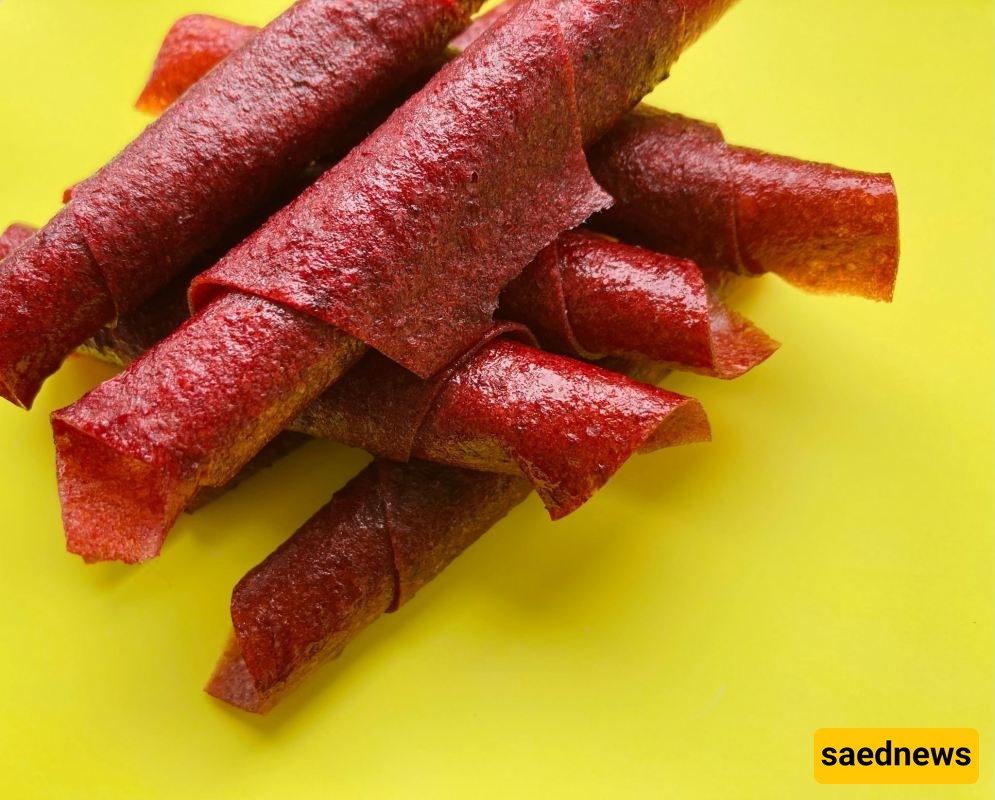
Not necessarily.
Fresh barberries are relatively low in calories and contain beneficial plant compounds. Turning them into lavashak, however, removes much of their water and may involve adding substantial amounts of sugar. As a result, lavashak can be considerably more calorie-dense and higher in sugar than the original fruit.
That does not mean you have to completely avoid it. A homemade version made with little or no added sugar, eaten in a modest portion of around 20–30 grams, can fit into a balanced diet as an occasional snack.
For people who need to closely manage their sugar or calorie intake, fresh or unsweetened dried barberries may be a more suitable choice.
Barberry lavashak can be a flavorful traditional snack, but “natural” does not automatically mean “low-calorie” or “unlimited.” Its nutritional value depends heavily on how it is prepared, particularly the amount of added sugar and the degree of dehydration.
The key is moderation: enjoy lavashak in reasonable portions, check the ingredient list when buying commercial products, and consider lower-sugar alternatives when appropriate.