SAEDNEWS: Peanut butter is a nutritious food that people of all ages, especially children, enjoy eating. In this article, we will discuss the benefits of peanut butter for kids and explore why this nutrient-rich food can be a valuable addition to a child’s diet. Stay with us.

According to SAEDNEWS, Peanut butter is a nutritious food for children that can be served as delicious sandwiches or added to other snacks such as crackers with peanut butter. Some children may not enjoy the taste of peanut butter on its own. You can mix it with other foods to make it more appealing and enjoyable for them.
One of the best foods for helping children gain weight is peanut butter. It is a highly nutritious, tasty, and healthy food that can be used as a snack or even as a complete meal for your child.
However, consuming peanut butter comes with a major concern, which is nut allergy. Many people suffer from this type of allergy. In fact, peanut allergy is the most common food allergy among children with food sensitivities. Recent studies have shown that early exposure to peanuts may significantly reduce the risk of developing peanut allergies in children.
The timing of introducing peanut butter to a child’s diet should be determined according to a pediatrician’s advice, considering the increasing rates of food allergies and the fact that peanut allergies can be common and potentially dangerous. The American Academy of Allergy, Asthma & Immunology recommends introducing peanut butter after the child has started eating solid foods and only after confirming that they do not have allergies to other foods.
This issue may occur between six and eight months of age. Avoid giving whole peanuts or peanut pieces to children under four years old, as they can pose a choking hazard. In particular, the thin skin covering the peanut can easily stick to the throat and cause coughing or blockage of the airway.
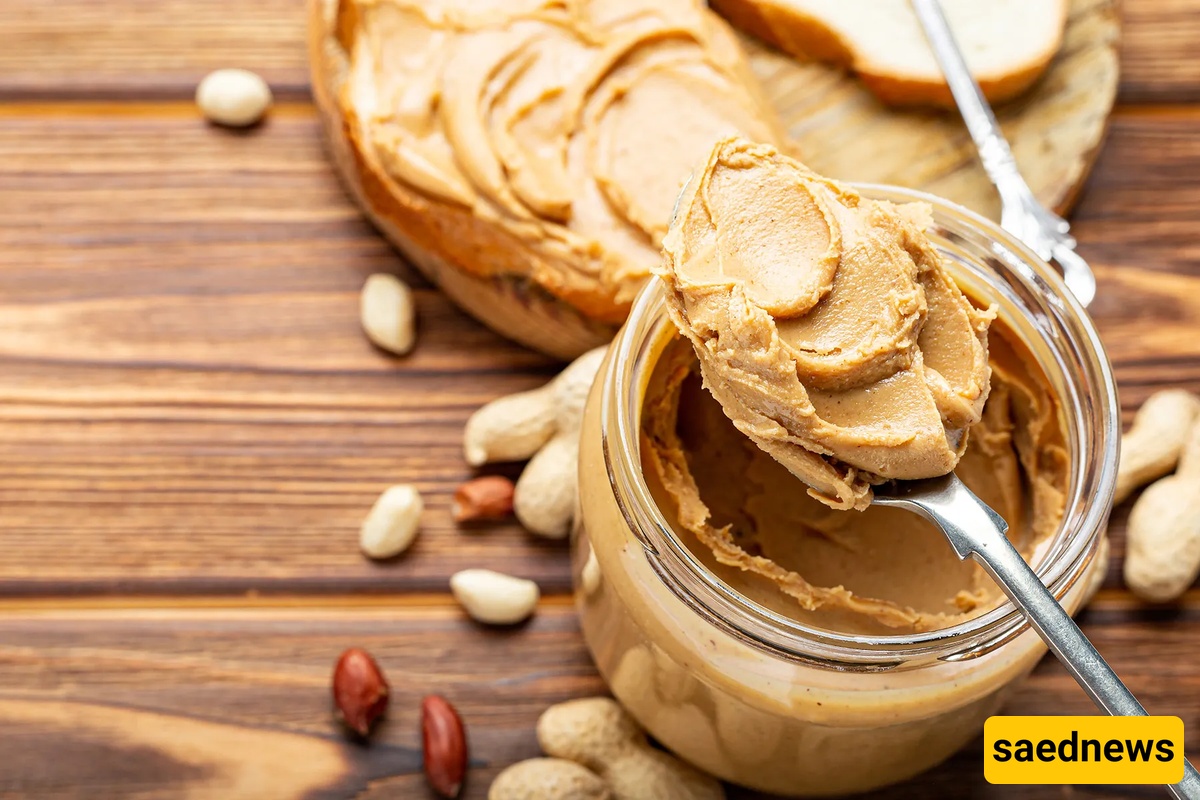
Approximately two tablespoons of peanut butter provide around 207 kilocalories of energy, 9 grams of protein, 18 grams of fat, 6 grams of carbohydrates, and 1 gram of sugar. These nutrients are especially important for children during their growth years. In fact, consuming peanut butter at breakfast or as an afternoon snack can help provide the energy children need for physical activities, sports, or better concentration while studying.
Peanut butter is also a good source of vitamins E, B3, and B6, as well as minerals such as manganese, magnesium, and copper. These vitamins and minerals help support children’s bone health, strengthen the immune system, and improve blood circulation.
Arginine is an amino acid that plays a role in children’s growth. Getting arginine from foods (rather than supplements) is associated with faster growth and may have greater benefits than simply increasing overall protein intake. Peanuts contain more arginine than almost any other food source.
Resveratrol:
An antioxidant also found in grape skins. This polyphenol may help protect against cancer and heart disease.
Niacin:
Peanuts are an excellent source of this vitamin, which helps support brain function and may slow cognitive decline.
Manganese:
Peanuts are rich in this mineral, which contributes to better bone health, helps regulate blood sugar levels, and may even reduce the risk of seizures.
p-Coumaric Acid:
This phenolic acid may help protect against anxiety, depression, and damage to the liver and kidneys.
Biotin:
Peanuts are a good source of this nutrient, which supports healthy hair, skin, and nails.
Peanut butter contains omega-3 fatty acids, the same type of healthy fats found in many fish. These omega-3 fatty acids are beneficial for children’s brain development. As your child grows, they need a regular source of these essential fatty acids. In other words, peanut butter can be as beneficial as fish when it comes to supporting your child’s brain health and cognitive development.
In addition to being rich in protein and healthy fats, peanut butter is a good source of various vitamins and minerals, including thiamine, riboflavin, niacin, vitamin B-6, folate, vitamin E, calcium, iron, magnesium, phosphorus, potassium, sodium, and zinc. Each of these nutrients plays an important role in supporting children’s physical and mental growth.
Peanut butter contains various antioxidants and vitamins. These beneficial nutrients are absorbed by different parts of a child’s body, helping strengthen the immune system and making the body more resistant to many diseases.
So far, we have discussed the benefits of peanut butter for children. However, it is important to note that peanuts and peanut butter can also be dangerous foods because they may cause allergic reactions.
Sometimes, these allergies can be very severe and lead to anaphylactic shock, which can even be life-threatening. Therefore, parents should watch for any signs of an allergic reaction, such as swollen lips, mouth irritation, skin redness, choking, nausea, difficulty breathing, and other symptoms.
It is always better to follow doctors’ recommendations before introducing peanuts or peanut butter into a child’s diet.