SAEDNEWS: Nowadays, microwaves are widely used in kitchens, so it is essential to use suitable containers in the microwave; otherwise, it may lead to health problems and illness.
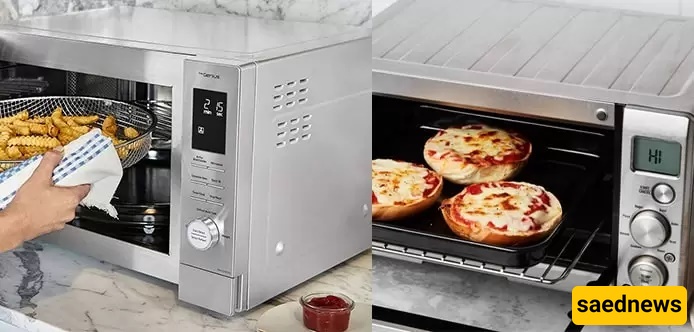
According to SAEDNEWS, Microwaves are widely used in modern kitchens; however, it is important to avoid using containers that are not suitable for microwave use, as they may pose health risks. There are several reasons why unsafe containers should not be placed in a microwave, because they can get damaged or break, or may release harmful chemicals into food. In this section from home tips and housekeeping advice, we will remind you of some guidelines so you can choose safe containers.
You can test containers by filling a cup with water and placing it on a microwave-safe plate inside the microwave. Find a glass or cup that you already know is safe for microwave use and fill it about three-quarters full with water.
It is important to use a cup that you are sure is microwave-safe; otherwise, the test may not work properly.
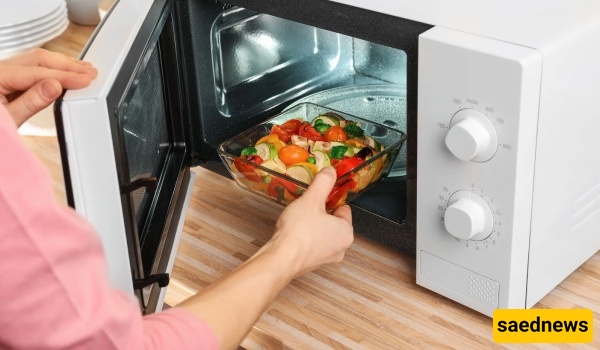
For safety, use a cup that has a microwave-safe label.
Test by hand:
After one minute, remove the cup of water and place your hand on the plate to feel its temperature. If the plate is hot while the water remains relatively cool, the container is not microwave-safe and has absorbed the heat.
Note: The center of the plate, where the cup was placed, is usually the hottest area.
Label your containers:
To be sure which containers are microwave-safe, you can record the results of your test on the bottom of each item using a marker or any symbol you prefer—for example, draw a happy face for microwave-safe items and a sad face for unsafe ones.
How to identify microwave-safe containers:
Look for microwave-safe labels:
The easiest way to know if a container is safe is to check the label on the bottom of the item.
Most ceramic, glass, and porcelain are safe:
Most ceramic, glass, and porcelain dishes can be safely used in the microwave. However, there are exceptions, such as items that are labeled unsafe by the manufacturer or those with metallic decorations like gold or silver, or lead-based glaze.
Know trusted brands:
Several manufacturers produce heat-resistant cookware that is also safe for microwave use.
Know which paper products can be used in the microwave:
Some paper products are safe to use in the microwave, including parchment paper, wax paper, plain white paper plates, napkins, and paper towels. To ensure no ink or dyes transfer into food, avoid using paper products with printed designs, logos, or writing.
Understand how to use plastic containers in the microwave:
Some plastic containers and lids are specifically designed to be microwave-safe and do not contain plasticizers that could leach into food. If you plan to use a plastic food container, make sure it is labeled as safe for microwave use. When using microwave-safe plastic covers, ensure they do not come into direct contact with the food.
Do not use metal containers in the microwave:
If you follow strict safety guidelines, metal containers are not safe for microwave use. Placing metal items in the microwave can cause sparks, fire, and improper functioning of the appliance. Be careful with:
Plates and cups with metallic paint
Cups and dishes with metallic decorations
Containers with metal coatings or metal handles
Aluminum foil
Recognize glazed containers:
Lead-glazed ceramics are still common in many countries, but they should not be used for storing or serving food, as lead can transfer into food. Lead is highly toxic and dangerous to human health. If such glazed containers are placed in the microwave, even more toxic substances may leach into the food.
Do not place containers designed for storing cold foods in the microwave:
Plastic containers that are made for storing cold foods should not be heated and are definitely not designed for microwave use. These containers are typically used for items such as:
Yogurt
Butter or margarine
Cheese products
Do not use brown paper products in the microwave:
Food safety authorities state that while white paper products are generally safe for microwave use, brown paper products should not be used in the microwave.