SAEDNEWS: Microdermabrasion is a skin-rejuvenation treatment used to cleanse and refresh the skin. It can help improve the appearance of sun damage, facial lines and wrinkles, age spots, acne scars, melasma, and other common skin concerns.
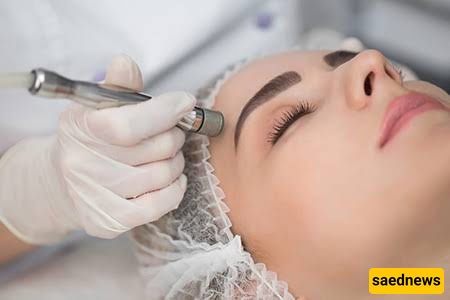
According to Saednews,, we all enjoy having healthy, smooth, and even-toned skin. However, as time passes and we age, our skin gradually loses its freshness, and spots or uneven areas may appear.
Fortunately, there are many ways to care for and improve the appearance of the skin. Microdermabrasion is one of them. You have probably heard of this treatment many times and may even have considered trying it. In any case, it is useful to understand exactly what microdermabrasion is, as well as its benefits and possible side effects.
Microdermabrasion is a non-invasive treatment that gently exfoliates the skin. After several sessions, the skin can appear smoother, brighter, and more even.
Professional microdermabrasion performed by a dermatologist is different from at-home microdermabrasion, which is carried out using a specialized home kit. Professional treatment penetrates the skin somewhat more deeply.
Microdermabrasion is generally considered suitable and safe for all skin tones.
Microdermabrasion is popular because many people want their skin to look younger without undergoing invasive procedures. It is commonly used to improve:
Dull-looking skin
Uneven skin texture or tone
Age spots
Dark marks left behind after acne heals
Melasma, including brown patches on the face
Dermatologists may also use microdermabrasion to enhance the effects of certain anti-aging and skin-brightening products. Exfoliating the outer layer of the skin can help these products penetrate more easily.
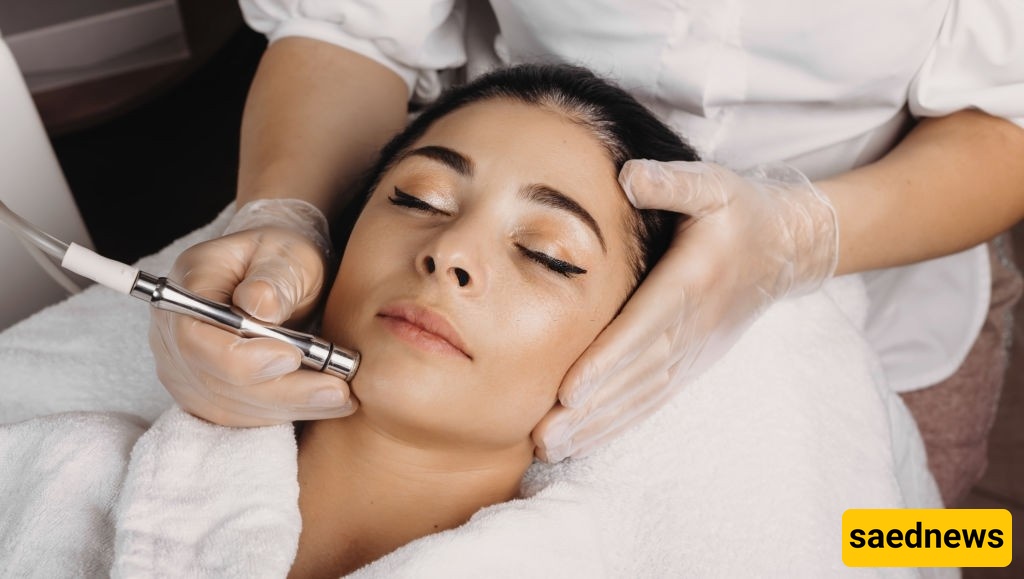
Before undergoing treatment, a dermatologist should examine your skin.
Although microdermabrasion is gentle and non-invasive, you should consult a specialist beforehand if:
You have a mole that is growing, bleeding, or changing in appearance, as these changes may indicate skin cancer.
You are currently taking isotretinoin for acne or have used it recently.
You have taken isotretinoin within the past six months. In this situation, there may be a greater risk of complications such as scarring after microdermabrasion, so it may be better to wait.
Your skin tends to develop scars that are difficult to fade.
During the procedure, the dermatologist uses a microdermabrasion device to gently remove the outermost layer of the skin.
You may feel as though your skin is being lightly sanded, but the procedure should not be painful.
A facial microdermabrasion session usually takes around 30–40 minutes, while treatment of the neck generally takes about 20 minutes. Afterward, the dermatologist applies moisturizer to the treated skin.
After treatment, it is important to keep your skin well hydrated and use gentle skincare products.
You should also avoid using medicated acne products for at least one day after treatment.
Sun protection is particularly important. Your skin may be more sensitive to sunlight for several weeks following microdermabrasion, so applying sunscreen and protecting your skin from direct sun exposure can help maintain the results and reduce the risk of side effects.
Generally, no. You can usually return to your normal daily activities immediately after treatment.
Some people may experience temporary pinkness, redness, or mild swelling. These effects can resemble a mild sunburn and usually disappear within a day or two.
During this period, some patients may feel uncomfortable going to work or appearing in public because of the temporary changes in their skin.
Some patients require several treatment sessions. Depending on the skin concern being treated, a dermatologist may recommend sessions weekly, every two weeks, or monthly.
Many patients need approximately 5–16 sessions. After several treatments, patients often report that their skin feels smoother and looks brighter and more radiant.
The results of microdermabrasion are temporary.
Using sunscreen regularly and following an appropriate skincare routine can help the effects last longer. However, the skin continues to age naturally, so maintenance treatments may be necessary to preserve a smooth and radiant appearance.
After microdermabrasion, the skin may temporarily become:
Pink or red
Slightly swollen
Sensitive to sunlight
Bruising, burning or stinging sensations, and increased sun sensitivity are also possible side effects.
These effects generally resolve on their own without treatment.
If your skin tends to develop dark marks after acne or skin injuries heal, microdermabrasion may make this pigmentation more noticeable. Having the procedure performed by a qualified dermatologist can help reduce this risk.
Microdermabrasion affects only the outermost layer of the skin, so redness and swelling typically resolve relatively quickly.
Many patients can have their next treatment after about one week. However, some people may need several weeks between sessions to allow their skin to recover completely.
When performed by a qualified dermatologist, microdermabrasion has a strong safety record.
The treatment is also offered in beauty salons, but having it performed by a dermatologist may help reduce the risk of complications and ensure that the procedure is appropriate for your skin.
Microdermabrasion and microneedling are both cosmetic procedures used to improve the appearance of the skin, but they work in very different ways. Microdermabrasion primarily exfoliates the skin's outermost layer, whereas microneedling uses tiny needles to create controlled micro-injuries in the skin.
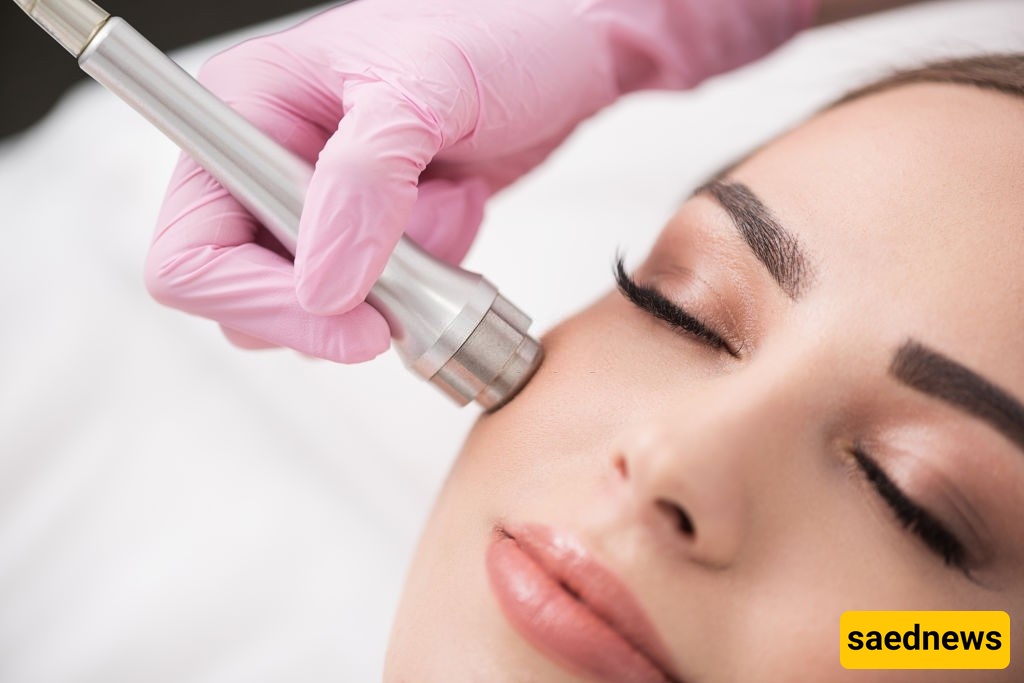
Microdermabrasion does not require surgery and is non-invasive, so preparation is generally straightforward.
Before treatment, discuss your skin concerns with your dermatologist. They can determine whether microdermabrasion is appropriate for you.
Tell your doctor about:
Cosmetic products and beauty treatments you use
Any cosmetic or plastic surgery procedures you have undergone
Allergies and medical conditions you have
Your dermatologist may also ask you to avoid the following for about a week before treatment:
Direct sun exposure
Tanning creams or products
Waxing
Your doctor may additionally recommend avoiding exfoliating creams, exfoliating masks, and certain cosmetic products for up to three days before treatment.