SAEDNEWS: Drying is one of the oldest and most effective methods for preserving the flavor, aroma, and nutritional properties of green fava beans. In this article, we will guide you step by step on how to properly dry green fava beans so you can enjoy their delightful taste for a long time.
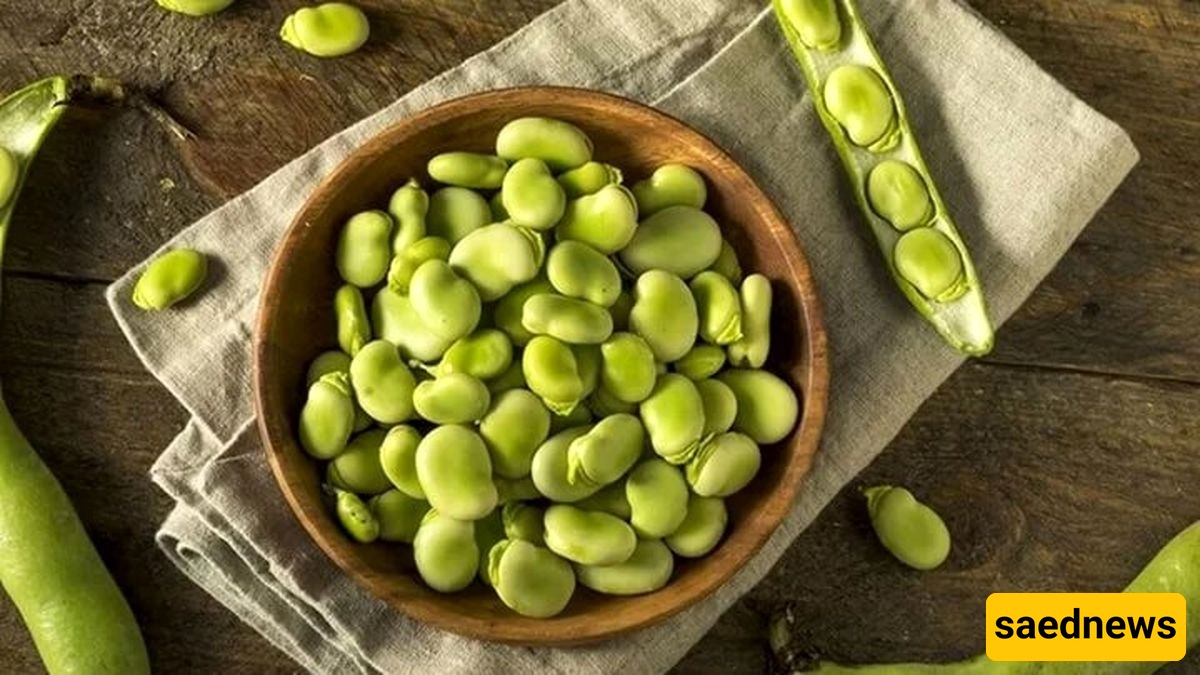
According to Saednews, Green fava beans are a spring treasure full of flavor and aroma that we wish could always be available. Unfortunately, their harvest season is short. The good news is that with a simple, traditional method, their taste can be preserved for the entire year. Drying is one of the oldest and best ways to maintain the flavor, aroma, and nutritional value of green fava beans.
To air-dry green fava beans, first separate the beans from their pods (and peel the thin skin if desired). Then spread the beans on a clean cloth and place them under gentle sunlight or in a breezy area without washing them. Turn them every two hours to ensure even drying. Once they become completely firm and dry, store them in a sealed container in a cool, dry place. Below, we also introduce two additional drying methods.
There are three main methods for drying fava beans:
Traditional air drying
Drying with pomegranate leaves
Oven drying
Each method has its own advantages and disadvantages depending on your conditions and preferences.
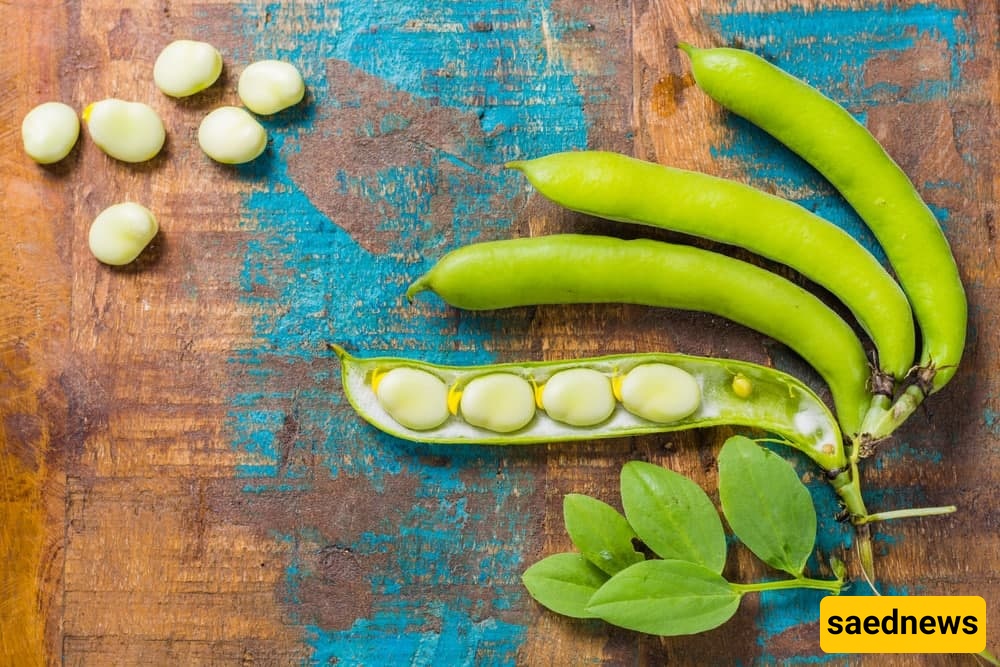
This is the easiest and most natural way to preserve fava beans.
Remove the beans carefully from their thick green pods. If you want to peel the thin outer skin as well, you can briefly blanch them in boiling water to make peeling easier. This step is optional.
Place the beans on a clean cotton cloth, tray, or flat surface. Make sure they are not piled up so air can circulate properly.
Place them in a location with mild sunlight and good airflow. If the weather is humid or you want faster drying, a small fan can help.
Every two hours, gently turn the beans to ensure even drying.
Continue until the beans become completely hard, dry, and brittle. If any remain soft, they still contain moisture and need more time.
Once fully dry, store them in airtight containers such as glass jars or zip-lock bags in a cool, dry, and dark place.
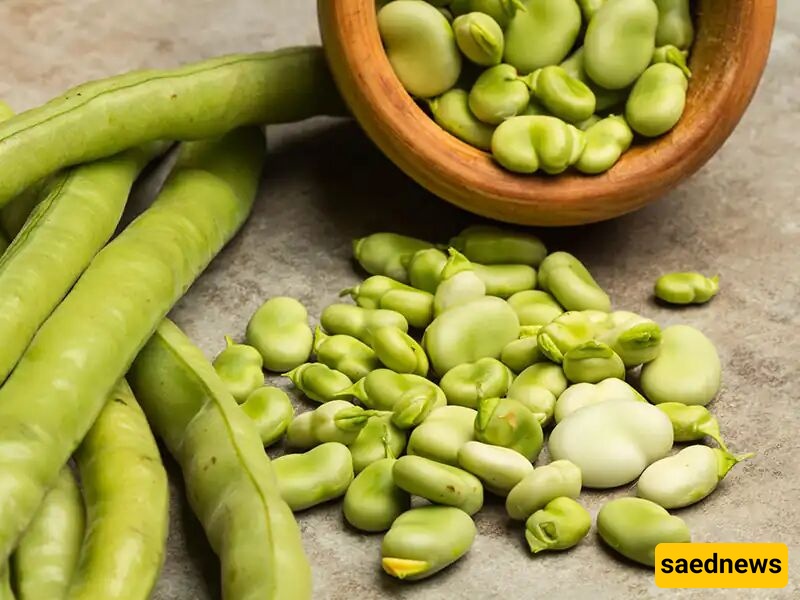
This traditional method uses the natural properties of pomegranate leaves to help preserve the beans.
Separate the beans from their pods and briefly boil them (2–3 minutes). Add a few fresh pomegranate leaves to the boiling water for their protective properties.
Drain the water and let the beans cool slightly.
Spread the beans on a clean cloth or tray under direct sunlight. Turn them several times during the day for even drying.
Once fully dry and firm, remove them from sunlight. After cooling completely, store in sealed containers in a dry, cool place.
This method is ideal when you need faster results or when weather conditions are not suitable.
Remove beans from pods and wash them thoroughly to remove impurities.
Spread the beans in a thin layer on a baking tray. Avoid stacking them.
Set the oven to the lowest temperature, usually between 50–70°C. Keep the oven door slightly open to allow moisture to escape.
Place the tray inside for 1–2 hours depending on moisture level and bean size. Rotate the tray occasionally for even drying.
Remove from the oven and spread the beans on a clean cloth. Let them dry completely at room temperature to ensure no moisture remains.
Once fully dry and crisp, store them in airtight containers in a cool, dry place.
Drying green fava beans is a careful but simple process that allows long-term preservation of this nutritious seasonal food. As shown above, there are several methods—traditional air drying, drying with pomegranate leaves, and oven drying—each suitable for different conditions. Whichever method you choose, the result is a preserved, flavorful ingredient that can enrich your meals throughout the year.