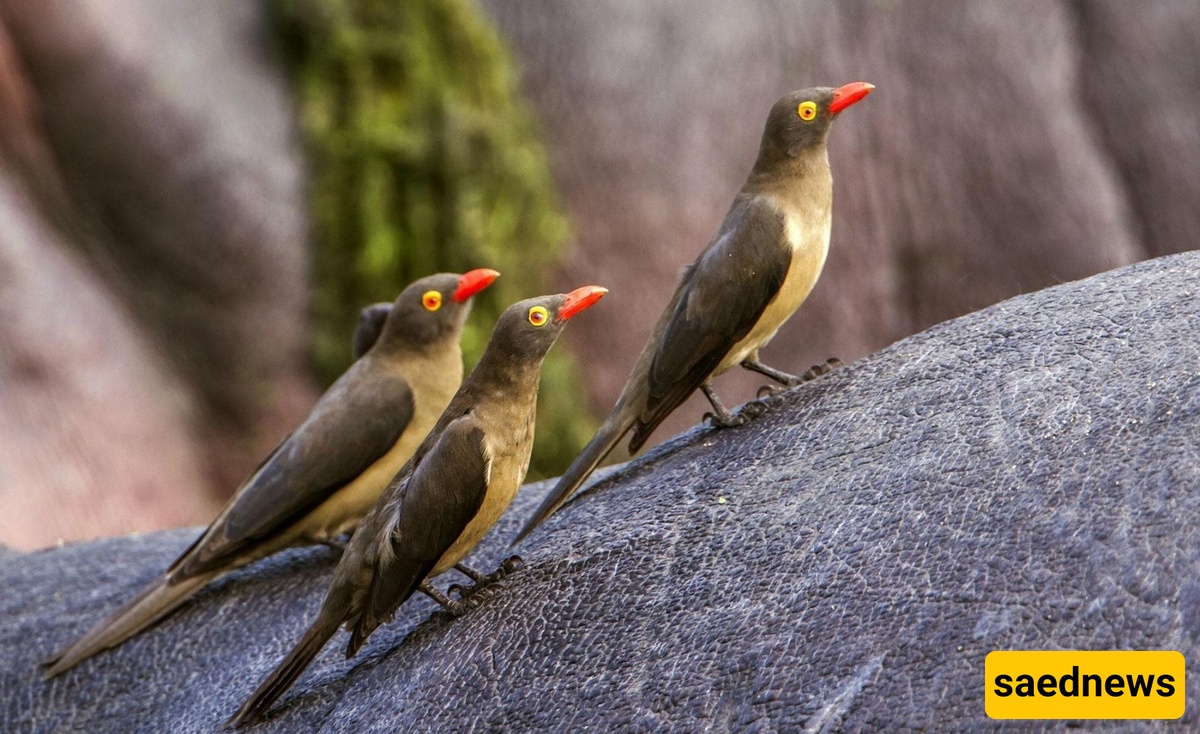
SAEDNEWS: Kruger National Park in South Africa hosts diverse wildlife. Visiting the park offers an exciting experience, where you may see leopards, elephants, lions, buffaloes, and rhinoceroses, along with some of the most unique animals in the region.
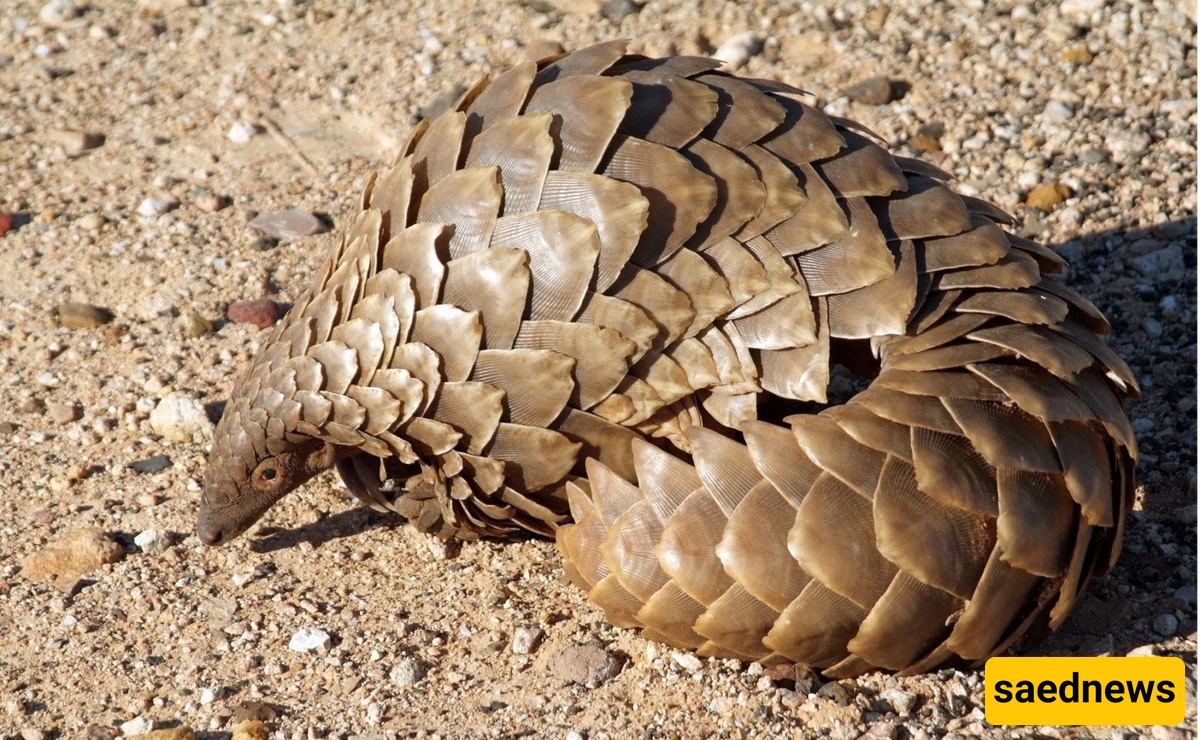
According to Saednews,
They may look beautiful, but they are dangerous. These creatures, officially known as mustelids, can attack elephants, buffalo, and even humans. Their sticky skin helps them hunt, and their attack strategy involves rushing at prey, biting into the groin area, and releasing a foul-smelling odor. One of their weaknesses is food scarcity. This is well known, so they try to imitate a hedgehog’s appearance even though they do not have quills.
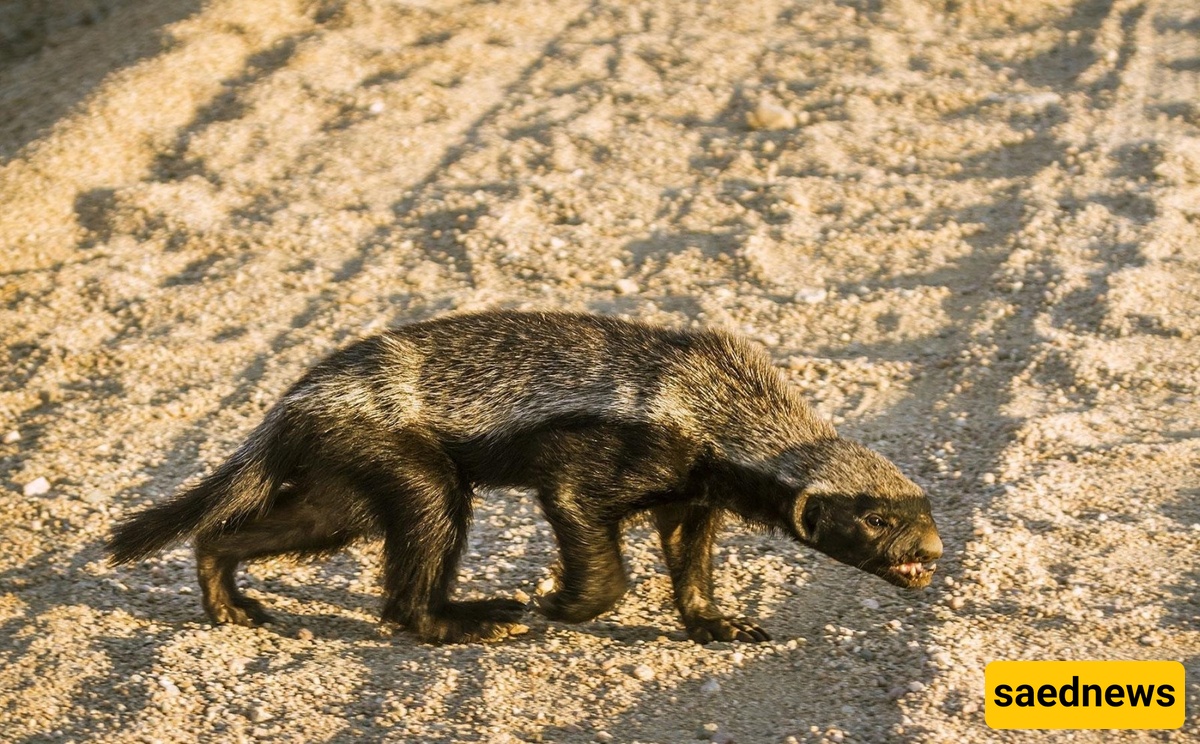
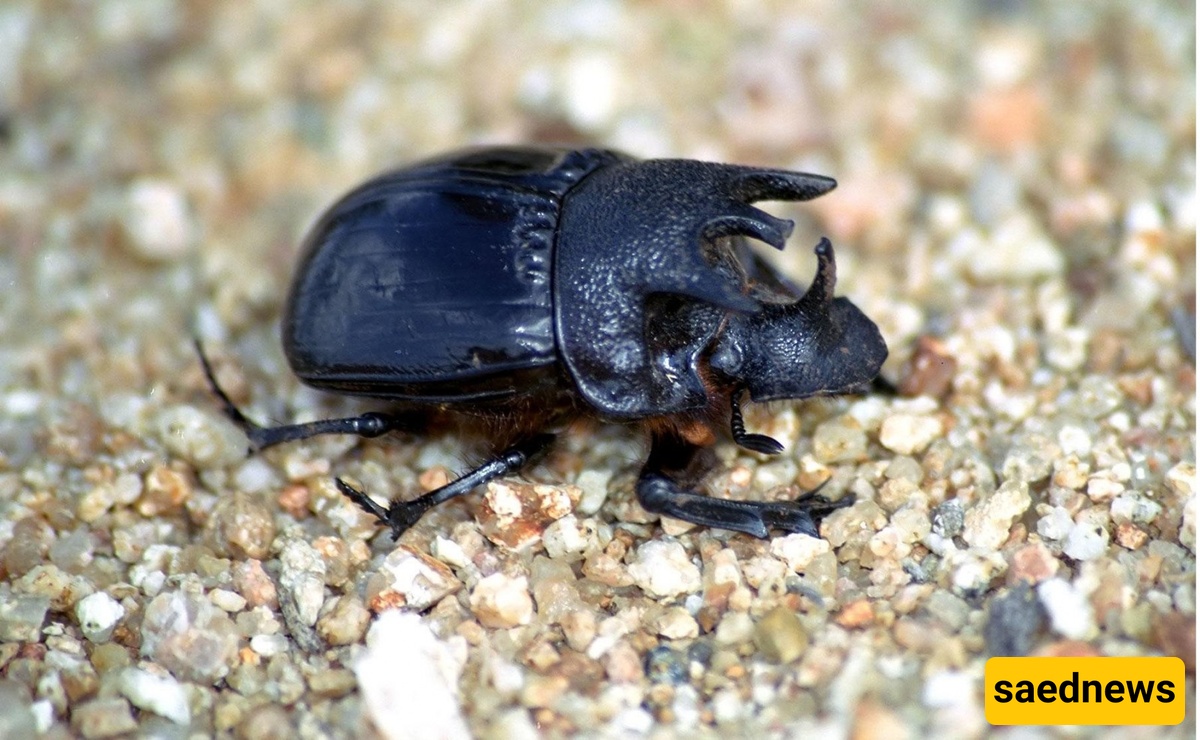
Dung beetles sometimes feed on the feces of animals such as elephants and may spend the entire day searching for food. They come in many types, ranging from 0.2 to 2 inches in size and various colors, though the most common are black. They are an essential part of ecosystems, helping clean waste and improve soil fertility. They are permanent residents of South Africa’s Kruger National Park.
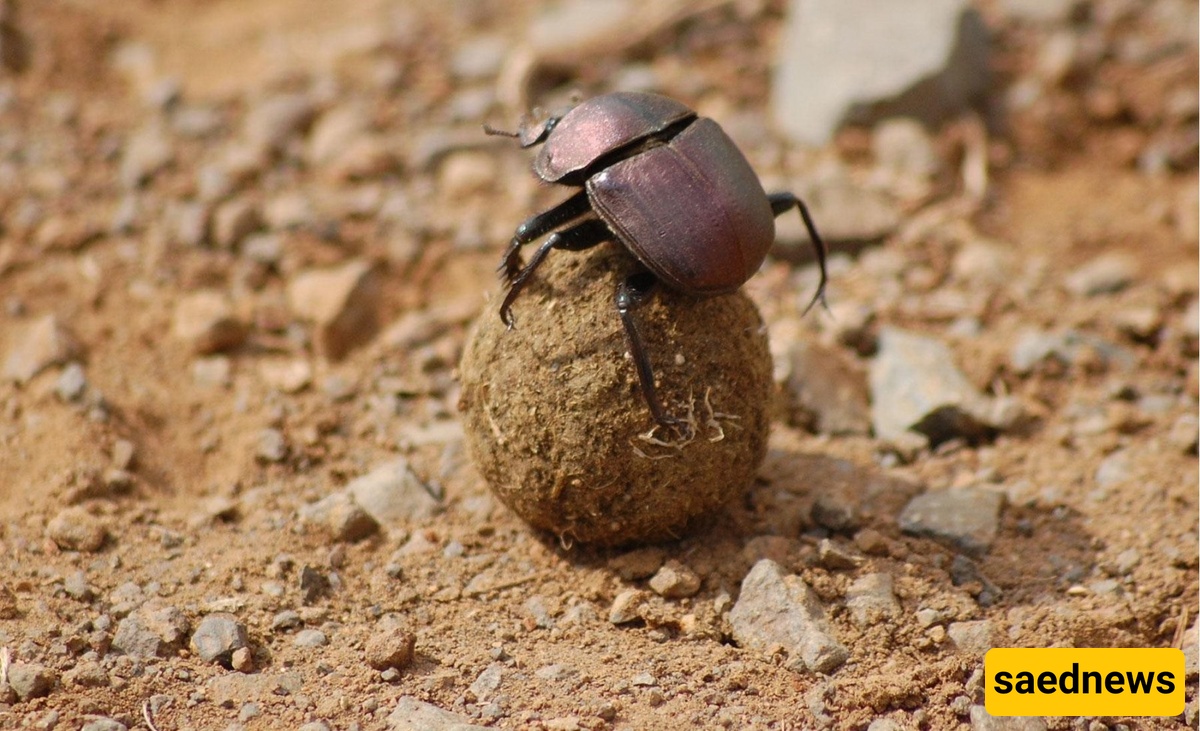
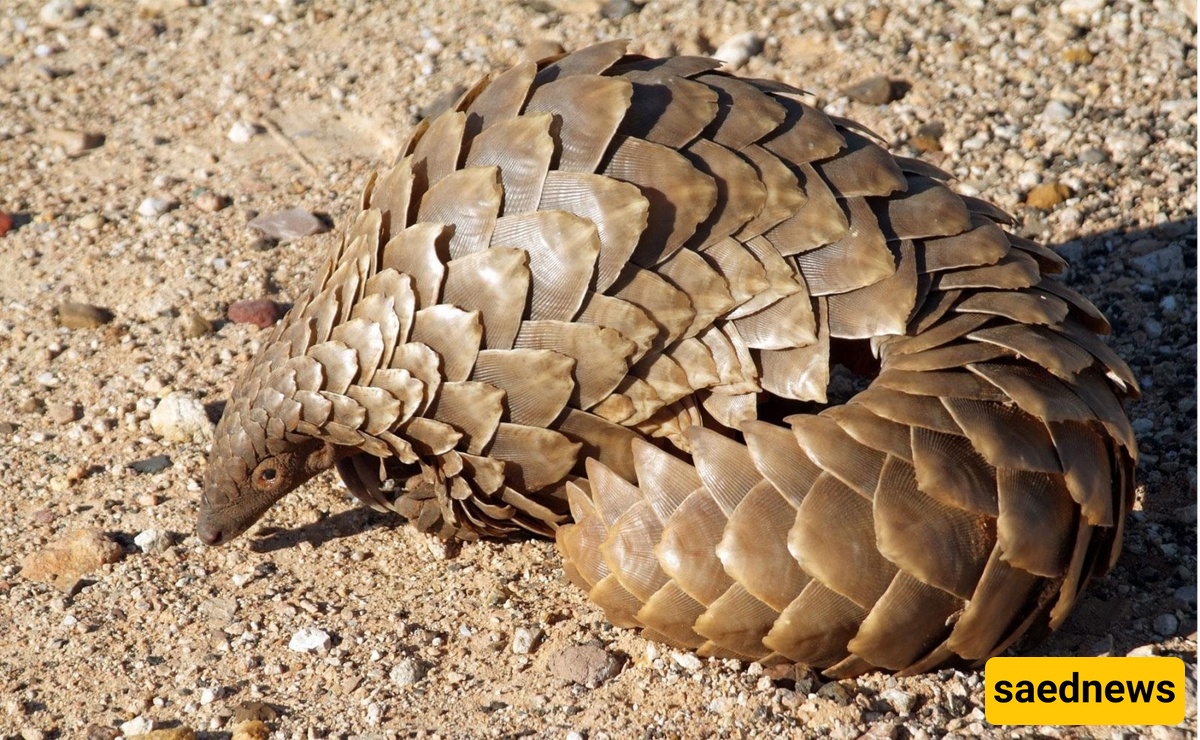
This animal walks in a posture similar to a Tyrannosaurus. It is a scaled creature, and these scales protect it from environmental threats. It has a long, sticky tongue used for eating ants and termites. When threatened, it curls up into a ball. Its skin and scales are made of keratin, a substance also used in traditional Asian medicine. It is one of the animals found in Kruger National Park.
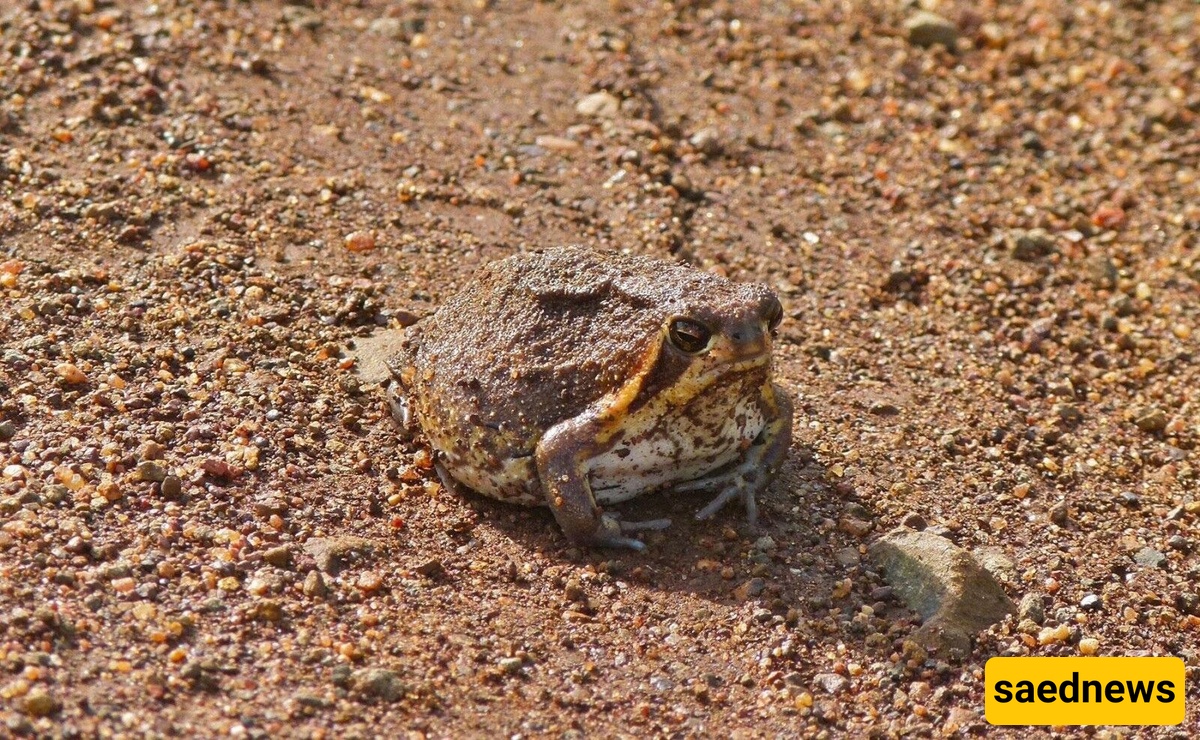
This frog is one of 14 rain frog species. It is very round with large eyes. It moves using thick, muscular legs that push it backward, giving it a waddling, duck-like motion. When threatened, it inflates itself like a balloon. Females are larger than males. For reproduction, the female secretes a sticky substance that mixes with the male’s contribution to form eggs.
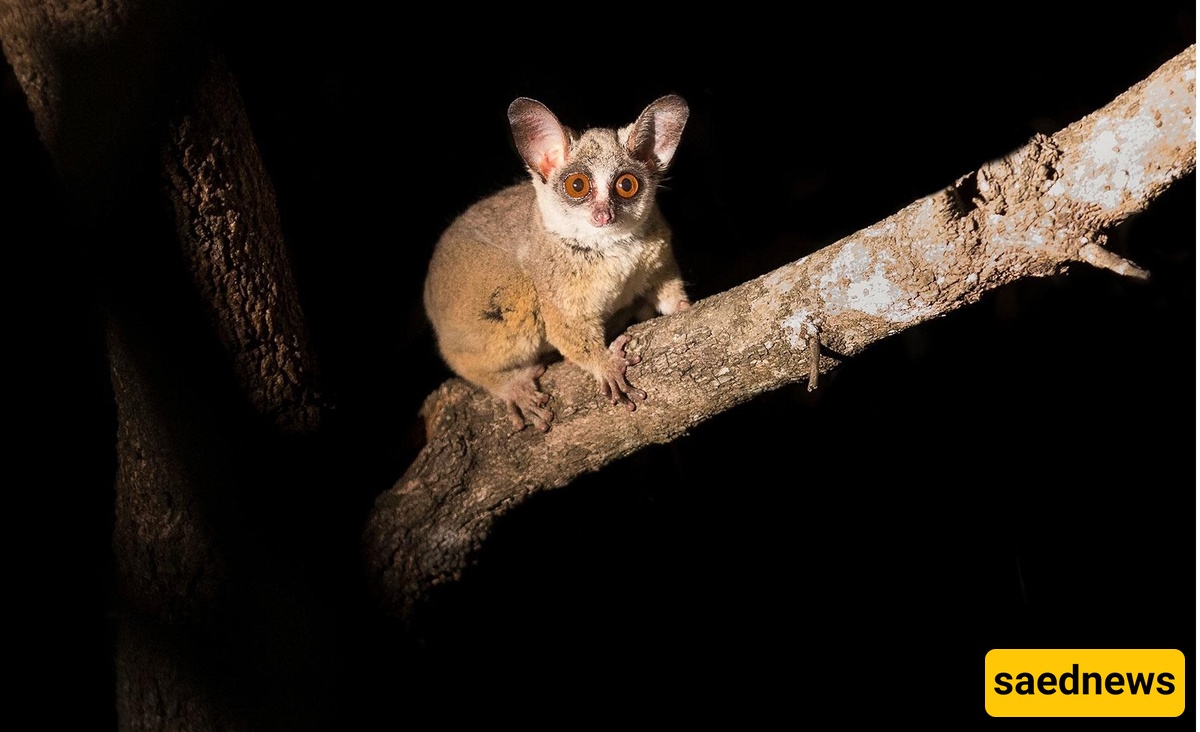
This small animal has very large eyes. It is one of the smallest mammals found in Africa and is particularly fond of trees such as acacia species. It moves quickly and uses its strong legs to cling to branches and leap into the air to catch insects like grasshoppers. It is mostly nocturnal and has a somewhat eerie appearance.
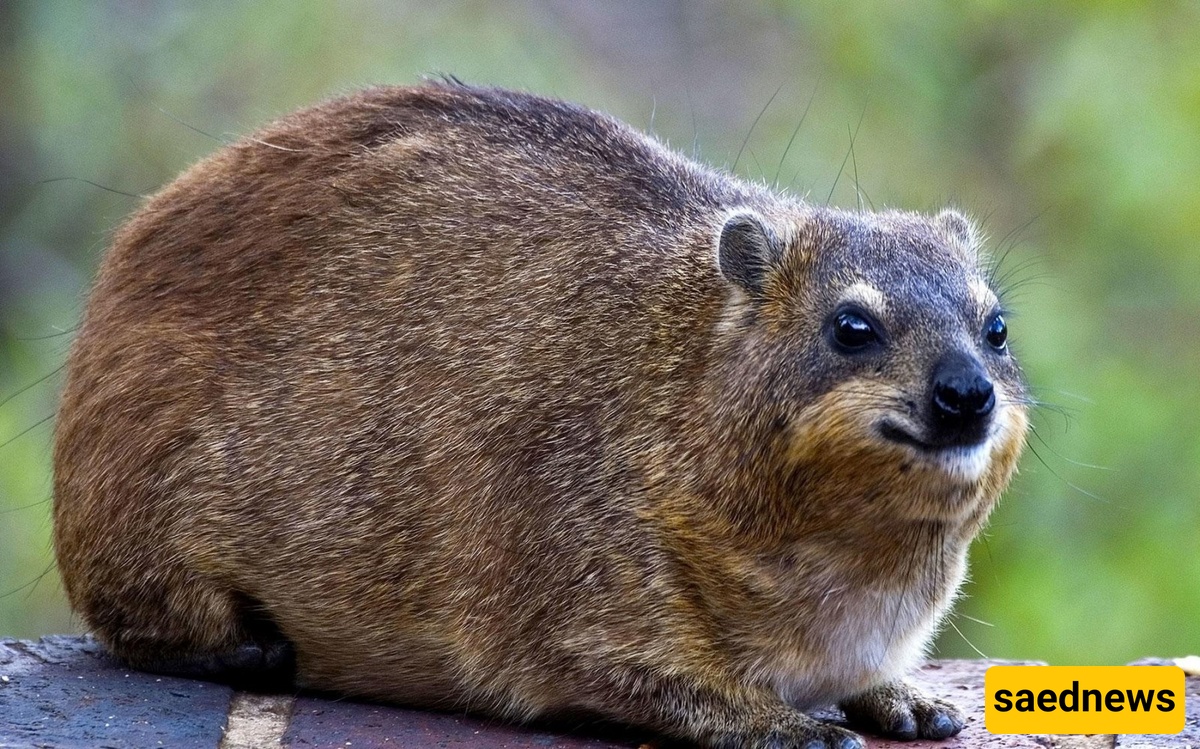
This animal may resemble a small rodent or sea creature, but it is not a rodent. It belongs to the order Hyracoidea. It has a multi-chambered stomach and, despite its size, is one of the closest living relatives of elephants. It enjoys sleeping for long periods and is commonly found in rocky habitats.
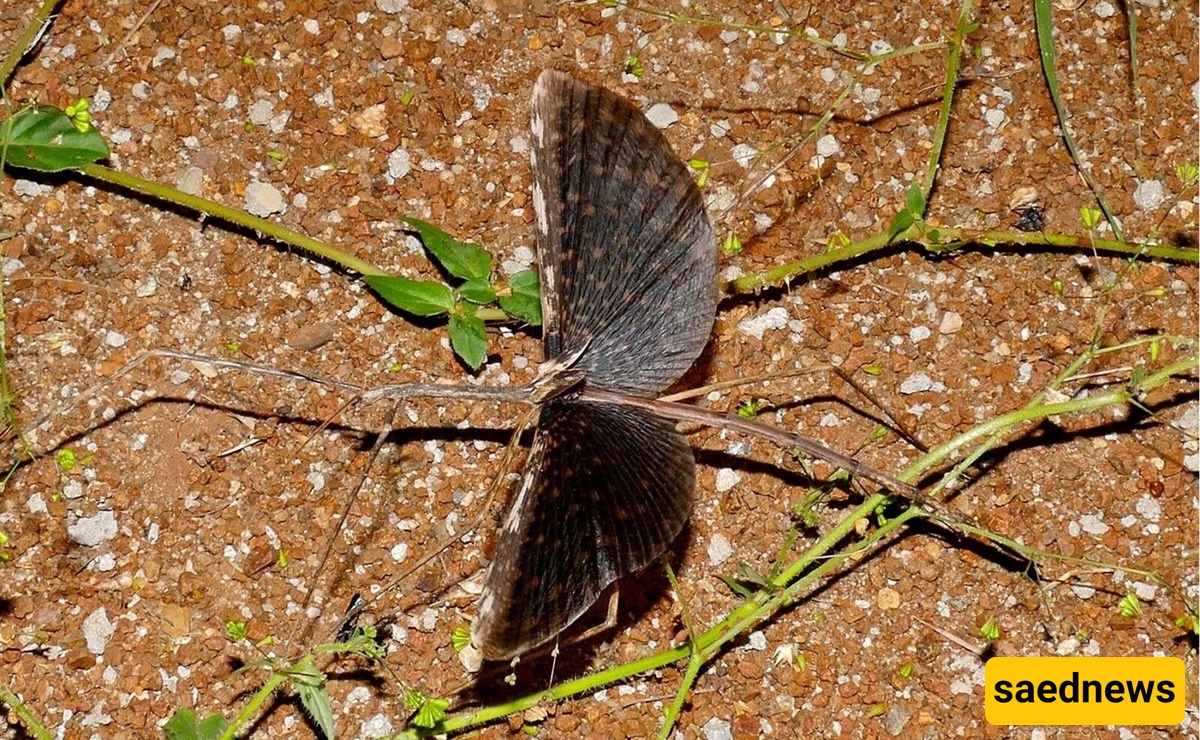
These slender insects have antennae that can grow up to half a foot or more. Their antennae resemble wood. When threatened, they can pretend to be dead for long periods. They can fly, but usually prefer staying on tree branches where they hunt. They are among the largest stick insects in South Africa and are considered one of the strangest animals in the world.
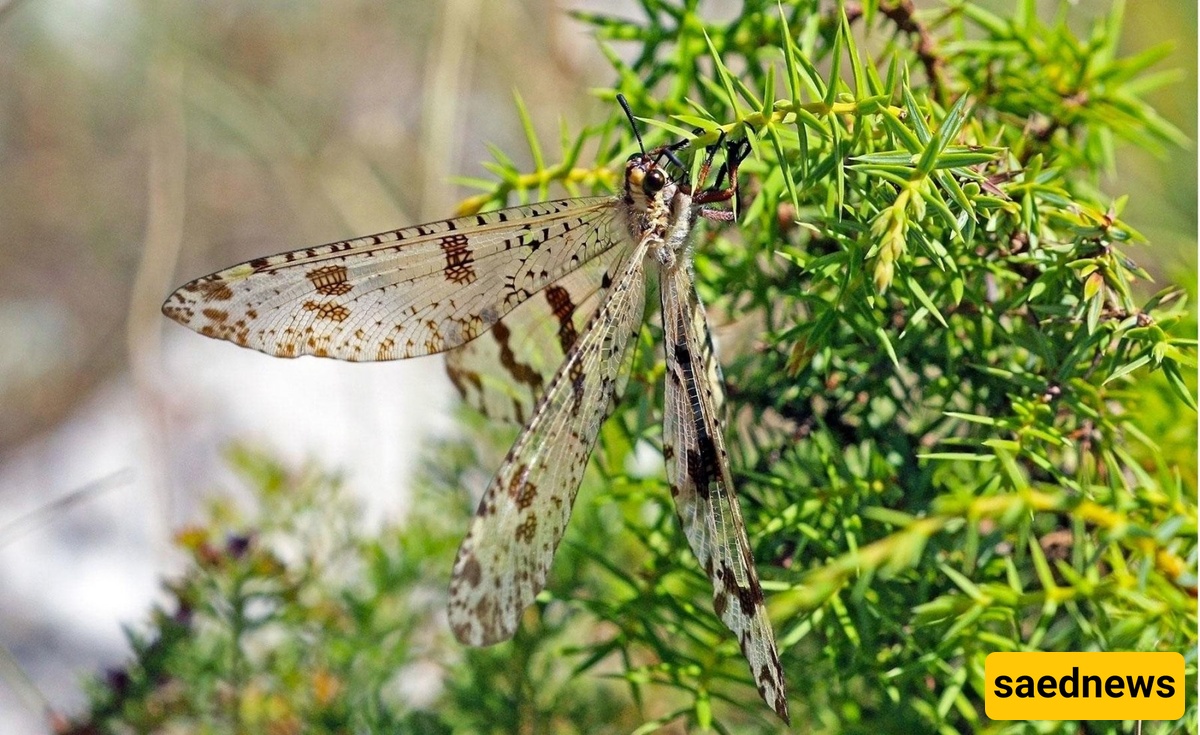
These insects are a type of ant. Their body structure allows them to become covered in soil when they burrow underground. They usually move deeper into the soil to hunt. They inject strong enzymes into their prey before consuming it. Their body design makes hunting easier and allows them to store food internally.
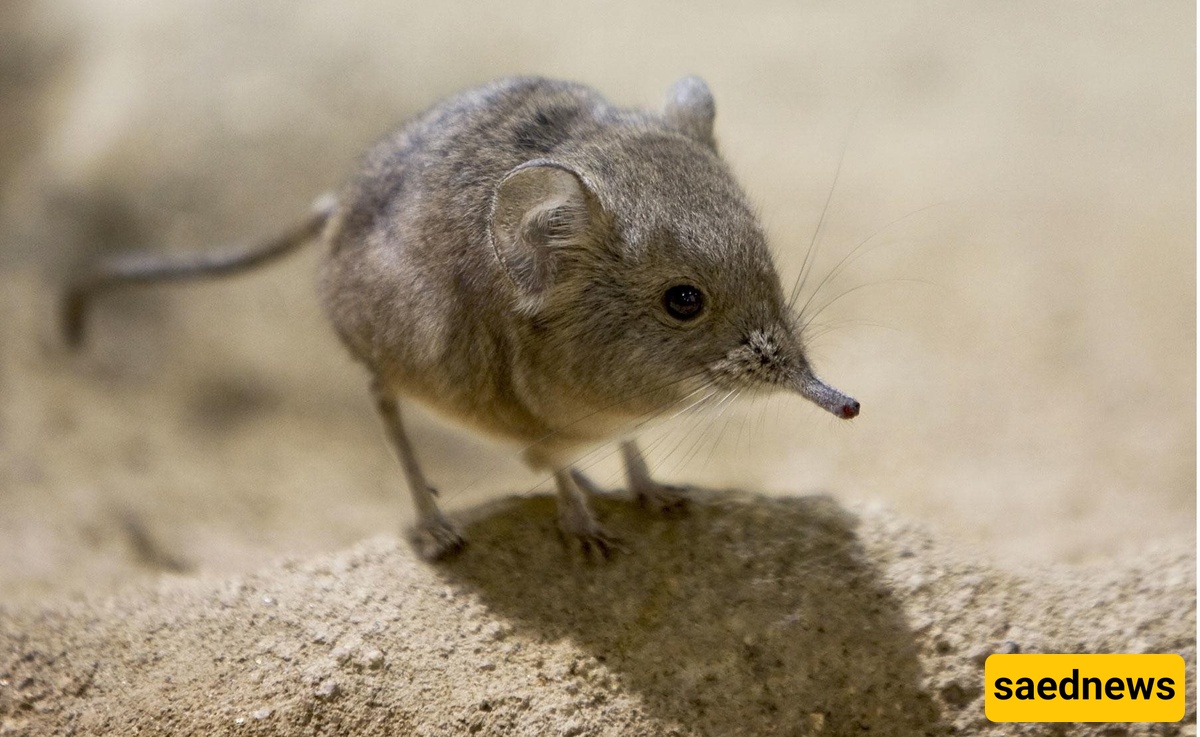
These mammals have large ears and long noses, resembling miniature elephants. They live in rocky crevices. They use their long noses to detect or catch insects. They are generally solitary. They appear cute in normal conditions but can become aggressive and territorial during defense, with males fighting males and females fighting females.
These are among the largest beetles in the world. They have large horn-like structures on their heads used for protection and for competing. They feed on dead tree trunks. Despite their intimidating appearance, they are harmless to humans. They are also known as Hercules beetles or unicorn beetles.
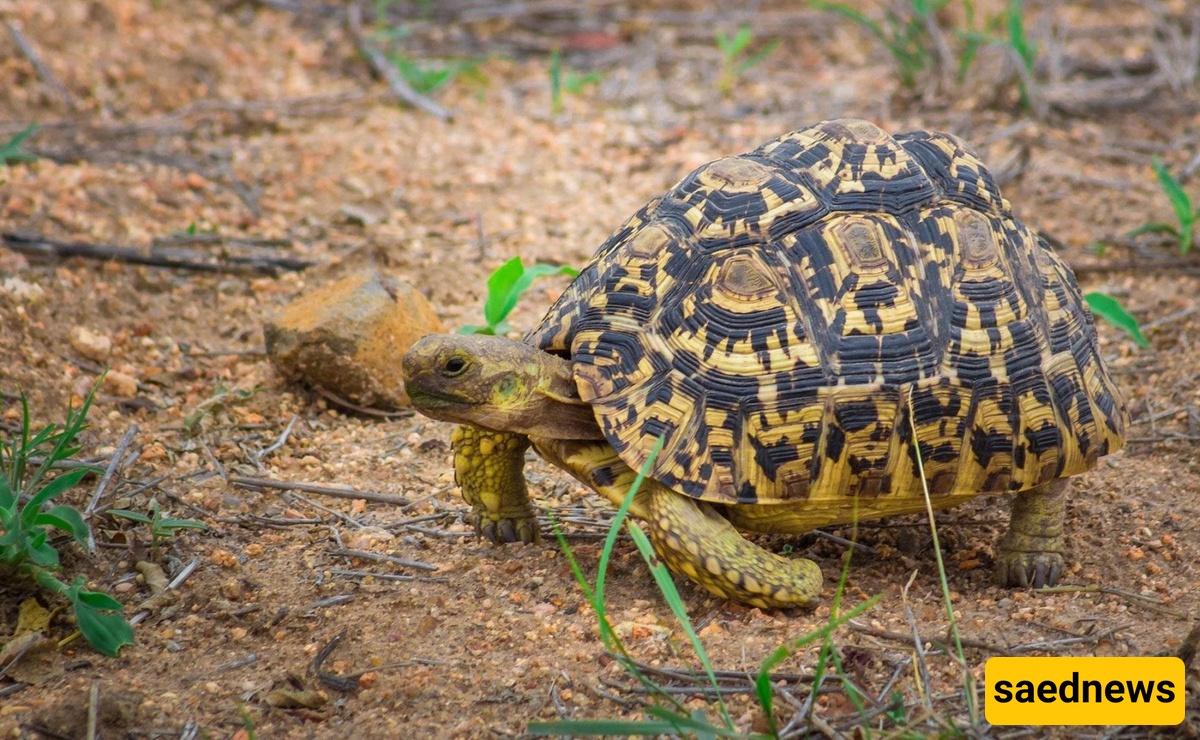
These are large tortoise species that can reach up to 18 inches in size. They are commonly found in Kruger National Park and often appear near roads. They are unique in that they can lift their heads higher than many other tortoises, which helps them in swimming. Some individuals may live up to 100 years.
This animal can grow up to 9 inches in size. It has a black-and-white body with orange-red eyes. Even if you cannot see them, you will likely hear them. They build their nests using grass and reeds.