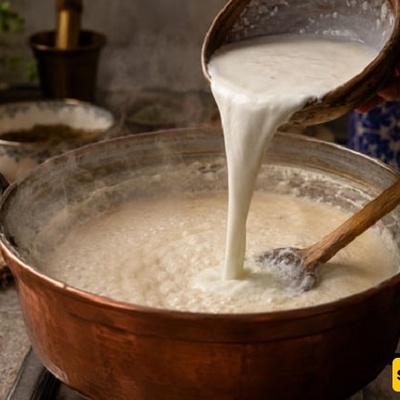
SAEDNEWS: Learn how to bake homemade bread with great aroma and taste. This guide covers essential tips for choosing flour, activating yeast, kneading, and resting the dough. Follow these simple steps to prepare soft, crispy, and delicious bread at home.

According to the Saed News cooking service report, the aroma of freshly baked bread filling the home is one of the most delightful experiences. Many people avoid this experience, assuming that making homemade bread dough is a complex and time-consuming process. However, the truth is that by following a few key and practical tips, anyone can bake high-quality, healthy, and delicious bread at home. This guide helps you confidently prepare the best bread dough and be amazed by the result.
To achieve perfect dough, you don’t need professional equipment—just attention to detail. Below are 7 key secrets for success.
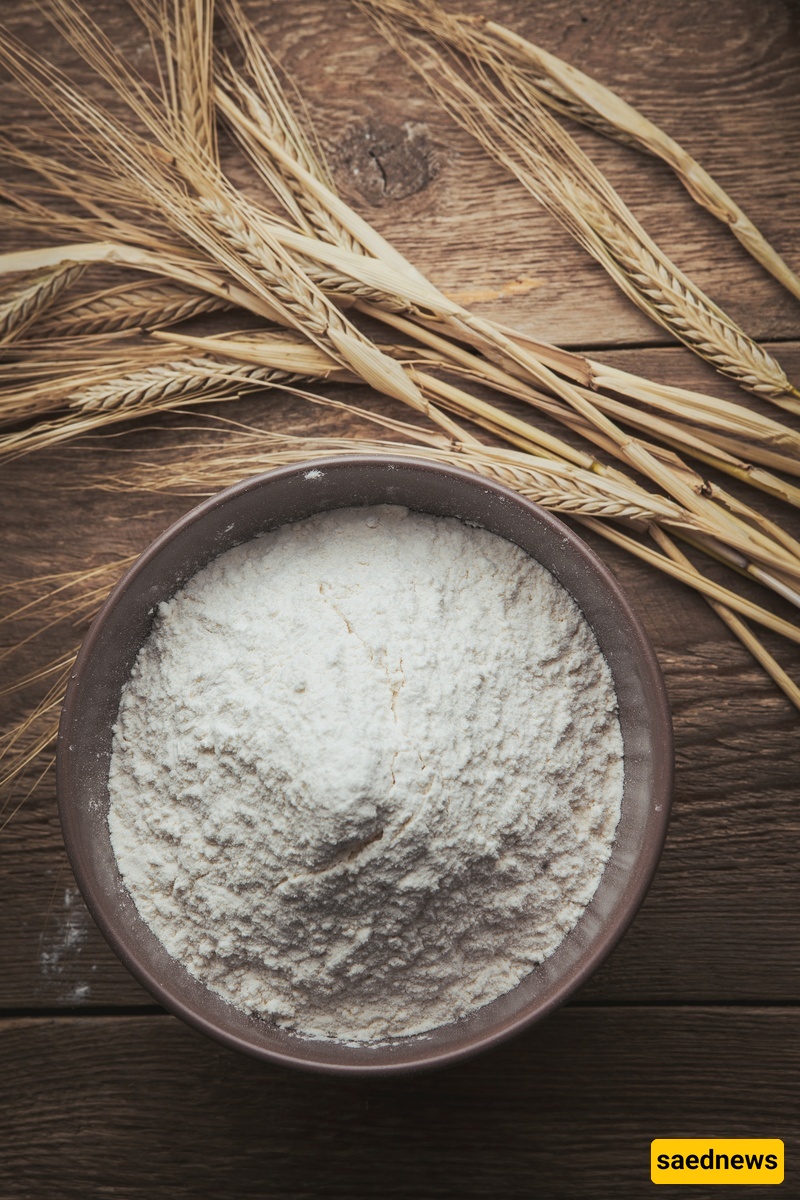
Not all flours are the same. For fluffy breads with a firm texture, look for “bread flour” or “strong flour.” These contain higher protein (gluten), which helps create a strong, elastic dough structure. If you don’t have bread flour, all-purpose flour is also a good option, though your bread may turn out slightly softer.
Yeast is a living organism, and water temperature is crucial for activating it. The water should be lukewarm—not cold and not hot. The ideal range is 40 to 46°C. If you don’t have a thermometer, dip your finger in the water; it should feel gently warm but never hot enough to burn. Hot water kills yeast, while cold water fails to activate it properly.
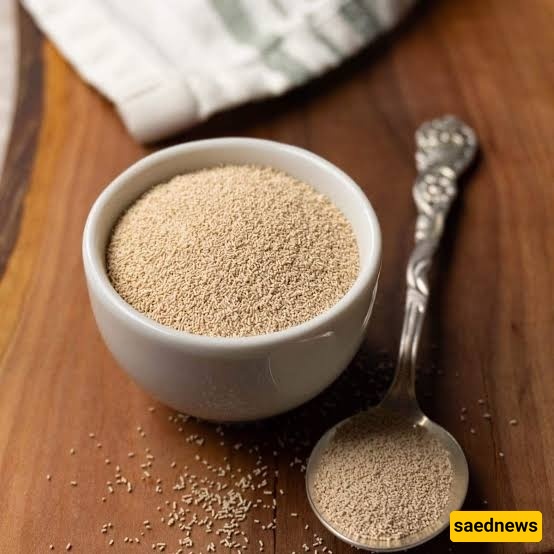
Before adding yeast to flour, make sure it is active. To test this (called “proofing”), mix yeast with lukewarm water and a small amount of sugar and wait 5–10 minutes. If it becomes foamy and bubbly, your yeast is alive and ready to use.
Salt is essential for controlling fermentation and enhancing flavor, but direct contact with yeast can slow or stop its activity. Always mix salt with flour first, then add the activated yeast mixture. This is a crucial baking tip often overlooked.
Kneading is not just about combining ingredients; it develops the gluten network, creating a soft yet strong bread texture.
Proper technique: Push the dough forward with the heel of your hand, fold it back onto itself, then rotate it 90 degrees. Repeat this process for 10–15 minutes.
Signs the dough is ready: It should be smooth, soft, slightly sticky, and elastic. When pressed, it should slowly spring back (the “windowpane test”).
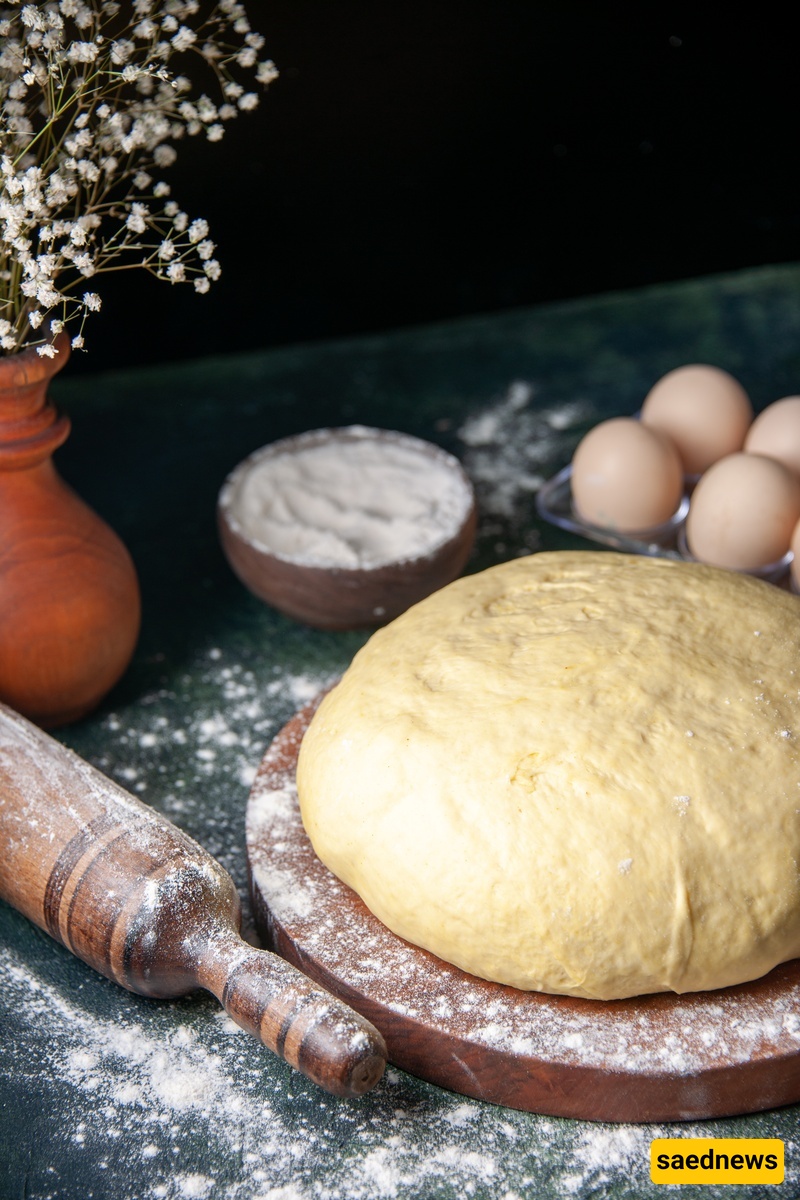
After kneading, place the dough in an oiled bowl, cover it, and leave it in a warm, draft-free place. Let it rise until it doubles in size (usually 1–2 hours). This stage greatly improves flavor and texture. To test readiness, gently press your finger into the dough—if the indentation remains, it is ready.
After the first rise, gently deflate the dough and shape it as desired (round, oval, etc.). Place it on a baking tray, cover it, and allow a second rise for 30–60 minutes. This final proof gives the bread its full volume before baking.
Making homemade bread dough is more of a rewarding skill than just a recipe. By following these golden principles—from selecting quality ingredients to understanding kneading and allowing proper resting time—you can bake bread that is superior in taste, aroma, and health compared to store-bought options. Don’t hesitate—start baking and enjoy the magic you create with your own hands.