SAEDNEWS: By studying the necessary materials for preparing various desserts, such as cream, eggs, gelatin, and more, you can confidently prepare any dessert with ease.
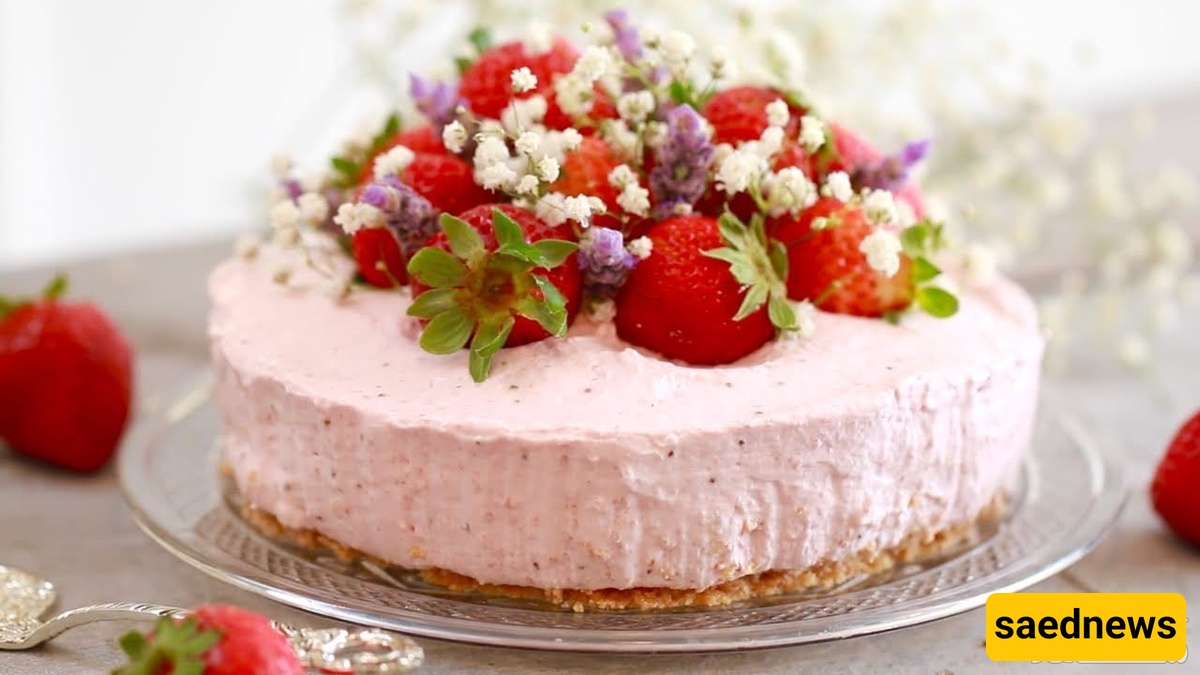
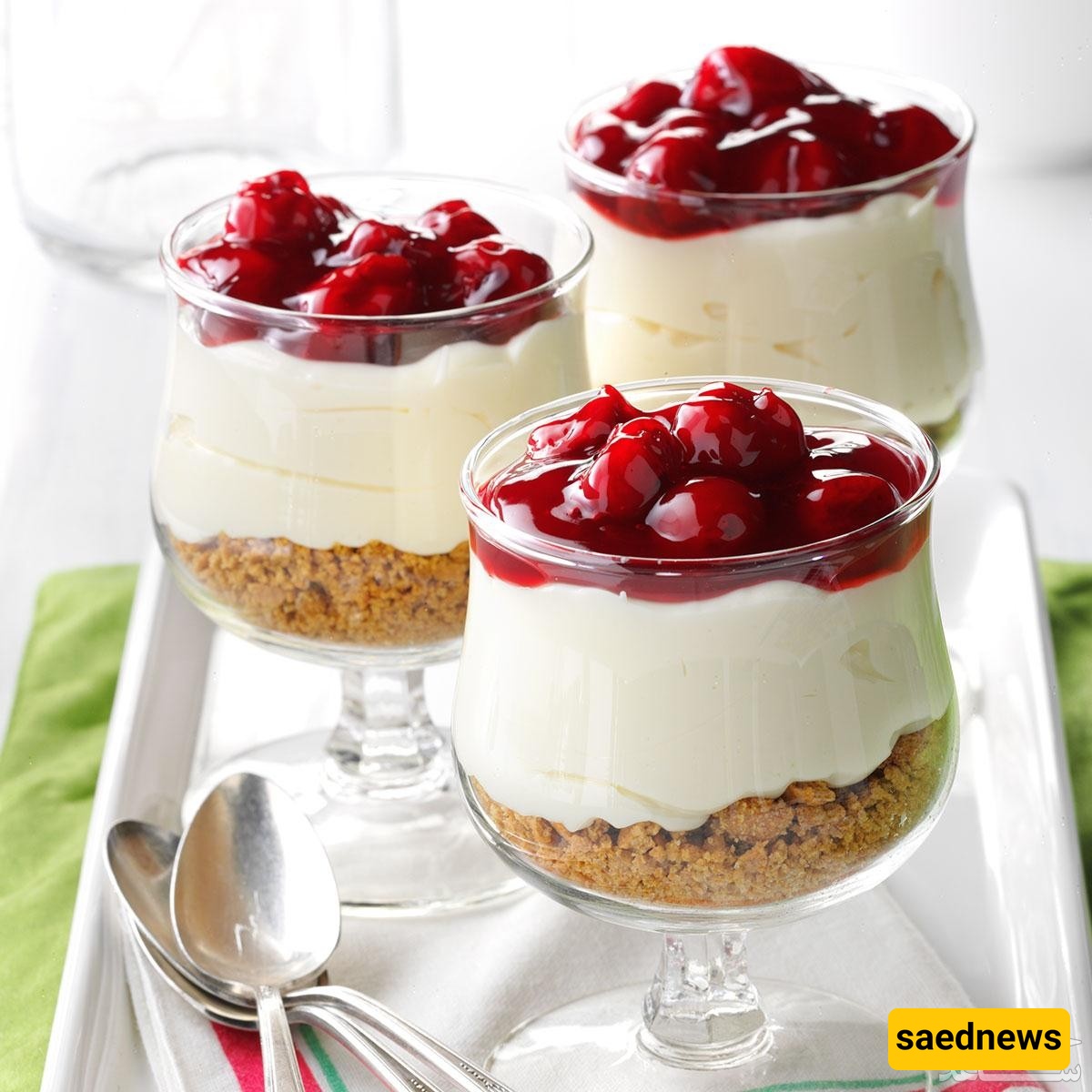
Refrigerated ingredients such as milk, eggs, and butter should be taken out of the fridge about 10–15 minutes before preparation so they reach room temperature. This helps them mix more smoothly and evenly.
When measuring butter or solid fats, press them firmly into the measuring cup to avoid air gaps. Soften slightly, cut into small pieces, and level with a knife.
Dry ingredients such as flour, powdered sugar, and starch should first be sifted, then spooned into the measuring cup and leveled off.
“Heaped” or “level” spoon/cup in recipes means adjusting the amount slightly above or below a flat, level measure.
The flour used in dessert recipes should be high-quality white wheat flour suitable for baking.
Powdered sugar refers to finely ground sugar available in standard supermarket packaging.
Eggs used in recipes are medium-sized unless otherwise specified.
Spices such as cardamom, cinnamon, and ginger can be adjusted based on personal taste.
For butter-based desserts, use mild-smelling, light-colored butter. Always taste dairy butter before use to ensure it is not sour or overly salty.
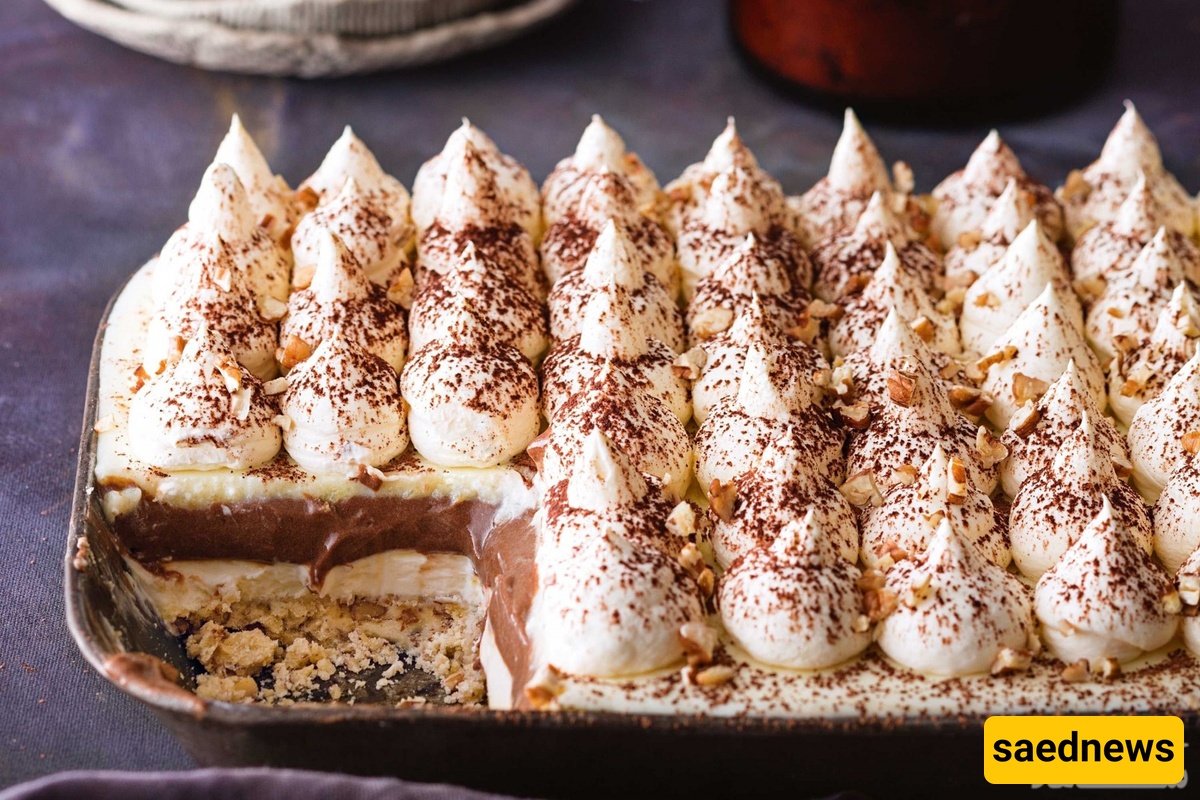
Melt chocolate using a double boiler: place a heatproof bowl over simmering water without letting the bowl touch the water.
Alternatively, microwave at 100% power in short intervals (about 20 seconds), stirring each time.
Do not add soaked gelatin or dissolved gelatin to boiling milk, as it may cause curdling.
Add gelatin after removing milk from heat and letting it stop boiling, then mix well.
Gelatin desserts can be made in plastic, glass, aluminum, or non-stick molds.
Lightly grease silicone molds; other molds can be rinsed with cold water.
Refrigerate until set. For faster setting, place in the freezer for up to 1 hour, then transfer to the fridge. Longer freezing will cause melting when serving.
To unmold, lightly wet the serving plate with cold water, loosen edges with a knife, and invert carefully.
Gelatin desserts made with sheet gelatin are usually clearer than those made with powdered gelatin.
When using powdered sugar in halva, the mixture should be warm (not hot) so sugar does not dissolve unevenly and cause dryness.
Adjust sugar quantity based on taste.
Halva made with powdered sugar has a drier, more crumbly texture compared to syrup-based halva.
If too dry, add butter; if too soft, add powdered sugar.
Always use baking-grade wheat flour.
Homemade ice cream should be stored in the freezer for up to 15 days.
Before serving, place it in the refrigerator for a few minutes to soften slightly.
Excess sugar prevents proper freezing, so measurements must be precise.
Fahrenheit | Celsius | Gas Mark | Heat Level |
|---|---|---|---|
225 | 110 | - | Cold |
250 | 120 | - | Cold |
275 | 140 | 1 | Mild |
300 | 150 | 2 | Mild |
325 | 160–170 | 3 | Fairly warm |
350 | 180 | 4 | Warm |
375 | 190 | 5 | Hot |
400 | 200 | 6 | Quite hot |
425 | 220 | 7 | Very hot |
450 | 230 | 8 | Extremely hot |
Gas ovens should be calibrated every 6 months.
Preheat oven 15 minutes before baking.
Do not open the oven door during the first two-thirds of baking time.
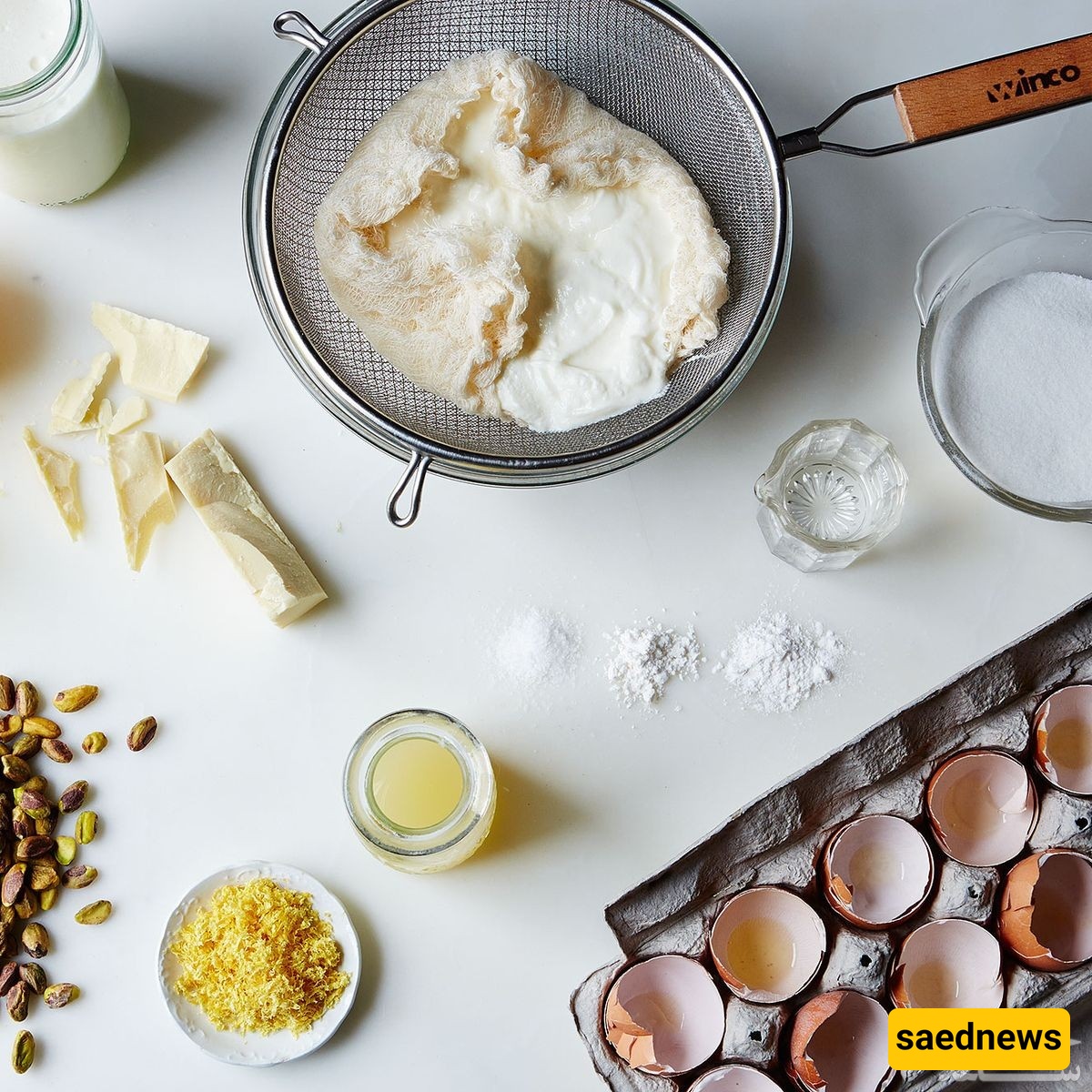
Eggs consist of approximately 58% white, 30% yolk, and 12% shell.
Fresh eggs have thick whites and firm yolks that do not spread.
Fresh eggs sink in water and appear clear when held against light.
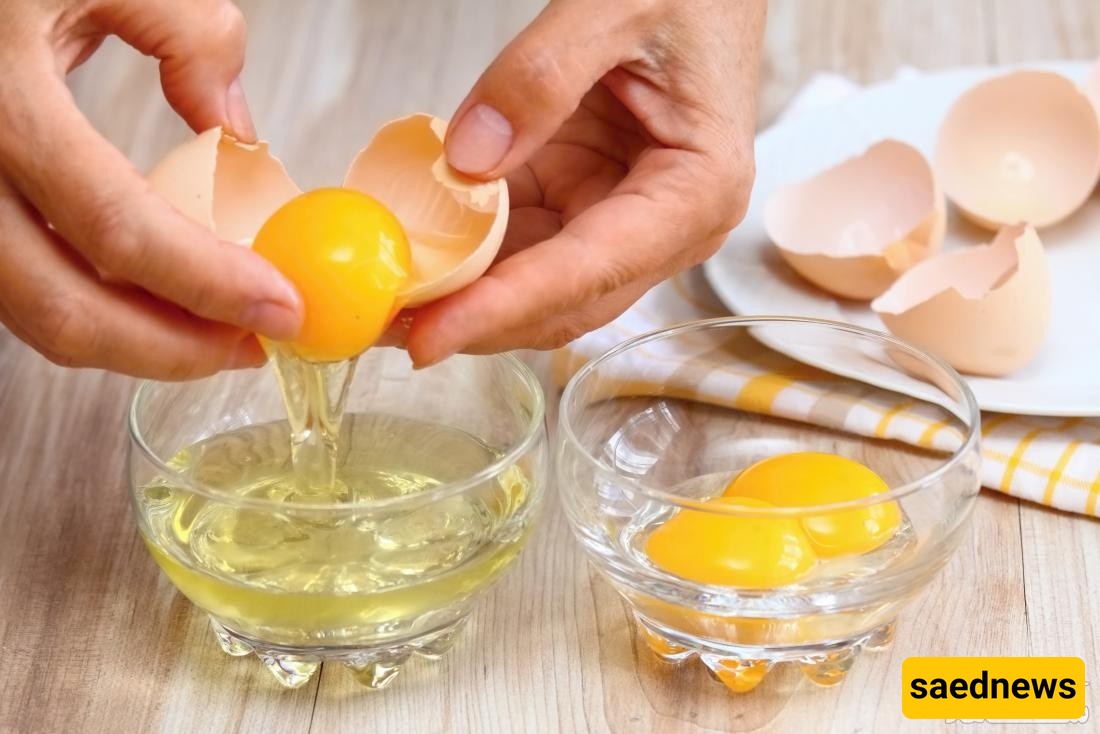
Adds color, flavor, and tenderness to baked goods.
“Beaten yolk” means whisking until lighter in color and thicker.
Yolk can be frozen for up to 6 months if mixed with sugar (for sweets) or salt (for savory dishes).
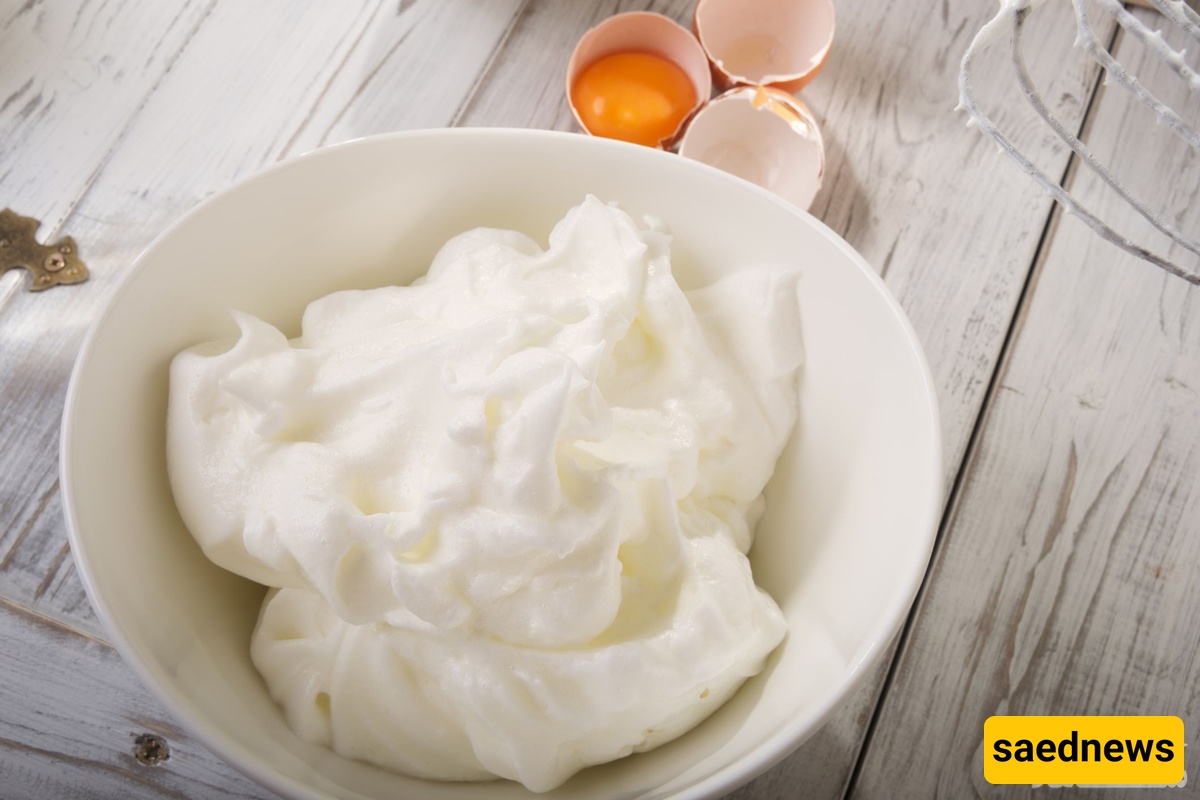
Used for aeration and volume in desserts.
Must be whipped in a fat-free bowl.
Cold egg whites whip better than warm ones.
A pinch of salt helps stabilize foam.
Can be frozen for up to 3 months.
Always check expiration date.
Store immediately in the refrigerator.
Use pasteurized cream only for desserts and ice cream.
Sweetened whipped cream should be chilled before whipping for best results.
Mix 250 g cream with sugar and vanilla.
Chill in freezer for 2 hours before whipping.
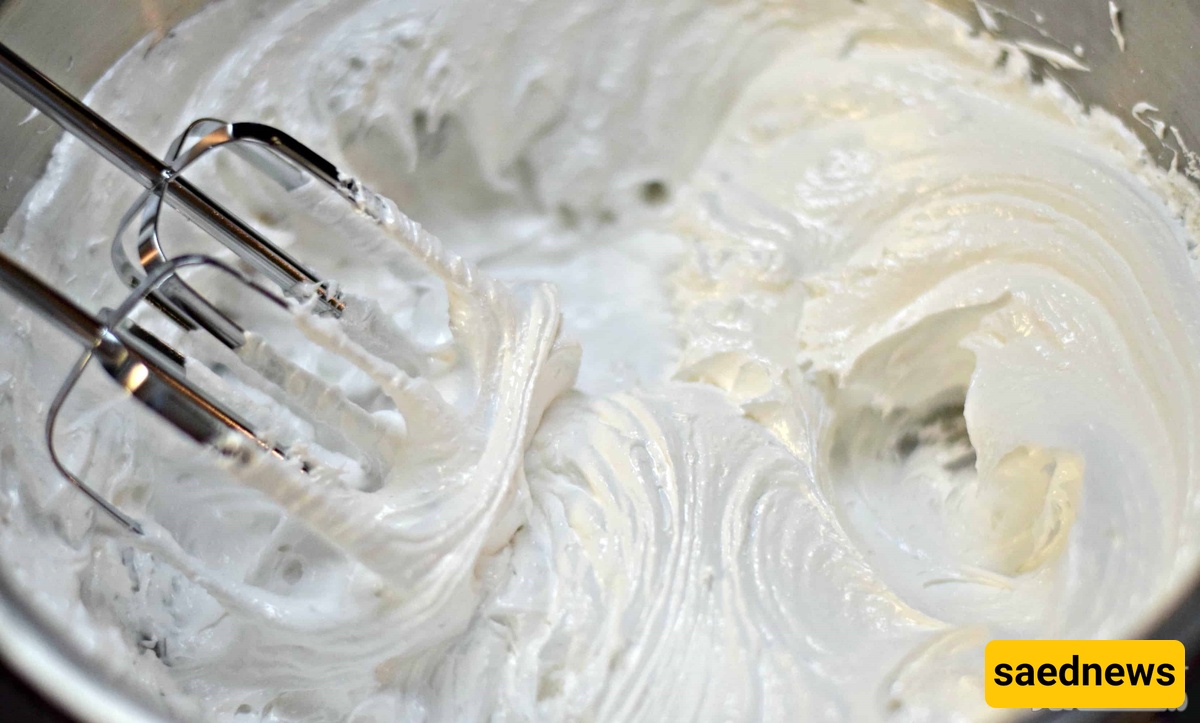
Whip until stiff peaks form.

Mix gelatin with cold water (about 1/4 cup per 10 g).
Let it bloom for 2–3 minutes.
Heat over steam until dissolved.
Do not overheat.
Add to warm dessert mixtures.
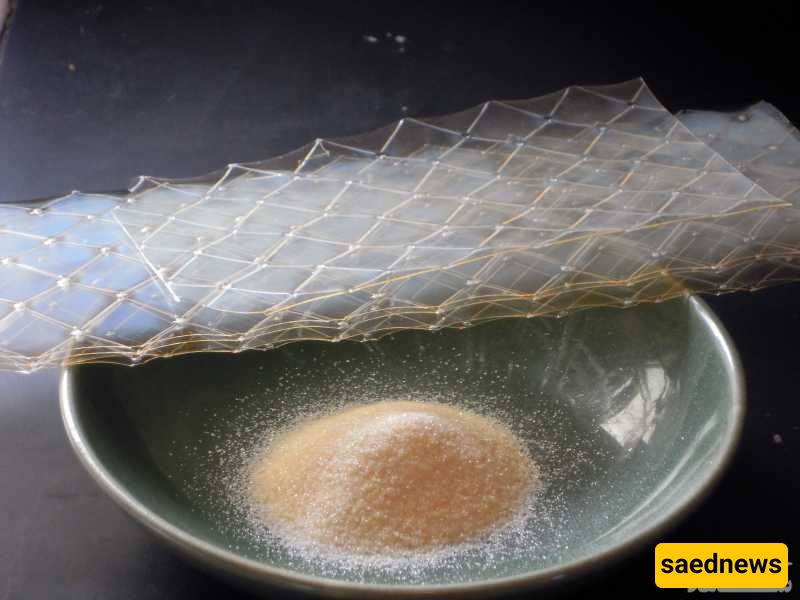
Soak in cold water until softened.
Remove and add to warm mixture.
Sheet gelatin produces clearer desserts.
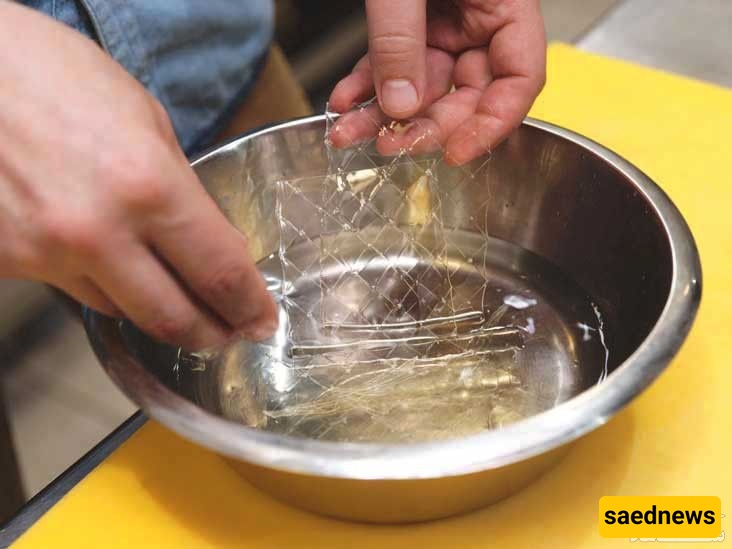
Some fruits (kiwi, pineapple, peach, lemon) prevent gelatin from setting unless cooked first.
Ingredients:
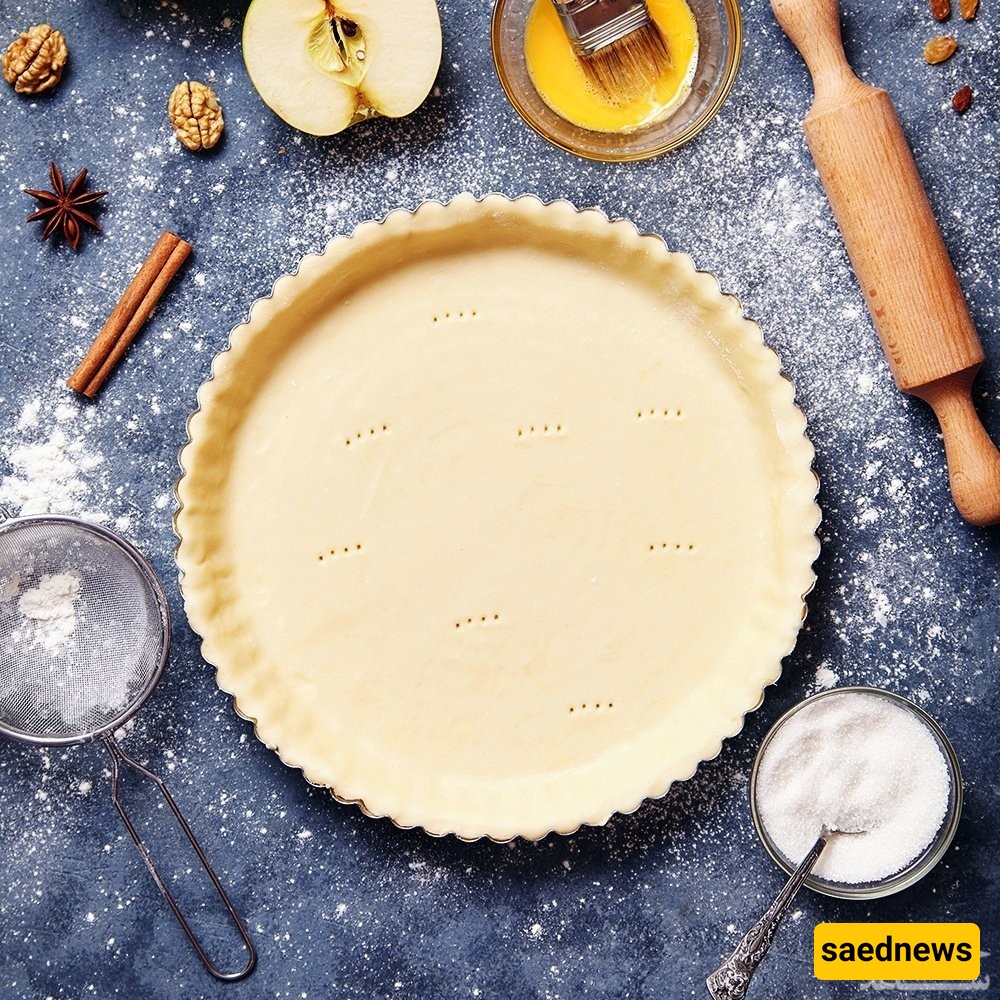
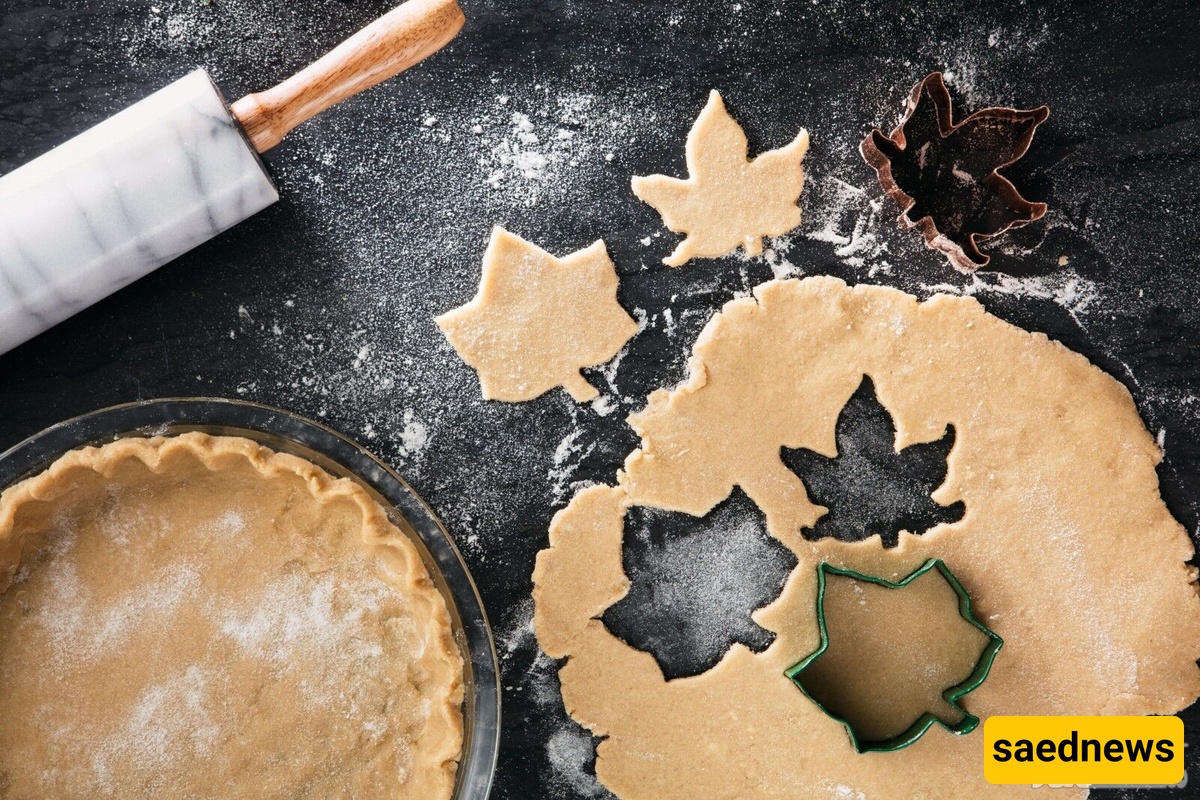
Flour, butter, powdered sugar, egg yolk, cold milk/water
Method:
Mix flour and butter until crumbly.
Add sugar, yolk, vanilla.
Gradually add cold liquid and form dough.
Do not over-knead.
Chill for 1 hour before use.
Light cake with minimal oil.
Eggs are whipped to create volume.
Flour must be gently folded in.
Bake at 180°C for about 60 minutes.
Do not open oven early.
Eggs are separated and whipped separately.
Batter is baked for only 10 minutes.
Overbaking causes dryness.
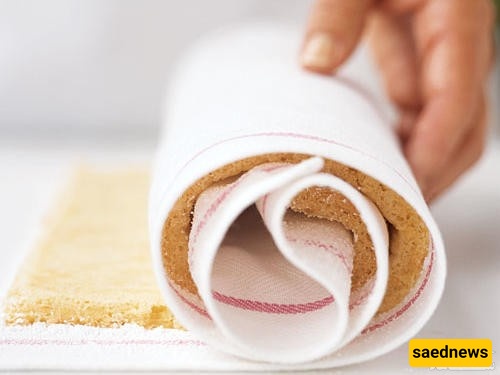
Roll while warm to prevent cracking.
Whole eggs are whipped with sugar over heat, then beaten until fluffy.
Flour is gently folded in.
Baked for 8–10 minutes.
Used for layered cakes and desserts.
Water and butter are boiled together.
Flour is added and cooked into a dough.
Eggs are added gradually.
Piped and baked until puffed.
Can be filled with cream or savory fillings.
Most baked pastries can be frozen for up to 15 days.
Choux pastries should be filled only shortly before serving.
Dough can be refrigerated for 2–3 days before baking.
 Basic Roll Cake (Nan-e Roulade)
Ingredient | Amount |
|---|---|
Eggs | 4 pcs |
Sugar | 80 g (½ cup) |
Vanilla | 1/8 tsp |
Flour | 90 g (2/3 cup) |
Thick syrup | 15 ml (1 tbsp) |
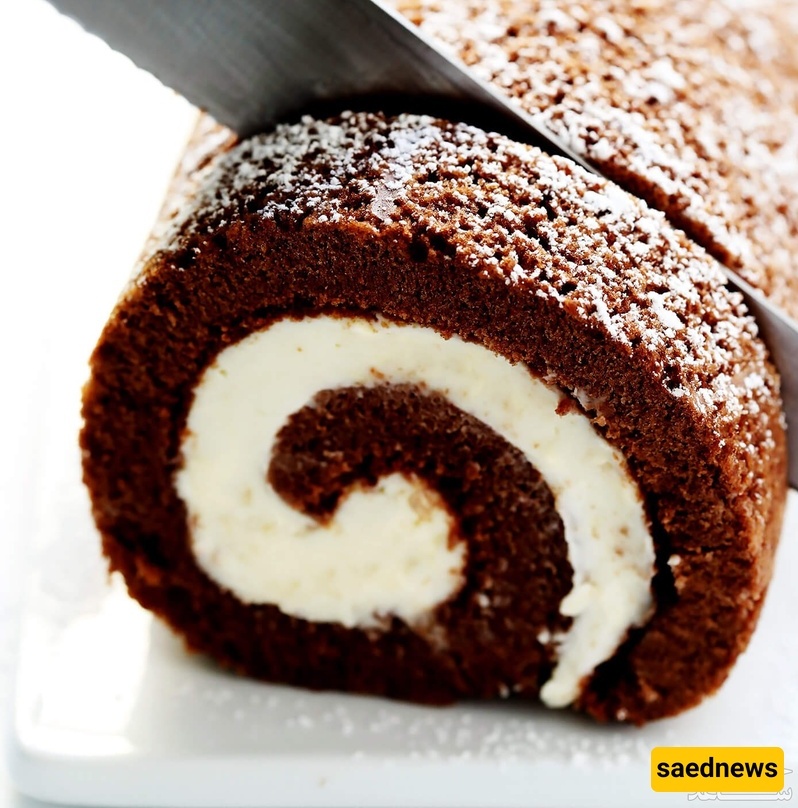
Preparation: 25–30 minutes
Baking: ~10 minutes
Freezing: up to 15 days
Preheat the oven to the highest temperature and place the rack on the top level.
Line a baking tray (30×40 cm or 50×60 cm) with parchment paper.
Separate egg yolks and whites.
Whisk egg yolks with half the sugar and vanilla for about 1 minute until pale and elastic.
Beat egg whites, gradually adding the remaining sugar until stiff peaks form.
Gently fold the whipped egg whites into the yolk mixture using a spatula.
Sift flour into the mixture and fold gently until smooth.
Add 1 tablespoon of thick syrup and mix lightly.
Spread the batter evenly in the tray.
Bake for about 10 minutes until the surface is no longer sticky.
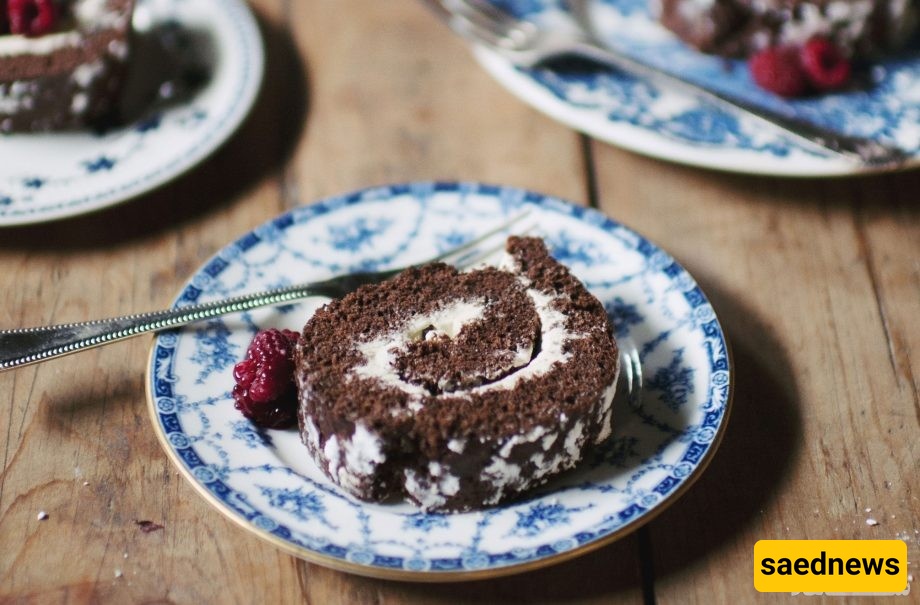
Let it cool slightly, then flip and remove the parchment paper.
Over-beating yolks may make the surface sticky.
A very hot oven is essential.
Overbaking (more than 10 minutes) will dry the cake.
If needed, roll the cake while warm in a sugared towel to prevent cracking.
Ingredient | Amount |
|---|---|
Eggs | 250 g (4 pcs) |
Egg yolks | 50 g (2 pcs) |
Sugar | 200 g (1 cup) |
Vanilla | 1/8 tsp |
Flour | 250 g (1¾ cups) |
Salt | a pinch |
Baking powder | ½ tsp |
Preparation: 20–30 minutes
Baking: 8–10 minutes
Freezing: up to 15 days
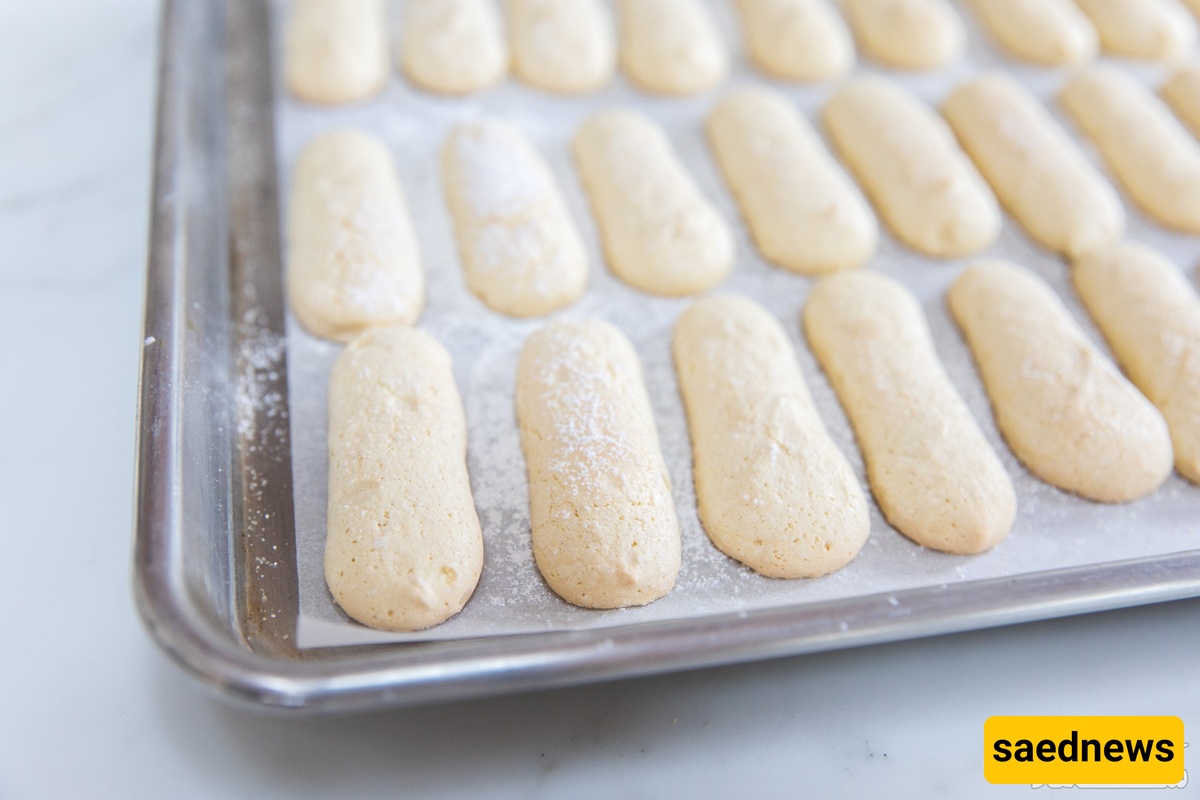
Line baking tray with parchment paper.
Preheat oven at maximum temperature for 30 minutes.
Beat whole eggs, yolks, and sugar over a double boiler until warm.
Remove and allow to cool.
Whisk cooled mixture until it doubles in volume, then add vanilla.
Sift flour, salt, and baking powder and gently fold into mixture.
Pipe batter onto parchment paper using a plain tip.
Bake in the upper rack for 10 minutes.
Preheat oven to maximum temperature.
Line a 45×35 cm tray with parchment paper.
Prepare genoise batter as above.
Divide batter into two parts.
Mix one part with 2 tablespoons cocoa powder.
Pipe alternating strips of white and chocolate batter diagonally in the tray.
Bake for 10 minutes.
Cool completely before rolling.
Ingredient | Amount |
|---|---|
Flour | 250 g (1¾ cups) |
Baking powder | 10 g (1 tbsp) |
Salt | a pinch |
Eggs | 6 pcs |
Vanilla | 1/8 tsp |
Sugar | 235 g (1¼ cups) |
Warm water | 90 ml (6 tbsp) |
Vegetable oil | 24 g (2 tbsp) |
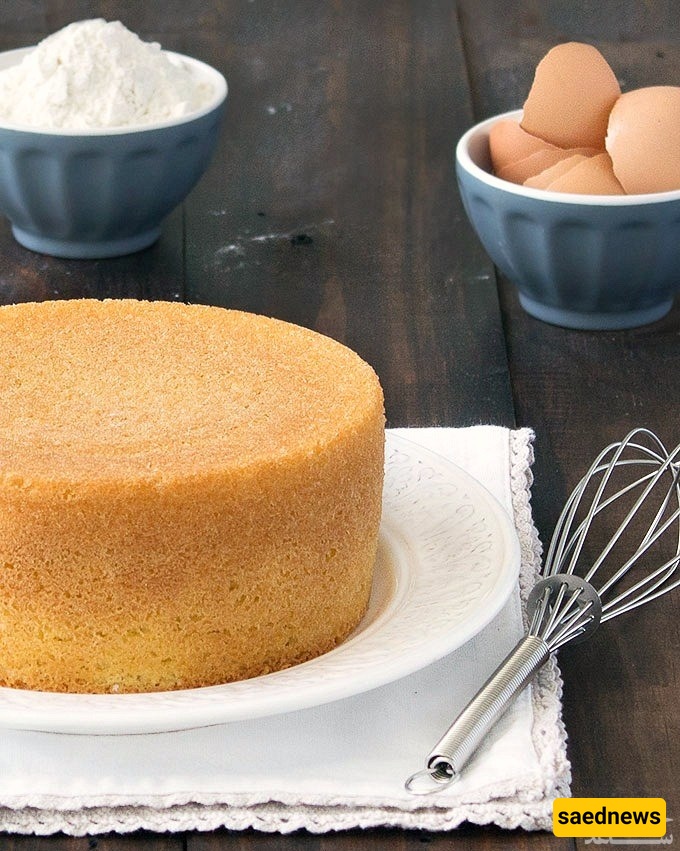
Preparation: 25–30 minutes
Baking: ~60 minutes
Freezing: up to 15 days
Preheat oven to 180°C (350°F).
Line and grease a 30 cm round pan (or two 20 cm pans).
Sift flour, baking powder, and salt.
Separate eggs.
Beat yolks with vanilla and 2/3 of sugar until fluffy.
Gradually add warm water and cool mixture.
Beat egg whites, gradually adding remaining sugar until stiff peaks form.
Fold yolk and white mixtures together.
Add dry ingredients and fold gently.
Add oil and mix lightly.
Pour into pan and bake for ~60 minutes.
Cool before removing from pan.
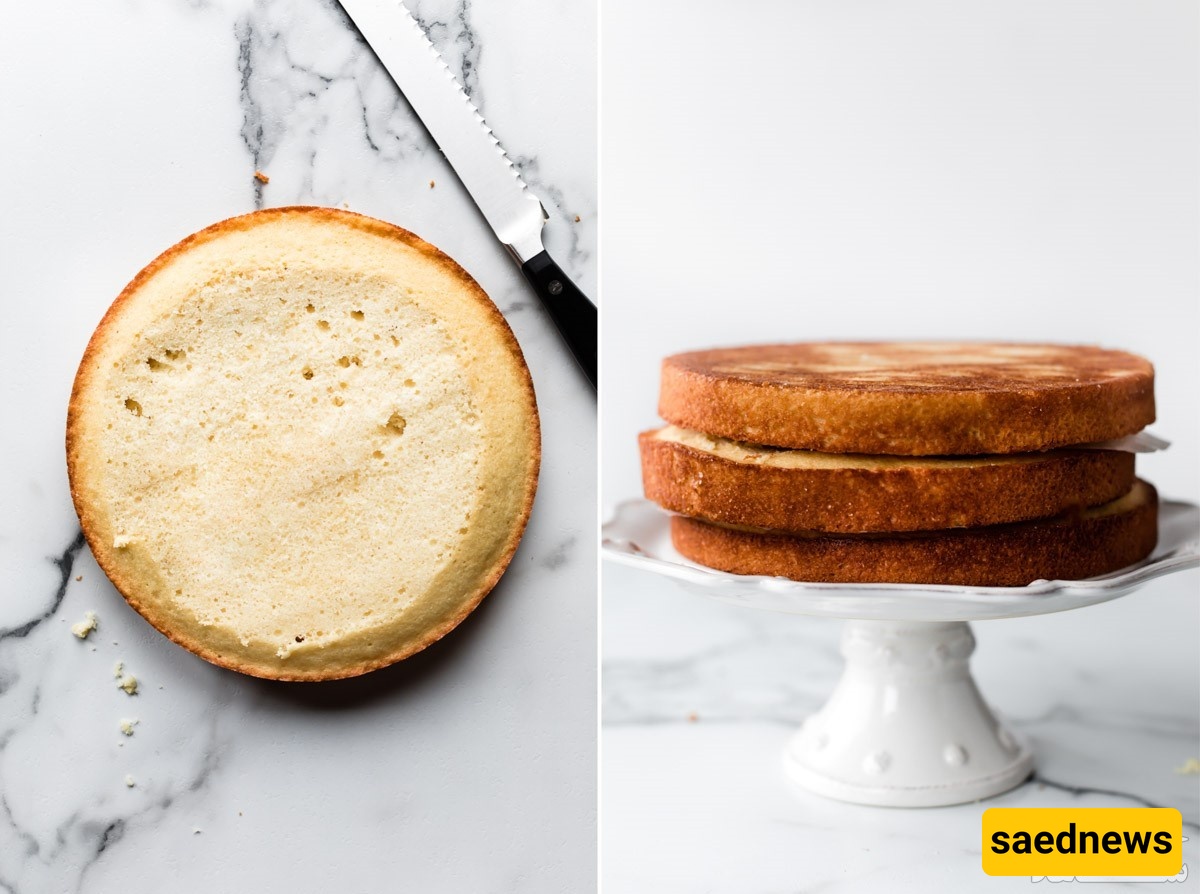
Dense cake: oven too hot or overmixing
Rough texture: insufficient whipping or poor mixing
Sticky top: overbeaten yolks or underbaking
No rise: weak egg foam or opening oven too early
Ingredient | Amount |
|---|---|
Water | 250 ml |
Oil | 35 g (3 tbsp) |
Flour | 150 g |
Eggs | 3–4 pcs |
Vanilla | 1/8 tsp |
Preparation: 20–30 minutes
Baking: ~15 minutes
Freezing: not suitable
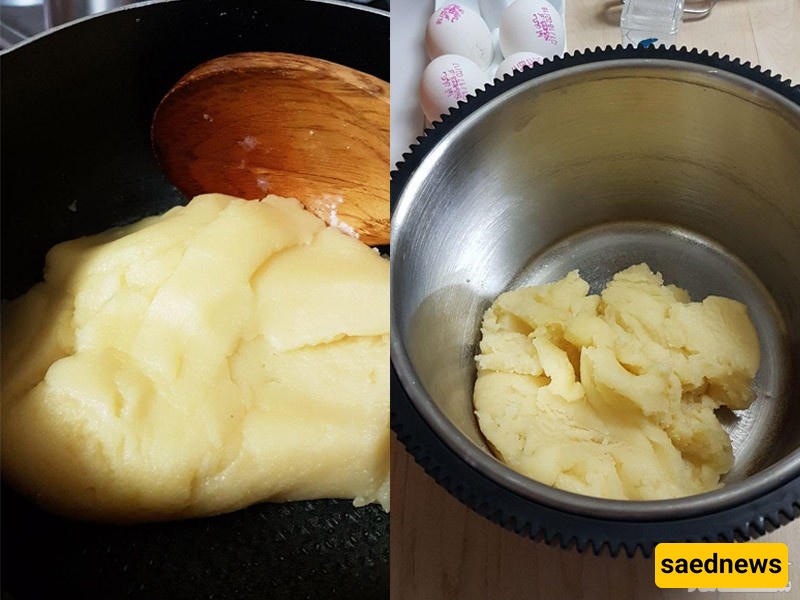
Boil water and oil together.
Add flour and stir quickly until dough forms.
Remove and cool dough, stirring occasionally.
Add eggs one at a time, mixing until fully absorbed.
Pipe into shapes on a greased tray.
Bake in a preheated oven for 5–6 minutes until golden.

Add eggs gradually; each must fully absorb before the next.
Can be filled with cream, custard, chocolate, or savory fillings.
Unfilled choux can be stored 2–3 days in the fridge.