SAEDNEWS: A traditional medicine specialist recommends that those fasting choose light foods like sholeh zard and ash for Iftar to aid easier digestion, while people with sensitive stomachs should avoid heavy and rich meals.
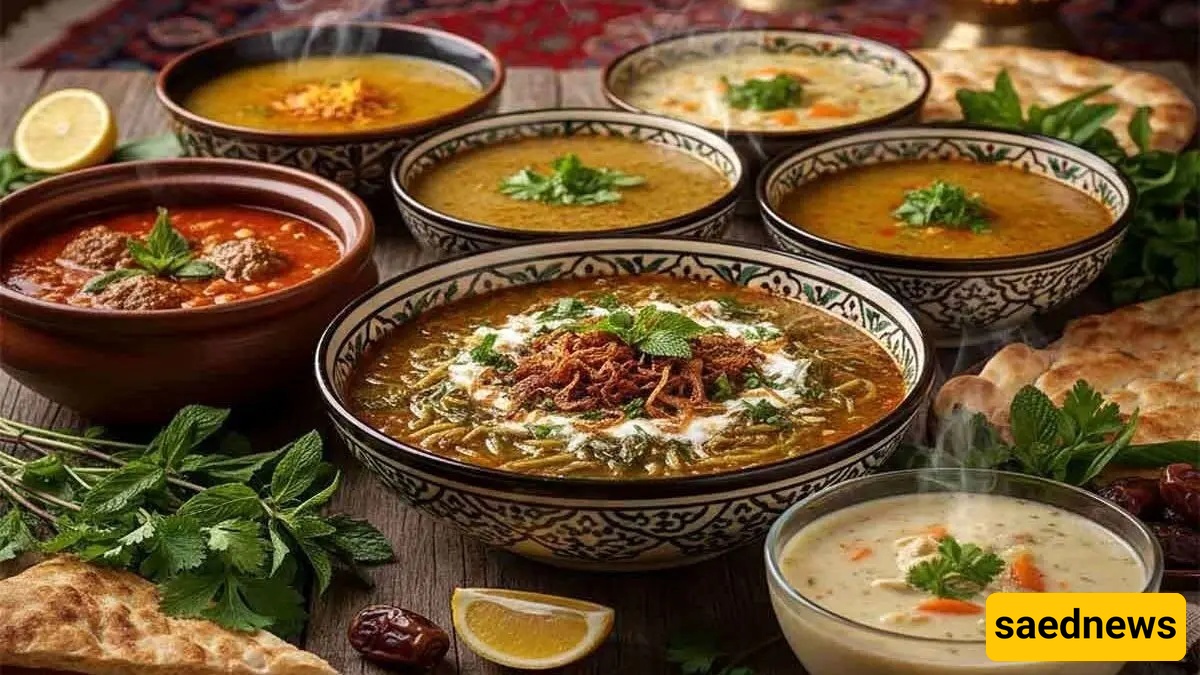
According to the Family Magazine service of Saed News, Dr. Elham Parsa, a traditional medicine specialist and faculty member at Islamic Azad University, Tehran, explained in an interview with Khabar Online that in traditional medicine, foods are classified into two categories based on their texture: light foods and dense foods.
Light foods are easily digested by the gastrointestinal system and put less strain on the stomach. In contrast, dense foods require more time and energy to digest. Dr. Parsa recommends that for iftar, after consuming warm water or tea, one should eat light foods such as ferni (rice pudding), almond porridge, milk rice, shole zard (saffron rice pudding), and thin soups.
Halim, made from wheat and lamb, has a warm nature. Adding cinnamon and a suitable amount of oil can make it an ideal choice for iftar, unless the person has an allergy to wheat or cinnamon.
Shole zard is also considered beneficial. The combination of saffron and rosewater in this dish has calming effects and helps strengthen the digestive system. However, people with a warm temperament or those allergic to saffron may find it difficult to consume.

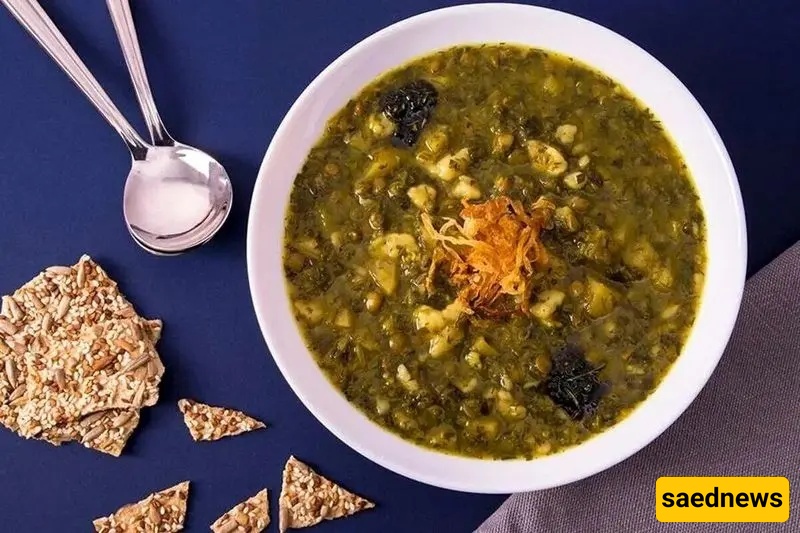
Soups such as barley soup, mung bean soup, rice soup, and various local vegetable stews are good choices for iftar. Experts emphasize that soups and stews should be thin and contain fewer legumes. It is recommended to use legumes that are low in gas and soaked in advance, while avoiding heavy legumes like white beans.
An ideal iftar soup may include barley or rice with a small amount of broth. Soft parts of chicken, such as wings and neck, are recommended, while beef or veal is better avoided due to harder digestion.

Ash reshteh, a traditional Persian noodle and bean soup, contains large amounts of noodles, legumes, and additives such as kashk (fermented whey), garlic, onions, and fried mint in oil, making it very heavy and potentially causing digestive discomfort. Making the dish thinner can help it become lighter and easier to digest.
Barley used in the soup should preferably be cracked barley rather than flakes. For flavoring, turmeric and suitable spices are recommended instead of tomato paste.
Fasting individuals experiencing weakness can eat soft-boiled eggs with thyme. It is also advised that iftar foods and drinks be served warm to prevent discomfort in cold stomachs. Consuming cold foods can weaken the digestive process and make it less efficient.